
Mastering Craft Fair Sales: Beginner’s Blueprint
Unlock success at craft fairs with expert strategies for product selection, booth design, pricing, and legal essentials to boost your handmade sales.
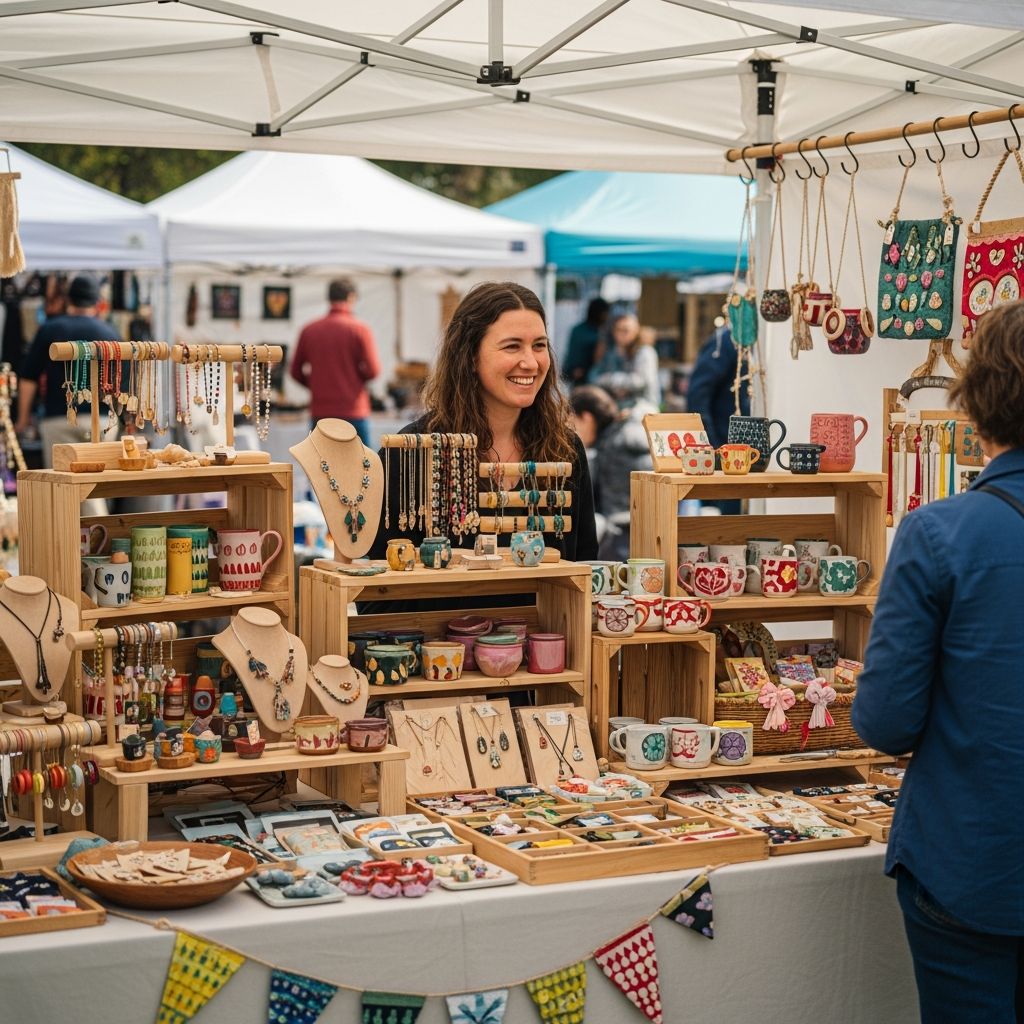
Entering the vibrant world of craft fairs offers artisans a dynamic platform to showcase handmade creations, connect with buyers, and transform hobbies into profitable ventures. Success hinges on meticulous preparation, from event selection to post-sale analysis. This guide draws on proven tactics to help newcomers navigate the process confidently, ensuring every booth visit translates into loyal customers and steady income.
Selecting the Ideal Craft Fair for Your Brand
Choosing the right event is foundational, as it aligns your products with an audience primed to appreciate and purchase them. Research local and regional fairs by reviewing attendee demographics, past vendor feedback, and sales reports shared online or through artisan networks. Opt for events where your niche thrives—youth-oriented markets suit affordable, whimsical items like themed accessories, while upscale gatherings favor premium, statement pieces.
Evaluate application criteria rigorously. Competitive fairs demand portfolios with high-quality images, social media links, and pricing details to ensure vendor diversity. Less saturated categories, such as unique home accents over common apparel, boost acceptance odds. Always confirm space size, setup times, and fees to match your operational scale.
- Demographic Match: Target crowds whose preferences mirror your past online or market buyers.
- Competition Scan: Avoid oversaturated vendor types to stand out.
- Logistics Check: Verify load-in/out schedules, power access, and weather contingencies.
Curating Your Product Lineup Strategically
A focused inventory prevents overwhelm and drives sales. Limit variety to a cohesive theme, like seasonal accessories in a unified color scheme, to create visual harmony and simplify customer decisions. Bring bestsellers tested online alongside complementary items—pair bags with matching pouches for bundled appeal.
Diversify price tiers to capture all budgets: impulse buys under $15 draw foot traffic, mid-range $20–$50 options satisfy deliberate shoppers, and high-end pieces over $100 anchor perceived value, making mid-tier items seem like bargains. Popular quick-sell items include pouches, key fobs, and rolls for crayons or pencils, which stack profits rapidly.
| Price Tier | Example Products | Purpose |
|---|---|---|
| Low ($5–$15) | Keychains, bookmarks, coasters | Impulse grabs, quick turnover |
| Mid ($20–$50) | Wallets, pouches, small decor | Core sales driver |
| High ($75+) | Statement bags, custom art | Value anchor, premium appeal |
Scale production conservatively for debut events—overstocking ties up capital, while shortages frustrate buyers. Track historical data: if totes outsell scarves online, prioritize them but test fair-specific tweaks.
Legal and Licensing Essentials for Compliant Selling
Compliance safeguards your business from fines and builds professionalism. Most locales require a business license or temporary vendor permit for public sales, detailed on fair organizer sites post-acceptance. Check state revenue departments for sales tax collection obligations—register for a tax ID if grossing over thresholds, typically $1,000–$10,000 annually depending on jurisdiction.
Liability insurance, around $100–$300 yearly via artisan policies, covers accidents like booth collapses. Food-inclusive crafts (e.g., baked goods) demand health permits. Consult IRS guidelines for hobby vs. business classification: profit intent via records elevates you to Schedule C filer, enabling deductions.[web:1]
- Vendor Permit: Event-specific, often $20–$100.
- Sales Tax: Collect and remit based on buyer location.
- Zoning: Ensure home-based ops comply locally.
Crafting a Captivating Booth Display
Your booth is a retail storefront, prioritizing sales over aesthetics. Plan a layout mimicking favorite stores: vary heights with crates, risers, and shelves for dynamic viewing—no eye-level monotony. Functional flow allows easy entry, browsing, and checkout; avoid clutter blocking sightlines.
Anchor with bold signage stating your brand story and website. Use trays or bowls for smalls, grids for multiples. Lighting—LED strings or clips—highlights textures; neutral cloths unify tables. Theme cohesively: earthy tones for nature crafts, vibrant for playful ones.
- Vision Board: Sketch layout pre-build.
- Height Variation: Stack for interest.
- Clear Pricing: Tags and signs everywhere—no questions needed.
- Branding Touches: Banners, cards for follow-ups.
Test setup at home, timing assembly under 30 minutes. Portable grids or pipe-and-drape suit multi-event use.
Perfecting Pricing and Payment Strategies
Price via formula: materials + labor (hourly wage x time) + overhead (10–20%) + profit margin (50–100% for handmade). Research peers: superior quality justifies premiums, but align with fair norms. Display boldly—framed photos with prices near displays, tags on items—to deter haggling and embarrassment.
Accept multiples: cash box with $1s/5s for change, mobile readers (Square/PayPal, 2–3% fees), and Venmo for impulse buys. Offer bundles (10% off two) or ‘buy 3 low-tiers, get one free’ to upsell. Track via sheets: item, price, quantity sold.
Day-of Execution: Engaging Customers and Closing Sales
Arrive early for prime spots. Greet warmly: ‘Welcome! These pouches pair perfectly with our totes.’ Listen for cues—what excites them?—and demo gently. Freebies like stickers build goodwill.
Stay approachable; sit minimally to invite chat. Monitor stock, restock visibly. Midday lulls suit breaks—hydrate, eat. End strong: collect emails for newsletters promoting online shops.
Post-Event Analysis and Growth
Debrief immediately: sales totals, top sellers, booth tweaks. Calculate ROI (revenue minus costs). Follow up emails: ‘Thanks for visiting—10% off online!’ Expand winners, cull flops for next round.
Network with vendors for future invites. Scale up: repeat successes at bigger fairs.
Frequently Asked Questions (FAQs)
What licenses do I need for craft fairs?
Vendor permits, business licenses, and sales tax registration vary by location and event scale. Always review organizer rules.[web:1]
How do I price handmade items fairly?
Factor materials, time at fair wage, overhead, and market comps. Aim for 2–3x costs for sustainability.
What’s the best booth setup for beginners?
Prioritize flow, height variation, clear prices, and lighting. Test at home first.
Should I offer different price points?
Yes—low for impulses, mid for mains, high to anchor value—increases overall sales.
How much inventory for my first fair?
Focus on 5–10 SKUs, 20–50 units total, based on expected attendance and past data.
References
- How to Sell at Craft Fairs: The Ultimate Guide for Artists — Recoverie. 2023. https://www.recoverie.com/blog/how-to-sell-at-craft-fairs
- Craft Fair Display: 9 Easy Tips to set up a Beautiful Booth — Blue Susan Makes. 2022. https://www.bluesusanmakes.com/craft-fair-display-10-tips-to-set-up/
- 12 Tips for Craft Show Newbies — TLYC Blog. 2023. https://tlycblog.com/craft-market-tips-for-beginners/
- The Beginner’s Guide to Craft Fairs — Destination Decoration. 2022. https://www.destinationdecoration.com/beginners-guide-to-craft-fairs/
- A Sewist’s Guide To Your First Craft Fair — Arrow Sewing. 2023. https://www.arrowsewing.com/blog/a-sewists-guide-to-your-first-craft-fair
- Sellers Permit Requirements — California Department of Tax and Fee Administration (Official .gov). 2025-01-10. https://www.cdtfa.ca.gov/taxes-and-fees/sellers-permit.htm
Similar Articles








Read full bio of medha deb


