
Master Email Etiquette: Prevent Career-Damaging Mistakes
Essential strategies to craft flawless professional emails and sidestep humiliating errors that could derail your career.
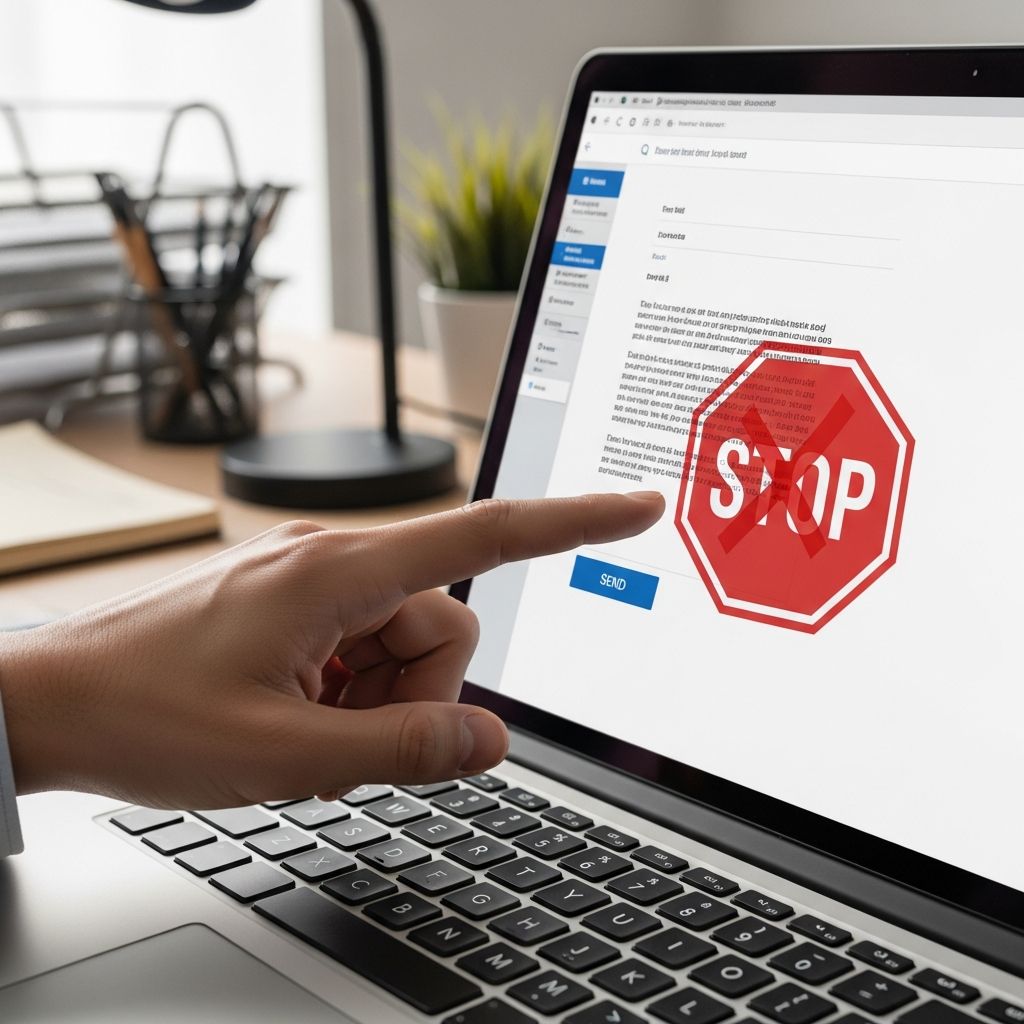
Professional emails serve as the cornerstone of modern business communication, yet a single misstep can lead to reputational harm or lost opportunities. Mastering email etiquette ensures your messages convey competence and respect, fostering stronger relationships and career advancement.
Why Email Mistakes Can Cost You Professionally
In today’s fast-paced work environments, emails are scrutinized more than ever. A hasty send or poorly chosen words can spread virally, amplifying damage across networks. According to workplace communication experts, over 60% of professionals report witnessing colleagues suffer from email errors, underscoring the need for vigilance.
Common blunders include attaching the wrong file, using vague subjects, or firing off unproofread drafts. These not only embarrass the sender but erode trust with recipients. By adopting structured habits, you can transform emails from potential liabilities into powerful tools for success.
Building a Bulletproof Email Routine
Start every email composition with intentional steps to minimize risks. Begin by drafting in a notepad or email body without recipients listed—this prevents premature sends. Next, outline your key points: purpose, action items, and deadlines. This framework keeps messages focused and actionable.
- Compose offline or in drafts to avoid auto-send features.
- List recipients last, after full review.
- Enable ‘undo send’ in your email client for a grace period.
These practices act as safeguards, giving you time to catch errors before they reach inboxes overflowing with daily volumes exceeding 300 messages per professional.
Crafting Impactful Subject Lines
The subject line is your email’s frontline ambassador. Vague phrases like ‘Update’ or ‘Question’ get ignored amid inbox chaos. Instead, opt for specifics: ‘Q3 Budget Review Feedback Due Friday’ signals urgency and content clearly.
| Bad Subject Line | Good Subject Line | Why It Works |
|---|---|---|
| Meeting | Agenda for 2pm Client Strategy Session | Specifies time, topic, and recipient relevance |
| Issue | Resolution Needed: Server Outage Impact on Project | Highlights problem and calls for action |
| FYI | Approved: Vendor Contract Changes Effective 1/20 | Indicates decision and timeline |
Precise subjects boost open rates by up to 20% and help recipients prioritize. Tailor them to your audience—internal teams appreciate brevity, while clients value context.
Perfecting Greetings and Closings
A professional greeting sets a respectful tone. Use ‘Dear [Full Name],’ for formal contacts or ‘Hi [First Name],’ for colleagues. Avoid assumptions; mirror the name from their signature exactly to prevent alienation.
End with courteous sign-offs like ‘Best regards,’ ‘Sincerely,’ or ‘Thank you,’ followed by your full name, title, company, and contact details. A consistent signature block builds credibility, especially with new connections.
- Formal: Dear Ms. Johnson, Sincerely, John Doe
- Casual internal: Hi Team, Best, Sarah
- Always include: Name | Position | Phone | LinkedIn
Maintaining Conciseness and Clarity
Respect recipients’ time by being direct. Lead with your main point, then support with details. Aim for short paragraphs—no more than 3-4 lines each—to enhance readability on mobile devices.
Avoid jargon unless audience-specific; explain acronyms on first use. Structure with bullet points for lists or bolded action items. Example: ‘Please review the attached report by EOD and confirm via reply.’
Professionals value brevity: emails under 100 words receive 50% higher response rates.
Audience-Tailored Communication
Adapt tone and detail to the reader. Executives prefer high-level summaries; peers welcome jargon. For external parties, use plain language to bridge knowledge gaps.
Consider hierarchy: formal with superiors, warmer with peers. Cultural sensitivities matter—research norms if international. This personalization demonstrates emotional intelligence, a key leadership trait.
Proofreading: Your Final Defense
No email is complete without proofreading. Check spelling, grammar, tone, and attachments. Read aloud to catch awkward phrasing. Tools like Grammarly aid but never replace human review.
- Verify recipient names and emails.
- Scan for typos and capitalization errors.
- Confirm attachments match subject.
- Wait 5 minutes before sending high-stakes messages.
Errors undermine professionalism; one misspelled name can sour relations.
Navigating Tricky Email Scenarios
Reply-All Discipline
Default to ‘Reply’ over ‘Reply All’ unless group input is needed. Excess CCs clutter inboxes and dilute focus. Summarize threads in responses to provide context without forwarding entire chains.
Handling Sensitive Topics
For conflicts or feedback, email cautiously—tone misfires easily without nonverbal cues. Propose calls: ‘This warrants discussion; available Tuesday?’. Never criticize publicly via email.
Attachments and Links
Name files descriptively: ‘Q1_Report_v2.pdf’ not ‘doc1.pdf’. Hyperlink URLs instead of pasting long links. Verify permissions before sharing confidential data.
Advanced Tactics for Email Mastery
One topic per thread prevents confusion. Use status updates in subjects for ongoing matters: ‘Project Alpha – Status Update #3’. For urgency, prefix ‘URGENT:’ sparingly to maintain credibility.
Integrate calls-to-action (CTAs): ‘Approve by replying ‘Yes’ or schedule via Calendly.’ This drives responses efficiently.
Frequently Asked Questions
What if I accidentally send an email with mistakes?
Use ‘undo send’ if available (Gmail: up to 30 seconds). Otherwise, send a swift correction: ‘Apologies for the prior email—here’s the corrected version.’ Own the error professionally.
How formal should internal emails be?
Match your team’s culture: casual for startups, structured for corporates. Err formal with new colleagues.
Is it okay to use emojis in work emails?
Sparingly, with familiar teams (e.g., ✅ for confirmation). Avoid with clients or superiors.
What’s the best time to send emails?
Tues-Thurs mornings align with peak productivity. Avoid Fridays after noon or Mondays.
How do I politely decline email requests?
Be direct yet gracious: ‘Thank you for considering me; unfortunately, I can’t commit due to prior obligations.’ Offer alternatives if possible.
Long-Term Habits for Flawless Communication
Customize email settings: plain text for compatibility, signatures automated. Regularly audit sent folders for patterns. Train teams via workshops—consistent etiquette elevates entire organizations.
Embrace email as a skill: refined practice yields compounding returns in perception and productivity. In legal, sales, or management roles, impeccable emails distinguish leaders from averages.
By internalizing these principles, you’ll sidestep pitfalls that plague inboxes daily, positioning yourself as a reliable communicator poised for advancement.
References
- 19 Email Etiquette Rules to Know, With Examples — Grammarly. 2023-05-15. https://www.grammarly.com/blog/emailing/email-etiquette-rules-to-know/
- 28 Email Etiquette Rules for the Workplace — Indeed.com. 2024-08-20. https://www.indeed.com/career-advice/career-development/email-etiquette
- 10 Rules for Email Etiquette — Law Society of NSW. 2023-11-10. https://www.lawsociety.com.au/resources/resources/career-hub/10-rules-email-etiquette
- Email Etiquette — Purdue OWL (Purdue University). 2024-01-05. https://owl.purdue.edu/owl/general_writing/academic_writing/email_etiquette.html
- 8 Email Etiquette Tips – How to Write Better Emails at Work — Harvard Business Review (YouTube). 2021-07-07. https://www.youtube.com/watch?v=1XctnF7C74s
Similar Articles








Read full bio of Sneha Tete


