
Managing End-of-Life Arrangements in Massachusetts
Navigate Massachusetts funeral laws, permits, and family-directed arrangements with confidence.
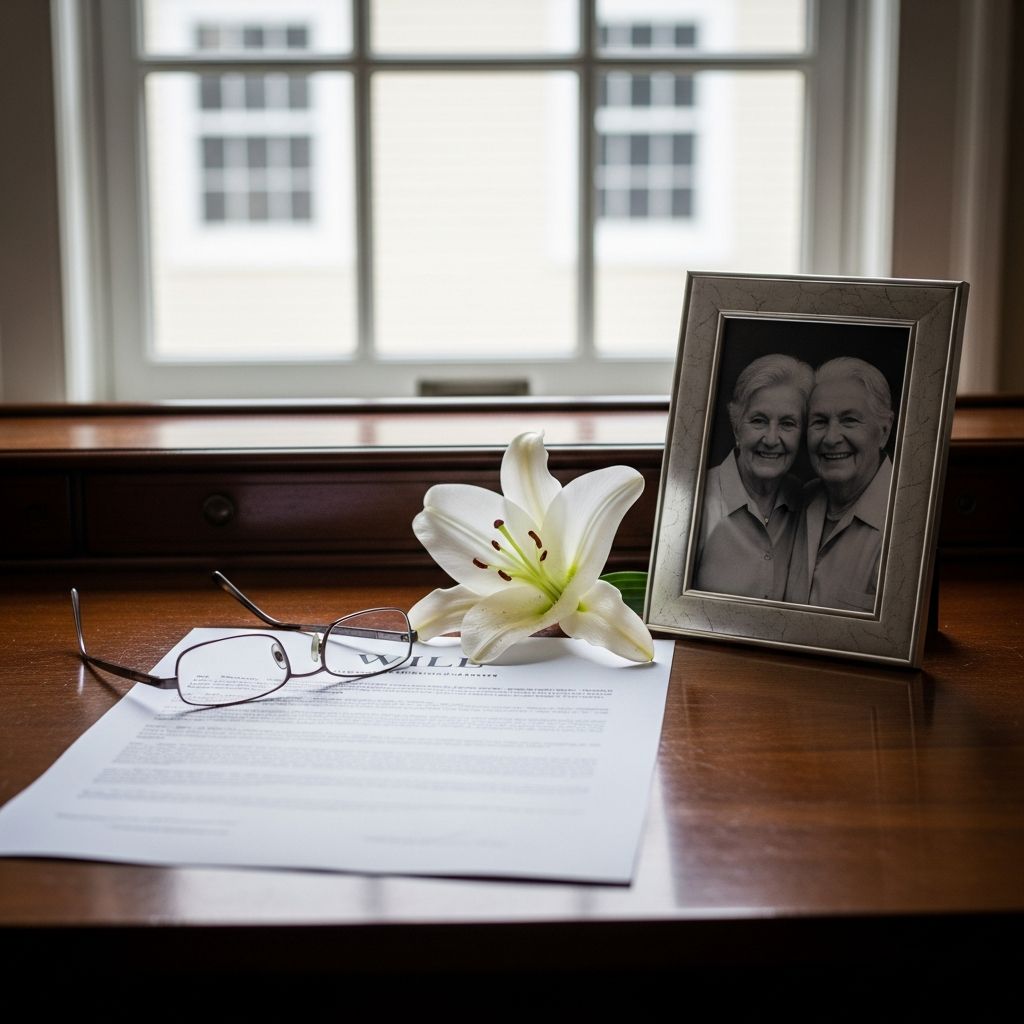
Understanding Your Options for Final Arrangements in Massachusetts
When a loved one passes away, families face numerous decisions during an emotionally challenging time. Massachusetts provides families with flexibility in how they manage end-of-life arrangements, allowing them to personalize these proceedings according to their wishes and beliefs. The Commonwealth does not mandate the use of funeral professionals for managing these affairs, meaning families can take a more active role in caring for their deceased loved ones if they choose to do so. Understanding the legal framework that governs these arrangements helps families navigate the process with confidence and clarity.
Legal Authority Over Funeral and Disposition Decisions
Massachusetts law establishes a clear hierarchy for determining who possesses the authority to make decisions about a deceased person’s care and final disposition. This structure ensures that when no advance directives exist, the appropriate family members can make these important choices without unnecessary legal complications.
The decision-making authority follows this prioritized sequence:
- The surviving spouse of the deceased individual
- Adult children of the deceased
- Parent or parents of the deceased
- Sibling or siblings of the deceased
- The individual designated as guardian of the deceased at the time of death
- Any other person authorized by law to manage the remains
When multiple individuals exist within the same category—such as several adult children or multiple siblings—Massachusetts law stipulates that a majority vote among that group determines the course of action. This democratic approach prevents deadlocks and ensures decisions move forward efficiently.
To establish your own preferences beforehand and avoid potential family disagreements, you can document your wishes in writing. A simple signed statement witnessed by another person suffices to create a binding directive. Many families find it practical to incorporate these instructions into a Massachusetts health care proxy, which consolidates health care decisions and final arrangement preferences in a single document.
The Death Certificate Process in Massachusetts
The death certificate serves as the official record of death and is essential for numerous subsequent matters, including insurance claims, property transfers, and benefit applications. Massachusetts has modernized its death registration system to operate electronically, streamlining the process for families handling their own arrangements.
The medical professional who attends the deceased—typically the physician, physician’s assistant, or nurse practitioner—must complete the medical sections of the death certificate immediately upon death certification. This professional completion is non-negotiable and represents a critical first step in the registration process. Families who do not engage a funeral director must coordinate directly with this medical provider to obtain their completed portion of the certificate.
Within five days of the death, families are legally required to register the death with their local board of health. This registration initiates the electronic filing process. The responsibility for managing this registration falls to:
- The family member coordinating arrangements
- The medical professional who signed the death certificate
- The town or city clerk in the municipality where death occurred
- The designated burial agent or disposition authority
For current information about the electronic death registration system and step-by-step instructions, families can consult the Massachusetts Registry of Vital Records and Statistics website, which provides resources and guidance throughout the registration process.
Obtaining Burial Permits and Transportation Authorization
Before moving a deceased person’s body from the place of death or arranging final disposition, Massachusetts law requires families to secure a burial permit from their local board of health. This permit serves multiple purposes: it authorizes transportation of the body, permits its presence at home, and sanctions final disposition through burial, cremation, or other means.
Common scenarios requiring this permit include:
- Transporting a body from a hospital or other facility to the family home
- Moving the body from home to a cemetery or crematory
- Arranging for burial on private property
- Organizing cremation services
After the final disposition of remains occurs—whether through burial, cremation, or another method—the responsible party must ensure the permit is signed and filed with the board of health. For cemetery burials, the cemetery manager completes this filing. For cremations, the crematory manager handles this responsibility. This post-disposition filing creates an official record confirming proper handling of the remains.
Preparing Bodies at Home and Health Considerations
Massachusetts does not prohibit keeping a deceased loved one’s body at home after death. Many families choose this option for cultural, religious, or personal reasons, allowing them to spend time with their loved one and coordinate final arrangements according to their traditions.
When maintaining a body at home, families should consider several practical and health-related factors. If the deceased passed from a contagious or infectious disease, consulting with a medical professional is strongly advisable. A doctor can provide guidance on necessary precautions, cleaning protocols, and whether specialized handling is required. Some conditions may necessitate refrigeration or other preservation measures to maintain dignity and prevent health risks.
For bodies without contagious disease concerns, families can typically prepare their loved one using gentle washing, dressing, and positioning. Many families find this intimate care deeply meaningful and consistent with their cultural or religious practices. If professional guidance becomes necessary, families can consult with funeral directors about specific preparation techniques without committing to full funeral home services.
Cremation Requirements and Regulatory Framework
Cremation represents an increasingly popular choice for final disposition in Massachusetts, chosen for practical, financial, environmental, and personal reasons. The Commonwealth imposes specific regulatory requirements governing cremation to ensure proper procedures and protect consumer interests.
The most significant requirement is the mandatory 48-hour waiting period between the time of death and when cremation can occur. This waiting period provides time for thorough investigation of death circumstances and allows authorities to ensure no suspicious factors warrant further examination. However, this waiting period may be waived if the deceased died of a contagious or infectious disease, allowing more expedited disposition when public health concerns exist.
Before cremation can proceed, the medical examiner must review the deceased and grant specific authorization for cremation. This professional review ensures that circumstances do not suggest criminal involvement or warrant additional investigation. The medical examiner’s approval represents a regulatory checkpoint protecting the integrity of the disposition process.
Families pursuing cremation without funeral director involvement should verify in advance that their chosen crematory will accept bodies directly from families. Some facilities require funeral director involvement, while others accommodate family-directed arrangements. Clear communication about this capability prevents complications closer to the time of need.
Required documentation for cremation includes:
- Completed death certificate with medical examiner authorization
- Burial or disposition permit from the local board of health
- Cremation permit issued by appropriate authorities
- Written authorization from the legal next of kin
Home and Private Property Burial Considerations
While cemetery burial represents the most common disposition method, Massachusetts does not categorically prohibit home burial on private property. This option appeals to families preferring to maintain their loved one’s presence on family land or following cultural traditions emphasizing family burial grounds.
Pursuing a home burial requires significant advance planning and coordination with local authorities. Families must obtain written approval from both the local board of health and the local governing body before proceeding. These entities review proposals to ensure compliance with health, environmental, and zoning regulations.
The approval process typically involves submitting detailed information about the proposed burial site, including soil composition, groundwater proximity, property boundaries, and environmental impact assessments. The board of health conducts a thorough review and determines whether the proposed location meets state siting requirements. If local approval is granted, the application must then proceed to the regional Department of Environmental Protection office for additional environmental review under state law.
Beyond regulatory approval, home burials create permanent encumbrances on property. Any deed note documenting the burial must be recorded at the Registry of Deeds, and this notation remains part of the property record indefinitely. When selling or transferring property containing a family burial site, potential buyers and lenders will see this notation, which may affect property value or financing availability. Families considering home burial should carefully weigh these long-term implications alongside their emotional and cultural motivations.
Advance Planning and Documenting Your Wishes
Taking time before a health crisis to document your preferences provides significant peace of mind and prevents potential family disputes during emotionally difficult periods. Massachusetts law accommodates various methods for advance planning without requiring complex legal formalities.
The simplest approach involves writing a clear statement of your funeral and disposition preferences, signing it, and having a witness also sign. This document requires no notarization or attorney involvement, making it accessible to everyone regardless of financial circumstances. Keep the original in an accessible location and inform trusted family members of its existence and location.
A more comprehensive approach involves executing a Massachusetts health care proxy document that explicitly grants your designated agent authority over final arrangements. This document consolidates health care decisions and funeral preferences in a single legally recognized instrument. The proxy approach provides additional authority and clarity, ensuring your agent can make all necessary decisions without question.
Consider including specific information such as:
- Preferred disposition method (burial, cremation, or other)
- Desired location for final resting place
- Preference for funeral service, memorial gathering, or private family time
- Any religious or cultural practices to be observed
- Individuals authorized to make decisions if your named agent becomes unavailable
- Guidance about use of any assets for arrangements
Frequently Asked Questions
Q: Do I legally need to use a funeral director in Massachusetts?
A: No. Massachusetts law explicitly allows families to make and carry out final arrangements without involving a licensed funeral director. Families can prepare bodies at home, coordinate transportation, and arrange cremation or burial independently while still complying with all regulatory requirements.
Q: How quickly must I register my loved one’s death?
A: Massachusetts requires death registration with the local board of health within five days of death. This timeline allows adequate time to gather necessary information and coordinate with medical providers without causing undue delay.
Q: Can I be buried on my own property in Massachusetts?
A: Possibly, but only with explicit written approval from both your local board of health and local governing body. The burial location must meet state environmental standards, and the burial must be noted on the property deed, creating a permanent record affecting future property transfers.
Q: What happens if family members disagree about funeral arrangements?
A: The decision-making hierarchy established by Massachusetts law determines who has authority. If multiple people exist at the same priority level (such as multiple adult children), a majority vote determines the course of action.
Q: Why is there a 48-hour waiting period before cremation?
A: This waiting period allows authorities adequate time to investigate death circumstances, ensuring no suspicious factors warrant further examination. It protects the integrity of the cremation process and provides safeguards against hasty disposition in uncertain circumstances.
Q: Can I cremate someone who died of an infectious disease immediately?
A: Yes. The 48-hour waiting period may be waived when the deceased died of a contagious or infectious disease, allowing faster disposition when public health concerns exist.
Taking Control of Your Final Arrangements
Massachusetts provides families with substantial autonomy in managing end-of-life arrangements. The regulatory framework protects public health and ensures proper procedures while respecting family preferences and cultural traditions. By understanding your legal rights and responsibilities, obtaining necessary permits, and documenting your wishes in advance, you can ensure your final arrangements reflect your values and preferences while providing your loved ones with clear guidance during their time of grief.
References
- Massachusetts Home Funeral Laws — Nolo. 2024. https://www.nolo.com/legal-encyclopedia/massachusetts-home-funeral-laws.html
- Massachusetts law about burial, cremation, and funerals — State of Massachusetts Official Website. 2024. https://www.mass.gov/info-details/massachusetts-law-about-burial-cremation-and-funerals
- Information for Local Boards of Health on Home Burials and Green Burials — State of Massachusetts Official Website. 2024. https://www.mass.gov/info-details/information-for-local-boards-of-health-on-home-burials-and-green-burials
- Arranging a Funeral or Cremation Service in Massachusetts — U.S. Funerals. 2026. https://www.us-funerals.com/funeral-guide/massachusetts/
- Cremation Laws in Massachusetts (2026): Waiting Periods, Permits, Cremation Authorization, Next of Kin Order — Funeral.com. 2026. https://funeral.com/blogs/the-journal/cremation-laws-in-massachusetts-2026-waiting-periods-permits-cremation-authorization-next-of-kin-order
Similar Articles








Read full bio of Sneha Tete


