
Maryland Neighbor Property Disputes Guide
Navigate boundary lines, fences, trees, and encroachments with Maryland's property dispute regulations for peaceful resolutions.
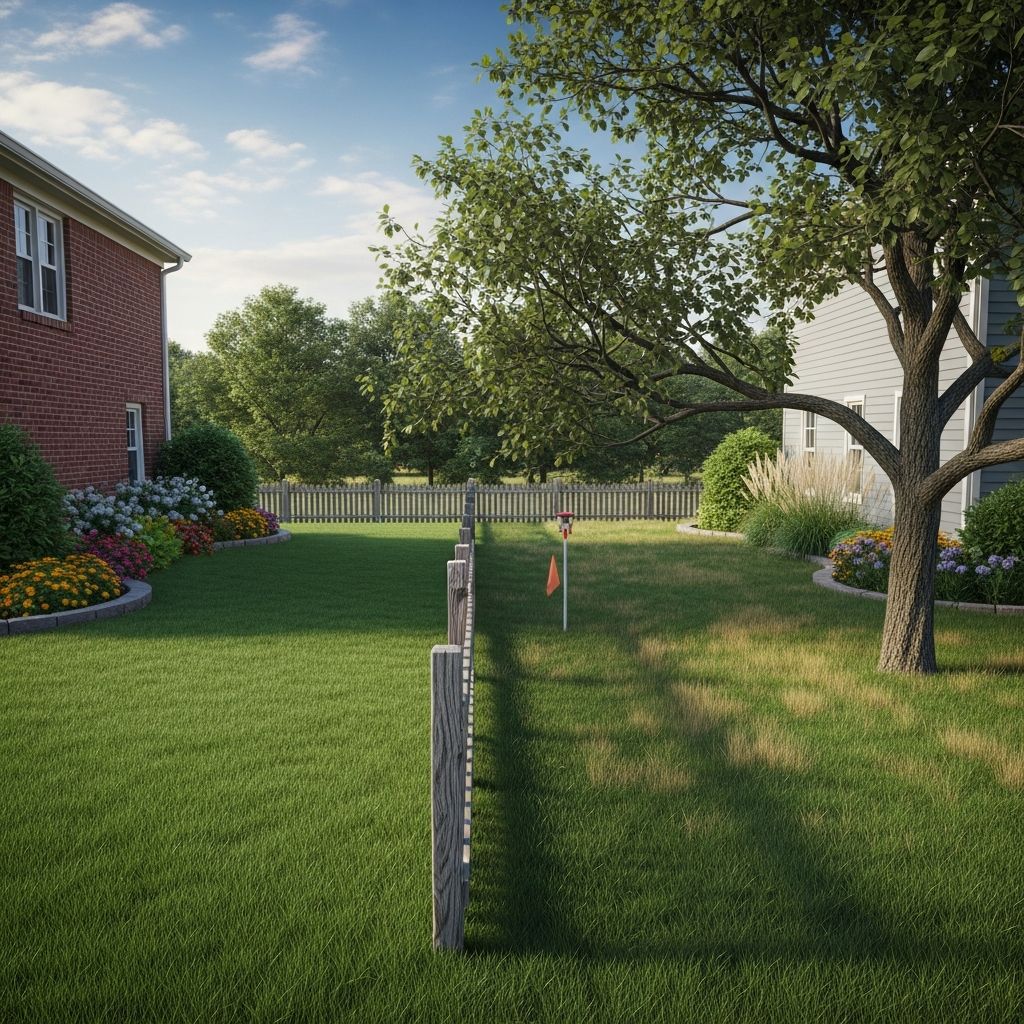
Property ownership in Maryland comes with responsibilities and rights, especially when neighboring lots are involved. Disputes over land boundaries, structures like fences, natural features such as trees, and even long-term land use can escalate quickly if not addressed properly. Understanding state-specific regulations helps homeowners prevent conflicts or resolve them efficiently without unnecessary litigation.
Defining Property Boundaries in Maryland
Accurate knowledge of your property lines is the foundation of avoiding neighbor conflicts. Maryland law requires survey markers to delineate boundaries clearly, as specified in the Real Property Code § 14-111. These markers, which may include iron pipes, rods, metal spikes, or drilled holes labeled ‘Property Marker,’ must be respected. Tampering with them incurs a substantial $2,500 fine, emphasizing their legal importance.
Despite these markers, discrepancies arise due to age, natural changes, or poor maintenance. Homeowners should review their deeds and consider commissioning a professional survey for clarity before projects like fencing or landscaping. Local county records often provide initial boundary data, but a licensed surveyor ensures precision.
- Steps to verify boundaries: Consult deed records at the county clerk’s office.
- Hire a licensed surveyor to locate and confirm markers.
- Compare findings with neighbors amicably to spot agreements or issues early.
Proactive boundary checks prevent encroachments, where structures or plantings cross lines unintentionally.
Handling Fence-Related Conflicts
Fences often spark disputes when they stray onto adjacent properties. Maryland lacks a statewide boundary fence statute, deferring to local ordinances in cities, counties, or towns for specifics on height, materials, and placement. Many jurisdictions mandate setbacks from true property lines to avoid disputes.
If a neighbor’s fence encroaches, document the issue with photos and a survey. Initial resolution attempts should be neighborly, proposing relocation or shared costs. Failure to act risks adverse possession claims after prolonged inaction.
| Issue | Maryland Local Rule Example | Recommended Action |
|---|---|---|
| Encroaching Fence | Setback 6-12 inches from line (varies by county) | Survey + written notice |
| Disputed Ownership | No state fence law; local codes apply | Negotiate or court injunction |
| Maintenance | Shared if boundary; owner if internal | Agreement in writing |
Courts view fences as potential evidence in possession claims but not definitive if placed by the record owner for their purposes.
Tree Disputes and Liability Rules
Trees straddling property lines or overhanging branches frequently cause tension. Maryland follows common law: healthy trees on a neighbor’s land belong to them, but encroaching roots or limbs allow trimming up to the boundary line without permission, provided no substantial harm results.
Damage to a tree entitles the owner to actual compensation, typically replacement cost. Deliberate destruction may invoke additional remedies under Md. Code Ann. [Cts. & Jud. Proc.] § 5-403, though not as punitive multiples seen elsewhere. Falling debris from a hazardous tree shifts liability to the owner who knew or should have known of the risk.
- Encroaching branches: Trim at your expense to the line.
- Diseased trees: Notify neighbor in writing of hazards.
- Storm damage: No liability if unforeseeable.
Courts prioritize evidence like photos, expert arborist reports, and prior complaints in tree cases.
Adverse Possession: Losing Land by Inaction
One of Maryland’s most critical doctrines, adverse possession allows non-owners to claim land after 20 years of continuous, open, notorious, exclusive, hostile, and actual use under claim of right or color of title. Codified in Real Property § 14-108 (affirmative) and Courts & Judicial Proceedings § 5-103 (defensive), it bars lawsuits after the period.
Fence lines often trigger these claims; a longstanding fence may support a ‘quiet title’ action. Possession must be uninterrupted—paying taxes strengthens claims. Defensively, owners lose ejectment rights post-20 years.
Key Elements Table:
| Element | Description | Example in Fence Dispute |
|---|---|---|
| Actual | Physical use/control | Mowing, fencing disputed strip |
| Notorious | Open/visible | Visible barrier known to owner |
| Exclusive | No sharing with true owner | Sole maintenance |
| Hostile | Without permission | Using despite protests ignored |
| Continuous 20 Years | Unbroken period | Steady possession over decades |
Early intervention via surveys or notices halts the clock.
Practical Steps for Dispute Resolution
Most conflicts resolve outside court through communication. Maryland People’s Law Library advises:
- Document everything: Photos, dates, communications.
- Talk first: Approach calmly, propose solutions like joint surveys.
- Write formally: Certified letters outlining issues and demands.
- Mediate: Use community mediation for neutral facilitation.
- Easements: Grant limited use rights for unused land, preventing possession claims.
Selling the strip or negotiating buyouts offers permanent fixes. Courts intervene via injunctions for removals or quiet title suits.
When to Involve Courts and Legal Help
Circuit courts handle boundary rulings under Real Property Code § 14-111. File for injunctions against encroachments or ejectment pre-20 years. Quiet title actions affirm possession claims.
Attorneys specialize in these via surveys, title searches, and litigation. Costs vary, but prevention saves expenses. Pro se options exist for simple injunctions per Md. Rules Title 15, Chapter 500.
Frequently Asked Questions (FAQs)
Can I remove my neighbor’s fence on my land?
Not without notice and court order; risk adverse possession or damage suits. Survey first, then seek injunction.
What if a tree from next door damages my property?
Sue for negligence if hazard known; otherwise, no liability for acts of nature.
How do I stop adverse possession?
Act within 20 years: send notice, file lis pendens, or eject.
Are there statewide fence height limits?
No; check local codes for residential restrictions.
Can I grant an easement verbally?
Best in writing and recorded to bind successors.
Preventive Strategies for Property Owners
Annual boundary walks, title insurance reviews, and neighbor agreements foster harmony. Local zoning boards offer free advice on ordinances. In farming areas, right-to-farm laws shield agricultural nuisances.
By staying informed on Maryland’s Real Property and Courts codes, owners protect investments proactively. Disputes, while common, yield to knowledge and dialogue more often than dockets.
References
- Understand Maryland Property Lines To Avoid Neighbor Disputes — Maryland Reporter. 2025-05-02. https://marylandreporter.com/2025/05/02/understand-maryland-property-lines-to-avoid-neighbor-disputes/
- Maryland Laws on Property Disputes Between Neighbors — Nolo. Accessed 2026. https://www.nolo.com/legal-encyclopedia/maryland-laws-neighbor-property-disputes-65235.html
- Maryland Fence Laws & Adverse Possession Attorney — LVG Law Firm. Accessed 2026. https://www.lvglawfirm.com/fence-laws-and-adverse-possession-in-maryland/
- How to Resolve Property Line Disputes in Maryland — Lusk Law, LLC. Accessed 2026. https://lusk-law.com/how-to-resolve-property-line-disputes-in-maryland/
- Problems with Neighbors FAQ — Maryland People’s Law Library. Accessed 2026. https://www.peoples-law.org/problems-neighbors-faq
Similar Articles








Read full bio of Sneha Tete


