
Maryland Home Funeral Laws and Family-Led Death Care
Complete guide to family-directed funerals and end-of-life care options in Maryland.
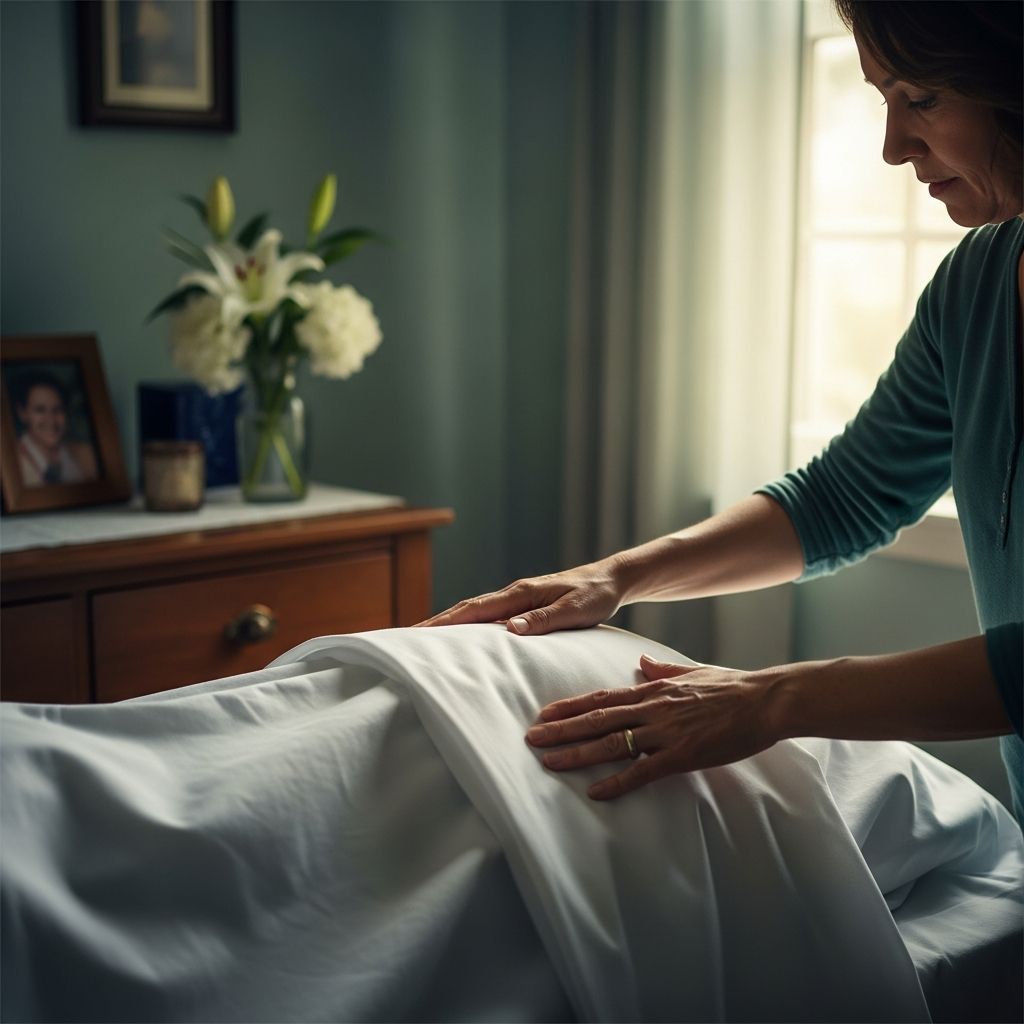
Understanding Maryland’s Family-Centered Approach to End-of-Life Care
Maryland stands apart from many states by granting families substantial autonomy in managing the death care process. Rather than requiring the involvement of licensed funeral directors or funeral establishments, Maryland law permits families to take an active role in after-death care, from sheltering and preparing the deceased to coordinating final disposition. This legal framework reflects a shift toward more personalized and culturally meaningful funeral practices that many families find both emotionally fulfilling and financially practical. Understanding the specific regulations governing home-directed funerals is essential for families considering this option, as it allows them to honor their loved ones according to personal values while remaining compliant with state requirements.
The Legal Foundation for Home-Directed Funerals in Maryland
Maryland law does not mandate the use of funeral homes or licensed funeral directors for managing after-death care and arrangements. This legislative distinction creates a unique environment where families have the freedom to assume responsibility for various aspects of the funeral process. However, this freedom comes with corresponding legal obligations that families must understand and fulfill to ensure that their home funeral arrangements are conducted lawfully and with proper respect for public health and safety standards.
The foundation of Maryland’s home funeral statute rests on the principle that family members or designated agents possess the authority to make decisions regarding the disposition and care of the deceased. This authority extends across multiple stages of the process, including initial care of the body, arrangement of viewing or visitation, coordination of burial or cremation services, and management of all associated paperwork and permits. By vesting this authority in families rather than exclusively in licensed professionals, Maryland recognizes the diverse ways in which communities and families approach death and mourning.
Essential Responsibilities Families Must Fulfill
Although families are permitted to manage funeral arrangements without professional assistance, they remain responsible for completing several critical administrative and legal tasks. These obligations ensure that proper documentation exists, that public health regulations are observed, and that the final disposition of the deceased occurs in accordance with state and local requirements.
Death Certificate Filing and Registration
One of the most important responsibilities families assume when conducting a home funeral is the timely filing of the death certificate. The death certificate serves as the official legal record of death and is required for numerous subsequent processes, including estate settlement, insurance claims, and final disposition authorization. Families must ensure that the attending physician or medical examiner completes the death certificate and that it is properly filed with the appropriate vital records office. Failure to complete this step can delay cremation or burial and create complications for surviving family members attempting to access the deceased’s assets or benefits.
Obtaining Required Permits
Depending on whether the family plans to pursue burial or cremation, specific permits must be obtained from local authorities. A burial transit permit is typically required when a body is transported for burial purposes, while cremation authorization involves a distinct permit process. These permits serve as verification that the death has been properly reported and that there are no legal impediments to the final disposition. Families managing home funerals must take responsibility for identifying which permits are necessary in their specific jurisdiction and for submitting the appropriate applications with required documentation.
Coordinating Final Disposition
Families must also actively coordinate the logistical arrangements for either burial or cremation. This may involve selecting a cemetery or crematory, arranging for body transport if necessary, and ensuring that all required documentation accompanies the deceased during these processes. Unlike traditional funeral home arrangements where these logistics are typically handled by funeral professionals, families conducting home funerals must navigate these practical requirements themselves or work with limited professional support.
Embalming Requirements and Alternatives in Maryland
A significant aspect of Maryland’s family-friendly approach to death care involves the absence of mandatory embalming requirements. Maryland law does not compel families to have the deceased embalmed, providing substantial flexibility in how bodies are preserved and cared for during the period between death and final disposition.
However, families should be aware that some funeral homes have adopted internal policies requiring embalming when an open-casket visitation or formal service is planned. These policies differ from legal requirements and reflect individual funeral home procedures. Families conducting home funerals independently are not subject to these policies and may make preservation decisions based solely on their preferences, cultural practices, and practical considerations.
Body Preservation Options
When embalming is not selected, families have alternative methods for preserving the body during the period before final disposition:
- Refrigeration: Professional refrigeration services can maintain the body in suitable condition and are often arranged through crematory or burial facilities
- Natural preservation: For very short periods, particularly in cooler weather or with family members present continuously, bodies can be kept at home without artificial preservation
- Dry ice: Some families use dry ice as an affordable preservation method, though this requires knowledge of safe handling procedures
Cremation Regulations and Legal Requirements
Cremation represents a popular final disposition choice in Maryland, and families considering this option must understand the specific legal framework governing the process. Maryland law establishes particular requirements designed to ensure proper identification, prevent unauthorized cremations, and allow for necessary administrative procedures.
The 24-Hour Waiting Period
Maryland law mandates a 24-hour waiting period before cremation can be performed. This period begins after the death certificate is filed and allows time for administrative review, family consideration, and verification that proper authorization has been obtained. The waiting period serves as a safeguard against hasty decisions and ensures that appropriate procedures have been followed. Families must plan their timeline accordingly, understanding that cremation cannot occur immediately after death regardless of other circumstances.
Identification Requirements
Before cremation proceeds, the deceased must be identified by the next of kin, an authorized agent, or the medical examiner. This identification process confirms that the correct body is being cremated and prevents administrative errors. Families should be prepared to participate in this formal identification step, which typically occurs at the facility where the body is being held.
Authorization and Consent
Legal authorization for cremation must be obtained before the process can begin. Typically, the closest next of kin holds the authority to sign the cremation authorization form. When multiple individuals share equal kinship status, all may be required to provide consent, or one individual may sign with legal documentation establishing their authority to make this decision on behalf of the family. Understanding the hierarchy of decision-making authority is important for families anticipating potential disagreements about disposition choices.
Container Requirements for Cremation
Maryland law does not require a traditional casket for cremation. Instead, the deceased must be placed in a rigid, combustible container that can be incinerated along with the body. This requirement significantly reduces cremation costs for families, as they need not purchase a casket. Many crematory facilities provide basic containers, or families may arrange for alternative containers from third-party providers, further reducing expenses associated with cremation.
Burial Options and Considerations
For families selecting burial as the final disposition, Maryland law permits considerable flexibility regarding location and arrangements. Unlike some states that restrict burial to licensed cemeteries, Maryland allows burial in established cemetery grounds or on private property, subject to specific regulations and local considerations.
Private Property Burial
Maryland permits the burial of deceased persons on privately owned land, offering families the opportunity to create or maintain family burial grounds. However, this option requires careful attention to local zoning regulations, health department requirements, and property deed restrictions that might limit this use. Families considering private property burial should consult with local authorities to understand specific requirements in their jurisdiction and ensure that proposed burial locations comply with all applicable regulations.
Cemetery Burial Policies
For families selecting established cemetery burial, it is important to note that while Maryland law does not mandate the use of traditional caskets, individual cemeteries may impose their own policies regarding acceptable burial containers. Some cemeteries accept alternative containers or simple wooden caskets, while others may have more restrictive requirements. Families should contact their selected cemetery in advance to understand specific container requirements and ensure that their burial plans comply with cemetery policies.
Financial Considerations and Cost Management
One practical benefit of conducting home funerals is the potential for significant cost savings. By managing arrangements without professional funeral home services, families can reduce or eliminate many expenses associated with traditional funeral arrangements. However, families should budget for necessary services such as body transportation, refrigeration if needed, cemetery or crematory fees, and any professional services they choose to retain.
Support Resources for Families
Families considering home-directed funerals need not proceed entirely alone. Several organizations and resources exist to provide guidance, education, and practical support throughout the process. “Natural death care” organizations and home funeral alliances offer information about legal requirements, best practices for body care, and emotional support during what is often a challenging time. These organizations can help demystify the process and connect families with experienced guidance while allowing them to maintain control over funeral decisions.
The Role of Documentation and Legal Compliance
While Maryland law grants families substantial autonomy in managing funeral arrangements, strict adherence to documentation requirements remains essential. All required permits, death certificates, and authorization forms must be completed accurately and submitted to appropriate authorities within required timeframes. Incomplete or incorrect documentation can delay final disposition, create legal complications, and prevent families from accessing benefits or settling estates. Families should carefully track all paperwork and maintain copies of all submitted documents for their records.
Practical Tips for Planning a Home Funeral
- Begin planning immediately after death, as administrative deadlines for permits and death certificate filing are time-sensitive
- Consult with your local health department about specific requirements in your jurisdiction
- Contact your selected cemetery or crematory early to understand their specific requirements and fees
- Reach out to home funeral support organizations for practical guidance and emotional support
- Maintain detailed records of all communications, permits, and payments related to the funeral arrangement
- If the death involves unusual circumstances, coordinate with the medical examiner’s office regarding any required procedures
- Consider whether you need professional assistance for body transportation or refrigeration and arrange these services in advance
Frequently Asked Questions About Home Funerals in Maryland
Q: Do we need to hire a funeral director to conduct a home funeral in Maryland?
A: No. Maryland law does not require the use of a licensed funeral director for home-directed funerals. Families have the legal right to manage after-death care and arrangements independently, though they remain responsible for fulfilling specific legal obligations such as filing death certificates and obtaining required permits.
Q: Is embalming required in Maryland?
A: No. Maryland law does not mandate embalming. Families may choose alternative preservation methods or natural preservation depending on their timeline and preferences. Some funeral homes have policies requiring embalming for open-casket services, but these apply only if you use their services.
Q: How long must we wait before cremation can occur?
A: Maryland law requires a 24-hour waiting period after death before cremation can be performed. This allows time for necessary administrative procedures and family consideration.
Q: Can we bury someone on our private property in Maryland?
A: Maryland law permits burial on private property, but families must comply with local zoning regulations, health department requirements, and any restrictions in their property deed. Consultation with local authorities is essential before proceeding.
Q: What happens if we do not have a casket for burial?
A: While Maryland law does not require caskets for cremation, individual cemeteries may have policies regarding burial containers. Contact your selected cemetery to understand their specific requirements before finalizing burial plans.
Q: What paperwork is required for a home funeral?
A: Essential paperwork includes the death certificate, burial transit permit, and cremation authorization (if applicable). Families are responsible for ensuring these documents are completed accurately and submitted to appropriate authorities within required timeframes.
Q: Can multiple family members share decision-making authority?
A: Yes. When multiple individuals have equal kinship status, all may be required to provide consent for major decisions such as cremation authorization. Alternatively, one family member may be designated to sign with legal documentation establishing their authority.
Q: Where can we find support for planning a home funeral?
A: Several organizations provide resources and support for families conducting home funerals, including natural death care organizations and home funeral alliances. These groups offer practical guidance, educational materials, and emotional support throughout the process.
Conclusion: Empowering Families Through Legal Flexibility
Maryland’s legal framework for home-directed funerals reflects a progressive approach to death care that empowers families to make meaningful decisions aligned with their values, cultural practices, and financial circumstances. By permitting families to conduct funeral arrangements without mandatory professional involvement, Maryland recognizes the importance of personal agency and family-centered rituals in the mourning process. While this freedom requires families to fulfill specific legal responsibilities, the opportunity to care for deceased loved ones in a manner consistent with personal or cultural traditions provides a valuable alternative to standardized funeral home services. Families considering home funerals should thoroughly understand their legal obligations, access available support resources, and plan carefully to ensure compliance with all requirements while creating a meaningful farewell for their loved one.
References
- Arranging a Funeral or Cremation Service in Maryland — US Funerals. 2024. https://www.us-funerals.com/funeral-guide/funeral-plan-maryland/
- Conducting a Home Funeral: Don’t Require a Licensed Funeral Director or Law Degree — Maryland Funeral Resources & Education. 2024. https://www.marylandfuneral.org/learn-the-law.html
- Funeral Home: Family-Led After-Death Care in Maryland — Estate Matters of Maryland. 2024. https://www.estatemattersofmaryland.com/post/funeral-home
- The Legal Aspects of Cremations: What You Need to Know — Harip Close Funerals. 2024. https://www.haripclosefunerals.com/the-legal-aspects-of-cremations-what-you-need-to-know
- Home Funerals: Legal State Requirements — National Home Funeral Alliance. 2024. https://www.homefuneralalliance.org/state-laws.html
Similar Articles








Read full bio of Sneha Tete


