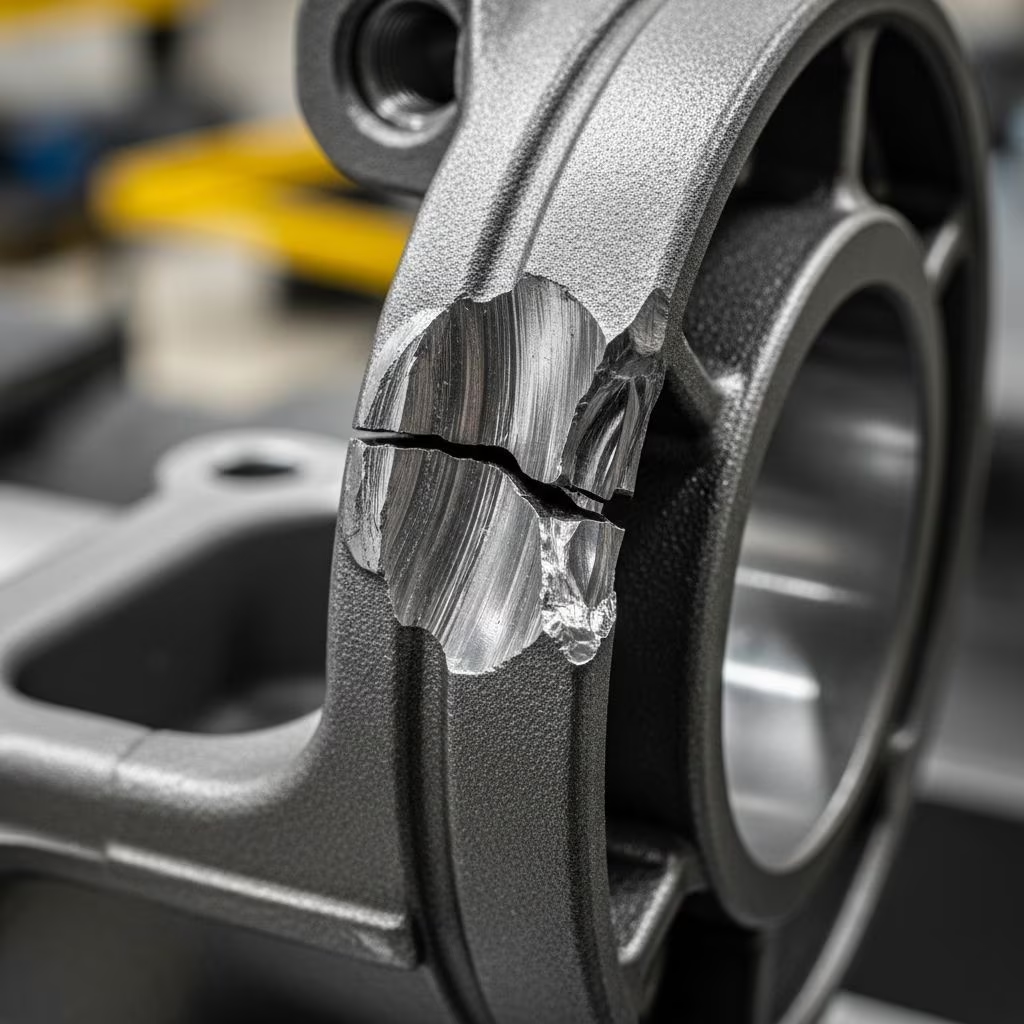
Understanding Manufacturing Defects and Consumer Protection
When consumers purchase products, they expect them to be safe and functional. However, errors that occur during the production process can transform an otherwise safe product design into a dangerous item that poses risks to users. Manufacturing defects represent one of the three primary categories of product liability claims, alongside design defects and marketing defects. Understanding the nature of manufacturing defects, how they arise, and the legal framework surrounding them is essential for both consumers seeking compensation and manufacturers striving to maintain product safety standards.
Manufacturing defects occur when mistakes during the production or assembly phase cause a product to deviate from its intended specifications, rendering it unsafe despite being designed correctly. Unlike design defects, which affect every unit produced because the blueprint itself is flawed, manufacturing defects typically impact only specific items or batches. This distinction carries significant legal importance, as it affects how plaintiffs approach their claims and what evidence they must present to prove liability.
The Distinction Between Manufacturing Errors and Design Flaws
The critical difference between manufacturing defects and design defects lies in where the problem originates. A design defect means the product’s blueprint itself is inherently unsafe, making every unit produced according to that design dangerous. A manufacturing defect, by contrast, occurs when production errors transform an otherwise safe design into a hazardous product.
Consider the example of a vehicle brake system. If the design itself has faulty specifications that create increased accident risk regardless of how it is manufactured, this constitutes a design defect. However, if the brake system is properly designed but a factory worker fails to install the brake components correctly during assembly, resulting in brake failure, this represents a manufacturing defect. This distinction matters significantly in litigation because it determines which party bears responsibility and what evidence must be presented.
Manufacturing defects also differ from marketing defects, which involve inadequate warnings, instructions, or labeling. A product might be manufactured perfectly according to specifications but fail to include necessary safety warnings, which would constitute a marketing defect rather than a manufacturing defect.
Common Sources of Manufacturing Defects
Manufacturing defects arise from various errors and oversights throughout the production process. Understanding these sources helps manufacturers implement preventive measures and assists consumers in identifying when a product may be defective.
Quality Control Failures
Inadequate quality control represents one of the most significant sources of manufacturing defects. When manufacturers fail to implement rigorous inspection procedures at various stages of production, defective products can slip through undetected. Quality control encompasses testing components before assembly, inspecting finished products, and verifying that all items meet established safety standards. A lapse in these procedures allows dangerous products to reach consumer hands without detection.
Substandard Materials and Components
Manufacturing defects can result from the use of inferior or inappropriate materials during production. This might include sourcing components that do not meet specifications, using expired materials, or selecting materials unsuitable for the product’s intended purpose. Even when assembly procedures are executed correctly, substandard materials compromise product safety and functionality.
Assembly and Installation Errors
Mistakes during the assembly process frequently create manufacturing defects. These errors might involve incorrect installation of components, misalignment of parts, failure to tighten fasteners properly, or omission of critical components entirely. For example, a bicycle with improperly installed brakes or a household appliance with loose electrical connections poses immediate safety risks to users despite the underlying design being sound.
Equipment Malfunction and Process Deviations
Manufacturing equipment that malfunctions or becomes damaged can introduce defects into products. A damaged mold used in plastic production, for instance, creates irregularities that compromise product safety. Similarly, deviations from established manufacturing procedures, whether intentional to save time or money or unintentional due to worker error, can result in products that do not conform to specifications.
Post-Manufacturing Handling and Storage Issues
Even products manufactured correctly can become defective through improper handling or storage after production. Sensitive electronic components exposed to excessive heat, moisture, or physical damage during warehousing or transportation may malfunction when consumers use them, creating hazardous situations despite proper manufacturing.
Establishing Liability for Manufacturing Defects
Successfully pursuing a product liability claim based on manufacturing defects requires plaintiffs to establish specific elements through compelling evidence. The legal burden involves demonstrating not only that a defect exists but also that it directly caused injury or harm.
Proving the Existence of the Defect
The first step in any manufacturing defect claim involves documenting and preserving evidence of the actual defect. This includes collecting the defective product itself, photographs showing the problem, expert analysis of the defect, and documentation of how the product failed. Detailed records of when the product was purchased, how it was used, and what went wrong are essential for establishing that a manufacturing error occurred rather than misuse by the consumer.
Demonstrating Deviation from Specifications
Plaintiffs must prove that the product deviated from the manufacturer’s intended design and specifications. This requires comparing the defective product with properly manufactured examples, examining manufacturing documentation, and potentially obtaining expert testimony regarding how the product should have been made. Technical specifications, quality control records, and manufacturing blueprints become crucial evidence in this phase.
Establishing Causation
Proving that the manufacturing defect directly caused the injury or harm represents a critical requirement. Plaintiffs must show a clear causal link between the specific defect and the damage suffered. This might involve expert testimony from engineers or scientists who can demonstrate how the defect created the dangerous condition that led to injury.
Investigating Manufacturing Processes
Thorough investigation of how the product was manufactured provides essential evidence. This includes examining the facility where production occurred, reviewing quality control procedures that should have been followed, identifying any deviations from standard practices, and determining where in the manufacturing process the error occurred. Comparing the manufacturer’s actual practices against industry standards and regulations reveals whether the manufacturer failed to meet established safety benchmarks.
Legal Standards and Strict Liability
Product liability law typically applies strict liability to manufacturing defects, meaning manufacturers can be held responsible regardless of whether they were negligent or exercised reasonable care. Under this standard, if a product is defective and causes injury, the manufacturer is liable even if they implemented quality control procedures and attempted to prevent the defect.
This approach reflects public policy favoring consumer protection. Manufacturers, as the parties best positioned to prevent defects and bear the financial burden of injuries they cause, bear responsibility for defects in their products. Consumers do not need to prove negligence; they need only demonstrate that a manufacturing defect exists and caused harm.
However, manufacturers are not insurers against all risks. If a product performs as designed and intended, and injury results from misuse by the consumer, the manufacturer is generally not liable. The defect must be present in the product as designed, not introduced by consumer behavior.
Types of Damages Available to Injured Consumers
Successful manufacturing defect claims entitle plaintiffs to various forms of damages intended to compensate for losses and suffering experienced.
Compensatory Damages
Compensatory damages reimburse plaintiffs for actual economic losses resulting from the defect. Medical expenses for treating injuries, lost wages from time unable to work, and costs for repairing or replacing the defective product fall into this category. Non-economic damages also constitute compensation, including pain and suffering, emotional distress, loss of enjoyment of life, and permanent disability or disfigurement.
Punitive Damages
In cases where manufacturers acted with particular recklessness or disregard for consumer safety, courts may award punitive damages designed to punish the manufacturer and deter similar conduct in the future. These damages exceed actual losses and serve a broader societal interest in encouraging manufacturers to prioritize safety.
Statutory Damages
Some jurisdictions impose statutory damages for specific types of defective products or injuries, providing predetermined compensation amounts regardless of actual losses incurred.
Manufacturer Responsibilities and Industry Standards
Manufacturers bear significant responsibility for ensuring their products reach consumers safely. This obligation extends beyond simply following their own internal procedures; it requires adherence to industry standards established by regulatory bodies and professional organizations.
Industry standards outline best practices for manufacturing, quality control, safety testing, and product handling. When manufacturers fail to comply with these standards, they demonstrate negligence that strengthens product liability claims. Regulatory compliance is not optional but essential for protecting both consumers and the manufacturer’s legal standing.
Manufacturers must implement comprehensive quality assurance programs that include ingredient and component verification, assembly inspection at multiple stages, final product testing, and documentation of all quality control measures. These programs should be regularly audited and updated to reflect new safety information and technological improvements.
The Role of Product Liability Law in Consumer Protection
Product liability law serves a fundamental protective function in the marketplace. Without these legal protections, consumers would lack recourse when injured by defective products, and manufacturers would have minimal incentive to invest in safety measures. The legal framework creates accountability that drives manufacturers to implement rigorous quality control, use appropriate materials, train workers properly, and maintain safe manufacturing facilities.
Product liability litigation also generates valuable information about product safety issues. When defects injure consumers and result in claims, the evidence uncovered can reveal systemic problems that affect other products or other consumers. This information flow encourages manufacturers to recall defective products and implement corrective measures before additional injuries occur.
Common Questions About Manufacturing Defects
Q: How does a manufacturing defect differ from a design defect?
A: A manufacturing defect occurs when production errors cause a specific product or batch to deviate from safe design specifications, while a design defect means the blueprint itself is inherently unsafe, affecting all units produced. Design defects require proving an alternative safer design existed; manufacturing defects require proving production errors occurred.
Q: What must I prove to win a manufacturing defect claim?
A: You must prove that the product deviated from intended design specifications due to a manufacturing error, that the defect created a dangerous condition, and that the defect directly caused your injury or harm. Documentation of the defect, expert analysis, and evidence of causation are essential.
Q: Can manufacturers be held liable if they used reasonable care in manufacturing?
A: Yes. Manufacturing defect claims typically operate under strict liability, meaning manufacturers are responsible for defects regardless of how much care they exercised, as long as the product was defective and caused injury.
Q: What types of compensation can I receive for injuries from a defective product?
A: Compensation may include medical expenses, lost wages, pain and suffering, disability damages, and in cases of gross negligence, punitive damages designed to punish the manufacturer and deter future misconduct.
Q: Are retailers and distributors liable for manufacturing defects they did not create?
A: Yes. Product liability extends throughout the chain of commerce, so retailers and distributors can be held liable for defective products they sell, even though they did not manufacture them, though the manufacturer typically bears primary responsibility.
Q: How long do I have to file a manufacturing defect claim?
A: Statutes of limitations vary by jurisdiction, typically ranging from two to five years from the date of injury. Some jurisdictions recognize a discovery rule that begins the clock when the defect is discovered rather than when injury occurs.
References
- Design vs. Manufacturing Defects in Product Liability Cases — R&B Law LLP. 2024-11. https://www.randbllp.com/blog/2024/november/design-vs-manufacturing-defects-understanding-th/
- Product Liability: Manufacturing Defect — Breit Biniazan. https://www.bbtrial.com/practice-areas/product-liability/manufacturing-defect/
- Manufacturing Defects Product Liability — Nix Patterson, LLP. https://nixlaw.com/practice-areas/product-liability-lawyers/types/manufacturing-defects/
- Navigating Product Liability Claims: A Comprehensive Tutorial — Finch McCranie. https://www.finchmccranie.com/blog/navigating-product-liability-claims-a-comprehensive-tutorial/
- Introduction to Product Liability Law — The Hanover Insurance Group. https://www.hanover.com/businesses/business-customer-resources/hanover-risk-solutions/introduction-product-liability-law