
Managing Robocalls: Your Complete Action Plan
Learn practical strategies to identify, document, and combat unwanted robocalls effectively.
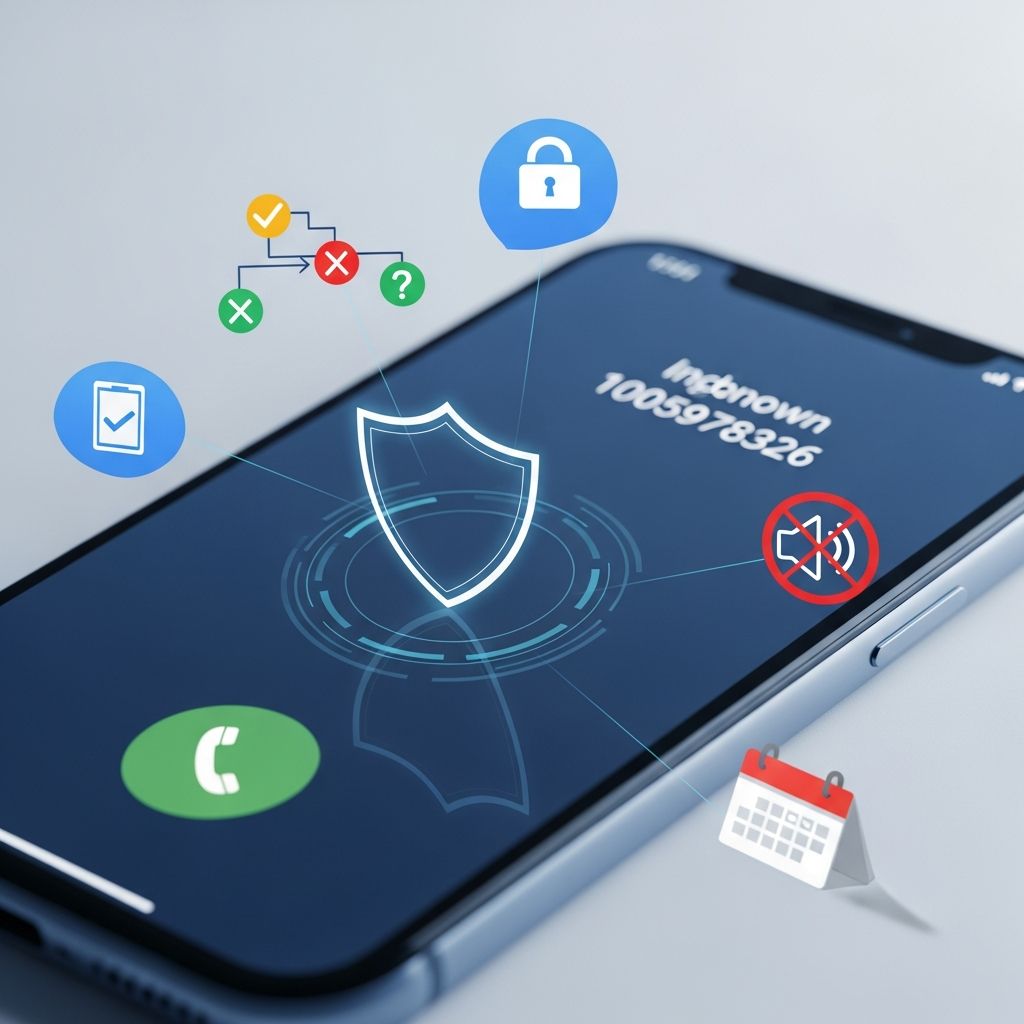
Unwanted robocalls have become a persistent nuisance for millions of phone users worldwide. These automated calls, often delivering prerecorded messages or connecting callers to live operators, interrupt daily routines and pose significant risks to personal security and financial safety. Understanding how to respond when you receive a robocall is essential for protecting yourself and contributing to broader efforts to combat this growing problem.
Understanding Robocalls and Their Characteristics
Robocalls represent a specific category of unwanted telephone communication that uses automated technology to deliver messages to multiple recipients simultaneously. These calls can originate from telemarketers, debt collectors, political organizations, or scammers operating from anywhere in the world. The technology behind robocalls allows perpetrators to mask their true identity through caller ID spoofing, making it difficult to determine the legitimate source of the call.
The Federal Communications Commission (FCC) has documented that consumers receive billions of robocalls monthly, with many falling into illegal categories that violate consumer protection laws. Unlike traditional telemarketing calls from identifiable businesses, illegal robocalls often attempt to extract personal information, financial details, or payment from unsuspecting recipients.
Immediate Actions When Receiving a Robocall
Assess the Situation Quickly
When a robocall reaches your phone, your first instinct should be to evaluate what you’re hearing. Listen briefly to determine whether the caller is offering a service, making a threat, requesting information, or claiming you owe money. This initial assessment helps you decide whether to engage, disconnect, or take protective measures.
Avoid Engaging with the Caller
One of the most important rules is to avoid confirming your existence by speaking, pressing buttons, or providing any response that indicates your number is active. Scammers and illegitimate callers use engagement as confirmation that they’ve reached a working number, which may lead to more frequent calls in the future. Hanging up silently without interaction is often the safest approach.
Never Provide Personal Information
Under no circumstances should you share sensitive details such as your Social Security number, bank account information, credit card numbers, passwords, or other identifying data with an unknown caller. Legitimate organizations already have your information and would never request such details over an unsolicited call. Scammers specifically design robocalls to trick vulnerable people into divulging information that can be used for identity theft or fraud.
Documentation and Record-Keeping Strategies
Creating Detailed Call Records
Documenting each robocall you receive creates a valuable paper trail that can support complaints to authorities and help establish patterns of harassment. For each call, record the date and time it arrived, the phone number displayed on your caller ID (though this may be spoofed), the name of the organization or person claiming to call, the general content of the message, and your response to the caller. This information becomes essential evidence if you decide to pursue complaints or legal action.
Preserving Evidence of Scams
If a robocall involves a scam attempt or fraudulent claim, preserve any additional evidence. Screenshot caller ID information, save voicemail messages if the caller left one, and note any visual indicators that appeared on your phone screen. If the call involved a text message or email follow-up, save those communications as well. This comprehensive evidence package strengthens any complaint you file with consumer protection agencies.
Utilizing Technology-Based Blocking Solutions
Built-In Phone Features
Modern smartphones include native call-blocking capabilities designed to filter unwanted calls. On Apple devices, users can access the Settings application, navigate to the Phone section, and enable the “Silence Unknown Callers” feature, which routes calls from unrecognized numbers directly to voicemail while still preserving a record of missed calls. Android devices offer similar functionality through their Phone app settings, allowing users to enable spam detection and automatic call blocking.
For calls that do connect, most phones allow you to manually block specific numbers through the call details or recent calls log. After identifying a problematic number, selecting the block option ensures that future calls from that number are prevented from reaching you.
Third-Party Call Identification Applications
Specialized applications designed to identify and block unwanted calls provide additional layers of protection beyond native phone features. These applications maintain extensive databases of known spam numbers, scam operations, and dangerous callers. When an incoming call arrives, the app analyzes the number against these databases and alerts you to potential threats before you answer.
Popular options in this category include Truecaller, Robokiller, Hiya, and Nomorobo. These applications offer real-time call screening, allowing you to see whether an incoming number is flagged as spam before deciding whether to answer. Many users find that combining these apps with their phone’s native features creates a comprehensive defense against unwanted calls.
Carrier-Level Call Blocking Services
Major telecommunications providers including Verizon, AT&T, and T-Mobile offer call-blocking services that operate at the network level rather than on individual devices. These services examine incoming calls before they reach your phone and filter out those identified as spam, robocalls, or potentially fraudulent. Network-level blocking is particularly effective because it stops unwanted calls before they consume your phone’s resources or interrupt your day.
Accessing these services typically requires logging into your carrier’s online account portal or contacting customer service. Some carriers offer tiered options, with basic protection included in standard service and enhanced features available through paid subscriptions.
Registry and Legal Protection Options
National Do Not Call Registry Enrollment
The Federal Trade Commission (FTC) administers the National Do Not Call Registry, a free service that allows consumers to register their phone numbers to reduce telemarketing calls from legitimate businesses. While this registry does not stop illegal robocalls or scam operations, it does provide legal protection against most lawful telemarketing activity. Registering is simple and can be completed online through the FTC’s official registry website.
When legitimate telemarketers continue calling after your number appears on the registry, you have grounds to file complaints and potentially pursue legal action. Companies that violate do-not-call requirements can face significant penalties, providing some deterrent effect against aggressive marketing practices.
Company-Specific Do Not Call Lists
Beyond the national registry, many companies maintain internal do-not-call lists for customers who request to be removed from their calling lists. Under the Telephone Consumer Protection Act (TCPA), legitimate businesses are required to honor these requests. If a company continues calling after you’ve explicitly asked them to stop, document the request and subsequent calls, as this creates evidence of TCPA violations that could support legal claims for damages.
Reporting Mechanisms and Formal Complaints
Filing Complaints with the Federal Trade Commission
The FTC maintains a consumer complaint database where you can report robocalls, spam calls, and related fraud attempts. Filing a complaint is straightforward and helps federal authorities track emerging scam trends and identify patterns of illegal activity. When submitting a complaint, provide as much detail as possible, including the date and time of the call, the caller’s claimed identity, the purpose of the call, and any actions the caller requested you to take.
Reporting to the Federal Communications Commission
The FCC has jurisdiction over telecommunications providers and enforces rules against illegal robocalling. Complaints filed with the FCC contribute to enforcement actions against carriers that fail to implement adequate robocall mitigation measures. The FCC’s complaint process allows you to report specific numbers, patterns of calls, and details about the calls you received.
Law Enforcement Involvement
In cases where a robocall involved direct threats, extortion attempts, or advanced fraud schemes, filing a police report with your local law enforcement agency creates an official record. While local police may have limited tools to investigate interstate or international calling operations, the report contributes to larger investigations and helps law enforcement prioritize resources toward the most serious threats.
Prevention and Long-Term Strategies
Limiting Phone Number Exposure
Robocallers and scammers obtain phone numbers through various methods, including data breaches, public databases, social media profiles, and purchased lists from data brokers. To reduce your exposure, be cautious about sharing your number on websites, social media platforms, and public directories. When providing your number to businesses, ask how it will be used and whether it might be sold to third parties.
Recognizing Common Robocall Tactics
Scammers employ recognizable patterns in their robocalls, making it easier to identify and dismiss them quickly. Common tactics include creating artificial urgency (claiming your bank account is compromised and immediate action is required), impersonating government agencies or trusted companies, offering unrealistic prizes or rewards, and requesting immediate payment. Learning to recognize these patterns helps you avoid being manipulated by fraudulent calls.
Educating Family and Vulnerable Individuals
Elderly individuals and those unfamiliar with modern scamming techniques face higher risks of falling victim to robocall fraud. Taking time to educate family members about robocall dangers, the importance of never sharing personal information, and proper reporting procedures helps protect vulnerable people in your life. Teaching children and teenagers about these threats also builds awareness from an early age.
Regulatory Developments and Future Protection
The FCC continues to evolve its approach to robocall mitigation, implementing new technologies and requirements for telecommunications providers. Providers must now implement call authentication frameworks such as STIR/SHAKEN, which verify that caller ID information is legitimate and hasn’t been spoofed. The FCC also requires providers to maintain do-not-originate lists containing numbers that should never transmit calls, and to implement call blocking based on comprehensive, reasonable criteria.
As of December 15, 2025, enhanced FCC requirements mandate that providers implement stronger robocall mitigation strategies, block calls using reasonable do-not-originate lists, and use analytics-based blocking methods with proper notification protocols. These regulatory changes represent ongoing efforts to strengthen consumer protection at the network level.
Frequently Asked Questions
Q: What should I do if I accidentally answer a robocall?
A: If you answer a robocall, hang up immediately without providing any information or pressing any buttons. Do not confirm your number is active by engaging with the caller in any way. Then block the number on your phone and consider reporting it to the FTC.
Q: Can robocalls be completely eliminated?
A: While complete elimination isn’t currently possible, a combination of personal blocking strategies, carrier-level protection, regulatory enforcement, and consumer awareness significantly reduces the impact of robocalls. Continued technological innovation and regulatory evolution will improve protection over time.
Q: Is it safe to press a number to opt out of robocalls?
A: No. Pressing a number to opt out confirms to scammers that your number is active and monitored, often resulting in more calls. Instead, hang up silently and use blocking features or report the number to authorities.
Q: How can I report a robocall if I didn’t recognize the number?
A: Use the phone number displayed on your caller ID for your report, even if it’s spoofed. Include details about the message content, the organization claimed, and the time of the call. The FTC can track patterns even from spoofed numbers.
References
- How to Block Unwanted Calls — Federal Trade Commission (FTC). Updated 2025. https://consumer.ftc.gov/features/how-stop-unwanted-calls
- Advanced Methods To Target and Eliminate Unlawful Robocalls — Federal Communications Commission. March 24, 2025. https://www.federalregister.gov/documents/2025/03/24/2025-04811/advanced-methods-to-target-and-eliminate-unlawful-robocalls
- Strengthening the Fight Against Illegal Robocalls: FCC Sets December 15, 2025 Effective Date — Somos. 2025. https://www.somos.com/insights/strengthening-fight-against-illegal-robocalls-fcc-sets-december-15-2025-effective-date
- How to Block All Spam Calls: Simple 2025 Guide — Vitel Global. 2025. https://www.vitelglobal.com/blog/how-to-block-all-spam-calls/
- FCC’s Robocall Regulations Are Complex and Unrelenting: Voice Service Providers Need to Stay Ahead — Wiley Connect. January 2025. https://www.wileyconnect.com/fraud-and-scam-prevention-series-fccs-robocall-regulations-are-complex-and-unrelenting-voice-service-providers-need-to-stay-ahead
Similar Articles








Read full bio of Sneha Tete


