
Maine Liquor Liability: Serving Alcohol Responsibly
Navigate Maine's alcohol service laws: Understanding liability for bars, restaurants, and private hosts.
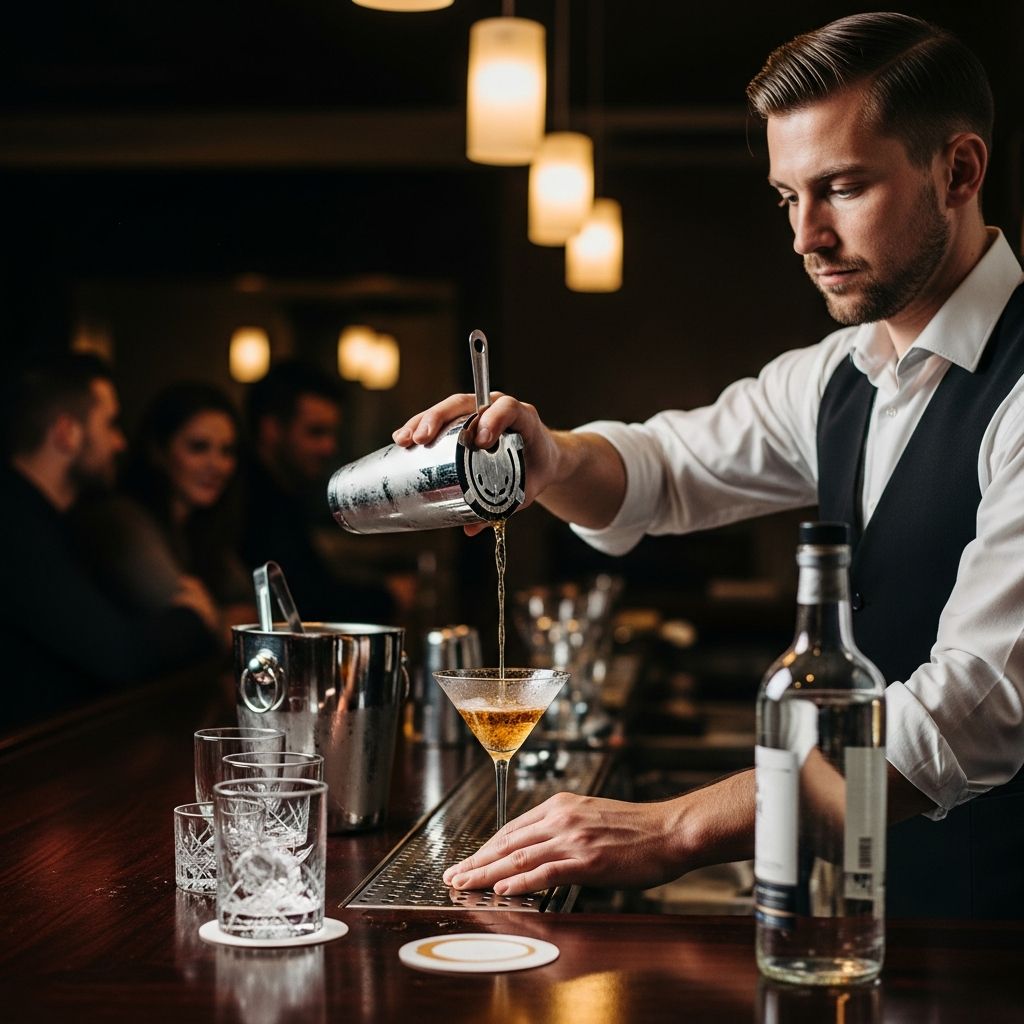
Navigating Maine’s Framework for Alcohol Service Accountability
When alcoholic beverages are served improperly, the consequences can extend far beyond the individual who consumed them. Maine’s legal system recognizes this reality through comprehensive statutes that establish accountability for those who serve alcohol. These laws exist to protect the public from harm caused by intoxicated individuals and to ensure that establishments and hosts exercise reasonable care when providing drinks to others. Understanding these regulations is essential for anyone involved in serving alcohol, whether professionally or socially.
Maine’s approach to liquor liability is codified primarily in the “Maine Liquor Liability Act,” which provides a detailed framework for determining when servers and hosts can be held financially responsible for injuries or damages caused by intoxicated patrons or guests. The statute distinguishes between different types of servers and different circumstances of service, creating a nuanced system that balances business interests with public safety.
The Foundation of State Liquor Accountability Systems
To understand Maine’s specific approach, it helps to recognize that most states have adopted some form of liquor liability legislation. These laws generally fall into two categories: those that target commercial establishments (known as dram shop laws) and those that address private individuals who serve alcohol (called social host liability statutes). The term “dram shop” itself has historical origins; centuries ago, bars were establishments where alcohol was sold by the dram, which was a small unit of measurement, typically less than what Americans know as a standard shot.
Dram shop legislation holds commercial entities responsible when they serve alcohol to customers who subsequently cause harm. In contrast, social host liability laws extend similar responsibilities to private individuals who serve alcohol at their homes or private events. Not all states embrace both approaches equally; Maine, for instance, applies stricter standards to commercial licensees than to social hosts in certain circumstances.
Commercial Establishments and Server Obligations
Under Maine law, businesses that hold liquor licenses—including bars, restaurants, and retail establishments—bear significant responsibility for how they serve alcohol. These licensees cannot legally distribute alcohol to certain categories of individuals, regardless of circumstances. Specifically, licensees must refuse service to minors, to individuals who are visibly intoxicated, to known habitual drunkards, to people with known intemperate habits, and to individuals with diagnosed mental illness who may be affected by alcohol.
The concept of “visible intoxication” forms a cornerstone of Maine’s liability framework. Rather than requiring establishments to determine the exact blood alcohol content of patrons, the law recognizes that trained servers can observe clear signs of intoxication. These signs might include slurred speech, unsteady gait, impaired judgment, or aggressive behavior. Once a person demonstrates visible signs of intoxication, licensees have a legal duty to refuse further service.
Maine law defines “service” broadly to encompass any provision of alcohol, whether through sale, gift, or any other means of furnishing liquor. This comprehensive definition ensures that the liability framework covers all scenarios in which alcohol changes hands, including promotional giveaways, complimentary drinks, and sales.
The Distinction Between Negligent and Reckless Conduct
Maine law recognizes two distinct levels of wrongful conduct regarding alcohol service. The first involves negligence, which is the failure to exercise reasonable care under the circumstances. The second involves recklessness, which represents a more serious breach involving conscious disregard for the risks one’s conduct creates.
The practical difference between these standards is significant. Negligence might occur when a bartender fails to notice that a patron has become intoxicated and continues serving drinks. Recklessness, by contrast, might involve deliberately serving alcohol to someone the server knows to be dangerously intoxicated, or pressuring an obviously impaired individual to consume additional drinks.
Maine law imposes liability on commercial licensees for both negligent and reckless service of alcohol to visibly intoxicated adults. This dual liability applies regardless of whether the server is the establishment’s owner, manager, or staff employee. Additionally, an establishment’s owner can face liability if the owner knew that illegal alcohol service was occurring on the premises and failed to prevent it.
Special Protections for Minors
Maine law treats the service of alcohol to minors with particular severity. Both commercial establishments and social hosts face liability for serving alcohol to anyone under the legal drinking age, whether the service was negligent or reckless. This stringent approach reflects society’s strong interest in protecting young people from alcohol’s harms.
The law does not permit establishments or hosts to claim they “didn’t know” a person was underage if reasonable verification would have revealed the person’s age. Servers are expected to check identification and verify age before serving, and failure to do so can result in liability for subsequent harm caused by the intoxicated minor. This expectation applies uniformly across all types of alcohol service.
Social Hosts and Private Service
One of Maine’s distinctive features is its more lenient treatment of social hosts compared to commercial licensees. A social host is a private individual who serves alcohol at a residence or private event, without holding a commercial liquor license. Maine recognizes an important exception to social host liability: private individuals are not legally responsible for negligently serving alcohol to intoxicated adults.
However, this exception is limited. Social hosts remain fully liable for recklessly serving intoxicated adults, just as commercial establishments are. Additionally, social hosts face the same liability as commercial licensees when serving minors. This means that a person hosting a party could face legal consequences if they knowingly or carelessly serve alcohol to a teenager who subsequently causes harm.
The rationale behind this distinction recognizes that social hosts are typically friends or family members without professional training, acting in informal settings. Yet the law still protects minors and holds even private individuals accountable for deliberately reckless conduct toward adults.
Establishing Liability: What Plaintiffs Must Prove
When someone is injured or harmed by an intoxicated person, they may pursue a claim against the establishment or host that served the alcohol. To succeed, plaintiffs must typically establish several key elements. First, they must show that the defendant served alcohol to a particular individual. Second, they must demonstrate that the person served was either visibly intoxicated or underage at the time of service. Third, they must prove that the intoxicated person’s conduct directly caused the plaintiff’s injury or damages. Finally, they must show that the service was either negligent or reckless, depending on the circumstances.
Courts in Maine recognize that violation of the state’s liquor control laws can itself establish negligence. This doctrine, known as “negligence per se,” means that if a server violated a specific liquor law—such as serving someone visibly intoxicated—that violation automatically constitutes negligence in a lawsuit, without the plaintiff needing to prove the server failed to exercise reasonable care in some other way.
Compensatory Damages Available to Injured Parties
When a plaintiff successfully proves liability in a dram shop or social host case, they become entitled to monetary compensation for their losses. Maine law recognizes two primary categories of damages:
Economic damages (sometimes called “special damages”) reimburse plaintiffs for measurable, out-of-pocket expenses resulting from their injury. These include medical bills, hospital charges, pharmacy costs, lost wages during recovery, costs of medical equipment or rehabilitation services, and similar quantifiable losses. Insurance payments made on behalf of the plaintiff also fall into this category.
Noneconomic damages (also called “general damages”) compensate for injuries that don’t involve direct financial costs but nonetheless represent genuine harm. These include pain and suffering, emotional distress, loss of enjoyment of life, disability, disfigurement, loss of consortium, and diminished quality of life resulting from permanent injuries.
Damage Limitations and Caps
Maine law imposes important limitations on the damages a plaintiff can recover in liquor liability cases. Under current Maine statutes, all damages except medical expenses are subject to a statutory cap. This means that while plaintiffs can recover the full amount of their medical bills without limit, other damages—including pain and suffering, lost wages, and noneconomic losses—are capped at a specified amount.
This damage cap represents a policy choice to limit the financial exposure of alcohol servers and establishments. The legislature determined that while responsible parties should compensate injured victims for medical expenses and economic losses, there should be a ceiling on additional damages to prevent unlimited liability that could make insurance unaffordable or drive businesses from the state.
Comparing Commercial and Private Service Liability
| Liability Factor | Commercial Licensees | Social Hosts |
|---|---|---|
| Liability for negligent service to intoxicated adults | Yes | No |
| Liability for reckless service to intoxicated adults | Yes | Yes |
| Liability for serving minors (negligent or reckless) | Yes | Yes |
| Must refuse service to visibly intoxicated persons | Yes | Not required by statute |
| Training and verification requirements | Legally mandated | Not legally mandated |
Practical Compliance for Alcohol Servers
For establishments and servers to minimize liability exposure, several practices prove essential. Staff members should receive training on recognizing signs of intoxication, understanding identification requirements, and properly declining service. Establishments should establish clear policies regarding when service must be refused and implement systems to track alcohol service to individual patrons.
Age verification is non-negotiable. Servers should consistently check identification for anyone who appears younger than approximately thirty years old. Accepting expired, altered, or fake identification creates liability for the establishment. Additionally, maintaining detailed records of incidents involving difficult customers or refusals to serve can protect establishments if disputes arise later.
Establishments should also maintain appropriate insurance coverage. Dram shop liability insurance protects businesses if they face claims arising from alcohol service. This insurance helps cover legal defense costs and compensatory damages within policy limits, making it a practical risk management tool.
Frequently Asked Questions
Q: If a person lies about their age using fake identification, can the establishment still face liability?
A: While using a fraudulent ID creates a defense for the server, Maine courts examine whether the server exercised reasonable care in checking identification. However, establishments that accept obviously fraudulent identification or fail to examine IDs carefully remain vulnerable to liability if the underage person causes harm.
Q: Can a homeowner face liability if guests at a party drink alcohol they brought themselves?
A: Maine law focuses on liability for service—providing alcohol to another person. If guests bring their own alcohol and the host doesn’t serve it to them, the host’s liability is limited. However, once a host knows underage individuals are consuming alcohol on the property, there may be a duty to intervene to prevent further service.
Q: What is the time limit for filing a dram shop claim in Maine?
A: Claims arising from alcohol service must comply with Maine’s statute of limitations. Generally, personal injury claims have a three-year limit from the date of injury. However, specifics depend on the nature of the claim and other circumstances, so consulting an attorney is advisable.
Q: Can an injured person sue both the intoxicated person who caused harm and the establishment that served them?
A: Yes, Maine law permits injured parties to pursue claims against both the individual who caused direct harm and any establishments or hosts who negligently or recklessly served the intoxicated person. Both defendants might be held jointly liable for damages.
Q: Does Maine law protect underage drinkers who are injured from suing the establishment that served them?
A: Yes, minors who are injured as a result of alcohol service to them or to others can pursue claims. Maine law protects minors’ right to recover damages, recognizing that they deserve protection given their legal status and developmental stage.
References
- Maine Liquor Liability Act – Title 28-A, Chapter 100 — Maine State Legislature. 2024. https://legislature.maine.gov/statutes/28-a/title28-Ach100sec0.html
- Understanding the Maine Liquor Liability Act — Maine Injury Lawyer Blog. https://www.maineinjurylawyerblog.com/understanding-the-maine-liquor-liability-act/
- Dram Shop Laws in Your State — Insureon. https://www.insureon.com/small-business-insurance/liquor-liability/dram-shop-laws
- The Dram Shop Act and Liquor Liability Law in Maine — Maine Legislature. https://lldc.mainelegislature.org/Open/Rpts/kf1293_5_z99m22_1986.pdf
- Dram Shop Laws — Wilson Kehoe Winingham Injury Lawyers. https://www.wkw.com/blog/dram-shop-laws/
Similar Articles








Read full bio of medha deb


