
Living in Your Car: Legal Rules Across America
Navigate the complex landscape of vehicle living laws, safe spots, and practical advice for nomads and those in need across the U.S.
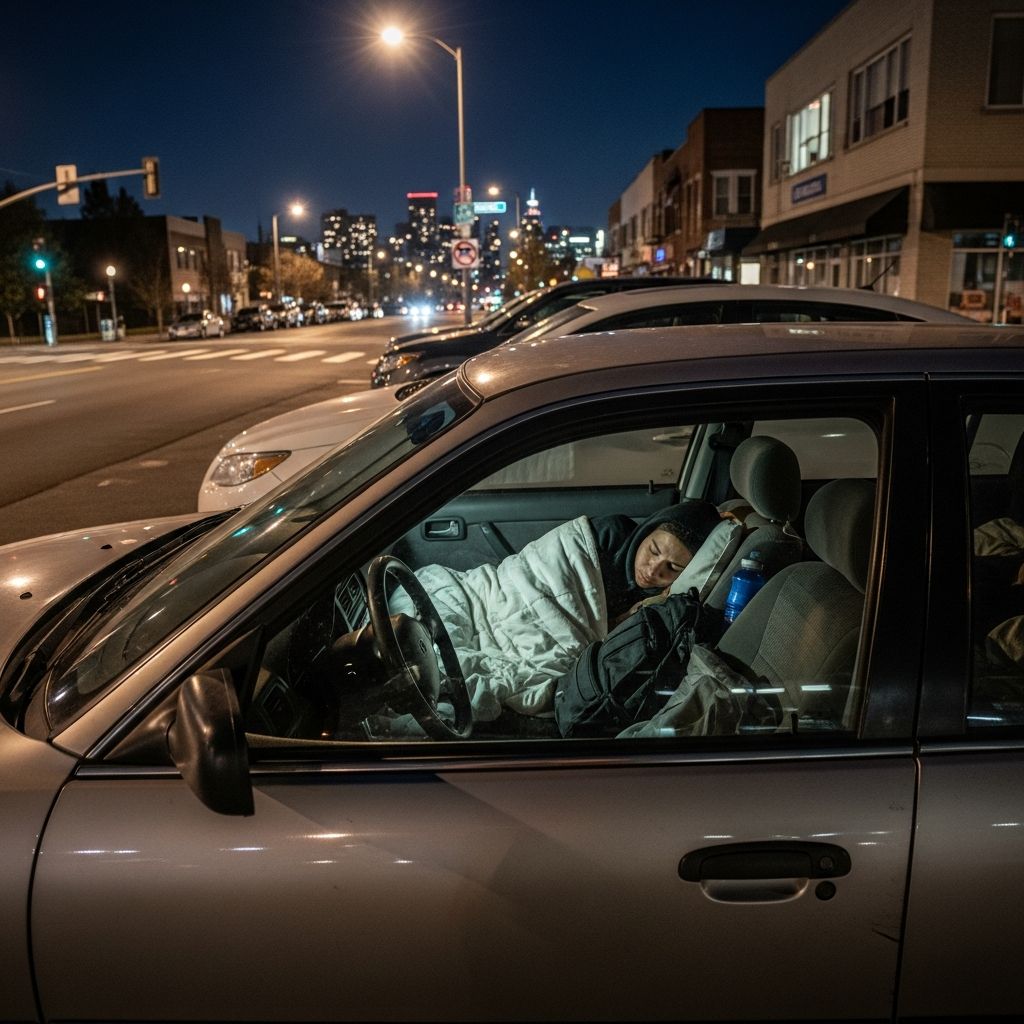
Across the United States, the practice of sleeping or even residing full-time in a personal vehicle has grown in popularity amid economic pressures, the rise of van life culture, and housing shortages. While no federal statute outright prohibits this activity, a patchwork of state, county, and municipal regulations governs its legality, often hinging on location, duration, and intent. Understanding these nuances is crucial for travelers, remote workers, and individuals facing temporary homelessness to avoid citations, towing, or more severe charges.
Understanding the National Legal Framework
No overarching U.S. law bans sleeping in a vehicle anywhere on public roads or private land. Federal guidelines defer to states and localities, leaving room for diverse approaches. This absence of a nationwide prohibition stems from principles of personal liberty and road safety, allowing drivers brief rests to combat fatigue. However, ‘living’ in a car—implying extended habitation—often triggers stricter scrutiny under public nuisance, zoning, or anti-camping ordinances.
Key distinctions matter: a quick nap differs from setting up a semi-permanent camp with gear visible outside. Courts typically evaluate factors like vehicle position (engine off, keys inaccessible), intoxication status, and posted signage. For instance, being ‘in physical control’ of a vehicle while impaired can lead to DUI charges even if asleep, as keys in the ignition signal potential operation.
State Variations in Vehicle Dwelling Policies
Legality fluctuates dramatically by jurisdiction. While every state permits some form of vehicle rest under certain conditions, urban areas tend to impose harsher restrictions to manage homelessness and aesthetics.
- Lenient States: Nevada allows up to 24 hours in many spots, prioritizing driver safety. Wyoming permits vehicle sleeping statewide but bans exterior camping. Idaho mirrors California with eight-hour limits at interstate rest areas.
- Moderate States: Texas enforces school zone bans and beach restrictions but allows private property use with consent. Florida’s mainland is permissive in designated areas, though the Keys prohibit it entirely.
- Restrictive States: California confines eight-hour rests to rest areas, with cities like Los Angeles banning overnight parking in much of the city. Virginia Beach mirrors this with strict enforcement.
Public lands offer relief: Bureau of Land Management (BLM) and U.S. Forest Service areas frequently allow dispersed camping, including vehicle sleeping, for 14 days maximum in many spots. Always verify with on-site signage or apps like iOverlander.
Urban Hotspots with Stringent Bans
Major cities often lead in restrictive measures, targeting ‘vehicle habitation’ to curb visible homelessness.
| City | Key Restrictions | Penalties |
|---|---|---|
| Los Angeles, CA | No overnight parking in residential zones; designated safe lots only | Fines up to $1,000, towing |
| Key West, FL | Total ban within city limits | Criminal citation, vehicle impound |
| Denver, CO | Unauthorized camping ban on public/private land | Misdemeanor, fines $250+ |
| Honolulu, HI | Sit-lie and vehicle camping prohibitions in parks | Trespass charges |
| New York City, NY | No using vehicles as living quarters | Towing, quality-of-life fines |
These rules reflect broader efforts to balance compassion with public order, often directing individuals to shelters or safe parking programs.
Safe and Legal Places to Park Overnight
Finding compliant spots requires strategy. Prioritize areas explicitly welcoming overnighters to minimize risks.
- Rest Areas and Welcome Centers: Most states allow 4-8 hours; check state DOT sites for limits (e.g., California’s eight-hour rule).
- 24-Hour Businesses: Walmart lots (with manager permission), gyms like Planet Fitness, or casinos often tolerate discreet overnighting.
- Safe Parking Initiatives: Programs in San Diego, Santa Barbara, and Atlanta provide secure lots with security, bathrooms, and social services.
- Public Lands: BLM’s 14-day rule in 12 Western states; National Forests similar. Apps track free spots.
- Private Land: Apps like Boondockers Welcome connect with hosts offering driveway space for a small fee or free.
Avoid residential streets, where ‘no parking 2-5 AM’ signs abound, and private lots without signage approval, risking trespass under codes like Texas Penal Code §30.05.
Penalties and How to Avoid Them
Violations range from civil infractions to criminal offenses. Common consequences include:
- Fines: $50-$500 for parking violations; higher in no-camping zones.
- Towing: $200+ recovery fees, especially on private property.
- Criminal Charges: Trespass (Class C misdemeanor, up to $500 fine), DUI if intoxicated, or disorderly conduct.
- Vehicle Habitation Bans: Emerging in cities like Orlando, FL, with misdemeanor penalties.
Stealth tips: Use window covers, park post-9 PM in low-traffic areas, keep interiors tidy, and relocate every few hours. Carry proof of insurance and registration; document permission notes for private spots.
Vehicle Living as a Lifestyle Choice
Beyond emergencies, vehicle dwelling appeals to digital nomads, retirees, and minimalists. The ‘van life’ movement exploded post-2020, blending adventure with affordability. Yet, the U.S. Department of Housing and Urban Development reports over 260,000 people in vehicle homelessness, highlighting involuntary cases amid crises.
Preparation elevates safety: Solar panels for power, portable toilets for sanitation, and insulation for comfort. Communities on Reddit’s r/vandwellers share hacks, but legal awareness remains paramount.
Practical Setup Guide for Safe Vehicle Habitation
Transforming a car into livable space demands ingenuity.
- Insulation and Ventilation: Reflectix on windows; roof vents prevent condensation.
- Power Solutions: Jackery batteries or Renogy solar kits charge devices off-grid.
- Storage Optimization: Roof racks, under-bed drawers maximize cargo vans or SUVs.
- Hygiene Stations: Collapsible showers, composting toilets comply with no-dump rules.
- Health Checks: Gym memberships for Planet Fitness’s $10/month showers nationwide.
Budget: Initial setup $1,000-$5,000; monthly costs under $1,000 including gas and apps.
Frequently Asked Questions (FAQs)
Is sleeping in my car ever completely legal nationwide?
No blanket federal or state ban exists, but always confirm local ordinances—no spot is universally safe.
Can I sleep in my car at Walmart parking lots?
Many allow it with permission; call ahead, as policies vary by store location.
What if I’m intoxicated but asleep in my vehicle?
Risky—’physical control’ laws in all states could yield DUI charges if keys are accessible.
Are there apps to find legal overnight parking?
Yes: iOverlander, AllStays, and Campendium map safe spots and user reports.
How does vehicle living affect insurance or registration?
Typically no impact if not declaring it as a primary residence; notify DMV for full-time RV use.
Emerging Trends and Future Outlook
As of 2026, safe parking programs expand in progressive cities, while conservative areas tighten anti-camping laws. Federal pushes for homelessness solutions may standardize rest area policies. Nomads should monitor updates via state DOT sites and advocacy groups like the National Coalition for the Homeless.
Vehicle living offers freedom but demands vigilance. By respecting laws and communities, it remains a viable path for many.
References
- Is It Illegal to Sleep in Your Car? | State Laws & Safety Tips — DJC Law (Team Justice). 2024. https://teamjustice.com/is-it-illegal-to-sleep-in-your-car/
- Is it Illegal to Sleep in your Car? — Intrepid Camp Gear. 2023. https://intrepidcampgear.com/blogs/news/is-it-illegal-to-sleep-in-your-car
- Mobile Homelessness: The Legality Of Living In A Vehicle — Invisible People. 2023. https://invisiblepeople.tv/mobile-homelessness-the-legality-of-living-in-a-vehicle/
- Annual Homeless Assessment Report — U.S. Department of Housing and Urban Development (HUD). 2024-01-22. https://www.huduser.gov/portal/sites/default/files/pdf/2024-AHAR-Part-1.pdf
Similar Articles








Read full bio of medha deb


