
Licensing Clowns: Essential or Overkill?
Examining whether clowns and children's entertainers need formal licenses amid safety concerns and regulatory debates.
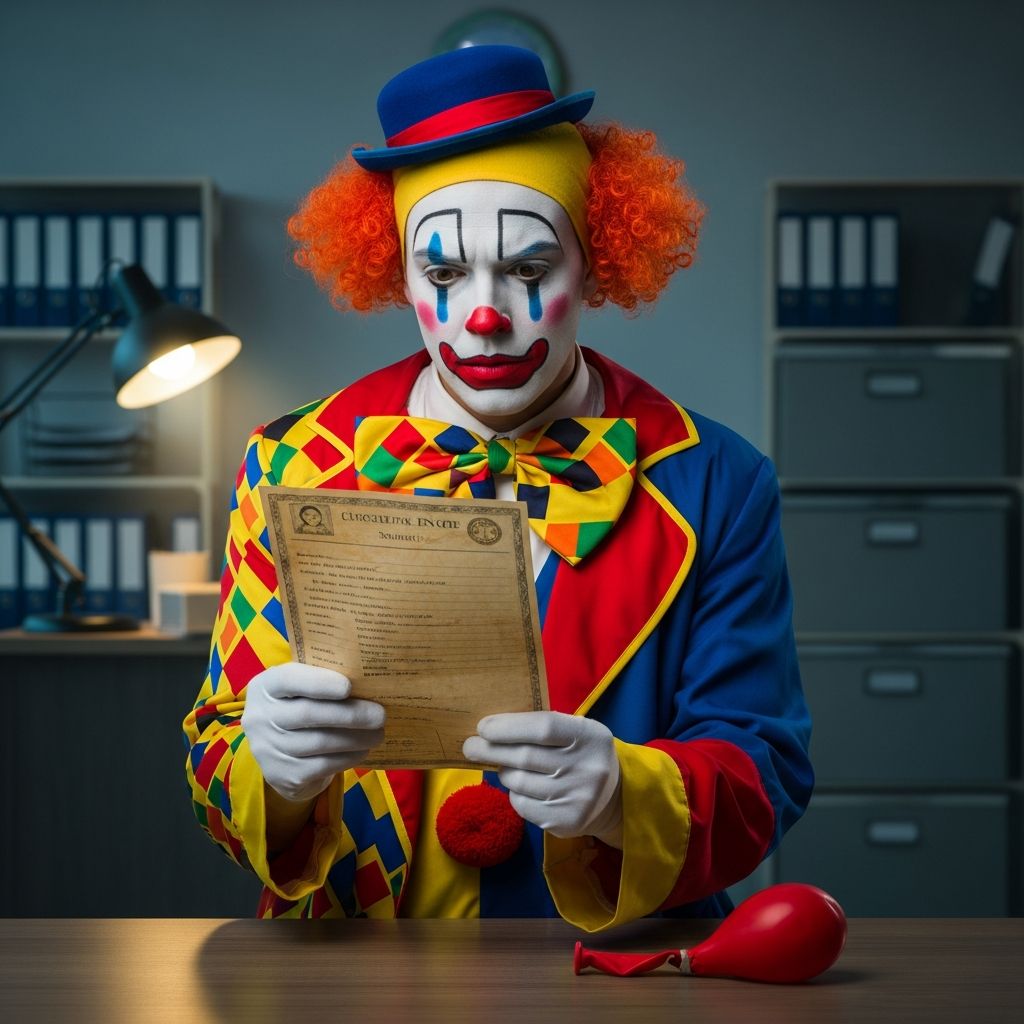
Children’s entertainers like clowns bring joy to birthdays and events, but questions persist about whether they should face mandatory licensing. No national standard exists, leaving requirements to local jurisdictions and business savvy.
The Current Landscape of Performer Regulations
Across the United States, aspiring clowns encounter a patchwork of rules rather than a unified licensing system. Local governments dictate needs, often requiring only a general business license for tax and operational legitimacy. For instance, street performers might secure inexpensive permits from city halls to operate legally. This variability stems from the freelance nature of clowning, where performers juggle gigs at parties, festivals, and circuses without fixed venues.
Establishing a business entity—such as an LLC or sole proprietorship—provides liability protection and credibility. Costs remain low, with startup expenses around $1,000 covering costumes, props, and insurance. Music use during shows may necessitate blanket licenses from composers or organizations to avoid infringement claims. While no “clown-specific” certification mandates exist federally, performers must navigate these basics to avoid fines or shutdowns.
Building a Foundation: Skills and Training Pathways
Success as a children’s entertainer hinges on honed abilities rather than formal credentials. Key steps include studying clown history, mastering physical comedy, and developing a unique persona. Workshops at places like the Clown Conservatory in San Francisco emphasize improvisation, juggling, and character work. Programs at The Second City in Chicago or The Clown School in Los Angeles offer structured classes from beginner to advanced levels, fostering crowd management and comedic timing.
- Character Development: Craft a backstory, motivations, and routines that resonate with kids, blending magic, balloon art, and slapstick.
- Skill Acquisition: Practice acrobatics, facial expressions, and props to captivate young audiences safely.
- Experience Building: Start with free gigs for family events to refine acts before paid bookings.
Formal education like theater arts degrees aids but isn’t required; hands-on practice and networking via clown organizations accelerate growth. Rodeo clowns, a niche variant, submit medical proof and liability waivers for training, highlighting risk awareness even without licenses.
Business Essentials for Aspiring Entertainers
Launching a clown venture demands strategic planning. A solid business plan outlines local demand, budgets, and marketing. Research reveals high needs at children’s parties, school functions, and community fairs, with low overhead focused on transport and supplies.
| Startup Cost Category | Estimated Amount | Purpose |
|---|---|---|
| Costumes & Makeup | $300–500 | Character authenticity and reusability |
| Props (Balloons, Juggling Gear) | $200–400 | Interactive performances |
| Insurance | $500/year | Liability coverage for accidents |
| Business License | $50–200 | Legal operation and taxes |
Insurance stands out as critical, shielding against mishaps like tripped guests or damaged venues. Networking at festivals connects performers to circuses like Cirque du Soleil or nonprofits such as Clowns Without Borders, expanding opportunities beyond parties.
Safety Imperatives in Children’s Entertainment
Proponents of licensing argue it ensures child safety amid rare but alarming incidents. Background checks could screen for criminal histories, vital when performers interact closely with kids. Allergic reactions to makeup or injuries from props underscore hygiene and equipment standards needs. Medical clowning in hospitals demands similar vetting, prioritizing vulnerable patients.
Yet data shows most issues arise from negligence, not lack of licenses. General business permits already enforce tax compliance, indirectly promoting legitimacy. Overregulation might deter talented entertainers, shrinking options for families and inflating costs.
Arguments For and Against Mandatory Licensing
For Licensing:
- Standardized safety protocols, including first-aid training and criminal background checks.
- Consumer confidence via verified performers, reducing fraud risks.
- Alignment with regulated fields like childcare, protecting minors.
Against Licensing:
- Bureaucratic barriers stifle creativity; skills matter more than paperwork.
- Local permits suffice, avoiding unnecessary federal overreach.
- Low incident rates don’t justify costs on small operators.
Stakeholders debate: parents seek assurances, while performers value freedom. Some locales experiment with entertainer registries, balancing both.
Global Perspectives on Entertainer Oversight
Internationally, approaches vary. European circuses often require performer insurance and skills certifications through unions. In crisis zones, groups like Clowns Without Borders operate under NGO guidelines, focusing on therapeutic impact without heavy licensing. U.S. flexibility allows quick market entry but demands self-regulation.
Practical Steps for Compliant Performances
- Contact local city hall for business permits and event-specific approvals.
- Secure general liability insurance tailored to entertainment.
- Join professional alliances for mentorship and gigs.
- Maintain records of training and client feedback for credibility.
These steps mitigate risks without awaiting hypothetical clown licenses.
Frequently Asked Questions (FAQs)
Do clowns need a special license to perform at children’s parties?
No universal clown license exists; a general business license from local government suffices for most cases.
What insurance is recommended for children’s entertainers?
General liability insurance covers accidents, property damage, and injuries, essential for party gigs.
Can anyone start a clown business without training?
Formal training isn’t required, but workshops in clowning, improv, and skills like juggling build professionalism.
Are background checks mandatory for kid-focused performers?
Not federally, but voluntary checks enhance trust; some venues or parents may require them.
How much does it cost to launch a clown service?
Typically $1,000 initially, covering gear, insurance, and permits.
Future Directions in Entertainer Regulation
As events rebound post-pandemic, pressure mounts for safety enhancements. Digital platforms could enable voluntary certification badges, blending self-regulation with tech. Policymakers weigh innovation against protection, ensuring laughter remains safe. Parents, meanwhile, vet hires via reviews and references, sidestepping regulatory voids.
In summary, while licensing debates entertain, practical compliance—licenses, insurance, skills—keeps the show going. Aspiring clowns thrive by prioritizing safety and talent over red tape.
References
- How to Start a Clown Business — Insurance Canopy. 2023-05-15. https://www.insurancecanopy.com/blog/how-to-start-a-clown-business
- Should I be a clown? — Rumie. 2024-02-10. https://learn.rumie.org/jR/bytes/should-i-be-a-clown/
- How to become a clown — CareerExplorer. 2024-08-22. https://www.careerexplorer.com/careers/clown/how-to-become/
- What are the key skills and qualifications needed to thrive in the Circus Clown position — ZipRecruiter. 2023-11-07. https://www.ziprecruiter.com/e/What-are-the-key-skills-and-qualifications-needed-to-thrive-in-the-Circus-Clown-position-and-why-are-they-important
- About — The Clown School. 2024-01-12. https://www.theclownschool.com/about
Similar Articles








Read full bio of Sneha Tete


