
Libel and Small Claims Court: What You Need to Know
Understand when written defamation claims belong in small claims court, and when a higher court may be the better option.
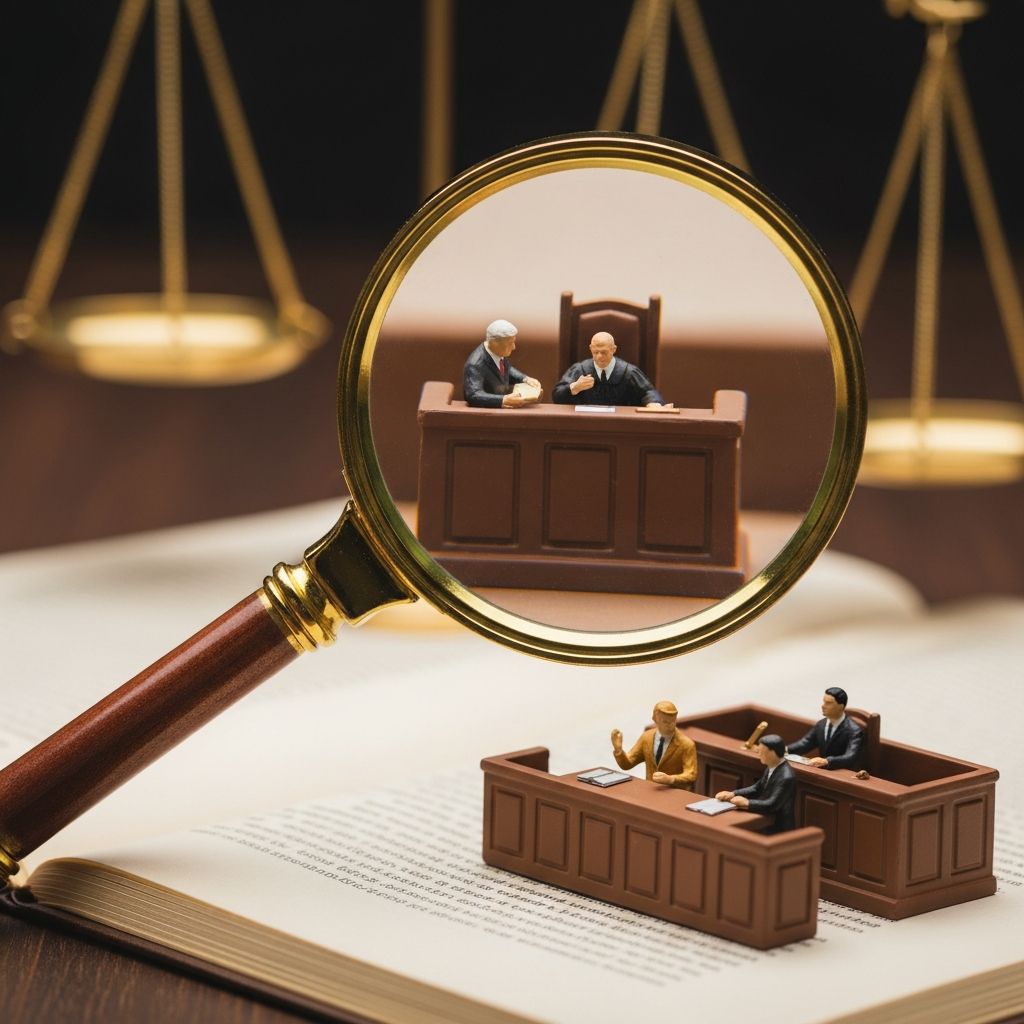
When someone posts false and damaging statements about you online or in writing, it is natural to wonder whether you can sue for libel in small claims court. Defamation law is complex, but small claims courts are designed to be simpler and more accessible. This guide explains how those two ideas intersect, what limits apply, and how to decide where and whether to bring a libel claim.
Understanding Defamation, Libel, and Slander
Before deciding where to file a case, it is critical to understand what kind of legal wrong you are dealing with. Libel is one form of defamation; the other is slander.
What Is Defamation?
In most U.S. jurisdictions, defamation is a civil claim for harm to reputation based on false statements of fact communicated to others and not protected by privilege. In a typical state law formulation, a plaintiff must prove:
- A false statement purporting to be factual
- Publication of that statement to at least one other person
- An unprivileged communication that tends to harm reputation or deter others from associating with the plaintiff
Truth is a complete defense to defamation, and statements that are substantially true will not support a claim.
Libel vs. Slander
Defamation is usually divided into two categories:
- Libel: defamation in written or fixed form, such as emails, social media posts, online reviews, or newspaper articles.
- Slander: defamation expressed in spoken words or gestures, such as statements at a meeting, phone call, or video conversation.
Libel is often treated as more serious because written statements can be widely disseminated and persist over time.
Public Figures vs. Private Individuals
Defamation law also distinguishes between public figures and private individuals. Under constitutional principles developed from the U.S. Supreme Court, a public figure generally must show that the defendant acted with actual malice—knowledge that the statement was false or reckless disregard for whether it was true. Private individuals usually need only show that the defendant was at least negligent in failing to exercise reasonable care.
| Type of Plaintiff | Fault Standard (Typical) | Explanation |
|---|---|---|
| Private individual | Negligence | Must show the speaker failed to act with reasonable care in checking the truth of the statement. |
| Public official or public figure | Actual malice | Must show the speaker knew the statement was false or seriously doubted its truth. |
What Small Claims Courts Are Designed to Handle
Small claims courts are specialized courts intended to resolve relatively low-value disputes quickly, without the formality and expense of full civil litigation. Their central features include:
- Monetary limits: Each state sets a maximum dollar amount that can be claimed (for example, $10,000 or less in some jurisdictions).
- Streamlined procedures: Relaxed rules of evidence and simplified forms, often designed to let people represent themselves.
- Limited case types: Focus on straightforward monetary disputes, such as unpaid bills, property damage, or simple contract disagreements.
Because of these limits, not every type of legal dispute is suitable for small claims, and some courts explicitly limit or exclude complex tort cases, which can include defamation.
Can Libel Claims Be Brought in Small Claims Court?
Whether you can file a libel claim in small claims court depends heavily on the law and court rules of your state and county. There is no nationwide rule that applies to all courts.
Key Jurisdictional Questions
As you consider your options, you will need to answer several threshold questions:
- Does the court have subject matter jurisdiction?
Some states allow certain tort claims, including personal injury or defamation, in small claims court up to a monetary cap, while others restrict small claims to contract or property disputes. - Are you within the dollar limit?
Your claimed damages must be equal to or below the court’s maximum small claims amount. - Is the defendant properly located in the court’s area?
Small claims courts typically require that the defendant live, work, or have sufficient contacts within the geographic jurisdiction.
Why Defamation Can Be Problematic in Small Claims
Even if local rules technically allow defamation cases, courts and self-help resources often discourage using small claims court for libel or slander because these cases tend to be:
- Fact-intensive: Proving falsity, fault, and reputational harm usually requires detailed testimony and documentary evidence.
- Legally complex: Courts must consider First Amendment protections, opinion vs. fact, privileges (such as fair report or litigation privilege), and public figure doctrines.
- Evidence heavy: Witnesses, expert testimony on damages, and extensive written exhibits can be necessary, which conflicts with small claims courts’ streamlined structure.
For these reasons, many defamation claims are better suited to higher-level civil courts with full procedures and discovery.
Elements You Must Prove in a Libel Case
Regardless of which court hears your case, you will need to meet the basic elements of libel. Although exact wording varies by state, a typical claim requires proof of:
1. A False Statement of Fact
The statement must be provably false; opinions, hyperbole, and satire generally do not qualify because they cannot be proven true or false. Examples of potentially defamatory factual assertions include:
- Falsely stating that someone committed a specific crime.
- Falsely claiming a professional was fired for fraud.
- Fabricating misconduct in a business review.
Minor inaccuracies are not enough if the overall gist of the statement is substantially true.
2. Publication to a Third Party
There is no defamation if a false statement is communicated only to the person it concerns. The statement must be shared with at least one other person, whether privately or publicly.
3. Unprivileged Communication
Some communications are legally privileged and cannot form the basis of a defamation claim, such as certain legislative or judicial proceedings. In other contexts, qualified privileges may apply if the speaker had a duty or interest in making the communication, unless the plaintiff can show abuse of that privilege.
4. Harm to Reputation
You generally must prove that the statement tended to lower your reputation in the community, or discourage others from associating with you. Some statements are considered defamation per se, meaning they are so inherently harmful that the law presumes damage, such as false allegations of serious crime or professional incompetence.
5. Fault (Negligence or Actual Malice)
As noted earlier, private individuals typically must show the defendant was at least negligent, while public figures must demonstrate actual malice. This difference can significantly affect the complexity of your evidence and argument.
Comparing Small Claims Court with Regular Civil Court
To decide where to bring a libel case, consider the tradeoffs between small claims court and a higher-level civil court.
| Feature | Small Claims Court | Regular Civil Court |
|---|---|---|
| Maximum damages | Low, fixed cap (varies by state) | Much higher or no explicit cap, subject to state law |
| Procedural complexity | Streamlined, informal | Formal rules of evidence and civil procedure |
| Representation | Often pro se; some courts limit attorney participation | Lawyers usually involved; complex motions and discovery |
| Evidence and discovery | Limited; focused on basic documents and live testimony | Full discovery (depositions, interrogatories, subpoenas) |
| Case suitability | Best for simple, low-dollar disputes | Better for complex defamation and constitutional issues |
Practical Considerations Before You Sue for Libel
Even if you can legally file a case, it may not always be the most effective strategy. Consider these practical points first:
1. Assess the Likely Financial Recovery
Small claims courts restrict how much money you can recover, so you must realistically estimate the financial and reputational harm you have suffered. Many libel plaintiffs overestimate the monetary value of their hurt feelings. Courts focus on measurable harm such as:
- Lost income, contracts, or job opportunities.
- Documented business losses that can be linked to the statement.
- Costs incurred trying to mitigate reputational damage.
2. Consider Non-Legal Remedies
In some cases, you may achieve your primary goal—removal or correction of the statement—without filing a lawsuit. Possible steps include:
- Sending a detailed retraction or correction request to the publisher.
- Using platform reporting tools on social media or review sites.
- Publishing your own clarification or response.
These options can be faster, cheaper, and less stressful than litigation, especially when the monetary harm is limited.
3. Weigh the Costs and Time Involved
Even in small claims court, bringing a libel case requires time, filing fees, and preparation. In higher courts, attorney fees and litigation costs can be substantial. Balancing expected recovery against expenses is essential.
4. Think About the “Streisand Effect”
Sometimes suing can draw more attention to the original statements, especially if the dispute attracts media interest. This risk may be greater for public figures or matters of public controversy.
Steps to Take If You Are Considering a Libel Claim
If you believe you have a strong libel claim, the following step-by-step approach can help you evaluate your options:
Step 1: Preserve All Evidence
- Take screenshots of online posts, including URLs, dates, and usernames.
- Print or save copies of emails, letters, or printed publications.
- Document any responses or follow-on comments that show reputational impact.
Step 2: Document Your Damages
- Gather pay stubs, contracts, or correspondence showing lost business or employment opportunities.
- Keep notes of conversations where others mention having seen the defamatory content.
- Record any professional or social consequences that can be tied to the statement.
Step 3: Research Local Small Claims Rules
Check your state’s official court website or self-help center to determine:
- Whether small claims courts in your state accept tort or personal injury cases.
- The maximum amount you can claim.
- Filing procedures, deadlines, and service of process requirements.
Step 4: Consult with a Licensed Attorney
Because defamation law intersects with constitutional protections for free speech, brief legal advice from a qualified attorney can help you avoid strategic mistakes. An attorney may also identify additional claims (such as invasion of privacy or harassment) that could be more suitable for small claims or other courts.
Frequently Asked Questions (FAQs)
Q: Is libel always a good case for small claims court?
A: No. Even where rules permit defamation claims in small claims court, libel cases are often too complex, fact-intensive, and damages-driven for that forum. Regular civil courts are usually better equipped to handle issues like actual malice, constitutional defenses, and extensive evidence.
Q: Can I recover for emotional distress caused by libel in small claims court?
A: Some states allow recovery for emotional distress as part of defamation damages, but you must still prove the underlying elements of libel and remain within the small claims monetary cap. Courts are generally more receptive to documented financial losses than purely emotional harm.
Q: Do I need a lawyer to file a libel claim in small claims court?
A: Small claims courts are designed for self-represented parties and may even limit attorney participation. However, because defamation law is complex, consulting an attorney before you file can help you assess whether your claim is viable and whether small claims is the right venue.
Q: How long do I have to sue for libel?
A: Each state sets its own statute of limitations for defamation; one to three years is common. You must check your state’s specific deadline and file within that period, or your claim may be barred regardless of its merits.
Q: What if the libel occurred on a website based in another state?
A: Courts look at whether the defendant or website has sufficient contacts with your state, including where the content was directed and where harm occurred, to decide if they have jurisdiction. These jurisdictional questions are generally beyond the scope of small claims courts and may require legal advice.
References
- Small Claims Self-Help Law Center — Wisconsin Court System. 2024-01-01. https://www.wicourts.gov/services/public/selfhelp/smallclaims.htm
- Wisconsin Statutes § 895.05 — Damages in actions for libel — Wisconsin Legislature. 2024-01-01. https://law.justia.com/codes/wisconsin/chapter-895/section-895-05/
- Guide to Wisconsin Defamation Law (Libel and Slander) — Minc Law. 2023-08-01. https://www.minclaw.com/wisconsin-defamation-law-state-guide/
- The Most Common Lawsuits in Small Claims Court — Nolo. 2023-05-01. https://www.nolo.com/legal-encyclopedia/free-books/small-claims-book/chapter2-2.html
- Small Claims — Kalamazoo County Government. 2022-06-01. https://www.kalcounty.gov/538/Small-Claims
Similar Articles








Read full bio of medha deb


