
Pets in Winter Cold: Legal Rules and Care
Understand U.S. laws on keeping pets outside in cold weather, essential protections, and how to ensure your pet's safety during winter.
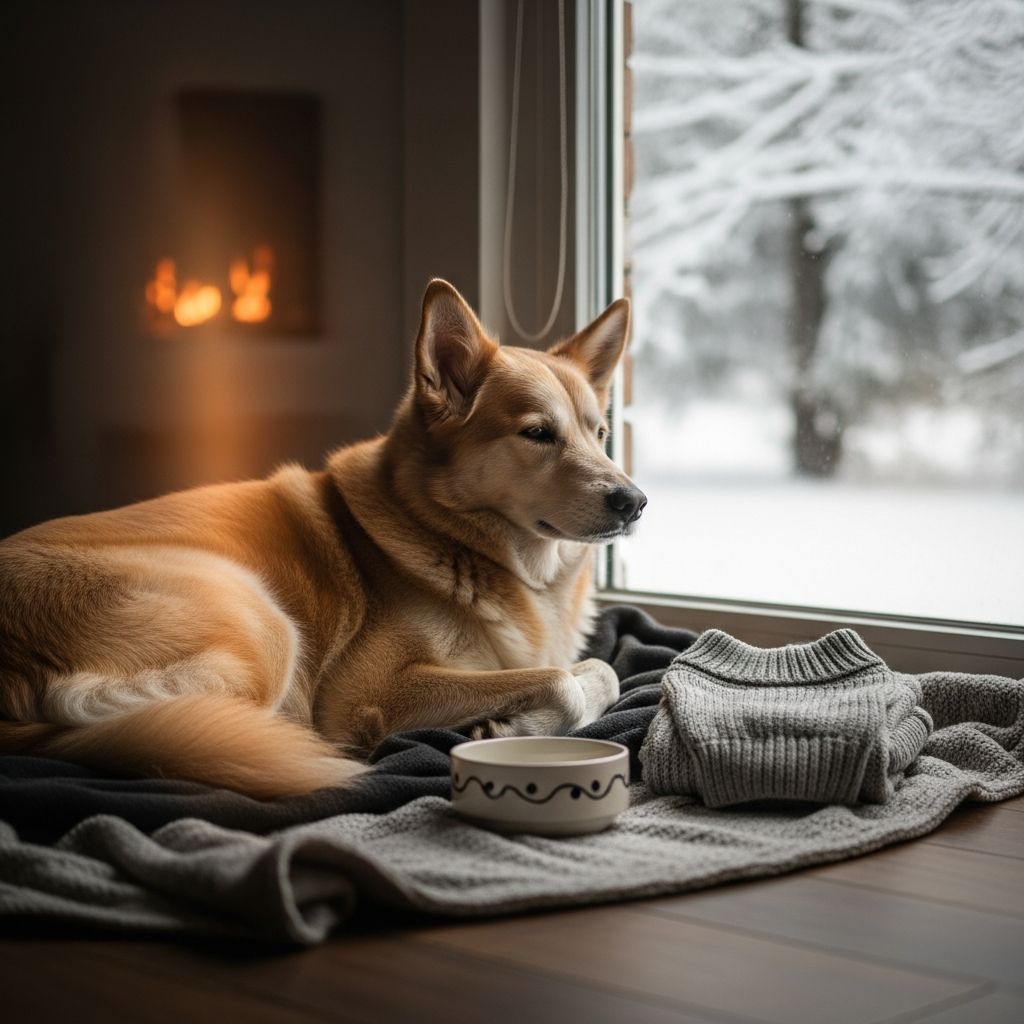
Keeping pets outdoors during harsh winter conditions raises significant legal and ethical concerns across the United States. While no uniform federal law mandates bringing pets inside at specific temperatures, state and local regulations enforce standards for shelter, food, water, and protection from extreme weather to prevent animal cruelty charges. These rules aim to ensure pets can maintain body heat and avoid life-threatening conditions like hypothermia and frostbite.
Understanding Animal Cruelty Laws in Cold Weather
Animal neglect, including failure to provide adequate shelter from cold, constitutes a misdemeanor in all 50 states and Washington, D.C., with potential felony upgrades in cases leading to serious injury or death. For instance, California’s Penal Code 597(b) criminalizes failing to offer protection from weather, punishable as a misdemeanor or felony with fines up to $20,000. Similarly, Pennsylvania’s cruelty code under Libre’s Law prohibits leaving dogs tethered in temperatures below 32°F for over 30 minutes without proper shelter, emphasizing untethered access to structures that retain body heat and stay dry.
Local ordinances add layers of specificity. In Los Angeles, dogs outdoors in cold must have enclosures with weatherproof tops, bottoms, sides, clean bedding to retain heat suited to their breed, and means for liquid elimination. These provisions reflect a consensus that pets require individualized protection based on breed, age, health, and weather severity. Courts and officers exercise discretion, considering factors like visible distress—shivering, limping, or frostbite—when enforcing violations.
State Variations in Outdoor Pet Regulations
Laws differ by jurisdiction, often tying restrictions to temperature thresholds or weather extremes rather than blanket indoor requirements. Pennsylvania allows dogs outdoors in sub-freezing conditions if untethered with insulating, dry shelter, but tethering beyond brief periods risks neglect charges. Minnesota mandates shelter from elements for all companion animals, recommending indoor access during severe cold.
| State/Region | Key Cold Weather Rule | Penalties |
|---|---|---|
| California | No specific temp; must provide weather protection | Misdemeanor/felony, up to $20,000 fine |
| Pennsylvania | No tethering >30 min below 32°F without shelter | Cruelty charges, seizure possible |
| Los Angeles, CA | Bedding for breed-specific cold tolerance | Local enforcement |
| Minnesota | Shelter from elements; indoor in severe weather | State cruelty violations |
This table highlights how regulations prioritize practical safeguards over rigid cutoffs, allowing enforcement based on situational risks.
Essential Shelter Standards for Outdoor Pets
Adequate shelter is the cornerstone of winter compliance. Structures must be weatherproof with a single entry, raised floors to prevent dampness, and insulation enabling heat retention. Bedding should be clean, dry, and sufficient for the pet’s breed—short-haired dogs like Greyhounds need more than Huskies bred for cold. Tethering rules cap cumulative time at 9 hours daily in Pennsylvania, requiring 70-foot non-chain leads with swivels, shade, water, and waste-free areas.
- Weatherproof design: Enclosed on all sides except one, elevated off ground.
- Bedding requirements: Clean materials suited to retain body heat; check and replace daily.
- Tether limits: Avoid in extreme cold; use only for short tasks with proper gear.
- Water access: Unfrozen, drinkable supply; use heaters if needed.
Officers assess compliance holistically—if a dog shows distress despite shelter, charges may follow.
Health Risks of Cold Exposure for Pets
Prolonged outdoor time in cold endangers pets with hypothermia (body temperature below 99°F), frostbite on ears/paws, and exacerbated chronic conditions. Short-haired, elderly, or ill animals are most vulnerable, as are puppies. Symptoms include shivering, lethargy, pale gums, and stiff limbs; untreated cases lead to organ failure or death.
The ASPCA warns that if conditions are too harsh for humans in light clothing, they’re unsafe for pets—bring them indoors during blizzards or below-zero wind chills. Paws suffer from ice melt chemicals and frozen ground, causing cracks and infections. Indoor alternatives like garages provide safer respite.
Practical Tips to Protect Pets This Winter
Minimize risks with proactive measures:
- Limit outdoor time: Shorten walks in extreme cold; supervise play.
- Winter gear: Boots, coats for vulnerable breeds; paw balm against salt.
- Increase calories: Extra food fuels warmth generation.
- Cozy indoors: Heated beds, blankets; never cars, which trap cold.
- Monitor closely: Check for frostbite signs; warm gradually if suspected.
For outdoor setups, insulate doghouses with straw (not blankets, which freeze), add windblocks, and ensure easy entry for reluctant users like cold-loving Huskies.
When to Report Suspected Neglect
Witnessing a pet in peril? Document with photos, times, and dates, then contact local animal control or law enforcement. Humane officers can seize animals and pursue charges if shelter fails or distress is evident. Repeat reports if no response; in imminent danger, emphasize urgency. Advocacy improves enforcement—many areas clarify laws post-complaints.
Owners remedying issues promptly may avoid charges in non-emergencies.
Breed-Specific Considerations in Cold Climates
Not all pets tolerate cold equally. Arctic breeds like Siberian Huskies thrive outdoors with shelter, while tropical breeds like Chihuahuas risk hypothermia above freezing. LA County codes tailor bedding to breed tolerance. Health-compromised pets need indoor living; livestock require separate windproof barns.
Table of breed tolerances:
| Breed Type | Cold Tolerance | Recommended Actions |
|---|---|---|
| Arctic (Husky, Malamute) | High | Shelter access; enjoy snow time |
| Short-Haired (Greyhound, Pitbull) | Low | Coats, limited exposure |
| Senior/Ill | Very Low | Indoor only |
Frequently Asked Questions (FAQs)
Is there a specific temperature below which pets must come inside?
No national threshold exists; laws focus on shelter adequacy and distress signs rather than exact degrees.
Can I tether my dog outside in winter?
Limited to short periods in extreme cold; must meet length, collar, and shelter rules or face neglect charges.
What if my outdoor dog refuses shelter?
Ensure it’s accessible, warm, and appealing; monitor for distress and bring inside if needed, as breed preferences don’t override safety.
Are there harsher penalties for winter neglect?
Yes, felonies apply if death results in states like California, Pennsylvania; all states treat neglect as misdemeanor baseline.
How do I keep water from freezing?
Use pet-safe heaters or warmers; check multiple times daily.
Conclusion: Prioritize Pet Welfare Year-Round
Responsible ownership means adapting to seasons—winter demands vigilance against legal pitfalls and health threats. Indoor living is ideal for most pets; when outdoors, robust shelter and monitoring comply with laws and show compassion. Consult local codes for your area to stay informed.
References
- Winter Safety Tips — Humane Animal Rescue. Accessed 2026. https://humaneanimalrescue.org/winter-safety/
- Ask the County Law Librarian – When Must Dogs Be Brought Inside? — Sacramento Press. 2013-01-10. https://www.sacramentopress.com/2013/01/10/ask-the-county-law-librarian-when-must-dogs-be-brought-inside/
- SEC. 53.70. CARE AND MAINTENANCE OF DOGS — Los Angeles Municipal Code. Accessed 2026. https://codelibrary.amlegal.com/codes/los_angeles/latest/lamc/0-0-0-137675
- What to Do If You See a Pet Left Outside in Cold Weather — Humane World for Animals. Accessed 2026. https://www.humaneworld.org/en/resources/what-do-if-you-see-pet-left
- Winter and Holiday Safety Tips for Pets — LA County Animal Care. Accessed 2026. https://animalcare.lacounty.gov/news/winter-and-holiday-safety-tips-for-pets/
- Cold Weather Safety Tips — ASPCA. Accessed 2026. https://www.aspca.org/pet-care/general-pet-care/cold-weather-safety-tips
- Keeping Pets Safe in Cold Weather — Animal Humane Society. Accessed 2026. https://www.animalhumanesociety.org/resource/keeping-pets-safe-cold-weather
Similar Articles








Read full bio of medha deb


