
Checking Someone’s Criminal Record Legally
Discover lawful methods, restrictions, and best practices for accessing another person's criminal history without violating privacy laws.
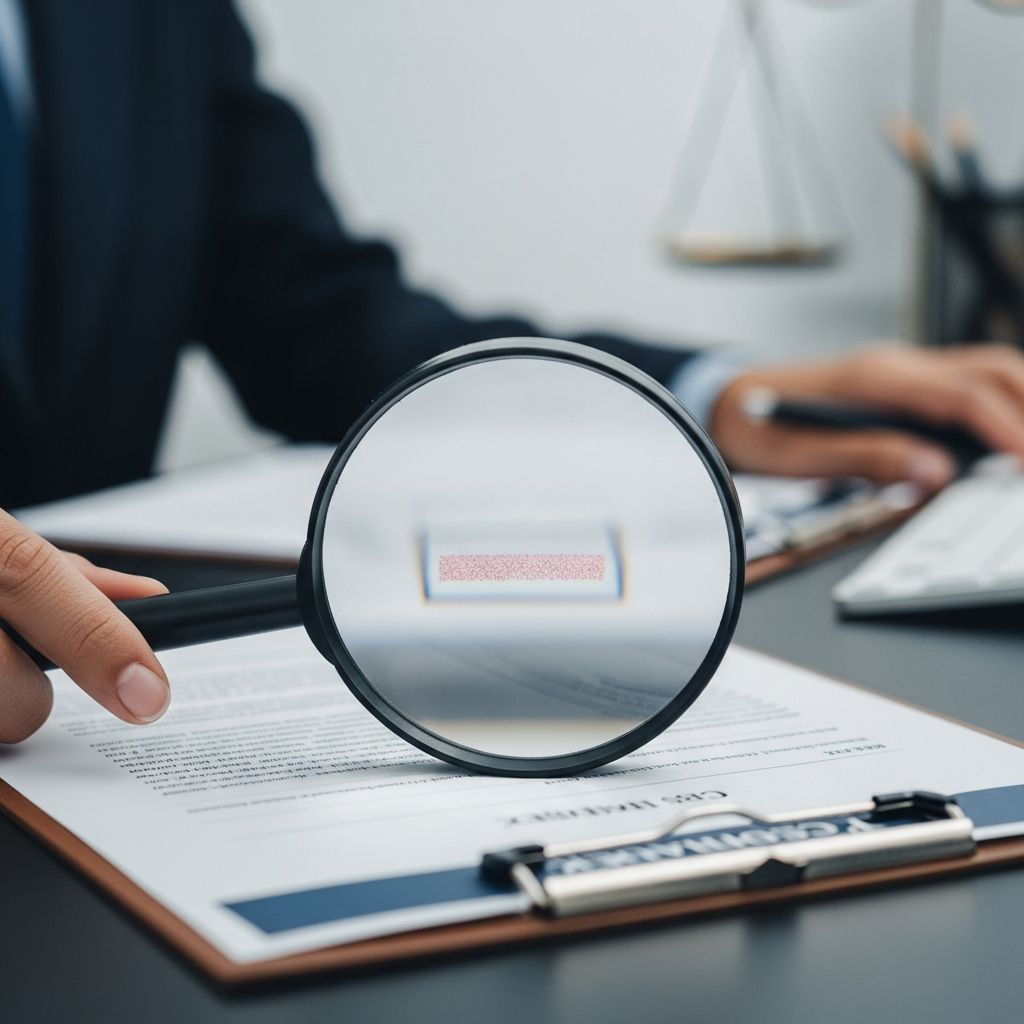
Accessing another person’s criminal history requires adherence to strict federal and state regulations to protect privacy rights and prevent discrimination. This guide outlines permissible methods, key legal frameworks, and practical steps for conducting such inquiries responsibly.
Understanding Criminal Records and Public Access
Criminal records document arrests, charges, convictions, and court outcomes, often maintained by government agencies like courts and law enforcement. While many records are public, access is not unrestricted; laws balance transparency with individual privacy. For instance, federal law under the Fair Credit Reporting Act (FCRA) governs consumer reporting agencies (CRAs) that compile background reports for employment or tenancy, mandating written consent and disclosure.
Public records typically include conviction details, but non-convictions like arrests may be sealed or expunged. States vary: California limits reporting of convictions older than seven years under the Investigative Consumer Reporting Agencies Act (ICRAA). Always verify jurisdiction-specific rules before proceeding.
Federal Regulations Governing Background Checks
The FCRA is the cornerstone for employment-related checks, requiring employers to obtain permission before using a CRA and providing applicants a copy of the report plus a summary of rights if adverse action is taken. The Fair Chance to Compete for Jobs Act further delays federal contractors’ inquiries until after a conditional offer.
EEOC guidelines advise against blanket exclusions based on records, emphasizing individualized assessments to avoid disparate impact discrimination. Violations can lead to lawsuits, fines, or EEOC enforcement.
State-Specific Restrictions on Record Checks
States impose additional layers. California’s Fair Employment and Housing Act (FEHA) bans criminal history inquiries by employers with five or more employees until a conditional offer, prohibiting consideration of non-convictions, dismissed cases, or sealed records.
- California Seven-Year Rule: ICRAA restricts reporting convictions beyond seven years and bans non-conviction data like arrests.
- Ban-the-Box Laws: Pre-offer inquiries forbidden; post-offer, employers must assess job-relatedness.
- SB-731 (2022): Auto-seals certain non-violent felonies after sentence completion, limiting employer access.
Other states like Texas lack inquiry bans but regulate screeners strictly, prohibiting expunged record publication. A 50-state comparison shows varying ‘direct relation’ tests for licensing and employment.
Permissible Methods for Obtaining Records
To legally check records:
- Court Clerk Searches: Visit or query county courthouses for dockets; fees apply, results limited to local cases.
- State Repositories: Centralized databases like California’s DOJ portal offer fingerprint-based checks for authorized users.
- Private CRAs: For comprehensive reports; must comply with FCRA, including two-identifier verification in California post-2018 ruling.
- Federal PACER: Accesses federal cases online with registration.
| Method | Best For | Requirements | Limitations |
|——–|———-|————–|————-|
| Court Records | Local convictions | Public access, fees | No national view |
| State DOJ | Official checks | Authorization, fingerprints | Processing time (weeks) |
| CRA Services | Employment screening | Consent, FCRA notice | 7-year limit in CA |
| Online Aggregators | Quick searches | Vary; avoid unregulated | Accuracy issues, compliance risks |
Never use unauthorized hacks or social media scraping, as these violate laws like the Computer Fraud and Abuse Act.
Employer Obligations in Background Screening
California’s 2023 regulations (effective Oct 1) mandate detailed factors for adverse decisions post-offer:
- Nature of offense (e.g., harm to persons vs. property).
- Specific conduct and context.
- Time elapsed and rehabilitation evidence.
- Job duties’ relation to offense.
- Disability accommodations if applicable.
Employers must provide 5-day response windows pre-adverse action and copy of reports. Failure risks back pay, reinstatement, and penalties under Labor Code 432.7, banning inquiries into non-convictions or sealed records.
Personal and Non-Employment Checks
For dating, volunteering, or tenancy, FCRA applies if using CRAs; casual public searches are allowed but ethically fraught. Landlords face similar ‘fair chance’ rules in some states. Volunteers in licensed facilities (e.g., CA community care) require DOJ Livescan checks.
Privacy tip: Inform the individual when possible to build trust and comply with notice laws.
Expungement, Sealing, and Record Restrictions
Many states allow clearing records: California’s SB-731 auto-seals qualifying felonies. Expunged data can’t be reported. Check status via court petitions; success restores rights like housing access.
Common Pitfalls and Compliance Tips
Avoid:
- Pre-offer Google/social media criminal digs (illegal in CA).
- Ignoring verification: CA requires two identifiers.
- Automated rejections without assessment.
Best practices: Partner with FCRA-compliant screeners, train HR, document decisions.
Frequently Asked Questions
Can I run a background check on a potential employee before hiring?
In most states like California, no—wait for a conditional offer under Fair Chance Act. Then, get consent and assess individually.
What if the record is over 7 years old in California?
ICRAA prohibits reporting convictions older than 7 years or any non-convictions.
Do volunteers or licensees need checks?
Yes, CA requires them for community care roles via DOJ.
What rights do applicants have if denied based on records?
Notice, report copy, response opportunity, and challenge inaccuracies under FCRA.
Can small employers ignore these rules?
No, FEHA covers those with 5+ employees; FCRA all using CRAs.
Navigating International and Multi-State Records
For candidates with histories across states, use national databases cautiously—accuracy varies. FBI’s NCIC is restricted to law enforcement. Multi-state checks demand layered compliance; e.g., NY’s similar ban-the-box.
Global contexts differ: EU GDPR strictly limits data processing.
Future Trends in Background Screening
2024 laws in some states ban non-related convictions for licensing. AI screening tools face scrutiny for bias. Expect tighter rehab evidence requirements.
This 1678-word guide equips you with tools for ethical, legal record access. Consult attorneys for case-specific advice.
References
- California Background Check: An Employer’s Guide [2026] — iProspectCheck. 2026. https://iprospectcheck.com/california-background-checks/
- 50-State Comparison: Limits on Use of Criminal Record in Licensing and Employment — Collateral Consequences Resource Center. 2024. https://ccresourcecenter.org/state-restoration-profiles/50-state-comparisoncomparison-of-criminal-records-in-licensing-and-employment/
- California’s New Background Check Regulations – 10 Frequently Asked Questions — Ogletree Deakins. 2023-10-01. https://ogletree.com/insights-resources/blog-posts/californias-new-background-check-regulations-10-frequently-asked-questions/
- Rights of Job Seekers with Criminal Records — Legal Aid at Work. N/A. https://legalaidatwork.org/factsheet/criminal-records/
- Fair Chance Act — California Civil Rights Department. N/A. https://calcivilrights.ca.gov/fair-chance-act/
- BEWARE: New Requirements for How California Employers May Consider Criminal History — CA Labor Law. 2023-10-01. https://www.callaborlaw.com/entry/beware-new-requirements-for-how-california-employers-may-consider-criminal-history-in-employment-go-into-effect-on-october-1-2023
- New Regulations Change and Clarify Criminal Background Check Procedures — Duane Morris. 2023-10. https://www.duanemorris.com/alerts/new_regulations_change_clarify_criminal_background_check_procedures_california_employers_1023.html
Similar Articles








Read full bio of Sneha Tete




