
Can You Legally Eat Store Food Before Buying?
Uncover the legal boundaries of sampling grocery items in stores—know your rights, risks, and store policies nationwide.
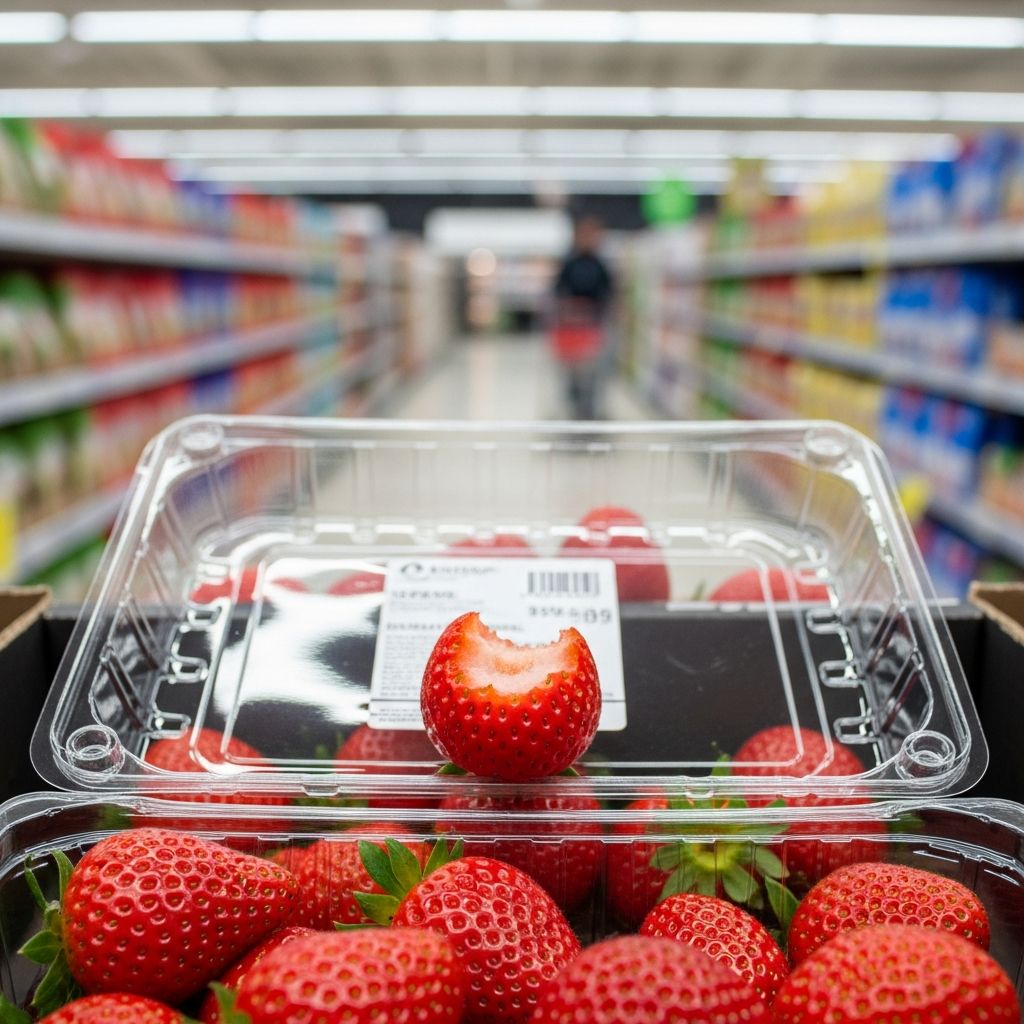
Opening a package of chips or taking a bite from bakery goods while shopping might seem harmless, but it often crosses into illegal territory under retail theft statutes across the U.S. While no federal law directly prohibits this, state-specific shoplifting rules and store policies make it risky, potentially leading to misdemeanor charges or bans from premises.
Understanding Retail Theft and Food Sampling Laws
Retail environments operate under strict property rights. Merchandise remains the store’s property until purchased and paid for at checkout. Consuming any item deprives the retailer of its value, qualifying as theft under most state penal codes. For instance, statutes define shoplifting as willfully taking goods without payment, including partial consumption. This applies equally to sealed bags, fresh produce, or deli items.
Key distinction: pre-packaged samples provided by stores are legal and encouraged under food safety guidelines, but self-initiated consumption is not. Farmers markets illustrate approved methods, where vendors prepare bite-sized portions using licensed facilities, gloves, and temperature controls to prevent contamination—rules shoppers cannot replicate casually in aisles.
State Variations in Shoplifting Penalties
Laws differ by jurisdiction, with penalties scaling by item value. Low-value food theft (under $100-500 typically) often results in misdemeanors, fines from $250-$1,000, community service, or theft prevention classes. Repeat offenses escalate to felonies. States like California (Penal Code §484) and New York treat consumed goods as ‘concealment’ or ‘deprivation of value,’ even if wrappers are returned empty.
| State Example | Value Threshold for Misdemeanor | Typical Penalty (First Offense) |
|---|---|---|
| California | Under $950 | Fine up to $1,000, up to 6 months jail |
| Texas | Under $100 | Class C misdemeanor, fine up to $500 |
| Florida | Under $750 | Up to 60 days jail, $500 fine |
| New York | Under $1,000 | Fine up to $1,000, up to 1 year jail |
These thresholds reflect common retail theft categorizations; always check local ordinances as they evolve.
Store Policies and Private Property Rights
Beyond criminal law, stores enforce civil measures as private entities. Signs stating ‘No consumption until paid’ grant authority to detain suspected violators under merchant’s privilege laws, allowing reasonable detention for investigation. Major chains like Walmart, Kroger, and Costco train staff to monitor high-theft zones like snack aisles. Violators face trespass bans, civil demands for restitution (2-3x item value), or civil recovery letters seeking $100-$200 minimums regardless of snack cost.
- Surveillance Impact: Modern stores use AI cameras tracking opened packages.
- Employee Protocols: Staff document incidents, issue warnings, or call police.
- Loss Prevention Teams: Plainclothes officers patrol, escalating to arrests.
Real-World Consequences for Casual Snackers
Anecdotal cases abound: a Texas shopper eating grapes faced $200 restitution; a Florida parent cited for child’s candy bite received diversion classes. Parents beware—minors’ actions can lead to parental liability under some statutes. Hygiene concerns amplify issues; post-consumption saliva contaminates shelves, prompting health complaints. During health crises, such acts risked heightened scrutiny under public safety rules.
Long-term effects include criminal records impacting jobs, housing, or loans. Expungement varies, but petty theft stains backgrounds for years.
Health and Safety Risks of Unsupervised Tasting
Besides legality, self-sampling poses dangers. Unwashed produce harbors bacteria; cross-contamination from hands spreads pathogens. Approved sampling, per guidelines from markets like Muskegon, mandates licensed prep, refrigeration (41°F for cut melons), gloves, and single-use utensils to mitigate E. coli or salmonella risks. Store aisles lack these controls, endangering vulnerable groups like children or immunocompromised individuals.
- Refrigerated items must stay below 41°F or above 135°F.
- Bare-hand contact prohibited; use toothpicks or tongs.
- Prepped samples require sneeze guards and waste disposal.
Approved Ways to Try Food in Retail Settings
Stores offer legitimate options:
- Demo Stations: Trained staff provide sanitized samples from licensed kitchens.
- Sample Bins: Open-air fruits pre-washed, often with allergen warnings.
- In-Store Cafes: Purchase minimal portions post-checkout.
- Return Policies: Buy, try at home, return unopened if unsatisfied.
Farmers markets exemplify best practices: on-site cutting with clean boards, no home-prepped foods, temperature logs. Retailers adopt similar for compliance.
Consumer Rights and When Sampling Might Be Okay
Rare exceptions exist. Bulk bins allow scooping your own (pay by weight). Some grocers permit olive or cheese ‘pick-and-eat’ under supervision. Always ask staff—many provide free tastes upon request. If policy is unclear, err on caution; ignorance isn’t a defense.
Allergy disclosures are vital; vendors must warn per FDA guidelines, underscoring self-sampling perils.
Frequently Asked Questions (FAQs)
Is eating a single grape from the produce section theft?
Yes, it constitutes retail theft as it deprives the store of value, potentially leading to charges even for tiny amounts.
What if I pay for the opened bag afterward?
Pre-payment is required; post-consumption payment doesn’t negate initial theft, though stores may waive if cooperative.
Can stores ban me for eating food before checkout?
Absolutely, as private property owners, they can issue no-trespass orders enforceable by police.
Are there differences for kids eating snacks?
Children can be charged; parents often face fines or liability. Supervision is key.
What about sampling at Costco or Sam’s Club?
Only official demos; self-serve is prohibited, with strict loss prevention.
Does COVID change food tasting rules?
Enhanced hygiene suspended many demos, reinforcing no-self-sampling policies.
Navigating Modern Retail: Tips for Shoppers
To avoid pitfalls:
- Shop hungry? Eat beforehand or use store cafes post-purchase.
- Curious about products? Seek demos or buy small sizes.
- Family shopping? Educate kids on rules.
- Disputes? Politely comply, contest later legally.
Retail evolves with self-checkout and apps for virtual tries, reducing temptation.
In sum, while impulse bites tempt, legal, health, and ethical factors deter. Respect rules for smoother shopping.
References
- Food Sample Safety Rules — Muskegon Farmers Market. 2024-02. https://muskegonfarmersmarket.com/wp-content/uploads/2024/02/food-sample-safety-rules.pdf
- Guidelines for Offering Samples of Food and Beverage Products at Farmers Markets — Michigan State University Extension (canr.msu.edu). Accessed 2026. https://www.canr.msu.edu/news/guidelines-for-offering-samples-of-food-and-beverage-products-at-farmers-markets
- Sampling Guidelines — Dot Foods. Accessed 2026. https://www.dotfoods.com/link/9d1087262d7b4262955682d93dcb0eda.aspx
- Food Sampling Guidelines and Procedures — Scappoose Farmers Market. Accessed 2026. http://www.scappoosefarmermarket.com/food_sampling.pdf
- Providing Safe Food Samples at Michigan Farmers Markets — Michigan Farmers Market Association. 2020-08. https://mifma.org/wp-content/uploads/2020/08/Safe-Food-Sampling-Guidelines-at-Farmers-Markets-Print.pdf
- Food Safety — Michigan Farmers Market Association. Accessed 2026. https://mifma.org/for-markets/food-safety/
Similar Articles








Read full bio of Sneha Tete


