
Essential Legal Safety Guide for Spring Breakers
Navigate spring break worries-free with vital legal insights to protect yourself from common pitfalls abroad and at home.
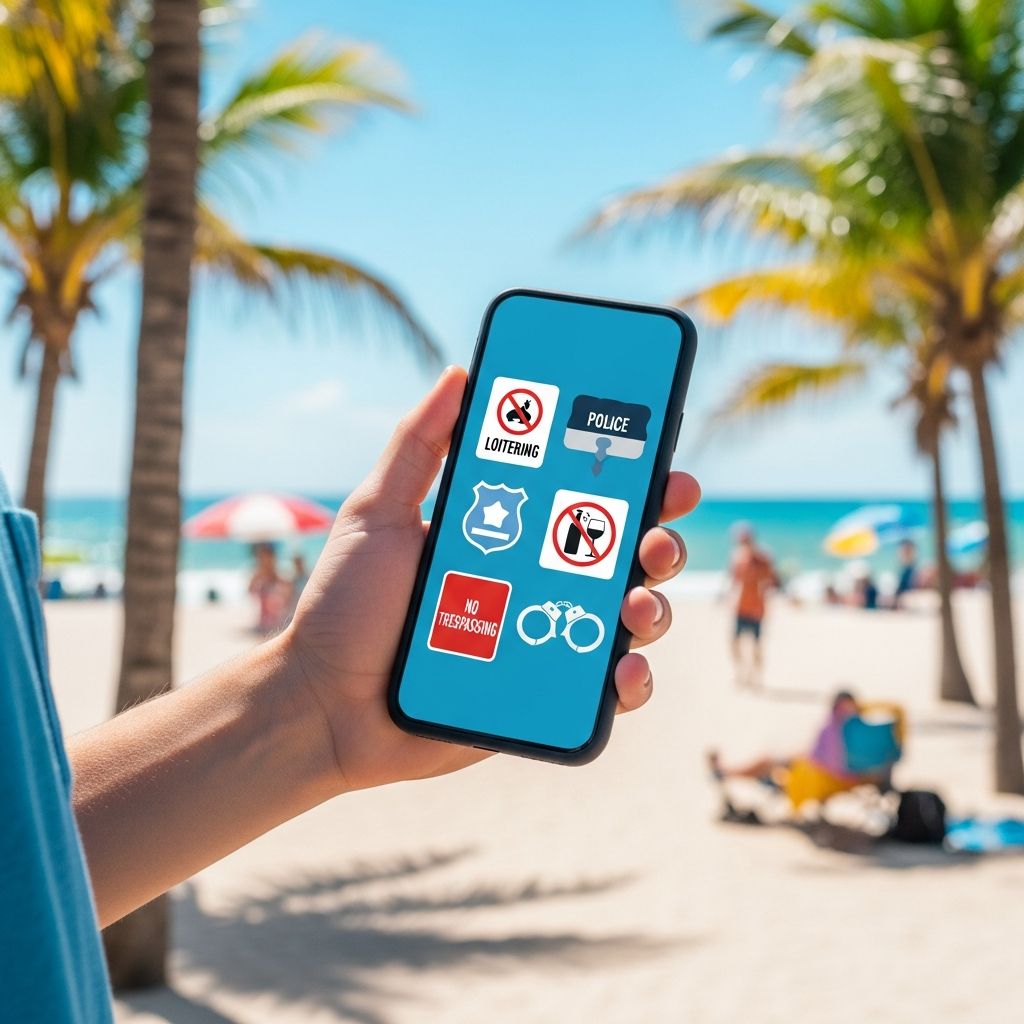
Spring break represents a thrilling escape for college students, filled with sun, sand, and social adventures. Yet, this excitement often collides with unfamiliar legal landscapes, heightening risks of arrests, fines, or worse. This guide delivers practical, law-focused strategies to safeguard your trip, drawing from university advisories and safety protocols to prioritize fun without fallout.
Mastering Destination-Specific Regulations
Every locale enforces unique rules that can trap the unaware traveler. Domestic trips might involve minor shifts like open-container bans, but international jaunts demand deeper scrutiny. For instance, Mexico’s drinking age sits at 18 in many spots, contrasting U.S. standards, while Europe’s cannabis leniency doesn’t extend everywhere. Research via official government sites like the U.S. State Department ensures compliance, preventing scenarios where a casual beach drink leads to detention.
- Consult travel advisories from State.gov for crime alerts and legal variances.
- Verify age restrictions for alcohol, gambling, and public behavior.
- Note customs on photography, drones, or public displays to sidestep fines.
Proactively studying these prevents ‘ignorance of the law’ defenses from failing in court. Universities like Arkansas emphasize familiarizing with informal customs to foster respect and evade misunderstandings.
Securing Personal Documents and Identity
Lost papers can derail vacations instantly. Carry driver’s licenses or passports securely—inner zipped pockets work best—and stash photocopies in hotel safes. Notify banks of travel itineraries to flag fraud; public Wi-Fi invites hackers, so use VPNs.
| Document | Primary Carry Method | Backup Strategy |
|---|---|---|
| Passport/ID | Secure pouch on body | Hotel safe photocopy + cloud scan |
| Health Insurance Card | Wallet | Email to self + group share |
| Emergency Contacts | Phone | Printed list |
Identity theft spikes during travel; minimize by avoiding flashy jewelry or devices that scream ‘target’.
Alcohol Consumption: Legal Boundaries and Risks
Alcohol fuels spring break but breaches laws frequently. Bingeing risks poisoning, blackouts, and impaired consent issues—legally, intoxication voids affirmative agreement in sexual encounters. Stick to moderation: alternate drinks with water, eat beforehand.
- Never leave beverages unattended to dodge tampering.
- Designate sober drivers or use rideshares like Uber with safety features.
- Know blood alcohol limits vary globally; zero-tolerance applies to minors everywhere.
Virginia Tech Police warn high intake amplifies muggings and DUIs. Parents, monitor younger teens—juvenile arrests rise sans supervision.
Water and Adventure Activity Precautions
Beaches lure crowds, but drownings surge from riptides and booze. Swim lifeguard-patrolled zones, shun solo dips post-sunset, and don life vests boating. Florida’s Walton County logs fewer student arrests but stresses supervision.
Sun exposure demands SPF 30+ reapplication; dehydration mimics intoxication legally. For skiing or hiking alternatives, check avalanche reports via NOAA.gov.
Group Dynamics and Buddy Protocols
Solo wandering invites peril—adopt the buddy system rigorously. Establish code words for sketchy scenarios, share live locations via apps post-departure, not real-time to avoid advertising vacancy.
- Arrive/leave venues together.
- Reconvene at set spots if split.
- Intervene safely as upstanders; alert hotel staff or bartenders.
Home and Vehicle Fortification Before Departure
Empty campuses tempt burglars. Lock dwellings, unplug gadgets to avert fires, timer-lights simulate occupancy, and inform campus security. Vehicles need spares, jacks, AAA coverage; inspect tires pre-road trip.
Financial Wisdom: Cash, Cards, and Scams
Blend cash for petty dealings with cards for traces, but split usage to cap losses. Shun street ATMs; opt for bank-affiliated. Rental scams proliferate—book via reputable platforms, confirm 25+ age policies often flouted, risking evictions or damages.
Interactions with Authorities: De-Escalation Tactics
Police encounters escalate fast abroad. Stay polite, truthful—falsities compound charges—and request interpreters. Hands visible, no sudden moves; film if safe, but comply first domestically per Fourth Amendment nuances.
Health and Emergency Preparedness
Update vaccines via CDC.gov; carry insurance proofs. Pharmacies stock basics, but know local ER protocols. Share itineraries with family, including companions’ details.
Digital and Social Media Vigilance
Geotags broadcast unoccupied homes—post retrospectively. Public Wi-Fi? No banking. Two-factor everywhere.
Frequently Asked Questions (FAQs)
What if I lose my passport abroad?
Contact your embassy immediately with photocopy; temporary travel docs issue swiftly if prepared.
Is marijuana safe on spring break in legal U.S. states?
No—federal law governs travel, airports; transport across states invites federal charges.
How to handle drink spiking suspicions?
Cease intake, seek medical aid, preserve evidence, report to venue authorities promptly.
Can I drive a rental impaired?
Absolutely not—penalties include license loss, jail; use rideshares always.
What about consent and hookups?
Requires sober, enthusiastic yes; impairment negates legality, risking assault charges.
Building a Spring Break Safety Plan
Craft personalized checklists: legal research, doc backups, buddy pacts, moderation vows. Discuss with peers/parents for accountability. Opt sober adventures like volunteering for fulfillment sans risks. Rentals? Vet hosts, buy insurance for parties.
Stats underscore urgency: spring breaks see spiked assaults, DUIs per university logs. Proactive steps slash these odds dramatically.
For international, enroll STEP at State.gov for alerts. Domestic? Apps like Citizen track local incidents.
References
- 16 Spring Break Safety Tips for College Students — 1fbusa.com. 2025. https://students.1fbusa.com/college-life/spring-break-safety-tips-for-college-students
- Tips for Having a Safe Spring Break — University of Arkansas News. 2025-03-20. https://news.uark.edu/articles/76991/tips-for-having-a-safe-spring-break
- 11 Spring Break Safety Tips for College Students — CollegiateParent. 2024. https://collegiateparent.com/health-safety/spring-break-safety-tips-for-college-students/
- Discussing Spring Break Safety with Your College Student — CampusESP. 2025. https://sc.campusesp.com/posts/185
- Spring Break Safety Tips — The Nomberg Law Firm. 2025. https://nomberglaw.com/blog/personal-injury/spring-break-safety-tips/
- Spring Break Safety Tips — Virginia Tech Police Department. 2025. https://police.vt.edu/safety-security/safety-tips/spring-break.html
Similar Articles








Read full bio of medha deb


