
Legal Rules for Family Thanksgiving Gatherings
Navigate state restrictions, family disputes, and hosting obligations to ensure your Thanksgiving complies with the law while keeping peace.
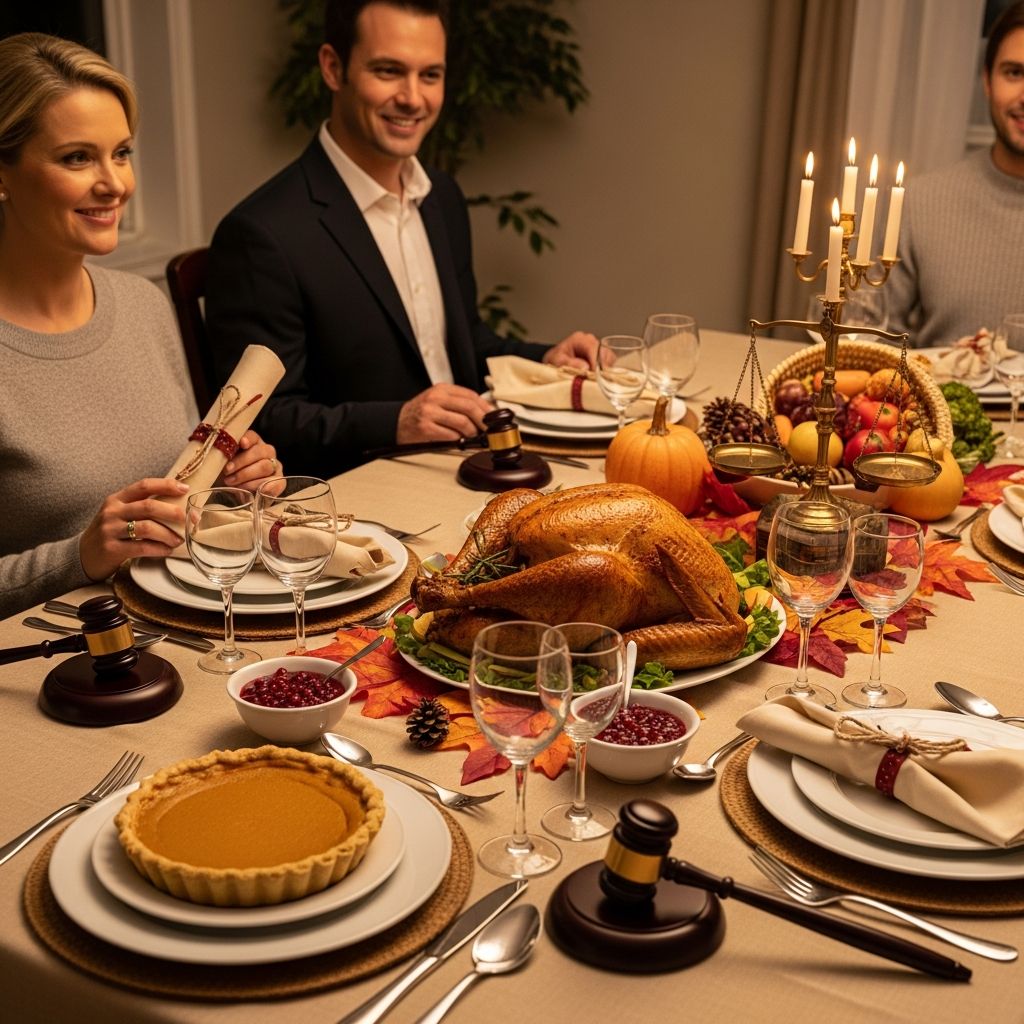
Thanksgiving remains a cornerstone of American family life, but legal constraints on gatherings, influenced by public health and local ordinances, require careful planning to avoid violations. This guide explores key regulations, family dynamics, and practical strategies for a compliant celebration.
Understanding State and Local Gathering Limits
Government authorities often impose restrictions on the number of households that can gather during holidays to mitigate health risks. For instance, some states limit assemblies to no more than three households, mandating outdoor settings for meals to reduce transmission risks. These rules stem from executive orders or health department directives, varying by jurisdiction.
- Household Caps: Typically, definitions exclude immediate family under one roof but count extended relatives separately.
- Outdoor Mandates: Indoor dinners may be prohibited; tents or patios become essential.
- Enforcement: Local police can issue fines or disperse non-compliant groups.
Compliance involves checking your state’s health department website for the latest advisories, as rules evolve with epidemiological data.
Alcohol Purchase Restrictions on Thanksgiving Day
In certain states like Massachusetts, liquor stores close on Thanksgiving, prohibiting sales of wine, beer, and spirits. This ‘dry holiday’ law aims to promote family focus over intoxication but catches many unaware.
| State | Alcohol Sales Ban | Exceptions |
|---|---|---|
| Massachusetts | Full ban on Thanksgiving | Grocery stores for beer/wine (limited) |
| Other States | Varies; some allow all day | Restaurants, private clubs |
Plan purchases in advance or opt for non-alcoholic alternatives to sidestep legal issues and ensure smooth festivities.
Managing Family Expectations and Hosting Pressures
Hosting Thanksgiving often falls on one family member, leading to burnout and disputes, as seen in widespread anecdotes where individuals refuse after years of sole responsibility. Legally, no one is obligated to host; private property rights allow hosts to set conditions or cancel.
- Communicate boundaries early to avoid drama.
- Propose shared duties: potlucks distribute labor.
- Consider professional catering to equalize contributions.
Families succeeding in rotation systems report higher satisfaction, with each member claiming a holiday slot annually.
Navigating Codes of Conduct and Etiquette Disputes
Attempts to impose formal ‘codes of conduct’—banning politics, enforcing dress codes, or assigning seats—can escalate tensions, potentially leading to canceled events. While not illegal, such overreach in a host’s home infringes on property rights; guests must respect house rules or decline attendance.
Rudest behaviors at the table include phone use, unsolicited guests, food criticism, pre-tasting salting, and tardiness. Etiquette fosters harmony without mandates:
- Arrive with a host gift.
- Offer help proactively.
- Steer conversations to neutral topics.
Health and Safety Protocols for Legal Compliance
Beyond size limits, guidelines recommend masks (except eating), six-foot distancing, and outdoor venues where feasible. Violations can result in civil penalties under emergency powers acts.
Best Practices Table
| Measure | Benefit | Legal Backing |
|---|---|---|
| Outdoor Setup | Improved ventilation | State health orders |
| Masks | Reduces droplet spread | CDC-aligned rules |
| Distancing | Minimizes contact | 6-foot standard |
These measures ensure gatherings remain lawful and low-risk.
Resolving Family Conflicts Legally
When disputes arise—over hosting, conduct, or attendance—mediation prevents escalation. No laws compel attendance, but contracts (verbal or written) for shared events hold weight if contributions are promised.
In extreme cases, restraining orders protect against harassment, though rare for holiday spats. Prioritize de-escalation:
- Host neutral family meetings pre-holiday.
- Use apps for duty assignments.
- Elect a rotating host committee.
Alternative Celebration Formats
For smaller or virtual options, states permit unlimited virtual gatherings. Hybrid models—core family in-person, others Zoom—bypass limits. Community centers may host compliant events under permits.
Low-stress ideas include:
- Picnic-style outdoor feasts.
- Pre-cooked meal deliveries.
- Neighborhood potlucks with vetted guest lists.
Frequently Asked Questions
Can I be fined for a large Thanksgiving gathering?
Yes, exceeding household limits can lead to fines up to $1,000 per violation in some states, enforced via complaints or patrols.
Is it legal to buy alcohol on Thanksgiving everywhere?
No, states like Massachusetts ban retail sales; stock up beforehand.
Do I have to host if it’s ‘tradition’?
No legal duty exists; you control your home and can decline or delegate.
What if a family member imposes rules on my event?
As host, your rules prevail; non-compliance means exclusion.
Are outdoor dinners required?
In restricted areas, yes, to comply with indoor gathering bans.
Planning a Stress-Free, Legal Thanksgiving
Combine legal awareness with communication for success. Review local rules weekly, delegate tasks equitably, and embrace flexibility. Thanksgiving’s essence—gratitude and connection—thrives under thoughtful planning.
Historical context underscores resilience: past pandemics saw adapted celebrations, from masked 1918 dinners to Zoom 2020 feasts. In 2026, balance tradition with prudence.
Expand gatherings via staggered visits: morning for one group, evening for another, maintaining limits. Incorporate games or walks to enhance bonding without crowding.
For large families, consider multi-day events or satellite dinners at parks. Legal teams advise documenting agreements to preempt disputes.
Nutritional shifts aid compliance: lighter, shareable dishes reduce prep time. Apps track RSVPs and contributions seamlessly.
Ultimately, prioritize joy: a compliant, harmonious Thanksgiving fortifies family ties enduringly.
References
- Expert Says State’s Thanksgiving Gathering Guidelines Are ‘Right …’ — YouTube/WCSX. 2024-11. https://www.youtube.com/watch?v=yTx6HppVqrg
- The Family Code Of Conduct For Thanksgiving – Good or Bad Idea? — WCSX. 2024-11-26. https://wcsx.com/2024/11/26/the-family-code-of-conduct-for-thanksgiving-good-or-bad-idea/
- To Host Or Not To Host? Thanksgiving Is Tearing American Families … — Delish. 2024. https://www.delish.com/food-news/a62696309/you-dont-have-to-host-thanksgiving/
- Americans Are Planning a Different Kind of Holiday This Year — Guideway Legal. N/A. https://guidewaylegal.com/americans-are-planning-a-different-kind-of-holiday-this-year/
- Thanksgiving Liquor Laws Massachusetts — Live959. N/A. https://live959.com/thanksgiving-liquor-laws-massachusetts/
Similar Articles








Read full bio of medha deb


