Understanding Your Legal Obligations as a Sports Fan
Attending a sporting event is an exciting experience that millions of people enjoy annually. However, the enthusiasm and passion that come with supporting your team can sometimes lead fans to cross legal boundaries without realizing the serious consequences. From assault charges to disorderly conduct violations, the legal system treats misbehavior at sporting venues with considerable seriousness. Understanding what constitutes illegal activity at these events is essential for any fan who wants to enjoy the game while staying on the right side of the law.
The intersection of sports and law has become increasingly complex as venues implement stricter security measures and authorities crack down on problematic behavior. Whether you are a casual observer or a die-hard supporter, knowing the legal framework that governs your conduct can help you avoid unnecessary legal troubles and ensure a safe, enjoyable experience for everyone in attendance.
Physical Altercations and Assault Charges
One of the most common legal issues involving sports fans is physical violence. Engaging in a fight with another fan, regardless of who initiated the conflict, can result in serious criminal charges. Assault and battery charges can carry significant penalties, including jail time, fines, and a permanent criminal record. Even if you believe you were acting in self-defense, the circumstances surrounding the incident will be carefully examined by law enforcement and the court.
The legal system recognizes that sporting events can become emotionally charged environments. However, this does not provide immunity for violent behavior. When security personnel or law enforcement intervene in altercations, they may arrest both parties involved, leaving it to the courts to determine who was at fault. Mounting a self-defense claim requires substantial evidence and may result in lengthy legal proceedings even if you ultimately prevail. The safest approach is to remove yourself from any confrontational situation and report concerning behavior to stadium security.
Stadium operators have a legal duty to maintain reasonable security measures to protect attendees from harm. If violence occurs due to inadequate security, venues may face liability. However, this responsibility does not extend to protecting fans from injuries they cause to themselves through their own misconduct. Understanding this distinction is important because it means venues will cooperate fully with law enforcement in prosecuting fans who engage in violent behavior.
Prohibited Conduct Inside Stadium Boundaries
Beyond physical violence, numerous activities at sporting venues can expose fans to criminal liability. These prohibited behaviors include:
- Throwing objects onto the field or at other spectators
- Running onto the playing surface without authorization
- Directing profane or threatening language at players, officials, or other fans
- Disrupting the event through loud or persistent noise that prevents others from enjoying the game
- Engaging in indecent exposure or lewd conduct
- Damaging stadium property or equipment
- Blocking exits or emergency evacuation routes
Each of these actions can result in misdemeanor or felony charges depending on the severity and jurisdiction. For instance, throwing an object that strikes someone may result in aggravated assault charges rather than simple disorderly conduct. Running onto the field could lead to trespassing charges in addition to any game conduct violations. The circumstances of each case determine the applicable charges and potential penalties.
Substance-Related Offenses at Sporting Events
Many sporting venues permit the sale and consumption of alcohol, creating an environment where intoxication-related offenses frequently occur. Being visibly intoxicated in a public venue like a stadium can result in disorderly conduct charges. If your intoxicated behavior disturbs other patrons or causes a disturbance, law enforcement may arrest you and charge you with this offense.
Additionally, attempting to bring alcohol into a stadium or consuming alcohol in restricted areas violates venue policies and may constitute criminal conduct depending on local ordinances. Some venues prohibit outside beverages entirely, while others restrict alcoholic drinks to designated areas. Violating these rules can result in ejection from the event and potential arrest.
The presence of illegal drugs at sporting events is taken extremely seriously by law enforcement. Possessing, distributing, or using illegal substances at a stadium constitutes criminal conduct that can result in felony charges, substantial fines, and imprisonment. Even possession of a small quantity of drugs can have lasting consequences for your employment, education, and future opportunities. Security personnel at modern stadiums are trained to identify and report suspicious drug-related activity.
Harassment and Threatening Behavior
While passionate support for your team is expected and encouraged at sporting events, crossing the line into harassment or threatening behavior creates legal liability. Verbally abusing other fans based on their race, gender, religion, or sexual orientation may violate hate speech statutes or harassment laws depending on your jurisdiction. Even if you did not intend to threaten anyone, statements that a reasonable person would interpret as threatening can result in criminal charges.
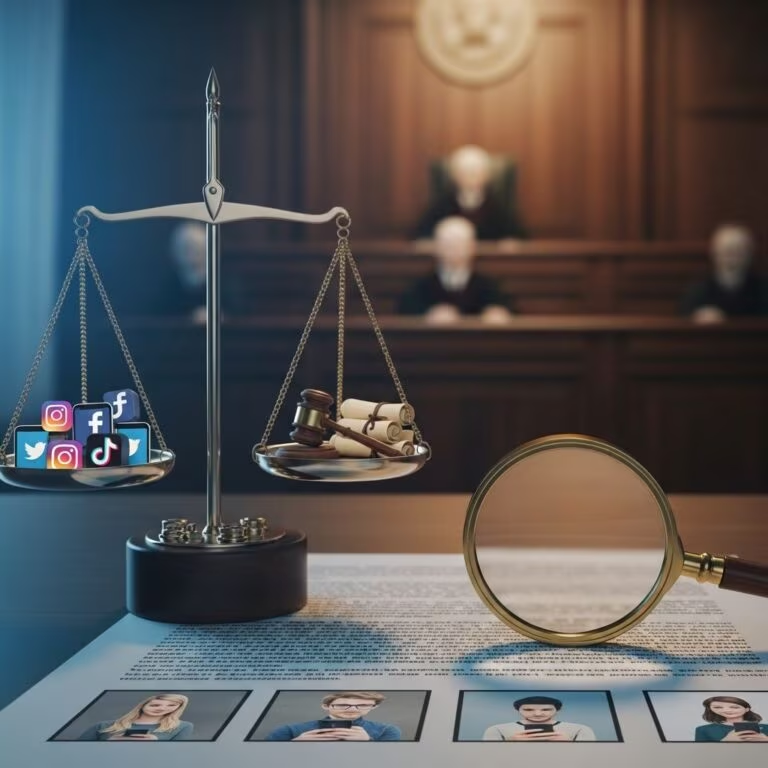
Social media has expanded the scope of conduct that can lead to legal consequences. Posting threatening messages about opposing players, officials, or fans on social media platforms can result in charges even if the statements were made from your home and not at the stadium. Law enforcement actively monitors social media for threats related to sporting events and takes action against individuals who make concerning statements.
The distinction between robust trash talk and illegal harassment can be subtle. Courts generally allow colorful language and emotional expressions of team loyalty, but statements that specifically target an individual’s protected characteristics or that constitute true threats cross the legal line. When in doubt, keeping your expressions of fandom focused on celebrating your team rather than denigrating others is the safest approach.
Disorderly Conduct and Public Disturbance
Disorderly conduct charges represent one of the most common criminal charges brought against sports fans. These charges typically involve behavior that disrupts public order or creates a risk of public alarm. Common examples include:
- Excessive yelling or noise that interferes with the event
- Blocking pathways or exits
- Refusing to comply with security personnel or law enforcement instructions
- Creating a scene that causes other attendees to feel threatened or uncomfortable
- Ignoring repeated warnings from stadium staff
Unlike some criminal offenses, disorderly conduct does not require intent to harm anyone. Simply engaging in conduct that a reasonable person would recognize as likely to provoke alarm or disturbance is sufficient for prosecution. Security personnel at stadiums are trained to identify and address disruptive behavior early to prevent escalation.
The key to avoiding disorderly conduct charges is respecting the boundaries of acceptable behavior at a shared public space. While your enthusiasm is understandable, you share the venue with thousands of other people who have the right to enjoy the event in safety and comfort.
Trespassing and Unauthorized Entry
Attempting to enter a stadium without a valid ticket or attempting to access restricted areas of the venue constitutes trespassing. This offense can result in criminal charges and permanent bans from the facility. Stadium operators have clear legal authority to exclude individuals from their premises and to use reasonable force to remove trespassers.
Once you have been ejected from a stadium, returning to the venue during the same event or within a specified timeframe can result in more serious charges. Many stadiums maintain lists of banned individuals and have security personnel trained to identify repeat violators. The consequences of trespassing charges can include jail time, fines, and a criminal record that affects future employment and educational opportunities.
Consequences Beyond Criminal Charges
The legal ramifications of misconduct at sporting events extend beyond criminal prosecution. Stadium operators maintain the right to ban problematic fans from their venues permanently or for specified periods. Some jurisdictions have implemented banning orders similar to those used internationally, which prevent individuals from attending matches at any stadium in the region for extended periods.
Civil liability also represents a significant concern. If your actions injure another person, that individual may pursue a personal injury lawsuit against you in addition to any criminal charges. Venue operators may also hold you financially responsible for any property damage you cause. These civil judgments can result in substantial financial obligations that follow you for years through wage garnishment or other collection mechanisms.
Beyond legal and financial consequences, criminal charges can have lasting effects on your personal and professional life. Employers often conduct background checks, and a criminal record may disqualify you from certain positions. Educational institutions may take disciplinary action against students with criminal records. Professional licenses in various fields require moral character certifications that criminal conduct can jeopardize.
Safety Responsibilities You Share
Sports fans have legal responsibilities that extend beyond simply avoiding criminal conduct. When attending sporting events, you have an obligation to follow emergency procedures and evacuation instructions. Blocking exits or failing to move when directed to do so during an emergency can result in criminal charges and puts lives at risk.
Additionally, if you observe dangerous or illegal behavior by other fans, reporting it to security personnel is both a moral and legal responsibility in some jurisdictions. Many stadiums have explicit policies requiring fans to report suspicious activity. While you are not legally obligated to intervene physically, failing to report known threats in some jurisdictions could make you complicit in resulting harm.
Stadium operators have the right to expect all fans to exercise reasonable caution for their own safety and the safety of others. This means not consuming excessive alcohol, not engaging in risky behavior, and not putting yourself in positions where you might provoke altercations. The assumption of risk doctrine protects venues from some liability for injuries inherent to the sport, but this does not extend to injuries resulting from fan misconduct.
Best Practices for Responsible Fan Engagement
Enjoying a sporting event while maintaining legal compliance is entirely possible by following several straightforward guidelines. First, familiarize yourself with the specific rules and policies of the stadium you plan to attend. Different venues have different regulations regarding alcohol, outside food and beverages, permitted signs and banners, and dress codes.
Second, arrive early to allow time for security screening and to locate your seating. Rushing through the venue increases the likelihood of conflicts with security personnel and other fans. Taking your time helps ensure a more pleasant experience for everyone.
Third, exercise moderation with alcohol consumption. If you choose to drink at a sporting event, do so responsibly and monitor your own behavior. Many legal problems could be avoided through simple personal restraint.
Fourth, keep your expressions of fandom focused on supporting your team rather than attacking opposing teams or players. You can be passionate without crossing into harassment or threats. Remember that other fans in the stadium may have different allegiances, and you all have the right to enjoy the event.
Finally, respect all stadium personnel, including security, law enforcement, and ushers. Refusing to follow reasonable instructions from these individuals can quickly escalate a minor issue into criminal charges. If you disagree with a decision, you can always address it through appropriate channels after the event.
Frequently Asked Questions
Q: Can I be arrested for simply being drunk at a stadium?
A: You can be arrested for disorderly conduct if your intoxication results in disruptive behavior, but mere intoxication alone is typically not sufficient. However, if you are visibly intoxicated and your behavior disturbs others, law enforcement may take action.
Q: What happens if I am banned from a stadium?
A: A stadium ban prevents you from entering that venue for a specified period or permanently. Violating a ban by attempting to enter can result in additional criminal charges and more serious penalties than the original offense.
Q: Am I responsible for injuries caused by my actions at a game?
A: Yes, you can face both criminal charges and civil liability if your actions injure someone. The injured party can sue you for damages in addition to criminal prosecution by authorities.
Q: Can I post threats about opposing players on social media?
A: No, posting threats on social media can result in criminal charges regardless of whether you are physically present at the game. Law enforcement actively monitors social media for threatening statements related to sporting events.
Q: What should I do if I witness dangerous behavior at a stadium?
A: Report the behavior immediately to stadium security or law enforcement personnel. Most modern stadiums have dedicated security teams trained to address problematic conduct before it escalates.
References
- Rights and duties of sports fans — Corresponsales Journal of Sports Law. https://entsportslawjournal.com/article/823/galley/3975/download/
- Liability of Sports Stadium Operators for Fan Misconduct: Legal Considerations and Limitations — Arizona State University Sandra Day O’Connor College of Law. http://asuselj.org/liability-of-sports-stadium-operators-for-fan-misconduct-legal-considerations-and-limitations/
- Sports Law in the United States — U.S. Government Information. https://en.wikipedia.org/wiki/Sports_law_in_the_United_States
- The Obligations of Players and Fans — Prindle Institute for Ethics, Indiana University. https://www.prindleinstitute.org/2022/04/the-obligations-of-players-and-fans/
- Legal Rights and Protections for Athletes: A Guide to Sports Law — Attorneys.Media. https://attorneys.media/sports-law/