
Legal Requirements for Installing Custom Traffic Signs
Understanding federal, state, and local regulations governing private traffic sign placement and installation.
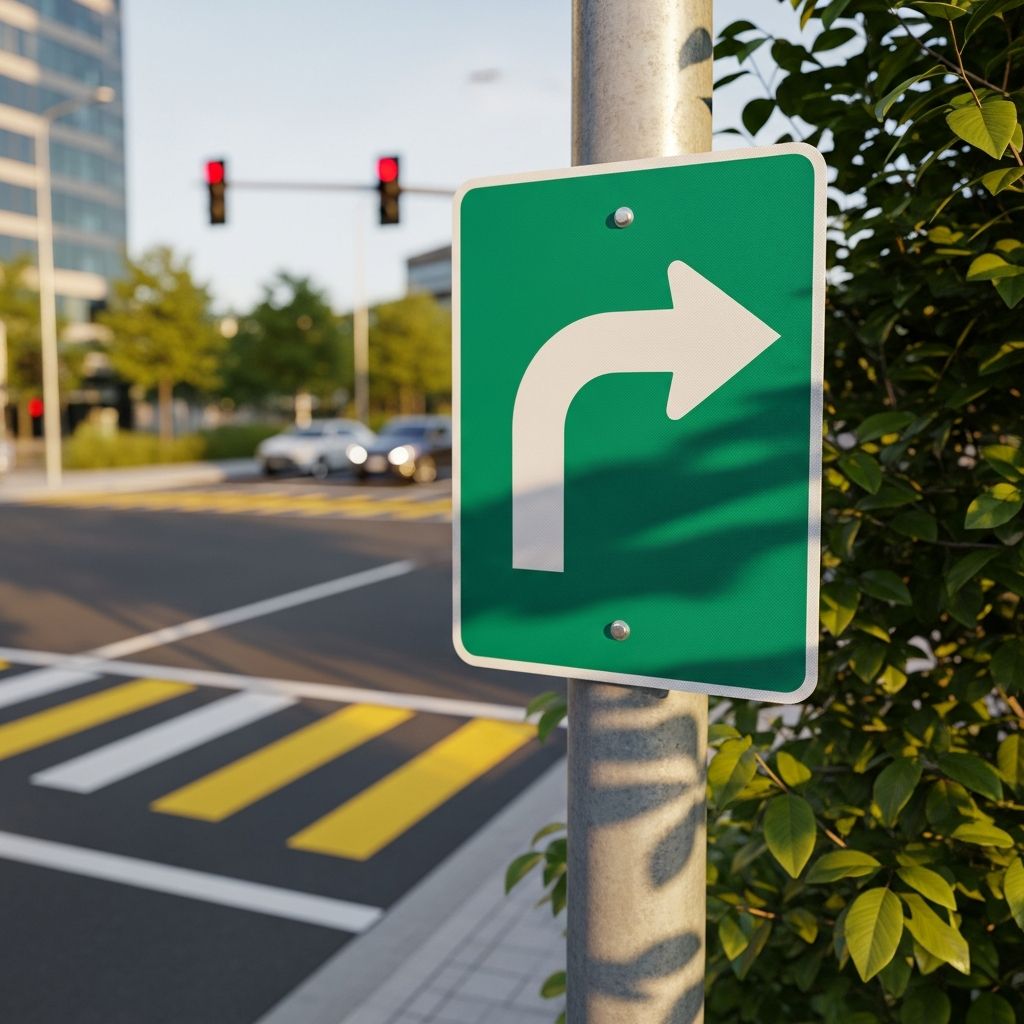
Understanding the Legal Framework for Private Traffic Sign Installation
Many property owners and businesses consider installing custom traffic signs on their premises to manage traffic flow, advertise services, or enhance safety measures. However, the process of legally installing traffic signs is far more complex than simply purchasing a sign and placing it where desired. Traffic sign regulations operate at multiple governmental levels, each imposing distinct requirements that must be satisfied before installation can proceed lawfully.
The legality of traffic sign installation hinges on several critical factors: the location of the sign, the type of sign being installed, whether it resembles official government signage, and the permissions obtained from relevant property owners and authorities. Understanding these requirements prevents costly violations, potential legal liability, and the forced removal of improperly installed signs.
Federal Regulations Governing Sign Placement
The federal government establishes baseline requirements for sign placement through the Code of Federal Regulations, specifically 23 CFR § 1.23, which addresses property usage within highway right-of-way boundaries. This regulation stipulates that all real property within right-of-way boundaries must be devoted exclusively to public highway purposes. This foundational rule significantly limits where private individuals and businesses can legally place signs.
Federal law recognizes narrow exceptions to this prohibition. Only certain authorized entities, including constituted governmental bodies responsible for traffic control and regulatory notices, may occupy space within public rights-of-way. Private signs, regardless of their purpose or design, are generally prohibited from occupying any portion of public right-of-way areas. This federal framework applies nationwide and supersedes local ordinances that might otherwise permit such placement.
State-Level Requirements and PennDOT Standards
States implement federal traffic sign regulations through their departments of transportation, which establish additional requirements specific to state highways and controlled routes. Pennsylvania’s Department of Transportation (PennDOT) exemplifies this state-level regulatory approach, creating comprehensive guidelines for outdoor advertising and traffic sign placement.
PennDOT distinguishes between on-premise and off-premise signs based on their location relative to the advertised activity or property. On-premise signs must be located on the same property as the activity being advertised, within 100 feet of that activity, and on the same side of the road. Off-premise signs, conversely, require permits and must meet stringent requirements, particularly along designated controlled routes including interstate highways and other significant routes.
State regulations explicitly prohibit certain sign placements:
- Temporary signs on state highway right-of-way without proper authorization
- Signs affixed to utility poles or traffic control devices
- Signs that obstruct visibility necessary for safe highway usage
- Signage that mimics official traffic control devices
Violations of state sign regulations carry significant penalties. PennDOT is authorized by law to enter private property to remove illegal signs and collect removal costs from responsible parties. Additionally, individuals responsible for illegal signs face potential fines of $500 per day until the sign is removed.
Municipal Ordinances and Local Compliance
Individual municipalities have authority to establish sign regulations that comply with or exceed state and federal standards. These local ordinances address specific community concerns, aesthetic preferences, and traffic management goals. Understanding applicable municipal codes is essential before installing any sign, as local requirements often impose stricter limitations than state regulations.
Typical municipal sign ordinances establish parameters for:
- Maximum sign dimensions and square footage
- Permitted sign locations and setback distances from public roads
- Illumination restrictions and lighting specifications
- Number of signs permitted per property or entrance
- Signage duration limits for temporary installations
- Height restrictions and visibility clearance requirements
For example, some municipalities permit residential personal expression signs under 3 square feet without requiring permits, provided they are non-illuminated and contain non-commercial messaging. However, these same municipalities may prohibit any signage in certain commercial districts or establish different requirements for business properties.
Right-of-Way Restrictions and Property Boundaries
Public right-of-way represents land controlled by government entities for transportation infrastructure, utilities, and public access. In many jurisdictions, public rights-of-way extend 12.5 feet from the paved road surface on each side, though this varies by location. Property owners often mistakenly believe they can place signs anywhere on their land, but signs positioned within right-of-way boundaries technically occupy public property and violate federal regulations.
To ensure legal sign placement on private property, property owners should position signs at least the applicable right-of-way distance from all paved public road surfaces. Additionally, signs must be positioned entirely on the private property side of all utilities, both above and below ground, and must not encroach upon traffic control signs or sidewalks.
Signs placed on public infrastructure present particularly problematic violations. Public utilities such as telephone poles, traffic signs, and public structures fall within right-of-way boundaries and are explicitly off-limits for private signage. Affixing signs to such infrastructure violates federal regulations and subjects the responsible party to removal by government authorities and associated penalties.
Permission Requirements and Property Owner Liability
A fundamental legal principle often overlooked by sign installers concerns property owner permission. Anyone placing a sign on property bordering a public right-of-way must first obtain explicit permission from the property owner. This requirement applies even to individuals installing signs on their own property when that property borders public easements or rights-of-way, as the government retains certain rights over those areas.
Property owners bear legal responsibility for signs placed and allowed to remain on their property in violation of applicable codes. This liability extends beyond simple sign removal; property owners may face citations, fines, or other enforcement actions for maintaining non-compliant signage. Consequently, property owners should carefully review any sign installation requests and verify compliance with all applicable regulations before granting permission.
Additionally, property owners retain the right to remove any sign placed on their property. This right protects property owners from unwanted signage while also creating an obligation to monitor signs for compliance. Property owners who knowingly allow non-compliant signs to remain on their property risk legal liability and enforcement action.
Permit Requirements and Application Procedures
Many sign installations require formal permits before placement can occur legally. The necessity of a permit depends on several factors: the sign’s location, type, size, illumination, and commercial versus non-commercial status. Small temporary signs such as garage sale, political, or real estate signs placed on private property with owner permission often qualify for exemptions from permit requirements, particularly if they meet size and duration specifications.
However, off-premise signs, large permanent installations, and signs along controlled routes typically require PennDOT permits or local municipal permits. The permit application process involves submitting detailed specifications, location maps, sign designs, and documentation of property owner permission. Municipal planning departments review applications to verify compliance with local ordinances and may require modifications before approval.
Obtaining permits before installation protects property owners from liability and ensures signage meets all applicable standards. Unpermitted installations risk forced removal, fines, and potential criminal charges depending on the severity and nature of the violation.
Official Traffic Signs versus Private Signage
A critical legal distinction exists between official traffic control signs installed by government authorities and private signage. Official traffic signs, including stop signs, yield signs, speed limit signs, and other regulatory notices, may only be installed by authorized governmental entities. Private individuals installing signs that resemble official traffic control devices commit serious violations with potential criminal implications.
The prohibition against private traffic sign installation exists to prevent confusion among motorists and ensure consistent traffic management. Drivers rely on the presence and appearance of official signs to make rapid, life-safety decisions. Private signs mimicking official traffic signals could mislead drivers and create dangerous traffic conditions.
This restriction applies even to minor variations or homemade versions of official signs. Installing a homemade stop sign, speed limit sign, or directional sign mimicking government traffic control devices violates federal regulations and state laws, regardless of the property owner’s intent to improve safety.
Practical Considerations for Sign Installation
Before installing any sign, property owners should conduct thorough research into applicable regulations at all governmental levels. This process typically involves:
- Reviewing municipal sign ordinances and zoning regulations
- Checking state department of transportation requirements for the relevant jurisdiction
- Measuring right-of-way boundaries to ensure compliance with setback requirements
- Identifying utilities and easements that may restrict sign placement
- Obtaining written permission from affected property owners
- Submitting permit applications when required
- Obtaining approval before commencing installation
Consulting with local planning departments or municipal officials can clarify ambiguous requirements and identify potential compliance issues before investment in sign materials. Many municipalities provide guides or resources explaining local sign regulations, available through municipal websites or planning department offices.
Enforcement and Legal Consequences
Violations of traffic sign regulations result in various consequences depending on violation severity and jurisdiction. Municipal code violations typically result in citations, fines, and orders to remove non-compliant signage. Property owners who fail to comply with removal orders may face escalating fines or additional penalties.
State-level violations, particularly those involving highway right-of-way or interference with traffic control, carry more serious consequences including criminal charges in egregious cases. Individuals responsible for illegal signs face potential fines, removal costs charged to the violator, and restitution for government costs associated with enforcement and removal.
Beyond government enforcement, improper sign installation may create civil liability. If a non-compliant or improperly installed sign causes injury or property damage, the person responsible for installation and the property owner may face lawsuits from injured parties seeking compensation.
Frequently Asked Questions About Traffic Sign Installation
Q: Can I install a stop sign on my private property to slow traffic on my street?
A: No. Only authorized government entities can install official traffic control signs like stop signs. Installing a homemade or official-looking stop sign violates federal regulations and state law. Instead, contact your local traffic department or municipal government to request traffic calming measures if you believe additional safety measures are needed.
Q: Do I need permission from anyone to place a small sign on my own property?
A: While you own the property, you must still obtain permission if the sign will be placed near or affecting neighboring property or public easements. Additionally, you must comply with local zoning ordinances and setback requirements. Verify that your sign location is outside any public right-of-way before installation.
Q: What is a right-of-way and how does it affect sign placement?
A: A right-of-way is land controlled by the government for transportation, utilities, and public access. Private signs cannot be placed within right-of-way areas. The right-of-way typically extends 12.5 feet from paved road surfaces, though this varies by location. Check with your municipal planning department to determine right-of-way boundaries on your property.
Q: Will I need a permit for a temporary yard sale or political sign?
A: Small temporary signs may be exempt from permit requirements if they meet specific criteria regarding size, location, and duration. However, regulations vary by municipality. Check local ordinances or contact your planning department to determine if your temporary sign requires a permit.
Q: What happens if I install a non-compliant sign?
A: Authorities may issue citations, impose fines, and order removal of the sign. If you fail to comply with removal orders, fines may escalate. Government agencies may remove the sign at your expense, and you may face additional penalties. In serious cases involving official sign mimicry, criminal charges are possible.
References
- A Resident’s Guide to Signs in the Borough of Franklin Park — Borough of Franklin Park. https://www.franklinparkborough.us/DocumentCenter/View/1656
- Model Sign Ordinance — APA Pennsylvania Chapter. https://planningpa.org/wp-content/uploads/Model-Sign-Plan-2.pdf
- Outdoor Advertising Control — Businesses — Pennsylvania Department of Transportation. https://www.pa.gov/agencies/penndot/programs-and-doing-business/road-design/outdoor-advertising-control/businesses
- Outdoor Advertising Control — Commonwealth of Pennsylvania. https://www.pa.gov/agencies/penndot/programs-and-doing-business/road-design/outdoor-advertising-control
- Sign Regulations Guide — Uptown Township. https://uptownship.org/wp-content/uploads/2021/07/fnp-signs_rulesPA.pdf
- Title 23 Code of Federal Regulations Section 1.23 — U.S. Federal Government. https://www.ecfr.gov/current/title-23/part-1
Similar Articles








Read full bio of medha deb


