
Legal Recourse for Police Dog Bite Injuries
Understand your rights and compensation options after a police dog attack injury.
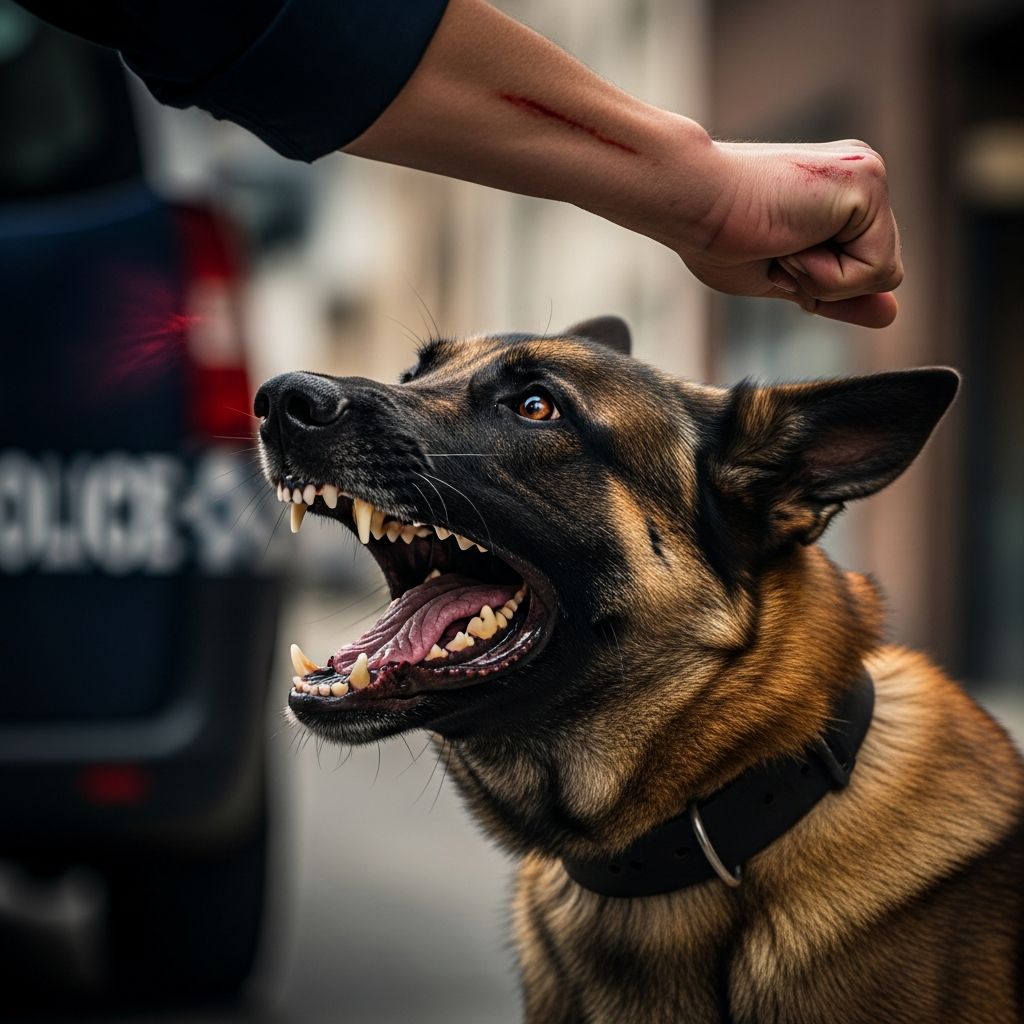
Understanding Your Rights After a Police Dog Bite
When a police dog injures you, the circumstances surrounding the incident determine whether you have grounds for legal recovery. Unlike ordinary dog bite cases, incidents involving law enforcement animals operate within a specialized legal framework that balances public safety with individual constitutional protections. Understanding the distinction between authorized and unauthorized use of police dogs is essential to determining whether you have a valid claim for damages.
Circumstances That Support Legal Claims
Police departments maintain considerable authority to deploy K-9 units during law enforcement operations, but this authority is not unlimited. The law recognizes that certain deployments constitute excessive force or violate fundamental constitutional rights, creating grounds for civil litigation.
Unprovoked Attacks on Innocent Bystanders
One of the clearest scenarios establishing liability occurs when a police dog attacks an individual who has no connection to the incident and poses no threat. If you were present at a location where law enforcement responded but were not involved in any criminal activity, you occupy a protected status under the law. In such cases, municipalities and the responsible officers may be held accountable for injuries sustained, even if the dog was technically being used in a law enforcement capacity.
Deployment Against Non-Threatening Suspects
Police officers must exercise proportional judgment when determining whether deploying a dog is appropriate. If you had already surrendered to police, complied with commands, or posed no immediate physical threat, releasing a dog to bite constitutes excessive force. Courts have consistently recognized that deploying an animal designed to inflict serious injury against a non-threatening individual violates constitutional protections against unreasonable force. Evidence supporting this determination includes whether you were armed, actively resisting arrest, or attempting to flee.
Absence of Proper Warning
Many jurisdictions recognize that police should provide reasonable opportunity for compliance before deploying a dog. If officers released a dog without first ordering you to cease conduct or surrender, this procedural failure may strengthen your claim. Some legal precedents suggest that failing to give a suspect warning before deployment constitutes unreasonable force, particularly when applied to individuals who might comply with verbal commands.
The Constitutional Framework for Police Dog Claims
Federal civil rights law provides the primary avenue for pursuing compensation after police dog injuries. The Fourth Amendment protects citizens against unreasonable seizures, and courts have determined that releasing a dog on an individual constitutes a seizure requiring proper justification. This constitutional framework means that improper deployment can violate your fundamental rights, creating liability for officers and their departments.
Section 1983 of federal law allows individuals to bring civil rights claims against government officials and agencies when they violate constitutional rights under color of law. This statute is the primary mechanism for holding law enforcement accountable for dog-related injuries. Successfully pursuing this remedy requires demonstrating that the officer’s conduct violated a clearly established constitutional right, which creates litigation complexities but also provides a pathway to substantial damages when successful.
Overcoming Qualified Immunity Protections
Police officers benefit from qualified immunity, a legal doctrine that shields government officials from lawsuits unless they violated clearly established constitutional rights. This protection does not create absolute immunity for dog-related incidents but significantly raises the evidentiary burden on injured parties.
Defeating qualified immunity requires demonstrating that prior court decisions—either from your specific state or from the appellate circuit covering your jurisdiction—had already established that similar conduct was unlawful. Without such precedent, courts may dismiss cases even when the officer’s conduct appears unjustified. This requirement explains why experienced civil rights attorneys are invaluable; they can identify controlling precedents that support your specific fact pattern and craft arguments that overcome immunity defenses.
State-Specific Limitations and Immunity Provisions
Some states have enacted statutes providing police and military dogs with broad immunity during law enforcement operations. California law exemplifies this approach, offering significant protection to law enforcement agencies when dogs bite suspects during investigation, apprehension, warrant execution, or officer defense. These statutory protections create important distinctions: while suspects receive limited protection, innocent bystanders retain the ability to pursue claims even in states with strong police dog immunity provisions.
Your state’s specific statutory framework determines the procedural requirements and timelines for filing claims. Most jurisdictions require filing a formal tort claim with the relevant government entity before pursuing litigation, and strict deadlines typically apply. Failing to comply with these procedural prerequisites can bar your claim entirely, making prompt action essential after any police dog incident.
Pursuing Damages for Police Dog Injuries
Victims of unjustified police dog attacks can recover various categories of damages addressing both economic losses and non-economic harm.
Economic Damages
These damages compensate for measurable financial losses directly caused by the bite incident. Medical expenses represent the largest component for most victims and include emergency room treatment, surgical intervention, wound care, antibiotics and medications, physical therapy, and ongoing medical management of permanent injuries. Lost wages cover income lost during recovery periods and medical appointments. If injuries prevent return to your previous occupation, you may claim reduced earning capacity damages reflecting the permanent diminishment of your income-earning potential. Additionally, if the attack destroyed clothing or other personal property, these replacement costs constitute recoverable economic damages.
Non-Economic Damages
These damages address suffering that lacks a direct dollar value but profoundly impacts quality of life. Pain and suffering compensation reflects both the physical pain experienced during the incident and recovery, as well as ongoing discomfort from permanent injuries. Emotional distress damages address anxiety, PTSD, or psychological trauma resulting from the attack. Disfigurement compensation applies when bite injuries leave visible scarring or permanent marks. Loss of enjoyment of life damages recognize that serious injuries may prevent participation in activities you previously enjoyed.
Punitive Damages
In cases involving particularly egregious conduct—such as intentional malicious deployment or reckless disregard for known dangers—courts may award punitive damages intended to punish the responsible parties and deter future misconduct. These damages go beyond compensating your actual losses and instead serve broader social objectives. Punitive damages require clear evidence of malice or extreme recklessness and are only available in specific factual circumstances.
Procedural Steps for Filing Claims
Successfully pursuing police dog bite litigation requires adherence to specific procedures that vary by jurisdiction. Understanding these requirements prevents inadvertent forfeiture of your rights.
Immediate Post-Incident Actions
Your first priority following a police dog bite is seeking immediate medical attention. Even seemingly minor puncture wounds require professional evaluation because dog bites carry significant infection risks and can cause nerve or muscle damage not apparent on initial examination. Document your medical care thoroughly, including all treatment records, provider notes, imaging studies, and follow-up appointments. This medical documentation becomes critical evidence in your eventual claim.
While medical treatment is occurring, gather incident details while your memory is accurate. Record officer names, badge numbers, agency affiliations, and descriptions of all personnel present. Document the location and time of the incident. Note what commands or warnings were given before the dog was released. Photograph your injuries extensively from multiple angles and continue photographing progression of healing to demonstrate injury severity and duration.
Formal Claims Process
Before pursuing litigation, most jurisdictions require filing a formal tort claim notice with the relevant government entity—typically the police department or municipality. This notice must provide specific information about the incident, your injuries, and damages claimed. Filing requirements, deadlines, and procedures vary significantly by state, making it essential to consult with an attorney immediately to ensure compliance.
The government entity typically has a specified period—often 30 to 45 days—to respond to your claim. Most rejections occur during this administrative phase, as government entities rarely accept liability voluntarily. If the claim is denied, you may proceed to file a formal civil rights lawsuit, but the administrative claim must be properly filed first or your lawsuit may be barred.
Evidence Gathering and Investigation
After filing a formal claim, your attorney should request all documentation related to the incident. This includes police reports, incident summaries, body camera footage, dashboard camera recordings, dispatch records, and photographs taken at the scene. Additionally, K-9 unit records—including the dog’s training history, prior bite incidents, and deployment guidelines—become crucial evidence. The dog’s trainer qualifications and the handler’s specific training in K-9 deployment procedures may demonstrate whether appropriate protocols were followed.
Challenges in Police Dog Bite Cases
Litigating against law enforcement presents unique obstacles. Government entities have substantial resources for defense, and officers benefit from qualified immunity and other legal protections. Additionally, jurors sometimes harbor unconscious bias favoring law enforcement, making them reluctant to assign liability for actions taken during police operations. Overcoming these challenges requires sophisticated legal analysis and experienced representation.
When You Cannot Sue for Police Dog Bites
Not all police dog incidents provide grounds for legal recovery. If you were an actual criminal suspect at the time of the bite, your legal protections are substantially reduced. The use of police dogs in apprehension, investigation, or warrant execution generally falls within authorized police conduct. Additionally, if the dog was defending itself from conduct you initiated—such as if you attacked the animal first—liability claims become significantly more difficult to pursue. Understanding these limitations helps establish realistic expectations about your claim’s viability.
The Importance of Legal Representation
Police dog bite cases involve complex legal standards, procedural requirements, and substantial evidentiary issues that typically exceed what injured individuals can manage independently. An experienced civil rights attorney can evaluate whether your specific circumstances meet legal standards for recovery, navigate procedural requirements that vary by jurisdiction, identify controlling precedents that support your claim, negotiate with government entities and insurers, and present your case effectively if litigation becomes necessary. The financial stakes are often substantial, making professional legal guidance a worthwhile investment.
Frequently Asked Questions
Q: How long do I have to file a claim after a police dog bite?
A: Filing deadlines vary by state, typically ranging from 30 days to two years. Many jurisdictions require filing an administrative claim with the police department or municipality before pursuing litigation. Consult an attorney immediately to determine your jurisdiction’s specific timeline, as missing deadlines can permanently bar your claim.
Q: Can I sue if I was a criminal suspect when the dog bit me?
A: Your status as a suspect significantly complicates claims, but successful litigation is still possible. You may recover if the dog was deployed without proper justification, without warning, or against someone who had already surrendered or posed no threat. The circumstances matter substantially, requiring careful legal analysis of your specific situation.
Q: What if the police department had no authorized dog program?
A: Unauthorized use of police dogs strengthens liability claims considerably. If an officer deployed a dog without proper authorization, training protocols, or departmental approval, this unauthorized conduct makes the municipality and officer more vulnerable to liability for resulting injuries.
Q: How much compensation can I recover?
A: Compensation depends on injury severity, medical expenses, lost income, and jurisdiction-specific damage caps. Minor bites might result in several thousand dollars in recovery, while serious injuries with permanent scarring or disability can justify compensation ranging into hundreds of thousands of dollars. Your attorney can estimate damages based on comparable cases.
Q: Do I need to prove the officer acted intentionally?
A: No. Most police dog claims succeed based on negligence or excessive force rather than proving intentional misconduct. Demonstrating that the officer failed to exercise proper judgment or deployed the dog in violation of constitutional protections is sufficient, even if the officer did not intend harm.
Q: What happens if I was trespassing when the dog bit me?
A: Trespassing complicates your claim but does not necessarily eliminate it. If police responded to trespassing and deployed a dog without proper justification against you as a non-threatening suspect, you may still recover. The lawfulness of the dog deployment is separate from the underlying reason for police presence.
References
- Civil Liability for Use of Police Dogs — American Law Enforcement Law Institute. 2014. https://www.aele.org/law/2014-08MLJ101.html
- 42 U.S.C. § 1983 – Civil Action for Deprivation of Rights — United States Code, Title 42. https://www.law.cornell.edu/uscode/text/42/1983
- Fourth Amendment – Search and Seizure — United States Constitution. https://www.law.cornell.edu/constitution/fourth_amendment
- California Civil Code § 3342 – Liability for Dog Bite Injuries — State of California Legislative Information. https://leginfo.legislature.ca.gov/faces/codes_displaySection.xhtml?lawCode=CC§ionNum=3342
- South Carolina Tort Claims Act — State of South Carolina Code of Laws. https://scstatehouse.gov/code/t01c023.php
Similar Articles








Read full bio of medha deb


