
Legal Consequences of Not Paying Child Support
Explore how missed child support payments can trigger serious legal, financial, and personal consequences for parents.
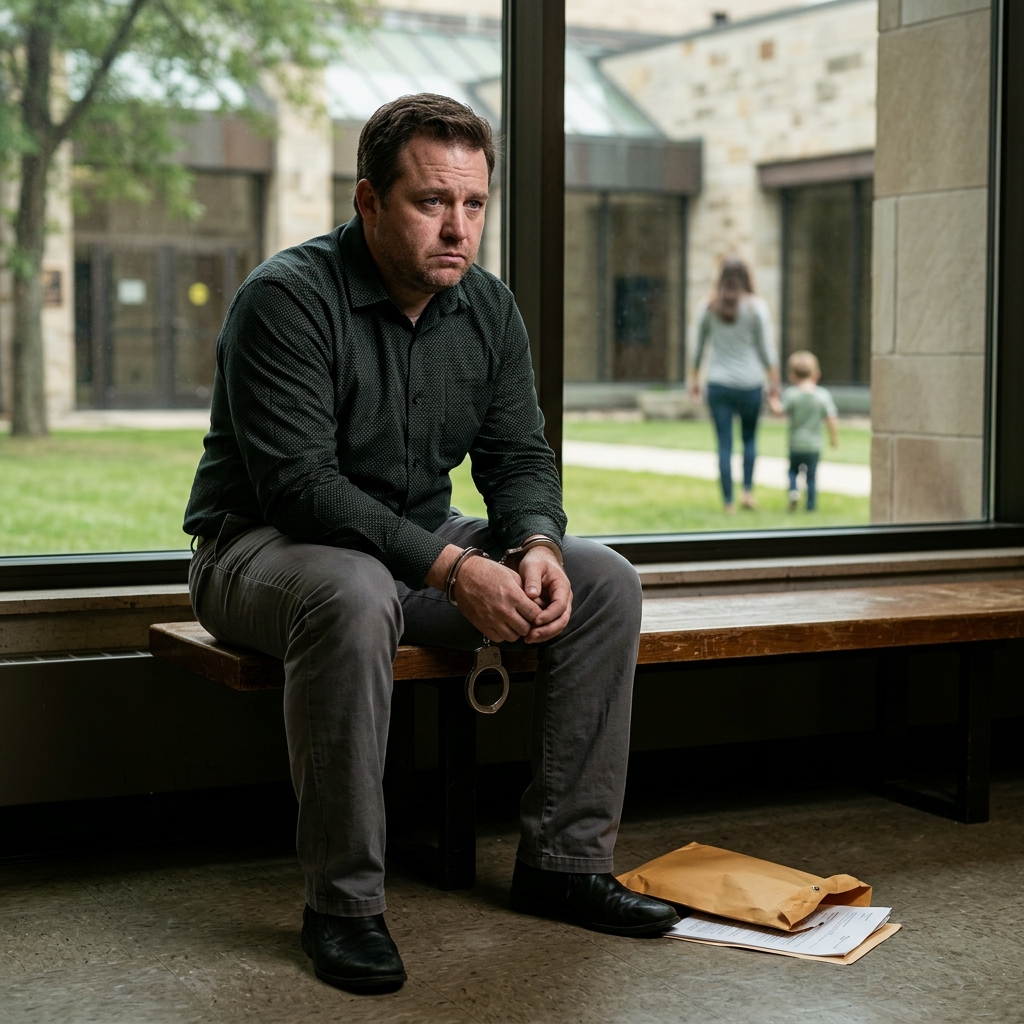
When a court orders a parent to pay child support, that order is legally binding. Failing to pay on time or in full can trigger an escalating series of financial, legal, and personal consequences that follow a parent for years. Understanding these risks is critical for anyone who is struggling with payments or dealing with a co-parent who has stopped paying.
Why Child Support Orders Are Taken So Seriously
Child support is not simply a private agreement between parents; it is a formal court order designed to ensure that a child’s basic needs are met. Once an order is entered, states and child support agencies are required to enforce it aggressively.
Key reasons child support enforcement is strict include:
- Protection of the child’s wellbeing – Support helps cover housing, food, medical care, and education.
- Public policy – States aim to reduce reliance on public assistance by requiring parents to contribute financially.
- Respect for court authority – Ignoring a support order is treated as disobeying a judge’s directive, which can lead to contempt of court findings.
How Missed Payments Turn Into Child Support Arrears
When a parent misses a payment, the unpaid amount is typically classified as arrears, also known as past-due or back child support. These arrears accumulate until they are fully paid, and they rarely disappear with time.
Important features of arrears include:
- Automatic creation – Each time a payment is missed or underpaid, a new arrear is added.
- Interest charges – Many states, such as California, add interest to unpaid support balances. California law allows 10% annual interest on unpaid child support, dramatically increasing the total owed over time.
- Long-term survival – In several jurisdictions, child support debt does not expire and remains collectible even after the child reaches adulthood.
Because interest continues to accrue, delaying payment often makes the problem much more expensive. A parent who falls behind for just a few months can end up owing thousands more than the original support amount once interest and penalties are added.
Common Enforcement Tools States Use
States and local child support agencies use a range of enforcement methods to collect unpaid support. These tools are usually authorized by statute and can be used without filing a new lawsuit in many cases.
Income Withholding and Wage Garnishment
One of the most common enforcement techniques is wage garnishment, also called an income withholding order. Courts or child support agencies can direct an employer to automatically deduct child support from the paying parent’s paycheck.
- Employers receive a legal order and must comply by sending a portion of the paycheck to the support agency or custodial parent.
- Wage garnishment can apply to salaries, hourly wages, bonuses, commissions, and sometimes unemployment benefits.
- Missing payments after a wage garnishment is in place can lead to additional enforcement actions or contempt proceedings.
Tax Refund Intercepts and Asset Seizures
Parents who owe back support may lose state or federal tax refunds. Under programs like the Federal Tax Refund Offset, tax authorities can divert refunds to cover past-due child support.
In addition, states may take direct action against a parent’s property:
- Bank account levies – Agencies can seize funds from bank accounts to satisfy arrears.
- Property liens – Liens can be placed on homes, vehicles, or other assets, preventing sale or refinancing until the support debt is paid.
- Seizure and sale of assets – In serious cases, assets may be sold to pay off child support obligations.
License Suspensions
States frequently target licenses to motivate payment. If a parent falls significantly behind, authorities can suspend:
- Driver’s licenses – Suspension can occur after delinquency, sometimes with notice and an opportunity to arrange a payment plan.
- Professional and occupational licenses – Licenses for doctors, nurses, contractors, and other professions can be suspended until payment arrangements are made.
- Recreational licenses – Hunting or fishing licenses may also be at risk in some states.
Loss of a driver’s or professional license can make it harder to work, which is why many agencies allow parents to restore licenses if they enter into payment agreements or demonstrate effort to catch up.
Passport Denial and Restrictions
Federal law allows passport denial or revocation when a parent owes a substantial amount of child support. Parents with more than $2,500 in past-due child support can be blocked from obtaining or renewing a passport.
This restriction can affect:
- International travel for work or family reasons
- Relocation or temporary assignments overseas
- Emergency travel that requires a valid passport
Credit Reporting and Long-Term Financial Impact
Unpaid child support can damage a parent’s credit profile. Courts or child support agencies may report delinquencies to major credit bureaus, resulting in a lower credit score.
Consequences of negative credit reporting include:
- Difficulty obtaining loans, mortgages, or car financing
- Higher interest rates on any approved credit
- Potential impact on rental applications and some job background checks
Contempt of Court and Civil Penalties
Because child support orders come from a court, ignoring them may lead to a finding of contempt of court. Contempt is a formal declaration that a parent willfully disobeyed a court order.
In many jurisdictions:
- Each missed payment can be treated as a separate count of contempt, increasing potential penalties.
- Civil contempt can result in fines, community service, or short jail terms, often calculated per month of non-payment.
- Courts may also order the non-paying parent to reimburse the other parent’s attorney’s fees incurred in enforcement efforts.
Judges typically look at whether the failure to pay was willful—meaning the parent had the ability to pay but chose not to. Parents who truly cannot pay due to job loss or medical issues may be able to present evidence and seek a modification rather than face contempt penalties.
Criminal Liability for Serious Non-Payment
In extreme situations, non-payment of child support can move beyond civil enforcement and become a criminal matter. Some states classify willful failure to pay child support as a misdemeanor or even a felony depending on the amount owed and how long payments have been missed.
| Type of Consequence | Typical Trigger | Possible Outcomes |
|---|---|---|
| Civil Contempt | Repeated missed payments; ability to pay shown | Fines, community service, short jail terms, attorney’s fees |
| Misdemeanor Charges | Willful non-payment over a significant period | Up to a year in jail, fines around several thousand dollars |
| Felony Charges | Large arrears and long-term non-payment | Substantial fines, probation, or prison time |
Impact on the Non-Paying Parent’s Daily Life
The consequences of not paying child support reach far beyond the courtroom. They can disrupt nearly every area of a parent’s life.
- Employment difficulties – Wage garnishment and damaged credit can affect job prospects and promotions, especially in positions that require financial responsibility.
- Restricted mobility – Loss of a driver’s license or passport limits travel and makes commuting or relocating more difficult.
- Housing and financial uncertainty – Liens, bank levies, and negative credit history complicate renting, buying a home, or obtaining basic credit.
- Strained family relationships – Conflict over unpaid support can worsen co-parenting relationships and affect the parent’s contact with the child.
Options for Parents Who Cannot Keep Up With Payments
Parents who genuinely cannot pay the ordered amount are not without options, but they must act quickly. Ignoring letters, court notices, or agency contact usually makes the situation worse.
Seeking a Child Support Modification
If income significantly decreases—due to a layoff, disability, or other major change—a parent can often ask the court to modify the child support order. Courts generally require:
- Proof of changed circumstances, such as pay stubs, termination letters, or medical documentation
- Evidence of efforts to find new work or maintain some level of financial support
- Formal filing of a modification request rather than informal agreements between parents
It is important to note that, in many jurisdictions, modifications affect future payments only. Past-due amounts usually remain owed and continue to accrue interest.
Communicating With Child Support Agencies
State and local child support agencies may offer payment plans or alternative arrangements for parents who fall behind. These agencies often encourage parents to:
- Respond promptly to notices and attend scheduled hearings or meetings
- Make partial payments to show good faith, even if full payment is not possible
- Discuss realistic payment schedules that help reduce arrears without jeopardizing basic living expenses
Working With a Family Law Attorney
Because the laws governing child support are complex and vary widely by state, consulting a family law attorney can be crucial. An attorney can:
- Explain rights and obligations under the existing order
- Assist with filing for modification or defending against contempt actions
- Negotiate with the other parent or agency to reach payment arrangements
Steps Custodial Parents Can Take When Support Is Not Paid
A custodial parent who is not receiving court-ordered child support also has important tools available. Enforcement is not automatic in every case, so parents may need to initiate action.
- Request agency assistance – Many states have offices dedicated to child support enforcement that can pursue wage garnishment, tax refund intercepts, and license suspensions.
- File a motion in court – A motion for enforcement or contempt can bring the issue before a judge, who can impose penalties or adjust payment mechanisms.
- Keep detailed records – Documentation of missed payments, communication attempts, and related expenses helps support enforcement actions.
Frequently Asked Questions About Not Paying Child Support
Can I be jailed for not paying child support?
Yes. Courts can impose jail time in civil contempt proceedings when a parent willfully fails to comply with a child support order. In some states, long-term or major non-payment can also lead to criminal charges that carry potential jail or prison sentences.
Does child support debt ever go away?
In many jurisdictions, child support arrears remain enforceable until paid in full, even after the child becomes an adult. Interest may continue to accrue on these arrears, making them more difficult to eliminate over time.
Will my driver’s license be suspended if I miss a few payments?
License suspension usually occurs after a pattern of non-payment, and agencies often send notice before taking action. However, repeated missed payments or large arrears can quickly put a driver’s license at risk, especially if the parent does not respond to notices or set up a payment plan.
What happens if I lose my job and cannot pay?
Parents who lose their job should seek a modification of the support order as soon as possible and communicate with child support agencies about their situation. Courts are more likely to adjust future obligations if a parent acts promptly and provides evidence of income changes.
Can I stop paying if I do not see my child?
No. Child support and visitation are legally separate issues. A parent cannot stop paying court-ordered support because of visitation disputes or conflicts with the other parent. Attempting to do so can lead to enforcement actions and contempt findings.
References
- When a Parent Refuses to Pay Child Support — LawInfo. 2024-01-10. https://www.lawinfo.com/resources/child-support/what-happens-to-a-father-who-refuses-to-pay-c.html
- How Unpaid Child Support in California Can Lead to Serious Legal Trouble — Fontes Law Group. 2023-06-15. https://fonteslawgroup.com/how-unpaid-child-support-in-california-can-lead-to-serious-legal-trouble/
- Consequences of Failing to Pay Child Support in California — Paul Duron Law Offices. 2022-09-20. https://www.paulduron.net/blog/consequences-of-failing-to-pay-child-support/
- What Happens If You Don’t Pay Child Support in California? — Provinziano & Associates. 2023-02-08. https://provinziano.com/blog/what-happens-if-you-dont-pay-child-support-in-california/
- What Happens If You Don’t Pay Child Support? Legal Consequences and Enforcement — Smolka Law Group. 2023-05-11. https://smolkalawgroup.com/blog/what-happens-if-you-dont-pay-child-support-legal-consequences-and-enforcement/
- What Happens If You Don’t Pay Child Support in California? — Barnholtz & Kugler. 2023-03-01. https://barnholtz-kugler.com/what-happens-if-you-dont-pay-child-support-in-california/
- What Happens if I Don’t Pay Child Support in North Carolina? — Marshall & Taylor PLLC. 2022-08-18. https://www.marshalltaylorlawfirm.com/blog/what-happens-if-i-dont-pay-child-support-in-north-carolina/
- Failure to Pay Child Support in California — Compass Legal Group. 2022-11-30. https://www.yourlegalcompass.com/failure-to-pay-child-support
- Frequently Asked Questions — California Child Support Services (CA.gov). 2024-04-05. https://childsupport.ca.gov/faq/
Similar Articles








Read full bio of Sneha Tete


