
Growing Cannabis Legally In California: 6-Plant Rules 2026
Navigate California's cannabis cultivation laws: limits, regulations, local rules, and 2026 updates for personal and medical grows.
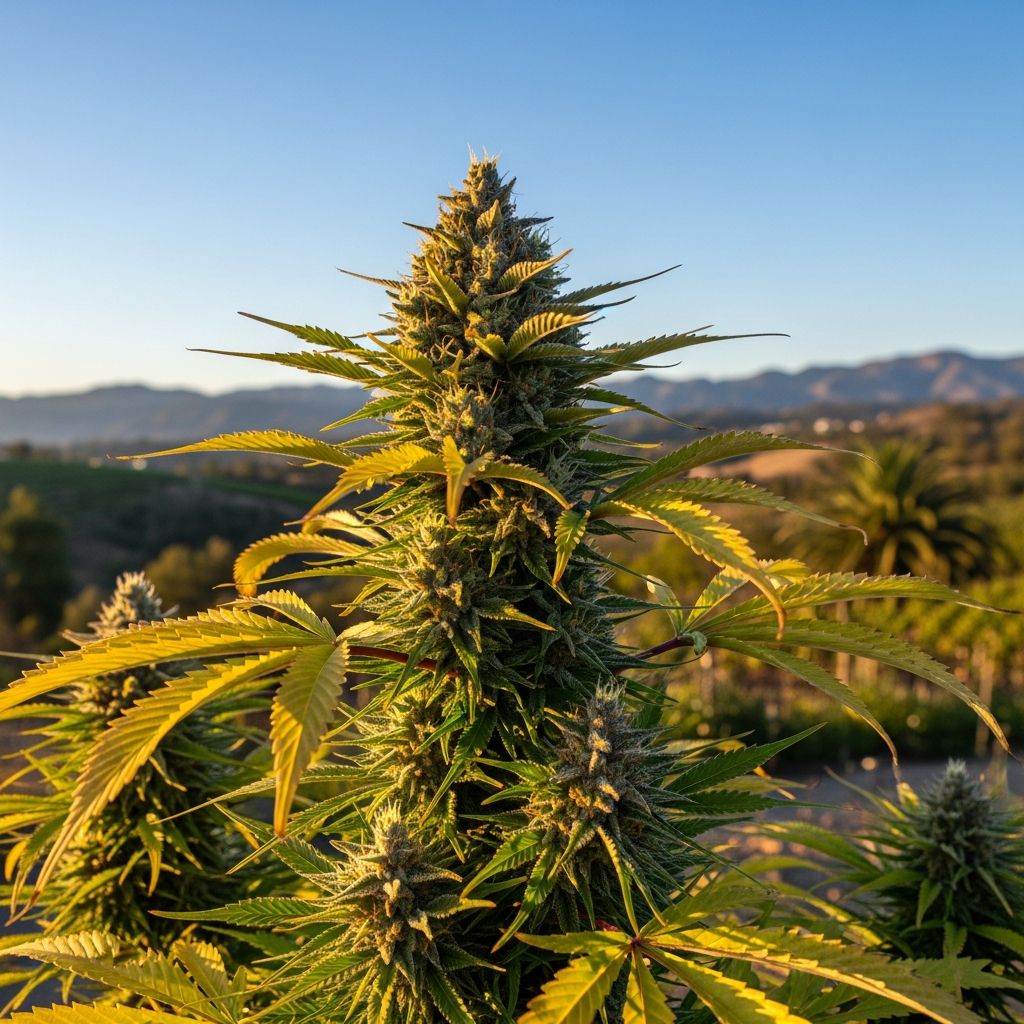
California’s cannabis laws permit adults to cultivate marijuana at home under strict conditions established by Proposition 64 and subsequent regulations. Recreational users face a six-plant cap per residence, while medical patients enjoy expanded allowances, though local jurisdictions impose additional hurdles.
Understanding California’s Cannabis Framework
Since the passage of the Adult Use of Marijuana Act (Proposition 64) in 2016, personal cultivation has been legal for those 21 and older, limited to six plants per private residence regardless of the number of adults living there. This reform decoupled minor personal grows from criminal penalties, shifting focus to commercial licensing under the Medicinal and Adult-Use Cannabis Regulation and Safety Act (MAUCRSA). Medical cultivation traces back to Proposition 215 (1996), allowing qualified patients greater flexibility. Recent updates, including 2026 regulations from the Department of Cannabis Control (DCC), refine safety and tracking standards without altering core home grow limits.
Recreational Cultivation Permissions
Adults 21+ may grow up to
six cannabis plants
in a private residence for personal use, encompassing all plants at any growth stage. Harvests from these plants are included in possession limits: 28.5 grams of flower or 8 grams of concentrates. Cultivation must occur indoors or in secured outdoor spaces shielded from public view, with plants inaccessible to minors or theft. No compensation or sales are allowed from home grows; excess must be disposed of or gifted within legal possession amounts.- Plant Definition: Includes seedlings, immature, and mature plants; total cannot exceed six.
- Location Rules: Private homes only; no grows in shared housing beyond the residence cap.
- Lighting Limits: Indoor grows capped at 1000 watts per plant in some counties to curb energy overuse, though state law does not mandate this statewide.
Medical Cannabis Growing Rights
Qualified medical patients with a doctor’s recommendation or identification card can cultivate more plants to meet health needs. State law allows up to six mature and 12 immature plants per qualified patient or caregiver, though shared residences cap at practical limits like 24 medicinal plants plus six recreational. Unlike recreational grows, medical cultivation enjoys tax exemptions and higher possession thresholds: up to 226.8 grams of flower or concentrates.
| Category | Recreational (21+) | Medical Patients |
|---|---|---|
| Cannabis Flower | Up to 28.5g (1 oz) | Up to 226.8g (8 oz) |
| Concentrates | Up to 8g | Up to 226.8g |
| Home Plants | Up to 6 total | Up to 6 mature + 12 immature |
Patients must store plants securely and document medical necessity if inspected. Delivery of medical cannabis cannot be fully banned locally per SB 1186.
Local Government Restrictions and Variations
While state law sets the baseline, cities and counties retain authority to regulate or prohibit cultivation beyond personal amounts. Many jurisdictions require fully enclosed indoor grows with locked access, banning outdoor cultivation entirely. For instance, San Bernardino County mandates solid-walled structures separate from living areas, with a hard cap of 30 plants per residence (24 medicinal + 6 recreational). Non-compliance risks code enforcement, fines, or abatement orders. Always verify local ordinances via city hall or county planning departments before planting.
- Common Local Rules: Enclosed spaces, odor control, energy reporting in some areas.
- Bans: Over 100 California cities ban commercial cannabis but allow personal grows; outright home grow bans are rare but exist.
- Zoning: Grows confined to primary residences, not rentals or second homes without owner consent.
2026 Regulatory Updates Impacting Home Growers
New rules effective January 1, 2026, from the DCC emphasize sanitation, tracking, and hemp integration but largely target commercial operators. Home cultivators face indirect effects: stricter enforcement against illegal grows via AB 1684 (fines up to $10,000/day on unlicensed ops and complicit landlords) and SB 753 (felonies for environmentally damaging trespass grows). AB 8 reins in unregulated hemp-derived THC, pushing intoxicating products into licensed channels by 2028, potentially affecting home seed sources. Cultivators may see streamlined rules like flexible plant transfers between licensed sites, but personal grows remain unchanged.
Penalties for Exceeding Limits
Violating cultivation caps invites misdemeanor charges. Growing more than six plants recreationally carries up to six months in jail and a $500 fine. Minors face infractions with community service. Environmental harm elevates charges to felonies under SB 753. Local fines compound via nuisance declarations, targeting landlords too. Commercial-scale illegal ops face eradication by the Unified Cannabis Enforcement Task Force (UCETF), which seized record hauls in 2023.
| Violation | Penalty |
|---|---|
| Over 6 Recreational Plants | Misdemeanor: 6 months jail, $500 fine |
| Minor Cultivation | Infraction: 8 hrs counseling or 40 hrs service |
| Environmental Damage | Felony under SB 753 |
| Unlicensed Business | Up to $10,000/day fine (AB 1684) |
Best Practices for Compliant Cultivation
To stay legal, prioritize security, documentation, and discretion. Use locked growsheds or closets with ventilation for odor mitigation. Track plant counts meticulously, labeling immature vs. mature. Dispose of excess via composting, never selling or transporting large amounts. Medical growers should retain physician letters and COAs for purchased seeds/clones. Energy-efficient LEDs help dodge utility flags in restrictive areas.
- Security: Fencing, cameras, child-proof locks essential.
- Sustainability: Avoid pesticides; use organic methods to prevent environmental violations.
- Record-Keeping: Log plants, harvests, and medical status for inspections.
Frequently Asked Questions (FAQs)
Can I grow cannabis outdoors in California?
Yes, if shielded from public view and compliant with local rules; many areas mandate indoor-only grows.
What if multiple adults live in my home?
The six-plant limit applies per residence, not per person.
Are there limits on plant height or yield?
No state height/yield caps, but possession limits apply post-harvest (28.5g flower recreational).
Can renters grow cannabis legally?
Yes, with landlord permission; check lease clauses on odors/plants.
What about growing for medical collectives?
Personal grows only; collectives require commercial licenses.
Do home grows need DCC licenses?
No, personal cultivation under six plants is unlicensed.
Navigating Enforcement and Future Changes
California’s dual state-local system demands vigilance. The illicit market persists at 60%+ of sales, prompting crackdowns like UCETF operations. Proposed 2026 tweaks ease commercial burdens (e.g., no pest plans required), signaling a maturing industry. Interstate commerce via SB 1326 awaits federal approval. Home growers should monitor DCC updates at cannabis.ca.gov and consult attorneys for gray areas.
This guide synthesizes current laws as of 2026; laws evolve, so cross-check official sources.
References
- California Cannabis Laws 2026: Your Complete Guide — Vibe by California. 2026. https://www.vibebycalifornia.com/california-cannabis-laws-2026-your-complete-guide-to-legal-cannabis-in-the-golden-state/
- California Cannabis Laws And Regulatory Changes: What to Expect in 2026 — Drivon Consulting. 2025. https://www.drivonconsulting.com/california-cannabis-laws-and-regulatory-changes-what-to-expect-in-2026/
- California Laws and Penalties — NORML. 2026. https://norml.org/laws/california-penalties/
- Cannabis Enforcement Program — San Bernardino County Land Use Services. 2026. https://lus.sbcounty.gov/cannabis-enforcement-program/
- Rulemaking — California Department of Cannabis Control. 2026-01-01. https://www.cannabis.ca.gov/cannabis-laws/rulemaking/
Similar Articles








Read full bio of medha deb


