
Guest Remedies: Legal Action Against Hotels for Bed Bug Infestations
Understand your legal rights and pathways to compensation when encountering bed bugs during hotel stays.
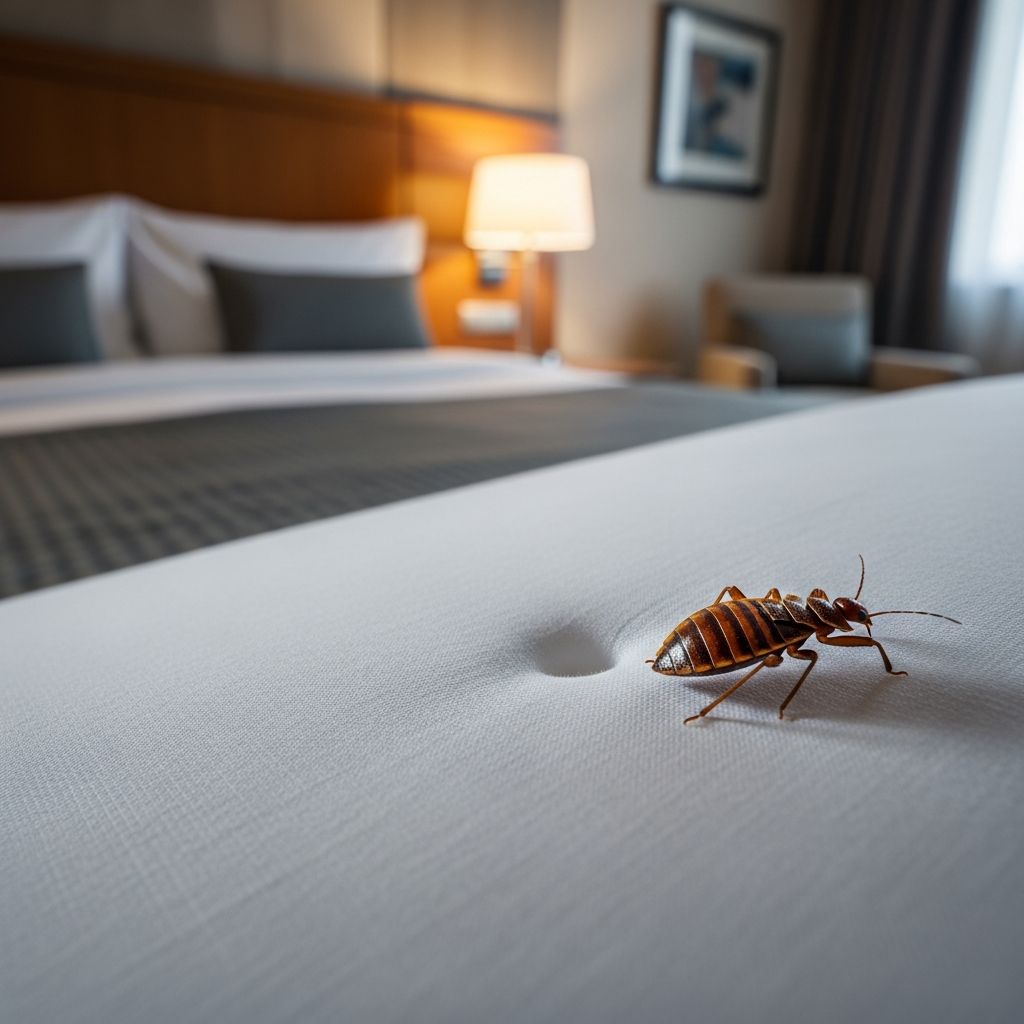
Understanding Your Legal Rights When Hotels Fail on Cleanliness
Discovering bed bugs in a hotel room is not only unpleasant but can also constitute a legitimate legal grievance. Hotels have a fundamental duty of care to maintain clean, habitable accommodations for their guests. When this obligation goes unfulfilled and guests suffer physical and emotional harm as a result, legal remedies become available. Understanding these rights is the first step toward protecting your interests and obtaining fair compensation for the damages you have experienced.
Establishing Negligence: The Foundation of Your Claim
To successfully pursue legal action against a hotel for bed bug infestation, you must demonstrate that the hotel acted negligently. Negligence in this context means the hotel either knew about the infestation or reasonably should have known about it, yet failed to take appropriate corrective measures. Courts evaluate negligence by examining several key factors that establish the hotel’s responsibility.
Knowledge and Notice Requirements
Hotels cannot claim ignorance about bed bug problems if previous guests have filed complaints or if pest control records indicate prior treatments for infestations. A pattern of complaints creates a clear record that management was aware of the issue. Additionally, hotels have a duty to inspect their rooms regularly as part of standard maintenance protocols. If inspections were inadequate or non-existent, this failure to monitor conditions strengthens your negligence claim. Hotels cannot escape liability simply by denying knowledge when reasonable inspection practices would have revealed the problem.
Failure to Respond Appropriately
Even if a hotel becomes aware of bed bugs, their response matters significantly. Once notified by a guest, hotels must take prompt and effective action to address the infestation. This includes thorough pest control treatment, isolation of affected rooms, and verification that the problem has been resolved before allowing subsequent guests to occupy those spaces. Ignoring complaints or implementing ineffective treatments demonstrates negligence and strengthens your legal position.
Critical Evidence Collection Strategies
Building a compelling case requires thorough documentation. The strength of your evidence directly correlates with your potential compensation, making meticulous collection essential from the moment you discover the problem.
Visual Documentation
Photographic and video evidence of the infestation itself carries substantial weight in legal proceedings. Capture clear images of bed bugs on mattresses, box springs, or other furniture. Document fecal spotting, shed exoskeletons, or other signs of bed bug activity. Additionally, photograph every bite on your body with dates and timestamps if your phone or camera records this information. Multiple images showing the progression of bites over several days strengthen your evidence. If you can safely capture a bed bug or collect physical specimens without risk of spreading the infestation, preserve these specimens as tangible proof.
Medical and Personal Records
Maintain detailed records of any medical treatment you seek for bites or related complications. Keep receipts from pharmacy purchases for treatments, doctor visit summaries, and any documentation of sleep disruption or psychological distress caused by the experience. Preserve your hotel reservation confirmation, billing statements, and any correspondence with hotel staff. These documents establish the timeline of your stay and create a paper trail connecting your presence at the hotel to the infestation.
Witness Information
If other guests in your room were also bitten, their experiences strengthen your claim. While it may be challenging to contact other guests after checking out, attempting to gather their names or contact information can prove valuable. If any hotel employees witnessed the bed bugs or your complaints, note their names and the content of your interactions with them.
Immediate Actions to Take During Your Stay
Your response in the immediate aftermath of discovery can significantly impact your case. Taking prompt, documented action creates an official record that protects your interests.
Notifying Hotel Management
Contact the front desk or manager immediately upon discovering bed bugs. Provide a detailed verbal report describing exactly where you found bed bugs, how many bites you have sustained, and when you first noticed the problem. Request that management create a formal incident report documenting your complaint. While some hotels readily provide copies of incident reports, others may be reluctant to do so. Persist in requesting a copy, as this document can later serve as an admission of knowledge by the hotel. If the hotel refuses to provide a copy, write down the date and time you filed the complaint and the names of any employees you spoke with.
Requesting Immediate Remedies
You have the right to request either a room change or a refund. Demand that the hotel move you to a completely different area of the facility, preferably a room that has not been subject to recent bed bug treatment. Document all communications about your room change or refund request. Keep copies of revised billing statements if the hotel adjusts your charges, and maintain records of any additional expenses you incur due to the infestation.
Preventing Further Contamination
Upon returning home, place all clothing and belongings in sealed plastic bags to prevent transporting bed bugs to your residence. Wash all clothing in hot water and dry on high heat if possible. Store items separately until you are certain no infestation has spread. This precaution not only protects your home but also demonstrates to your attorney that you took responsible steps to mitigate damages.
Building Your Legal Case: Documentation Steps
After leaving the hotel, your attorney will need to gather specific evidence to establish the hotel’s knowledge and negligence patterns.
Identifying the Correct Defendant
Hotels may be owned by different entities than those who operate them, and determining which party to sue is crucial. Your attorney can research the hotel’s ownership structure through business records and corporate filings. Suing the correct entity ensures your claim reaches the proper insurance carrier and decision-maker. Suing the wrong party could result in dismissal and loss of valuable time.
Sending Preservation Notice
Your attorney will send a formal letter to the hotel via certified mail demanding that the establishment preserve all evidence related to bed bugs during a specified period before and after your stay. This preservation notice should request maintenance records, pest control contracts and invoices, prior guest complaints, incident reports, employee schedules, and pest control service records. Hotels that destroy or fail to preserve requested evidence after receiving such notice face serious legal consequences. If your case proceeds to trial, a judge may instruct the jury to presume that destroyed evidence would have been unfavorable to the hotel, significantly strengthening your position.
Insurance Notification
Once the hotel receives notice of your claim, they typically forward it to their liability insurance carrier. These insurance companies evaluate claims based on several factors and make settlement decisions. Understanding how insurers assess bed bug claims helps your attorney negotiate more effectively on your behalf.
Compensation Factors and Settlement Expectations
The value of a bed bug claim depends on multiple variables that courts and insurance companies consider when determining fair compensation.
Extent of Physical Injury
The number and severity of bites influence compensation amounts. A guest who suffered dozens of bites across multiple body areas has a stronger claim than someone with just a few bites. Bites that resulted in infection, scarring, or long-term skin damage warrant higher settlements. Documented allergic reactions to bed bug bites also increase claim value significantly.
Duration and Severity of Infestation
Hotels with extended histories of bed bug problems face greater liability than those experiencing isolated incidents. Multiple guest complaints over months or years demonstrate negligent management and failure to implement effective pest control measures. Single-incident infestations may result in lower settlements, while chronic problems support larger compensation awards.
Affected Guests and Room Occupancy
When multiple guests in the same room report bites, the claim becomes stronger. If only one guest in a four-person room suffered bites while others remained unaffected, this discrepancy could suggest the guest brought bed bugs from elsewhere. Conversely, when all room occupants report bites, it clearly establishes the hotel as the source. Individual settlement amounts may be reduced when multiple claims arise from the same room, but the aggregate hotel liability increases substantially.
Medical Expenses and Documentation
Documented medical treatment for complications directly translates into compensation. Hospital visits, dermatologist consultations, prescription medications, and over-the-counter treatments all generate receipts that support higher settlement amounts. Without medical documentation, compensation claims rely primarily on the pain and suffering value of the bites themselves, which insurers may contest.
Travel and Accommodation Costs
If you paid for additional lodging due to the infestation, these expenses should be recovered. Similarly, if you needed to purchase replacement clothing or belongings due to contamination concerns, these costs merit compensation. Transportation expenses for medical appointments related to treating bed bug injuries also factor into settlement calculations.
Typical Settlement Ranges and Litigation Timelines
Most bed bug claims settle for under twenty thousand dollars, though settlements vary considerably based on case specifics. Some settlements reach substantially higher amounts when evidence of chronic negligence and multiple victims exists. The litigation process, from initial claim filing through trial if necessary, typically requires several months to several years depending on case complexity and jurisdiction-specific procedures.
When to Escalate Beyond Initial Negotiations
Insurance companies sometimes offer settlements that fail to reflect the true damages you have suffered. Do not accept lowball offers simply to conclude the matter quickly. Your attorney can help determine whether an offer adequately compensates you for all damages. If the hotel and their insurer refuse reasonable settlement offers, proceeding to litigation may be necessary to obtain fair compensation.
Regulatory Complaints and Additional Documentation
Filing complaints with local health departments creates official records that support your legal claim. Health inspectors will investigate the hotel, inspect the affected room, and document their findings in official reports. These regulatory actions can assist your attorney in establishing the hotel’s negligence and may pressure management to settle your claim more favorably.
Statute of Limitations and Filing Deadlines
Each state establishes different timeframes within which bed bug lawsuits must be filed. Some states allow one year from discovery of the infestation, while others provide up to three years. These deadlines are strict, and missing them results in permanent loss of your right to pursue compensation. Consulting with an attorney promptly after discovering bed bug bites ensures you do not inadvertently forfeit your claim through delays.
Frequently Asked Questions
Q: Can I sue a hotel for bed bugs if I discovered bites after leaving?
A: Yes, you can still pursue a claim even if bites appeared days after checkout. Many guests do not immediately recognize bed bug bites as such and may attribute them to other causes. The law accommodates this reality by allowing claims based on when you reasonably discovered the connection between your stay and the infestation.
Q: What should I do if the hotel refuses to create an incident report?
A: Request that management create the report in writing, emphasizing that guest complaints must be documented per standard hospitality industry practices. If they refuse, send yourself an email documenting the date, time, and details of your complaint and the refusal. Your attorney can later subpoena hotel records to obtain incident reports or demonstrate the hotel’s failure to maintain proper documentation.
Q: How much compensation can I expect from a bed bug lawsuit?
A: Compensation varies widely based on bite severity, medical expenses, emotional distress, and the hotel’s negligence history. Settlements typically range from a few thousand to twenty thousand dollars, though exceptional cases with documented chronic negligence may result in higher awards. Your attorney can provide a more specific estimate after reviewing your particular circumstances.
Q: Does the hotel’s franchise status affect my claim?
A: Yes, franchise hotels often have corporate standards for pest control and room inspection. If the franchisee violated these standards or if corporate management failed to enforce them, this strengthens your claim. Franchise documentation can demonstrate what preventative measures should have been implemented, establishing the hotel’s negligence when these measures were not taken.
Q: Can I recover compensation if I am allergic to bed bug bites?
A: Absolutely. If you suffer allergic reactions that required medical treatment, these documented health impacts support higher compensation awards. Photographs of severe allergic reactions and medical records documenting treatment strengthen your claim considerably.
References
- Hotel Bed Bug Claims: Legal Framework and Guest Rights — Prosper Law. December 2024. https://prosperlaw.com/claim-for-bed-bugs-against-hotel/
- Hotel Bed Bugs: Understanding Your Legal Rights and Remedies — Ramos Law. December 2024. https://www.ramoslaw.com/hotel-bed-bugs-what-are-your-legal-rights/
- Documentation Requirements for Successful Bed Bug Claims — Whitney, LLP. December 2024. https://whitneyfirm.com/200000-hotel-bed-bug-lawsuit-settlement/
- Negligence Standards in Hospitality Bed Bug Cases — Cochran Firm. December 2024. https://www.cochranfirm.com/bed-bug-lawsuit-essentials/
- Evidence Collection and Settlement Evaluation for Hotel Claims — Goidel & Siegel, LLP. December 2024. https://www.goidelandsiegel.com/can-you-sue-a-hotel-for-bed-bugs/
Similar Articles








Read full bio of medha deb


