
Leasing vs. Buying a Car: How to Choose the Right Option
Understand the real costs, terms, and tradeoffs of leasing versus buying so you can choose the car option that fits your budget and lifestyle.
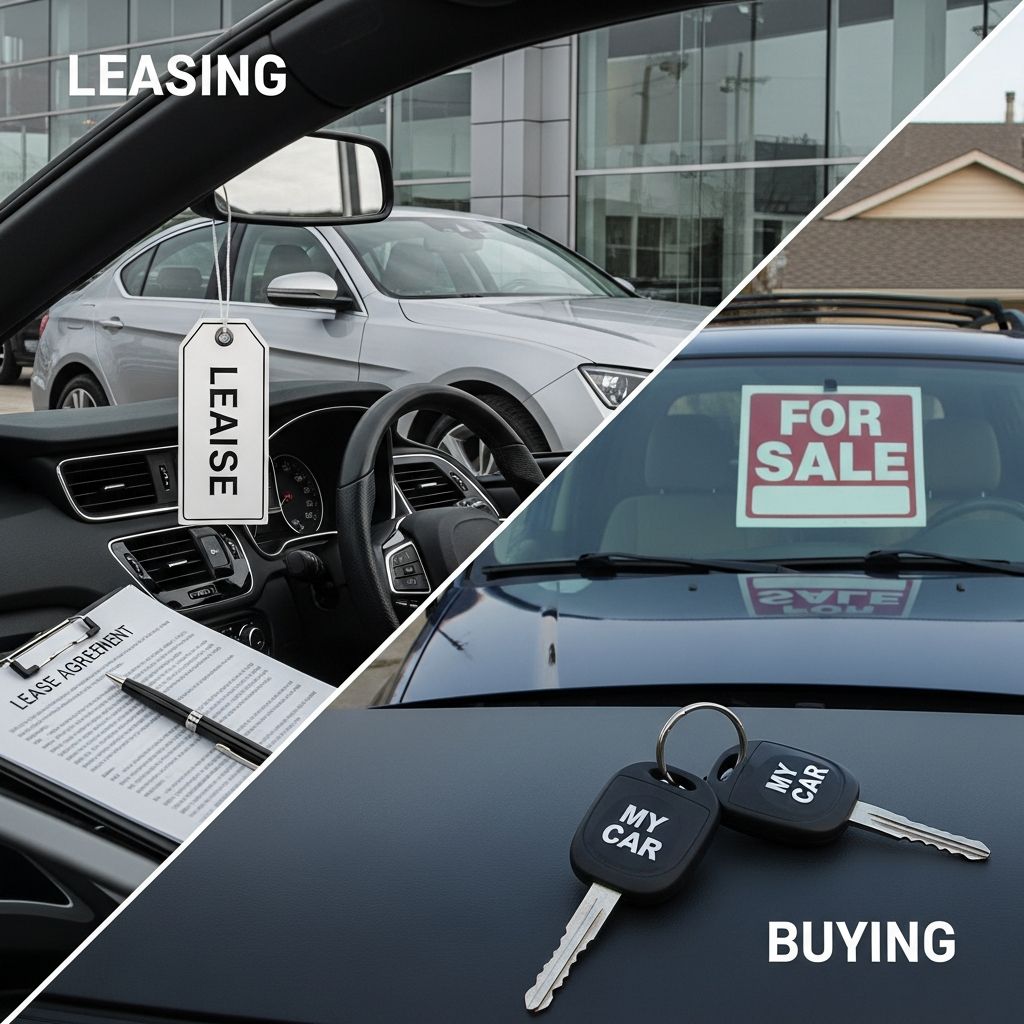
When you get a new car, you usually face two main choices: lease it or buy it. Both options can be smart in the right situation, but they work very differently and affect your budget, flexibility, and long-term costs in important ways.
This guide explains what happens when you lease versus buy, how the money really works, and which option may fit different lifestyles and financial goals.
What It Means to Lease vs. Buy
Before comparing pros and cons, it helps to understand what you are paying for in each case.
Leasing in simple terms
When you lease, you are paying to use a vehicle for a set period, usually two to four years. At the end of the term, you normally return the car to the lessor, unless your contract gives you the option to buy it at a preset price.
- You do not own the vehicle.
- You are typically limited to a fixed number of miles per year.
- You must keep the car in good condition and may pay fees for excess wear.
- Monthly payments tend to be lower because you are mainly paying for the vehicle’s depreciation during the lease term, plus finance charges and fees.
Buying in simple terms
When you buy, you either pay cash or finance the car with an auto loan. As you make payments, you build equity and eventually become the full owner once the loan is paid off.
- You own the vehicle once the loan is repaid.
- You can drive as many miles as you want, with no contractual limit.
- You can keep the car for many years, sell it, or trade it in at any time.
- Monthly payments are usually higher than lease payments because you are paying for the entire price of the car, not just its depreciation.
Side-by-Side Comparison: Key Differences
| Feature | Leasing | Buying (with a loan) |
|---|---|---|
| Ownership | You use the car but do not own it; must return it at lease end unless you buy it. | You become the owner once the loan is paid off; you keep any resale value. |
| Upfront costs | Often includes first month’s payment, fees, and possibly a security deposit or down payment. | Often includes a down payment, taxes, registration, and fees; down payments can be larger. |
| Monthly payment | Generally lower; mainly covers depreciation during the lease, plus finance charges and fees. | Generally higher; repays the full purchase price over the term, plus interest and fees. |
| Mileage limits | Yes, typically around 10,000–15,000 miles per year; extra miles cost more. | No contractual limits, but higher mileage reduces the car’s resale value. |
| Wear and tear | Excess wear can lead to fees at the end of the lease. | You decide when and how to repair; wear mainly affects trade-in or resale value. |
| End of term | Usually return the car; may pay end-of-lease fees, or choose to buy it, or start another lease. | No more loan payments, and you still have a car you can continue to drive, sell, or trade in. |
| Long-term cost | Often higher if you continually lease because payments never stop and you pay during peak depreciation. | Often lower over many years if you keep the car after the loan is paid off. |
Advantages of Leasing a Car
Leasing can be attractive if you like newer vehicles and predictable payments.
- Lower monthly payments: Because you are paying for the vehicle’s depreciation over a shorter period, lease payments are usually lower than loan payments for the same car.
- Smaller upfront cash requirement: Many leases require less money upfront than a typical down payment on a purchase, although fees can add up.
- Frequent access to new technology: Leasing makes it easier to switch into a new model every few years, with updated safety features, fuel efficiency, and technology.
- Warranty coverage for most of the term: Lease terms often line up with the new-car warranty period, so many major repairs are covered, though you still pay for routine maintenance.
- No need to sell or trade: At the end of the lease, you can usually return the car and walk away after paying any final charges, instead of finding a buyer or negotiating a trade-in.
Drawbacks and Risks of Leasing
Leasing’s flexibility in the short term comes with important limits and potential extra charges.
- Mileage restrictions: Contracts often cap annual mileage; going over can result in substantial per-mile fees.
- Wear-and-tear charges: You may owe money for body damage, stained interiors, or other issues beyond what the lessor considers normal wear.
- No ownership or equity: Even after years of payments, you typically do not own the car and have no asset to sell unless you choose to buy the vehicle at lease end.
- Costly early termination: Ending a lease early can trigger substantial fees; in some cases, you may owe nearly all remaining payments.
- Continuous payments: If you move from one lease to another, you may always have a car payment and never reach a period of payment-free ownership.
Advantages of Buying a Car
Buying is typically better if you want long-term value and maximum control over the vehicle.
- Full ownership: Once the loan is paid off, the car is yours, and you can keep driving it for years with no monthly payments.
- No mileage caps: You can drive as much as you want, which is especially important for long commutes, road trips, or rideshare work.
- Freedom to customize: As the owner, you can modify the car (within legal and warranty limits) with accessories, paint, or performance upgrades.
- Potentially lower cost over time: Keeping a well-maintained vehicle for many years after the loan ends is often the least expensive way to own a car long-term, even after factoring in maintenance and repairs.
- Flexibility to sell or trade: You can sell or trade in the car whenever you want, using any remaining value to help pay for your next vehicle.
Drawbacks of Buying a Car
Buying has its own challenges, especially in the first few years.
- Higher monthly payments: Loan payments are usually higher than lease payments on the same car because you are financing the full purchase price.
- Larger upfront cost: Lenders may require a sizable down payment to get a reasonable interest rate and avoid owing more than the car is worth.
- Depreciation risk: A new car can lose a large portion of its value in the first few years, which affects what you can sell or trade it for later.
- Maintenance and repair responsibility: After the warranty expires, you pay for repairs yourself unless you buy extended coverage; as the car ages, repair costs can rise.
How to Decide: Matching the Choice to Your Situation
There is no one option that fits everyone. Consider these practical questions to help you decide.
1. How many miles do you drive each year?
- If you routinely drive long distances, leasing can become expensive once excess mileage charges are added.
- If you drive a moderate number of miles and can stay within the contract limits, a lease may work well.
2. Do you prefer lower payments now or lower total cost later?
- Leasing often works for people who need a lower monthly payment and do not plan to keep the car for many years.
- Buying can cost more each month at first but is often cheaper over a long period, especially if you keep the car well beyond the loan term.
3. How long do you typically keep a car?
- If you like driving new models every few years, leasing may match your habits.
- If you tend to hold onto vehicles for many years, buying usually makes more financial sense.
4. How important is flexibility?
- Buying offers more freedom to sell, trade, or modify the car on your timetable.
- Leasing limits how you use the car and can be costly to exit early, which may be an issue if your income, commute, or family needs change unexpectedly.
5. How stable is your budget?
- Leasing can deliver predictable payments and potential warranty coverage during the entire term, which some drivers find easier to budget for.
- Buying may lead to lower costs in later years, but you should be prepared for unpredictable repair bills as the car ages.
Key Contract Terms to Review Carefully
Whether leasing or buying, always read the contract closely. For leases, pay particular attention to:
- Mileage allowance and per-mile penalty
- Definition of “excess wear and tear” and inspection standards
- Early termination rules and charges
- Disposition or end-of-lease fee when you return the car
- Purchase option price if you want to buy the car at the end of the lease
For purchases, review:
- Interest rate (APR) and whether it is fixed or variable
- Loan term length and total interest cost
- Prepayment rules and any penalties for paying off early
- Warranty coverage and expiration mileage
When Leasing Might Make Sense
Leasing may be a reasonable fit if:
- You want a new car with a lower monthly payment than a loan on the same vehicle.
- You typically drive within mileage limits and keep the car in good condition.
- You like to upgrade every few years and do not mind always having a car payment.
- You value having warranty coverage for most or all of the time you drive the vehicle.
When Buying Might Be Better
Buying often makes more sense if:
- You drive high annual mileage or expect a lot of road trips.
- You plan to keep the car for a long time, especially beyond the loan payoff date.
- You want the freedom to sell, trade, or customize the car.
- You prioritize lowest total cost over many years, even if that means higher payments up front.
Frequently Asked Questions (FAQs)
Q1: Is leasing always cheaper than buying?
Leasing often results in a lower monthly payment than buying the same new car, but over many years buying is usually less expensive overall if you keep the vehicle after the loan is paid off and avoid constantly upgrading.
Q2: What happens if I go over the mileage limit on a lease?
If you exceed the mileage allowance in your lease contract, you typically pay a per-mile fee for the extra miles when you return the car. These charges can be significant, so estimate your driving carefully before signing.
Q3: Can I end a lease early if my situation changes?
Ending a lease before the scheduled date is usually possible but can be expensive. You may owe remaining payments, an early termination fee, and other charges, unless the contract or dealer offers a more favorable option such as transferring the lease to another qualified driver.
Q4: Is it harder to qualify for a lease than for a car loan?
Lease offers that advertise the lowest payments often require strong credit and a clean payment history. Buyers with weaker credit might find it easier to obtain a traditional auto loan, though interest rates may be higher.
Q5: Can I negotiate the price of a leased car?
Yes. The underlying price of the car, sometimes called the capitalized cost, can often be negotiated in a lease just as if you were buying the vehicle. A lower price can reduce your monthly payment and the total cost of the lease.
References
- Pros and cons of leasing vs. buying a car — Bankrate. 2024-03-15. https://www.bankrate.com/loans/auto-loans/leasing-vs-buying-a-car/
- Leasing vs. Buying a New Car — Consumer Reports. 2023-08-10. https://www.consumerreports.org/cars/buying-a-car/leasing-vs-buying-a-new-car-a9135602164/
- Leasing vs. Buying a Car: The Pros & Cons of Each Option — PNC Insights. 2023-06-01. https://www.pnc.com/insights/personal-finance/borrow/leasing-vs-buying-a-car.html
- Leasing vs. Buying a Car: Pros and Cons — Travelers Insurance. 2022-11-18. https://www.travelers.com/resources/auto/buying-selling/leasing-a-car-pros-and-cons
- Leasing vs. Buying a Car – Pros and Cons — Navy Federal Credit Union. 2023-05-12. https://www.navyfederal.org/makingcents/auto/buying-vs-leasing-a-car.html
Similar Articles








Read full bio of medha deb


