
Lease vs Rental Agreements: Key Choices for Landlords
Discover essential differences between lease and rental agreements to make informed decisions for your rental property management.
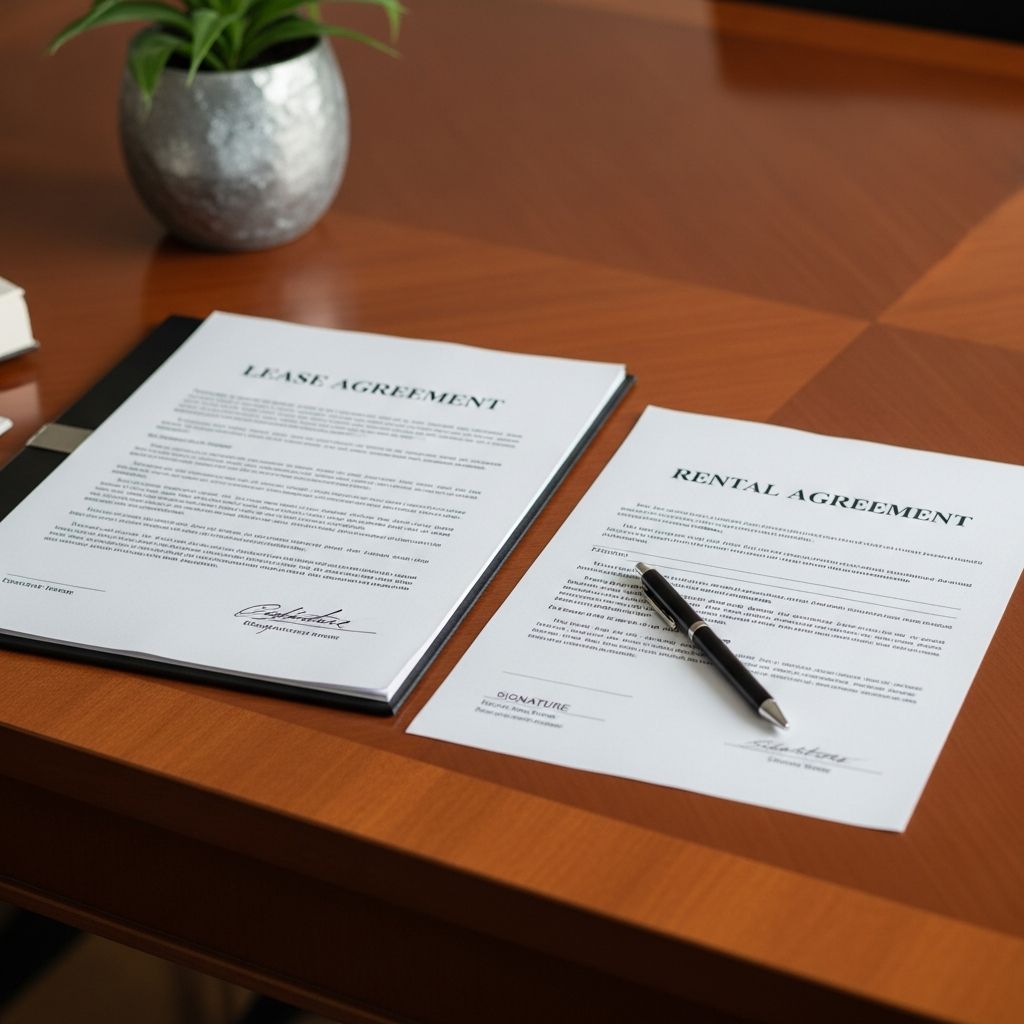
Property owners face important decisions when renting out spaces, primarily choosing between a lease agreement and a rental agreement. These contracts differ mainly in duration and flexibility, affecting stability for long-term occupancy or adaptability for short-term needs.
Defining the Fundamentals of Rental Contracts
Rental contracts establish legal relationships between property owners and occupants, outlining responsibilities, payments, and rules. A lease agreement commits parties to a fixed period, often 6 to 12 months, creating predictable tenancy conditions. In contrast, a rental agreement operates on shorter cycles, typically renewing monthly, allowing adjustments with notice.
Both types include core elements like rent amounts, payment schedules, maintenance duties, and utility responsibilities. However, their enforcement varies based on term length, influencing how disputes or changes are handled.
Core Distinctions in Duration and Commitment
The most prominent difference lies in time commitment. Lease agreements lock in terms for extended periods, such as 6, 12, or even 18 months, preventing unilateral changes until expiration. Rental agreements, however, function month-to-month, auto-renewing unless terminated with proper notice, usually 30 days.
| Aspect | Lease Agreement | Rental Agreement |
|---|---|---|
| Duration | Fixed: 6-12+ months | Month-to-month |
| Rent Stability | Fixed until end | Adjustable with notice |
| Termination | Requires full term or penalties | 30-day notice typical |
| Flexibility | Low during term | High for changes |
This table summarizes key contrasts, showing leases favor predictability while rentals prioritize adaptability.
Essential Components of a Lease Agreement
Lease documents detail comprehensive terms to protect both sides over the fixed period. Standard inclusions cover:
- Property address and description for clarity.
- Exact rent amount, due dates, and late fees.
- Security deposit rules, including return conditions.
- Occupancy limits and pet permissions.
- Maintenance obligations, specifying who handles repairs.
- Entry rights for landlords and quiet enjoyment for tenants.
- Dispute resolution processes and eviction procedures.
These elements ensure enforceability, as courts uphold written leases strictly. For instance, rent remains constant, shielding tenants from market hikes but binding landlords to initial rates.
Key Elements in Rental Agreements
Rental agreements mirror leases in basics but emphasize brevity for periodic review. They typically list:
- Monthly rent and payment methods.
- Notice periods for termination or modifications.
- Basic rules on utilities, guests, and subletting.
- Provisions for rent adjustments compliant with local laws.
Because terms renew monthly, they accommodate evolving circumstances, like rent increases tied to market rates after notice.
Advantages of Choosing a Lease Agreement
Landlords benefit from leases through income stability. Fixed rent prevents fluctuations, aiding budgeting and financial planning. Tenants gain security, knowing housing costs won’t rise mid-term, ideal in appreciating markets.
Leases reduce turnover, minimizing vacancy periods and marketing costs. They also simplify legal actions, as clear terms facilitate evictions for breaches without renegotiation. For properties in stable demand areas, this fosters long-term tenant relationships.
Drawbacks of Lease Agreements
Fixed terms limit landlord control. Early vacancies require finding subtenants or facing losses, and renovations delay until term ends. Tenants may resist long commitments, narrowing the applicant pool in transient regions.
Benefits of Rental Agreements for Property Owners
Rental agreements offer supreme flexibility. Landlords adjust rents monthly to match demand, maximizing profits in hot markets. Short terms enable quick responses to tenant issues or property upgrades.
They suit seasonal or high-turnover locations, like near universities, allowing frequent occupancy changes without penalties. Tenants appreciate easy exits, attracting short-term renters.
Potential Downsides of Rental Agreements
Frequent renewals heighten turnover risks, increasing administrative burdens and vacancies. Unstable income from potential non-payments or sudden moves challenges cash flow. Tenants face rent hikes, possibly leading to disputes.
When to Opt for a Lease Over a Rental Agreement
Select leases for long-term stability, such as family housing or economic uncertainty periods. They suit owners seeking reliable cash flow and lower management efforts. In rising rent markets, locking rates protects tenants while securing landlord commitments.
Ideal Scenarios for Rental Agreements
Use rentals for flexible needs, including vacation homes, student areas, or job-transient zones. They fit owners planning sales or renovations soon, avoiding long-term binds.
Legal Considerations Across Jurisdictions
State laws dictate notice periods, rent control, and eviction rules. For example, some require 60-day notices for rentals, while leases follow contract terms. Always include habitability warranties and fair housing compliance to avoid liabilities.
Consult local statutes; resources like government housing departments provide templates and guidelines. Professional review ensures enforceability.
Practical Tips for Drafting Effective Agreements
Customize contracts to property specifics. Use clear language, define ambiguities, and attach addendums for unique rules like parking or smoking.
Document everything: photos at move-in, signed acknowledgments. Digital tools streamline signatures and storage. Regular reviews keep terms current with laws.
Frequently Asked Questions
Can a rental agreement convert to a lease?
Yes, parties can sign a new lease mid-term, converting month-to-month to fixed duration with mutual consent.
What happens if a tenant breaks a lease early?
Landlords may retain deposits or pursue damages, but must mitigate by re-renting promptly. Laws vary by state.
Are rent increases allowed during a lease?
No, unless specified; fixed terms prohibit changes without agreement.
How much notice is standard for rental agreements?
Typically 30 days, but check local regulations for minimums.
Do both require security deposits?
Yes, both do, with caps often at one or two months’ rent per law.
Strategic Decision-Making for Property Success
Choosing between leases and rentals aligns with goals: stability versus flexibility. Assess market, property type, and personal involvement. Hybrid approaches, like lease-first then month-to-month, balance both. Informed selection optimizes occupancy and profitability.
References
- The Difference Between a Lease and a Rental Agreement — McKenna Vane Property Management. 2023. https://mckennavanepm.com/lease-and-rental-agreement-differences
- What’s the Difference Between a Lease and a Rental Agreement? — Lemonade. 2024. https://www.lemonade.com/renters/explained/lease-vs-rent/
- Lease vs Rental Agreement: Key Differences Explained (2025 Guide) — LeaseRunner. 2025-01-15. https://www.leaserunner.com/blog/whats-the-difference-between-lease-and-rent
- Lease vs. Rental Agreement: What’s the Difference? — MySmartMove. 2024. https://www.mysmartmove.com/blog/difference-between-lease-and-rental-agreement
- Lease vs. Rental Agreement: What’s the Difference? – YouTube — YouTube (LeaseRunner Channel). 2023-10-10. https://www.youtube.com/watch?v=LucP6RsZue8
- What Is the Difference Between Leasing and Renting? — Experian. 2024-05-20. https://www.experian.com/blogs/ask-experian/difference-between-leasing-and-renting/
Similar Articles








Read full bio of medha deb


