
Launching Your Gym: Complete Startup Guide
Master the essentials of opening a profitable gym business, from planning and funding to legal compliance and daily operations.
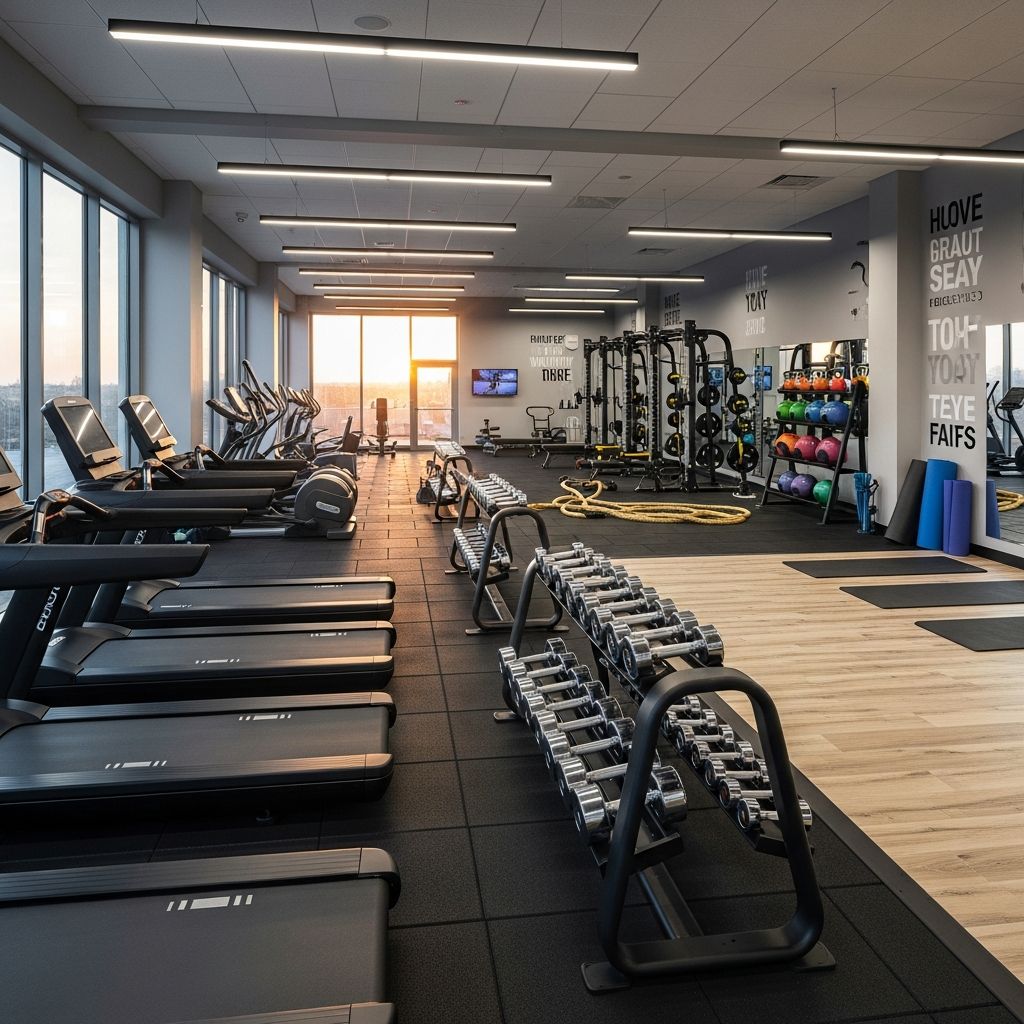
Opening a gym demands careful preparation across multiple fronts, blending entrepreneurial vision with practical execution. This guide provides a roadmap inspired by industry best practices, helping you navigate from initial concept to a bustling fitness hub.
Developing a Solid Foundation with Business Planning
A robust business plan serves as the cornerstone for any gym venture. It articulates your vision, targets potential pitfalls, and attracts investors by demonstrating viability. Begin by defining your gym’s unique value proposition—perhaps focusing on boutique classes, 24-hour access, or specialized training for athletes.
Key components include an executive overview highlighting projected growth, a detailed company profile outlining services like group sessions or personal coaching, and an organizational chart specifying roles for managers, trainers, and support staff. Conduct thorough market research to pinpoint demand in your area, analyzing demographics such as age groups seeking wellness programs or corporate wellness tie-ins.
Financial projections are critical: estimate first-year revenues from memberships and add-ons, while accounting for break-even timelines. Marketing outlines should detail digital campaigns, partnerships with local businesses, and loyalty programs to drive retention.
Assessing Market Opportunities and Competition
Success hinges on understanding your local fitness landscape. Survey existing gyms to identify gaps—maybe underserved niches like women’s-only spaces or functional training for seniors. Use tools like population data from census reports and competitor pricing analysis to refine your offerings.
Target audiences vary: millennials might prefer high-tech studios with app integrations, while families seek kid-friendly schedules. Project revenue streams diversely—memberships could form 60-70% of income, supplemented by merchandise sales and virtual classes.
Choosing the Perfect Location and Facility Setup
Location profoundly impacts foot traffic and viability. Prioritize high-visibility spots near residential areas or offices, with ample parking and public transit access. Lease costs average $20-50 per square foot annually in urban zones, so negotiate terms favoring fitness operations.
Facility design must optimize flow: allocate 40% of space to cardio and strength zones, 30% to classes, and the rest to amenities like lockers and reception. Renovations might include reinforced flooring for heavy equipment and ventilation for high-intensity areas. Budget for ADA-compliant features to broaden appeal.
| Facility Aspect | Recommended Allocation | Estimated Cost Range |
|---|---|---|
| Workout Floor | 50% | $50,000-$150,000 |
| Classrooms | 20% | $20,000-$60,000 |
| Amenities (Lockers, Lounge) | 30% | $30,000-$80,000 |
Estimating and Managing Startup Costs
Launch expenses typically range from $100,000 to $500,000, depending on scale. Major outlays cover equipment (treadmills, racks, dumbbells—up to 50% of budget), renovations, and initial marketing. Secure quotes from suppliers for durable, warrantied gear to minimize long-term repairs.
- Equipment: Cardio machines ($5,000-$20,000 each), free weights ($10,000+).
- Renovations: Flooring, mirrors, lighting ($20,000-$100,000).
- Technology: Management software for bookings and payments ($1,000-$5,000 annually).
- Initial Inventory: Supplements, apparel ($5,000-$15,000).
Ongoing costs like utilities ($2,000/month) and staff salaries require a 6-12 month cash reserve. Track everything via accounting software for precise forecasting.
Securing Funding for Your Fitness Venture
Few startups fund entirely from savings; explore SBA loans for favorable terms (up to $5 million, 7-10% interest), bank lines of credit for flexibility, or investor pitches backed by your plan. Crowdfunding platforms suit community-focused gyms, emphasizing member perks.
Demonstrate repayment capacity through conservative projections: aim for 20-30% profit margins post-Year 1. Grants for wellness initiatives in underserved areas may also apply via small business administrations.
Navigating Legal Structures and Registrations
Choose a structure like LLC for liability protection—register via your state’s secretary of office, often online for $100-500. Sole proprietors skip this but risk personal assets. File a DBA if using a branded name.
Obtain an EIN from the IRS (free, instant online) for tax purposes, unless operating solo without staff. This enables payroll and banking setup.
Obtaining Essential Licenses and Permits
Compliance avoids fines and shutdowns. Secure a general business license from city/county halls ($50-400), zoning approval for commercial fitness use, and building permits for modifications. Health departments mandate sanitation inspections, especially with showers or saunas.
- State health club registration (some require bonds for prepaid memberships).
- Sales tax permit for retail items.
- Food handler’s permit if offering nutrition bars.
- ASCAP/BMI licenses for music playback.
Verify with local clerks; requirements evolve, so consult annually.
Prioritizing Insurance and Risk Management
Liability insurance is non-negotiable—policies covering slips, trainer errors start at $1,000/year, scaling with membership. General liability ($500K-$2M coverage), property for equipment, and workers’ comp if hiring staff protect against claims.
Trainers need CPR/AED certification; gyms benefit from waivers signed at signup. Audit facilities quarterly for hazards like worn mats.
Building Your Team and Certifications
Hire certified pros: NASM/ACE for trainers ensures credibility and reduces risks. Start with 4-6 staff for a 5,000 sq ft space, offering competitive wages plus commissions. Your own fitness credentials build trust—pursue group instruction quals if leading classes.
Equipping Your Gym for Success
Invest in versatile, commercial-grade items: mix Precor/Life Fitness cardio with Rogue strength tools. Lease options ease cash flow for startups. Layout for safety—clear aisles, emergency exits. Maintenance schedules extend lifespan, budgeting 5-10% annually for upkeep.
Marketing Strategies to Attract and Retain Members
Launch with social media teasers, grand opening events, and referral incentives. SEO-optimize your site for ‘gym near me’ searches; partner with apps like ClassPass. Retention via apps tracking progress, challenges, and personalized emails yields 70% renewal rates.
Streamlining Operations with Technology
Gym software handles check-ins, billing, scheduling—integrate POS for retail. Keyless entry via apps boosts 24/7 appeal. Analytics track peak hours for staffing efficiency.
Financial Tracking and Growth Tactics
Monitor KPIs: churn rate under 5%/month, average member value $50-100. Scale by adding services like nutrition consulting post-Year 1. Diversify with online content for passive revenue.
Frequently Asked Questions
What are typical gym startup costs?
Expect $100K-$500K, dominated by equipment (40-50%) and renovations (20-30%). Scale down with used gear or smaller spaces.
How do I choose a business structure?
LLCs offer protection; register per state rules. Consult attorneys for tax implications.
What licenses does a gym need?
Business license, zoning, health permits, sales tax—check local regs. Insure against liabilities.
How can I fund my gym?
SBA loans, lines of credit, investors. Strong plans secure better terms.
What’s key for gym marketing?
Digital presence, events, referrals. Focus on community building for loyalty.
References
- How to Open a Gym Business — Wolters Kluwer. 2023-10-15. https://www.wolterskluwer.com/en/expert-insights/how-to-open-a-gym
- Start a Gym Checklist — GymMaster. 2024-05-20. https://www.gymmaster.com/blog/start-a-gym-checklist/
- How to Open a Gym in 2025: Key Steps and Considerations — ABC Fitness. 2025-01-10. https://ignite.abcfitness.com/how-to-open-a-gym-in-2025/
- 7 Steps to Starting Your Own Gym — Nextdoor Business. 2024-08-12. https://business.nextdoor.com/en-us/blog/7-steps-to-starting-your-own-gym
- Your Step-by-Step Guide to Launching a Successful Fitness Business — NACAMS. 2024-11-05. https://nacams.org/blog/guide-to-launching-successful-fitness-business/
Similar Articles








Read full bio of Sneha Tete


