
Launching Your Daycare Venture: A Complete Guide
Master the essentials of starting a daycare business, from legal setup and licensing to daily operations and growth strategies for success.
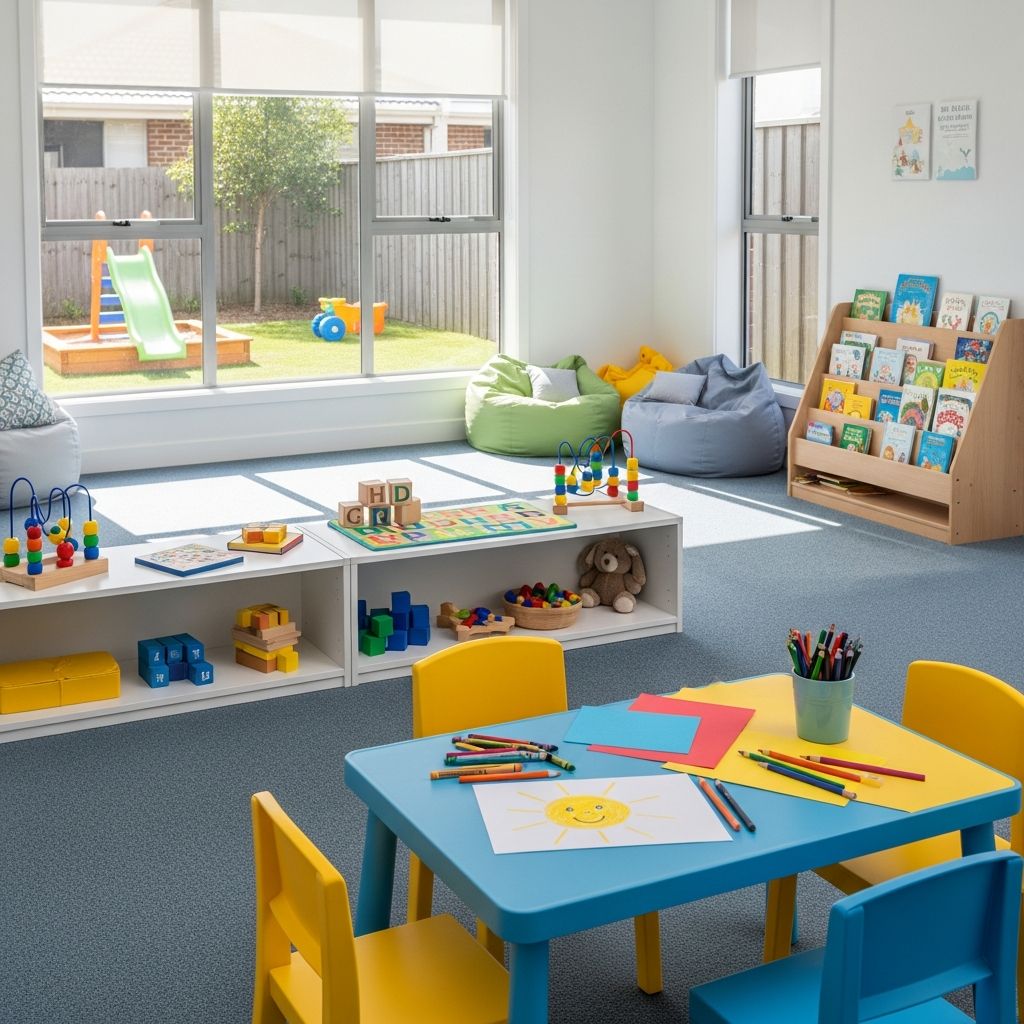
Entering the childcare industry offers a rewarding opportunity to nurture young minds while building a sustainable business. With rising demand for quality childcare due to working parents, a well-planned daycare can thrive. This guide provides a roadmap from initial planning to opening your doors, emphasizing compliance with regulations and best practices for safety and growth.
Assessing Market Demand and Developing Your Vision
Before investing time and resources, evaluate the local need for childcare services. Research population demographics, employment rates among parents, and existing providers in your area. Tools like census data can reveal gaps in service for infants, toddlers, or after-school care.
Define your daycare’s unique focus, such as organic meals, STEM activities, or bilingual programs. This differentiation helps attract families seeking specialized care. Project enrollment numbers realistically—start small with 6-12 children for a home-based operation to manage quality control.
- Survey parents via local groups or online forums to gauge interest in pricing, hours, and services.
- Analyze competitors’ offerings, rates (typically $200-$1,500/month per child), and reviews.
- Estimate startup costs: $10,000-$50,000 for home-based, up to $100,000+ for centers, including renovations, supplies, and marketing.
Crafting a Solid Business Plan
A detailed business plan serves as your blueprint and is crucial for securing loans or investors. Outline your mission, services, target market, and financial projections for 3-5 years.
| Section | Key Elements |
|---|---|
| Executive Summary | Overview of concept, goals, and projected revenue. |
| Services Offered | Age groups, daily schedules, curriculum details. |
| Market Analysis | Local demand, competitor landscape, pricing strategy. |
| Operations Plan | Location, staffing, daily routines. |
| Financials | Startup costs, income statements, break-even analysis. |
Many states provide free templates through small business development centers. Aim for 20-30% profit margins after covering salaries (50-60% of expenses) and overhead.
Selecting the Right Business Structure
Choose a structure that balances liability protection and tax benefits. Sole proprietorships are simple but expose personal assets; LLCs offer protection and flexibility.
- Sole Proprietorship: Easy setup, personal taxes.
- LLC: Shields personal assets, pass-through taxation.
- Corporation: For larger operations, more complex.
Register with your state’s Secretary of State. Obtain an EIN from the IRS for tax purposes, even if hiring employees later. File a DBA if using a trade name.
Navigating Licensing and Regulatory Compliance
Licensing is mandatory to operate legally and ensures child safety standards. Contact your state’s child care licensing agency—processes vary but typically include orientations, applications, and inspections.
For family child care homes, complete health screenings, background checks, and training. Centers require detailed facility plans. Expect 3-6 months for approval.
- Attend mandatory orientation sessions.
- Submit proof of TB tests, immunizations, and criminal clearances for all adults.
- Prepare site diagrams, evacuation plans, and program descriptions.
Zoning approvals confirm your location suits childcare; residential areas may limit capacity (e.g., 8-14 children).
Securing an Ideal Location and Facility Setup
Your space must prioritize safety and stimulation. Home-based daycares need child-proofed areas; centers require commercial zoning.
Essential features include fenced outdoor play areas, age-appropriate toys, nap zones, and sanitary kitchens/bathrooms. Comply with square footage rules (35 sq ft/child indoors, 75 outdoors).
- Check HOA rules and landlord permissions for rentals.
- Install safety gates, outlet covers, smoke detectors, and non-slip flooring.
- Budget for furniture, learning materials, and high chairs ($5,000-$20,000).
Conduct fire, health, and building inspections pre-opening.
Building a Qualified Team
Staffing is critical—parents trust experienced caregivers. Owners need childcare experience; staff require education in early childhood development.
| Role | Qualifications | Training |
|---|---|---|
| Director/Owner | Experience in childcare; some states require ECE units. | Administration courses. |
| Teachers | 12+ ECE units, supervised experience. | Pediatric CPR/First Aid. |
| Aides | 2+ ECE units, ongoing enrollment. | Health & Safety modules. |
Mandated trainings cover CPR, preventive health, abuse recognition, and emergency procedures. Maintain staff-to-child ratios (e.g., 1:4 for infants).
Implementing Safety Protocols and Daily Policies
Clear policies build trust and ensure smooth operations. Draft parent handbooks covering illnesses, discipline, meals, and fees.
- Require vaccinations and daily health checks.
- Outline late pickup fees ($1-5/minute) and termination clauses.
- Develop emergency drills and allergy management plans.
For staff, create employment contracts detailing duties, wages, and non-discrimination policies.
Financial Management and Funding Options
Track expenses meticulously. Startup funding sources include personal savings, SBA loans, grants for childcare, or investors.
Software like QuickBooks handles billing; set rates covering costs plus profit. Offer subsidies for low-income families via state programs.
Marketing Your Daycare Effectively
Visibility drives enrollment. Build a website with virtual tours, testimonials, and enrollment forms. Leverage social media, Google My Business, and local networks.
- Host open houses and offer trial days.
- Partner with pediatricians and workplaces.
- Use SEO keywords like ‘local daycare openings’.
Aim for 70-90% capacity within 6 months through referrals.
Daily Operations and Long-Term Success
Curate a curriculum blending play-based learning, routines, and milestones tracking. Monitor quality via parent feedback and licensing renewals.
Scale by adding services like summer camps. Stay updated on regulations via state resources.
Frequently Asked Questions
How long does licensing take?
Typically 3-6 months, depending on inspections and completeness of application.
What are common startup costs?
$10,000-$50,000 for home-based; higher for centers including renovations.
Do I need insurance?
Yes, general liability ($1M+ coverage) and possibly workers’ comp.
Can I start unlicensed?
No, most states require licenses for paid care beyond family.
How to handle challenging behaviors?
Use positive reinforcement, consistent routines, and parent communication.
References
- How to start a daycare business and learn the regulations — Wolters Kluwer. 2023. https://www.wolterskluwer.com/en/expert-insights/how-to-start-a-daycare-business
- Opening a Daycare in California — ChildCareEd. 2023. https://www.childcareed.com/a/opening-a-daycare-in-california.html
- Child Care Center Licensing Information — California Department of Social Services. 2025-02-01. https://www.cdss.ca.gov/inforesources/child-care-licensing/how-to-become-licensed/ccc-licensing-information
- Child Care Licensing — California Department of Social Services. 2025. https://www.cdss.ca.gov/inforesources/child-care-licensing
- Become a Licensed Child Care Provider — Solano Family. 2024. https://solanofamily.org/becoming-a-licensed-child-care-provider/
Similar Articles








Read full bio of Sneha Tete


