
Launching Your Bar: Complete Startup Guide
Master the essentials of opening a thriving bar business, from planning and licensing to operations and growth strategies for long-term success.
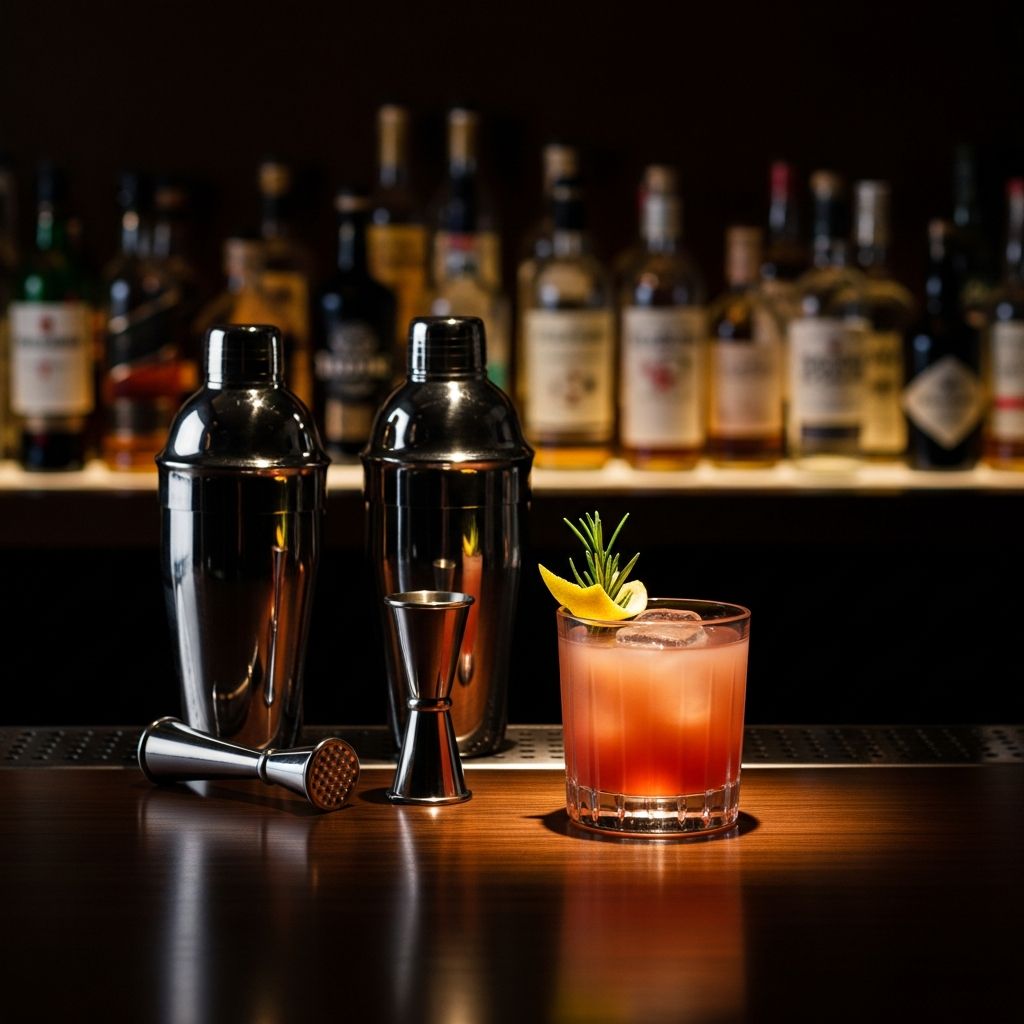
Opening a bar demands careful preparation, blending creativity with strict regulatory compliance to create a profitable venue. This guide provides a roadmap for entrepreneurs, detailing key phases from initial concept to daily operations, drawing on proven strategies for success in the competitive hospitality industry.
Defining Your Bar’s Unique Vision
Success begins with a clear concept that differentiates your bar from competitors. Consider your target demographic—whether young professionals seeking craft cocktails, sports fans wanting big screens, or a neighborhood crowd favoring casual vibes. Analyze local trends: urban areas might embrace speakeasies or rooftop lounges, while suburban spots thrive on live music or trivia nights.
Conduct thorough market research by surveying potential customers and studying nearby establishments. Identify gaps, such as underserved niches like non-alcoholic mixology or themed events. Your vision should encompass ambiance, lighting, music, and service style to foster repeat visits and word-of-mouth buzz.
- Theme Ideas: Dive bar with retro decor, upscale lounge with live jazz, sports bar with multiple TVs, or eco-friendly spot using sustainable ingredients.
- Customer Profiling: Age groups, income levels, and preferences guide everything from pricing to playlist curation.
- Competitive Edge: Unique signatures like house-infused spirits or interactive cocktail-making stations.
Crafting a Robust Business Plan
A detailed business plan serves as your blueprint, essential for securing funding and guiding decisions. Outline your executive summary, company description, market analysis, organization structure, product lineup, marketing approach, and financial forecasts.
Project startup costs realistically: expect $100,000 to $500,000 depending on location and scale, covering renovations, equipment, inventory, and licenses. Include three-year financial projections with revenue streams from drinks (70-80% of sales), food, events, and merchandise.
| Section | Key Components |
|---|---|
| Executive Summary | Mission, goals, funding needs |
| Market Analysis | Target market, competitors, trends |
| Operations | Daily hours, staffing, suppliers |
| Financials | Startup costs, P&L, cash flow |
Refine your plan iteratively, consulting mentors or using templates from the U.S. Small Business Administration for structure.
Securing Funding for Launch
Funding options abound: personal savings, bank loans, investors, or crowdfunding. Traditional loans require strong credit and collateral; SBA loans offer favorable terms for hospitality ventures. Pitch to angel investors emphasizing your unique concept and projections.
- Bootstrapping: Low-risk but limits scale.
- Investors: Equity trade-off for capital.
- Grants: Rare but check local small business programs.
- Crowdfunding: Builds community pre-launch.
Aim for 6-12 months of operating reserves to weather initial slow periods.
Navigating Legal and Licensing Hurdles
Compliance is non-negotiable; bars face stringent regulations. Start with business registration as an LLC for liability protection. Obtain an Employer Identification Number (EIN) from the IRS for taxes.
The liquor license is paramount, varying by state. In Illinois, secure a local municipal license first ($750 fee), then apply to the Illinois Liquor Control Commission with proof of insurance, tax ID, and background checks. Federally, register with the Alcohol and Tobacco Tax and Trade Bureau (TTB) to track alcohol purchases, facing fines up to $10,000 for non-compliance.
Additional permits include:
- Food service license if offering meals.
- Certificate of Occupancy for building safety.
- Signage and music licenses (ASCAP/BMI).
- Health, fire, and liquor liability insurance.
Apply early—processing can take 3-12 months. Consult local authorities and consider legal assistance for complex applications.
Selecting the Prime Location
Location drives 30-50% of success. Prioritize high foot traffic areas like downtown strips, near offices or universities, with ample parking. Avoid residential zones prone to noise complaints. Lease terms should allow flexibility; negotiate rent at 8-12% of projected revenue.
Evaluate square footage: 1,500-3,000 sq ft for most bars, allocating space for bar area (40%), seating (40%), kitchen/storage (20%). Check zoning laws permitting alcohol sales.
Designing Menus and Sourcing Inventory
Craft a menu balancing classics and innovations, with high-margin items like cocktails (profit margins 75-85%). Limit to 10-15 drinks for efficiency, including signatures. If serving food, pair small plates with drinks to boost checks by 20-30%.
Partner with reliable distributors for liquor, negotiating volume discounts. Stock based on projections: beer (40% sales), spirits (35%), wine (15%), non-alc (10%). Implement inventory software to minimize shrinkage from overpouring or theft.
Equipping Your Space Efficiently
Invest in durable essentials: speed rails, ice machines, refrigerators, glasswashers, POS systems, and furniture. Budget $50,000-$150,000; buy used where possible for savings.
| Category | Essentials | Est. Cost |
|---|---|---|
| Bar Setup | Backbar coolers, draft systems, shakers | $20k-$50k |
| Seating | Bar stools, tables, booths | $10k-$30k |
| Tech | POS, sound system, security cams | $5k-$15k |
Prioritize energy-efficient appliances to cut utilities (15-20% of expenses).
Building and Training Your Team
Hire experienced bartenders (certified in responsible service like BASSET in IL), servers, and managers. Offer competitive wages plus tips; train on menu knowledge, speed, and customer service. Conduct background checks and ongoing alcohol safety training.
- Staffing Ratio: 1 bartender per 50 guests peak.
- Training Focus: Upselling, hygiene, conflict resolution.
- Culture: Foster teamwork for retention.
Marketing and Grand Opening Strategies
Build hype pre-launch via social media, teasing menu previews and events. Partner with influencers for exposure. Launch with promotions like discounted signatures or live DJs.
Ongoing tactics: Loyalty programs, happy hours, themed nights. Digital presence—Google My Business, Yelp optimization—drives 40% of new customers. Budget 5-10% of revenue for ads.
Optimizing Daily Operations for Profitability
Track KPIs: pour costs (20% target), table turnover (2-3 hours), average check ($25-40). Use POS for real-time insights. Maintain cleanliness and ambiance for positive reviews.
Common pitfalls: Overstaffing, poor inventory control, ignoring feedback. Scale with events, private bookings for steady revenue.
Frequently Asked Questions
What licenses are essential to open a bar?
Core requirements include a liquor license, EIN, TTB registration, and local permits like food service or occupancy certificates. State-specific rules apply, e.g., local approval before state in Illinois.
How much does it cost to start a bar?
Typically $100k-$500k, varying by location, size, and buildout. Key expenses: licenses ($5k+), equipment ($50k+), inventory ($20k), rent deposits.
How long does a liquor license take?
3-12 months; apply early and prepare documentation meticulously to avoid delays.
Can I open a bar with no experience?
Yes, with a strong plan, mentors, and training. Partner with experienced managers or take hospitality courses.
What profit margins can I expect?
10-15% net after year one for well-run bars; drinks yield 70-85% gross margins.
References
- Your Guide to Starting a Business in Illinois — Illinois State Bar Association (ISBA). 2023. https://www.isba.org/public/guide/startabusiness
- How to Open a Bar. 13 steps to Start a Bar Business — Poster POS. 2024-02-15. https://joinposter.com/en/post/start-a-bar-business
- Comprehensive Guide to Start a Successful Bar Business in IL — BASSET On The Fly. 2024. https://www.bassetonthefly.com/blog/a-comprehensive-guide-to-starting-a-successful-bar-business/
- How to Open a Bar in Illinois — Accel Entertainment. 2023-05-10. https://www.accelentertainment.com/blog/how-to-open-a-bar-in-illinois
- How to Open a Bar: The Complete Guide — KaTom Restaurant Supply. 2024. https://www.katom.com/learning-center/so-you-want-to-start-a-bar-business.html
Similar Articles








Read full bio of medha deb


