
Launching a Temporary Retail Venture: Essential Steps
Master the fundamentals of opening a short-term retail space with strategic planning and compliance.
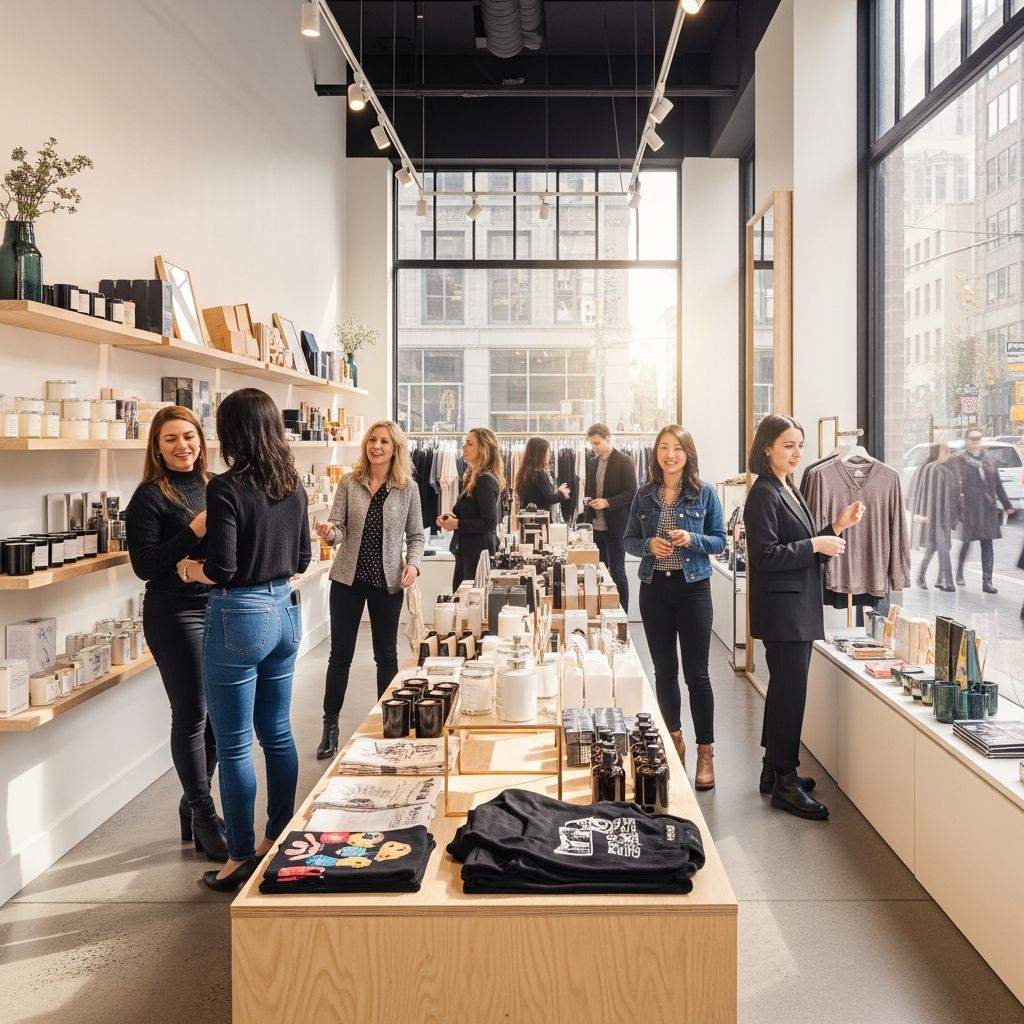
The rise of temporary retail spaces has transformed how entrepreneurs test new markets, introduce products, and engage with customers. Unlike traditional brick-and-mortar stores, temporary retail operations offer flexibility, lower overhead costs, and the ability to validate business concepts quickly. Whether you’re launching your first venture or expanding an existing brand, understanding the fundamental requirements for establishing a temporary retail space is essential for achieving profitability and brand visibility.
Establishing Your Core Business Purpose
Before investing time and resources into a temporary retail venture, you must clearly articulate why you’re pursuing this business model. Your purpose serves as the foundation for all subsequent decisions, from location selection to inventory management. Ask yourself what specific outcomes you hope to achieve: Are you introducing a new product line to gauge market response? Building brand awareness among a specific demographic? Testing a retail concept before committing to a permanent location? Generating immediate revenue during peak shopping seasons?
Your core business purpose should align with your target market’s behaviors and preferences. Understanding whether you’re primarily focused on direct sales, customer data collection, brand storytelling, or market research will influence how you design your space, staff your operation, and measure success. This clarity becomes particularly important when making trade-offs between different aspects of your operation, such as choosing between a premium location with higher rent or a more affordable space that requires greater marketing investment.
Consider also the timeline associated with your purpose. A seasonal product launch may require a multi-month commitment, while a brand activation event might span just a few weeks. This temporal dimension directly affects your budget allocation, staffing decisions, and contractual negotiations with venue operators.
Selecting the Right Physical Location
Location represents one of the most critical success factors for temporary retail operations. The physical site you choose will largely determine your foot traffic potential, customer demographics, and operational costs. Unlike permanent retail locations where you can build customer loyalty over years, temporary venues must capture attention and generate transactions quickly.
Key Location Selection Criteria
- Pedestrian Traffic Volume: Prioritize locations where your target customers naturally congregate. High-traffic areas such as shopping districts, transit hubs, entertainment zones, and community events generate exposure without requiring significant marketing investment to drive foot traffic.
- Demographic Alignment: Research the neighborhood composition to ensure the resident and visitor populations match your target customer profile. A luxury fashion pop-up in a college town may struggle, while the same concept could thrive near high-end residential areas or business districts.
- Venue Infrastructure: Assess what utilities, amenities, and equipment the location provides. Some venues include built-in point-of-sale systems, WiFi, climate control, and security, while others require you to supply these elements independently.
- Rental Cost Structure: Compare pricing models across potential locations. Some venues charge flat monthly rates, others use revenue-sharing arrangements, and some combine base rent with percentage-of-sales provisions. Calculate your break-even point under different revenue scenarios.
- Lease Flexibility: Confirm whether the venue allows short-term rentals aligned with your operational timeline. Some landlords prefer longer commitments, while specialized pop-up spaces market their flexibility specifically to temporary retailers.
Alternative Venue Options
Beyond traditional retail storefronts, several venue types accommodate temporary retail operations. Specialized pop-up spaces offer pre-configured locations with flexible lease terms and built-in customer traffic. Street markets, including farmers markets and craft fairs, provide established customer bases and community visibility at lower costs. Mobile solutions, such as food trucks or mobile retail carts, offer geographic flexibility but require additional permitting and operational considerations. Industry events and trade shows position your products before concentrated audiences of potential customers with demonstrated category interest.
Financial Planning and Budget Development
Creating a comprehensive budget prevents financial surprises and ensures your temporary retail operation remains profitable. Unlike permanent retail establishments where you can distribute initial investments across years, temporary venues concentrate all costs within a concentrated timeframe, making accurate budgeting essential.
Essential Expense Categories
| Expense Category | Description | Budget Impact |
|---|---|---|
| Venue Rental | Monthly or daily rent for physical location | High—often the largest expense |
| Display and Fixtures | Shelving, counters, signage, lighting, and décor | Medium—reusable across multiple pop-ups |
| Staffing | Employee wages, training, and benefits | High—staff quality directly impacts sales |
| Permits and Licenses | Legal compliance documentation and fees | Low to Medium—varies by jurisdiction |
| Insurance Coverage | Liability, property, and inventory protection | Medium—essential for risk management |
| Marketing and Promotion | Social media, signage, local advertising | Medium—drives customer awareness |
| Payment Processing | Point-of-sale systems, credit card terminals | Low—percentage of revenue |
| Inventory | Products to sell within the space | Variable—depends on business model |
Cost reduction strategies allow you to operate profitably within budget constraints. Utilizing pre-designed, reusable display fixtures eliminates custom fabrication expenses. Leveraging free social media platforms for marketing reduces advertising costs. Recruiting staff with existing retail experience reduces training expenses. Negotiating revenue-sharing arrangements instead of fixed rent aligns your costs with actual business performance. Forming strategic partnerships with complementary businesses can reduce individual marketing expenditures through shared promotional efforts.
Navigating Legal and Regulatory Requirements
Operating a temporary retail space involves navigating various legal and administrative obligations that vary significantly by jurisdiction. Inadequate attention to these requirements can result in fines, forced closure, or legal liability that undermines your business objectives.
Essential Permits and Documentation
Most municipalities require formal documentation before you can legally operate a temporary retail space. A temporary business establishment declaration must be submitted to local authorities, particularly if your registered business address differs from the pop-up location. This document notifies officials of your intent to operate and ensures compliance with local zoning regulations.
Depending on your product category and location, you may need additional permits. Food vendors require health department permits and food handling licenses. Businesses operating in parks or public spaces need special use permits. Alcohol sales require liquor licenses even for temporary operations. Some municipalities impose additional documentation for businesses operating within historic districts or specialized commercial zones.
Contact your local municipal government or chamber of commerce to understand specific permit requirements for your location and product category. Understanding these obligations early allows you to budget for associated fees and timeline delays. Many temporary retail operators report that securing necessary permits requires 2-4 weeks, so plan accordingly in your launch schedule.
Building Your Operational Team and Customer Experience
Your staff directly influences customer perception, conversion rates, and operational efficiency. In temporary retail environments where you lack the benefit of repeat customers and established brand reputation, your team’s professionalism and engagement become disproportionately important.
Staff Selection and Training
Recruit employees with previous retail experience who understand customer service fundamentals, point-of-sale systems, and sales techniques. Your staff members serve as brand ambassadors, so their appearance, communication style, and product knowledge must align with your brand identity and business objectives. Provide comprehensive training on your specific products, pricing structure, promotional offers, and customer engagement techniques before opening.
Consider implementing incentive structures that motivate staff to drive sales and engage customers authentically. Commission-based compensation, performance bonuses, or end-of-day recognition programs increase staff investment in your business success. Happy, motivated employees deliver superior customer service that increases conversion rates and encourages repeat visits.
Creating Memorable Customer Experiences
Your physical space design, product presentation, and customer interaction protocols collectively create the customer experience that determines whether visitors become buyers. Thoughtful merchandising highlights your most compelling products and guides customers through logical product discovery journeys. Clear signage communicates your unique value proposition and differentiates your temporary space from competitors.
Develop policies addressing common customer scenarios: animal policies, restroom access, returns procedures, and health-related contingencies. These policies should reflect your brand values while protecting your business interests. Document these policies visibly so customers understand expectations before entering.
Creating Visibility Through Strategic Marketing
Marketing commences well before your opening day and continues throughout your operational period. In temporary retail, you lack the benefit of passersby discovering you through months of repeated exposure, making proactive marketing essential for reaching your target audience.
Digital marketing channels offer cost-effective visibility building. Social media platforms allow you to announce your opening, share behind-the-scenes content, showcase products, and communicate operating hours to engaged followers. Email marketing reaches existing customers with opening announcements and exclusive offers. Search engine optimization helps potential customers discover your location when researching retail options in your area.
Local marketing tactics build community awareness and drive foot traffic. Partnerships with nearby businesses, local media coverage, community event sponsorships, and neighborhood social media groups amplify your visibility among nearby residents and workers. Direct outreach to past customers encourages them to visit your temporary location, converting existing relationships into sales opportunities.
Managing Operations and Measuring Success
Once your temporary retail space opens, operational excellence determines whether you achieve your financial and strategic objectives. Establish clear operating hours and communicate them consistently across all marketing channels and physical signage. Train staff on daily operational procedures including opening and closing protocols, inventory management, cash handling, and emergency procedures.
Track key performance metrics throughout your operational period. Daily sales figures, customer count, average transaction value, and inventory turnover rates provide real-time insights into business performance. These metrics inform mid-operation adjustments to pricing, product assortment, staffing levels, or promotional strategies. Compare actual performance against your pre-launch projections to understand what assumptions were accurate and which require refinement for future ventures.
Post-closure evaluation converts your temporary retail experience into actionable insights for future ventures. Document customer feedback, sales performance by product category, staffing efficiency, and overall profitability. This comprehensive analysis informs whether you should pursue permanent retail expansion, launch additional temporary locations, or pursue alternative business strategies.
Frequently Asked Questions
Q: How long does it typically take to open a temporary retail space?
A: The timeline varies based on permit complexity and venue availability, but most operators can launch within 4-8 weeks. Start by securing your location, then pursue permits and final preparations simultaneously to minimize delays.
Q: Can I operate a temporary retail space without formal permits?
A: Operating without required permits exposes you to fines, forced closure, and legal liability. Confirm all permit requirements with your local municipality before commencing operations, as requirements vary significantly by jurisdiction and product category.
Q: What’s the minimum budget for launching a temporary retail operation?
A: Costs vary dramatically based on location, duration, and product type, but budget at minimum $3,000-$10,000 for a short-term pop-up. This includes venue rental, basic fixtures, permits, insurance, and initial marketing. Premium locations and longer operational periods increase costs substantially.
Q: How do I choose between a retail space and a mobile pop-up unit?
A: Fixed retail spaces offer stability and concentrated customer traffic but require longer commitments and higher rent. Mobile units provide flexibility and geographic diversity but involve additional permitting, operational complexity, and potentially lower foot traffic. Choose based on your product category, budget, and operational flexibility requirements.
Q: Should I hire permanent staff or temporary workers?
A: Temporary workers suit short-term operations, reducing commitment and wage expenses. However, permanent staff with existing product knowledge and customer relationships may provide better service quality. Consider a hybrid approach with core permanent staff supplemented by temporary workers during peak periods.
References
- How to Organize a Pop-Up Store: 6 Steps + Successful Examples — Imagina. https://imagina.com/en/blog/article/organizing-pop-up-store/
- How to Set Up a Pop-Up Shop – Handy Checklist for Success — Storefront. https://www.thestorefront.com/mag/planning-pop-up-store-set-success-checklist/
- How-To Guide: 12 Steps To Launch Your Pop-Up Store — Go PopUp Magazine. https://magazine.gopopup.com/en/how-to-guide-12-steps-to-launch-your-pop-up-store/
- How To Start a Pop-Up Shop: 2026 Guide — Square. https://squareup.com/us/en/the-bottom-line/starting-your-business/how-to-open-pop-up-shop
- How to Plan a Pop-Up Shop — U.S. Chamber of Commerce. https://www.uschamber.com/co/grow/marketing/pop-up-shop-planning
Similar Articles








Read full bio of medha deb


