
Launching Your Hookah Lounge: A Complete Business Guide
Master the legal, financial, and operational essentials to successfully launch a profitable hookah lounge.
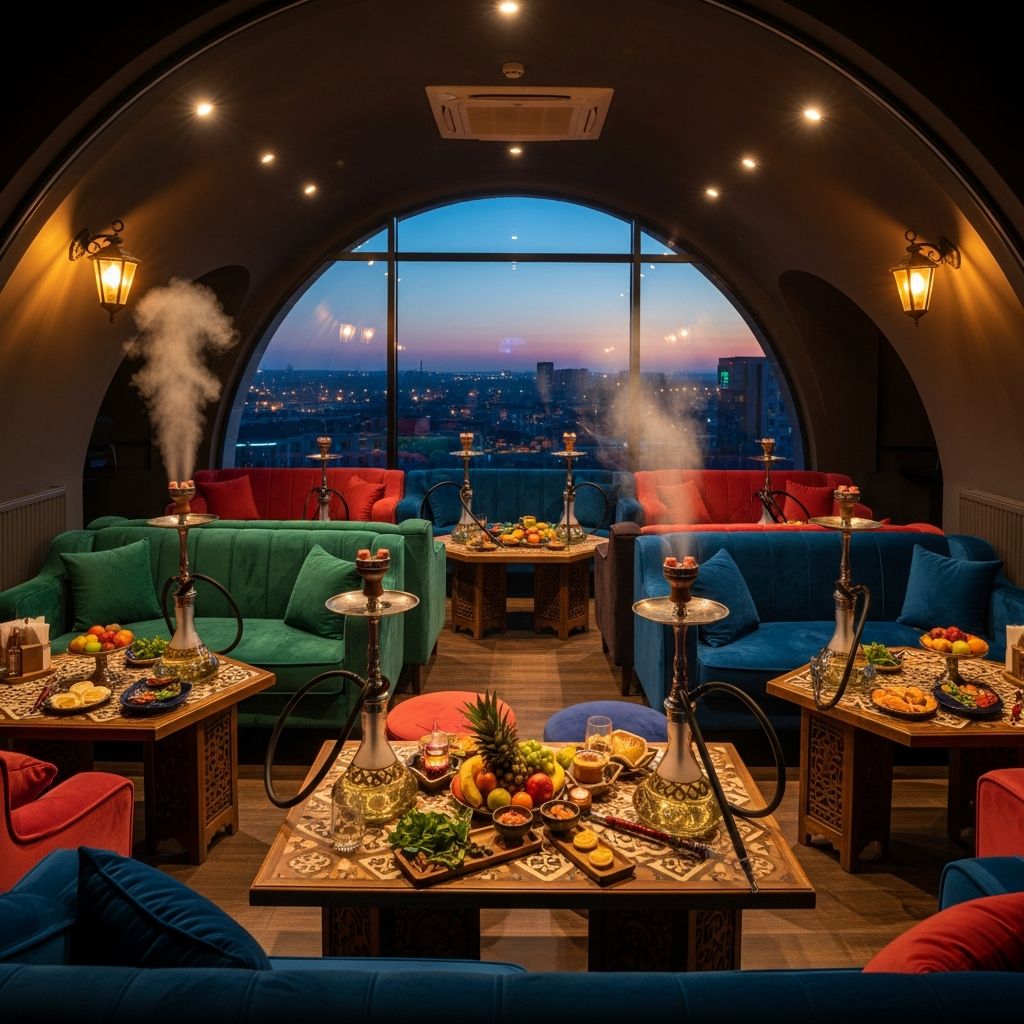
Understanding the Hookah Lounge Business Model
A hookah lounge operates fundamentally as a retail enterprise that combines product sales with an experiential service component. At its foundation, the business involves selling tobacco products and smoking accessories while providing a comfortable space for customers to enjoy the hookah experience. The retail nature of this business means proprietors must manage inventory, handle point-of-sale transactions, collect sales tax, and maintain proper record-keeping systems typical of any retail operation.
The scope of what a hookah lounge offers can vary significantly depending on market positioning and available capital. While some establishments focus exclusively on hookah smoking and related products, others expand their offerings to include food service, alcoholic beverages, or entertainment options such as live music or karaoke. This diversification strategy allows owners to capture additional revenue streams and appeal to broader customer demographics, though each addition introduces new regulatory requirements and operational complexity.
Determining Your Business Concept and Service Offerings
Before launching operations, proprietors must make strategic decisions about what products and services their lounge will provide. The customer demographic significantly influences these choices. For instance, lounges targeting college-age customers might emphasize casual dining options like burgers, fries, and chili, creating a social atmosphere conducive to student clientele. Conversely, establishments catering to older demographics may prioritize alcohol service, premium seating arrangements, and a more sophisticated ambiance.
Beyond beverages and food, the product selection requires careful consideration. Many successful hookah lounges differentiate themselves through:
- Extensive shisha tobacco flavor selections
- Premium and diverse hookah pipe options
- High-quality smoking accessories and replacement parts
- Complementary beverages including specialty coffees and teas
- Entertainment and ambiance enhancements
The decision to incorporate food or alcohol service carries significant financial and regulatory implications. A facility requiring kitchen infrastructure commands higher lease costs than a space without cooking facilities, and serving alcohol necessitates obtaining a liquor license, which varies substantially in cost across different jurisdictions. Entrepreneurs must weigh these additional expenses against potential revenue generation when developing their business model.
Navigating the Regulatory and Licensing Framework
Operating a hookah lounge requires compliance with a complex web of federal, state, and local regulations. The regulatory environment is more demanding than standard retail businesses because tobacco sales fall under specific government oversight, and additional regulations may apply if the business expands to include food or alcohol service.
The primary licenses and permits typically required include:
- Tobacco License: Federal registration with the Food and Drug Administration (FDA) is necessary since the FDA regulates tobacco sales at the national level. Additionally, state and city agencies typically issue tobacco licenses or permits that must be obtained before commencing sales.
- Business License: Many states mandate a general business license separate from industry-specific permits, serving as the foundational authorization to operate.
- Sellers Permit: States issue sellers permits to track and collect sales tax, making this authorization essential for any retail operation.
- Resale Permit: If the business plans to retail hookah pipes and smoking accessories, a resale permit allows the owner to purchase inventory without paying sales tax on wholesale purchases.
- Certificate of Occupancy (CO): Before finalizing any lease agreement, property owners must obtain a Certificate of Occupancy specific to hookah lounge use. This document confirms the space meets building codes and zoning requirements while specifying the authorized use.
- Alcohol License (if applicable): Serving alcoholic beverages requires a separate license, which can be expensive depending on the state.
- Food Service License (if applicable): Operating a kitchen or serving food requires health department authorization and regular inspections.
Municipal requirements may also include specific ventilation standards that exceed those required for traditional restaurants or bars, reflecting the nature of hookah smoke and tobacco consumption. Entrepreneurs should thoroughly research local ordinances before selecting a location and committing to lease terms.
Location Selection and Property Considerations
Choosing the right location represents one of the most critical decisions in launching a successful hookah lounge. Beyond the obvious financial considerations, several factors influence operational viability and long-term profitability.
Key location evaluation criteria include:
| Criterion | Importance | Considerations |
|---|---|---|
| Lease Cost | Critical | Must align with revenue projections and break-even calculations. High rent in premium areas may not justify reduced customer traffic. |
| Parking Availability | High | Easy and affordable parking significantly impacts customer accessibility and retention, particularly for evening entertainment venues. |
| Public Transportation | High | Proximity to transit stations expands the accessible customer base, particularly valuable in urban markets. |
| Area Demographics | Critical | Population age, income levels, and lifestyle preferences should align with the target market and service offerings. |
| Regulatory Compliance | Critical | Zoning laws, tobacco sales restrictions, and local ordinances must permit hookah lounges in the selected area. |
| Ventilation Requirements | High | The space must support enhanced ventilation systems that may exceed standard commercial requirements. |
Before signing any lease, verify that the property owner holds a valid Certificate of Occupancy authorizing hookah lounge operations. This documentation confirms the space meets all applicable building codes and zoning regulations for the intended use. Neglecting this verification can result in significant operational disruptions or lease termination.
Financial Planning and Startup Capital Requirements
Startup costs for hookah lounges vary considerably based on multiple factors, ranging from approximately $30,000 to over $200,000 depending on the scope of operations, location, and service offerings. Understanding the cost structure helps entrepreneurs secure appropriate financing and establish realistic financial projections.
Major cost categories typically include:
- Lease and Buildout: Rent deposits, buildout costs, and any renovations necessary to meet regulatory standards and create the desired atmosphere
- Equipment and Furnishings: Initial inventory of hookahs (typically 20-30 units), furniture, lighting, sound systems, and decor
- Initial Inventory: Shisha tobacco in multiple flavors, hookah accessories, charcoal, mouthpieces, and replacement parts
- Permits and Licenses: Application fees, inspection costs, and regulatory compliance expenses
- Insurance: General liability, property insurance, and potentially specialized coverage for tobacco sales
- Staffing: Initial payroll, training programs, and employee benefits
- Marketing and Launch Promotion: Grand opening advertising, signage, and initial customer acquisition efforts
A basic estimate allocates approximately $40,000 for a modest operation, covering essential space rental, basic licensing, insurance, and initial inventory. However, locations in high-demand areas or lounges offering comprehensive food and beverage service typically exceed this baseline significantly.
Developing a Comprehensive Business Plan
A well-structured business plan serves as both a planning tool and a critical document for securing financing from lenders or investors. The plan need not be excessively lengthy or complex; rather, it should demonstrate thorough understanding of the business model and market opportunity.
Essential components of a hookah lounge business plan should address:
- Executive summary highlighting the business concept and growth potential
- Market analysis identifying target demographics and competitive landscape
- Financial projections including startup costs, operating expenses, and revenue forecasts
- Break-even analysis determining when the business will become profitable
- Pricing strategy balancing market competitiveness with profitability
- Customer acquisition strategies and marketing approach
- Operational procedures and staffing plans
- Risk analysis and contingency planning
- Exit strategy or expansion plans
Financial modeling should calculate realistic revenue targets based on operational metrics. For example, if monthly overhead costs reach $7,500 with an average revenue of $27 per hookah session, the business must achieve approximately 25-30 hookah sessions nightly on operating days to break even and generate profit. This mathematical foundation helps entrepreneurs understand what customer volume and pricing are necessary for viability.
Competitive Differentiation and Market Positioning
The hookah lounge market shows increasing competition in urban areas, making differentiation essential for business success. Most lounges compete based on several key factors that influence customer choice and loyalty.
Primary competitive dimensions include:
- Breadth and quality of hookah pipe selections and shisha flavor varieties
- Interior design, ambiance, and overall aesthetic appeal
- Quality and variety of food and beverage offerings
- Entertainment options and event programming
- Customer service excellence and staff expertise
- Pricing and value proposition
- Location accessibility and convenience
Successful lounges invest significantly in creating distinctive atmospheres that transcend basic functionality. The space should feel curated and welcoming, with attention to lighting, music selection, furnishings, and decor that reflects the brand identity and appeals to the target demographic. Premium seating, temperature control, and cleanliness standards directly influence customer retention and word-of-mouth recommendations.
Operational Infrastructure and Staffing
Beyond regulatory compliance and financial planning, establishing robust operational systems ensures smooth daily functioning. The business requires trained staff capable of preparing hookah products correctly, providing customer service, and maintaining health and safety standards.
Key operational considerations include:
- Staff training protocols covering hookah preparation, product knowledge, and customer service standards
- Inventory management systems for tobacco, accessories, and consumables
- Cleaning and sanitation procedures meeting health department requirements
- Point-of-sale systems and financial record-keeping
- Customer management and reservation systems for peak periods
- Compliance monitoring for age verification and tobacco sales regulations
Well-trained, friendly staff significantly impacts the customer experience and business reputation. Employees should understand product offerings intimately, be capable of making personalized recommendations, and create welcoming interactions that encourage repeat visits and customer loyalty.
Understanding Industry-Specific Challenges and Solutions
Hookah lounges face unique operational challenges distinct from traditional retail or food service businesses. Tobacco smoke management, regulatory complexity, and evolving public health policies require proactive management strategies.
Common challenges include:
- Ventilation and Air Quality: Enhanced ventilation systems may require significant capital investment and ongoing maintenance to meet regulatory standards and provide comfortable customer experiences
- Regulatory Changes: Tobacco and smoking regulations evolve frequently, requiring continuous monitoring of federal, state, and local policy changes
- Youth Protection Compliance: Age verification systems and staff training are essential to prevent illegal sales to minors
- Tax Obligations: Complex sales tax, excise tax, and potentially federal tobacco taxes require accurate tracking and timely payment
- Insurance Requirements: Specialized liability coverage for tobacco sales may be necessary and can be more costly than standard retail insurance
Frequently Asked Questions
Q: What are the minimum startup costs for a hookah lounge?
A: Startup costs typically range from $30,000 to $200,000 depending on location, space size, service offerings, and local regulatory requirements. A basic operation might start at approximately $40,000, covering lease deposits, initial inventory, permits, and insurance.
Q: Which federal agency regulates hookah tobacco sales?
A: The Food and Drug Administration (FDA) regulates tobacco sales at the federal level. Operators must register with the FDA and obtain applicable tobacco licenses from state and local authorities before beginning sales.
Q: What is a Certificate of Occupancy and why is it important?
A: A Certificate of Occupancy (CO) is a document confirming that a property meets building codes and zoning requirements for its intended use. Before leasing space for a hookah lounge, ensure the property owner has obtained a CO specifically authorizing hookah lounge operations.
Q: Do I need a liquor license if my hookah lounge only serves non-alcoholic beverages?
A: No, a liquor license is only required if you intend to serve alcoholic beverages. If your lounge offers only coffee, tea, juice, and soft drinks, alcohol licensing is unnecessary. However, you will still need tobacco, business, and sellers permits.
Q: What should my business plan address?
A: A comprehensive business plan should cover startup and recurring costs, pricing strategy, target customer identification, customer acquisition methods, break-even analysis, financial projections, competitive positioning, and operational procedures.
Q: How do location factors affect hookah lounge success?
A: Location influences customer accessibility, rent costs, and target demographic alignment. Consider parking availability, public transportation proximity, area demographics, lease costs, local zoning regulations, and whether the property has appropriate ventilation infrastructure.
References
- All You Need to Know About Opening a Hookah Lounge — RMS Programs. 2024. https://www.rmsprograms.com/blog/all-you-need-to-know-about-opening-a-hookah-lounge/
- How to Start a Hookah Lounge Business — Nolo Legal Encyclopedia. 2025. https://www.nolo.com/legal-encyclopedia/how-to-start-a-hookah-lounge.html
- Open a Hookah Lounge – Everything You Need to Know — Moze Shisha. 2024. https://mozeshisha.de/en/knowledge/hookah-tipps/how-do-you-open-a-hookah-bar/
- How to Start a Hookah Lounge — Hookah.com. 2024. https://hookah.com/blog/so-you-want-to-open-a-hookah-lounge
- Hookah Bar Business Plan Sample — LivePlan. 2023. https://www.liveplan.com/sample-business-plans/food-and-beverage/hookah-bar-business-plan
Similar Articles








Read full bio of Sneha Tete


