
Vending Machine Business: Launch With Low Startup Costs
Comprehensive guide to building a profitable vending machine business from concept to cash flow in 2026.
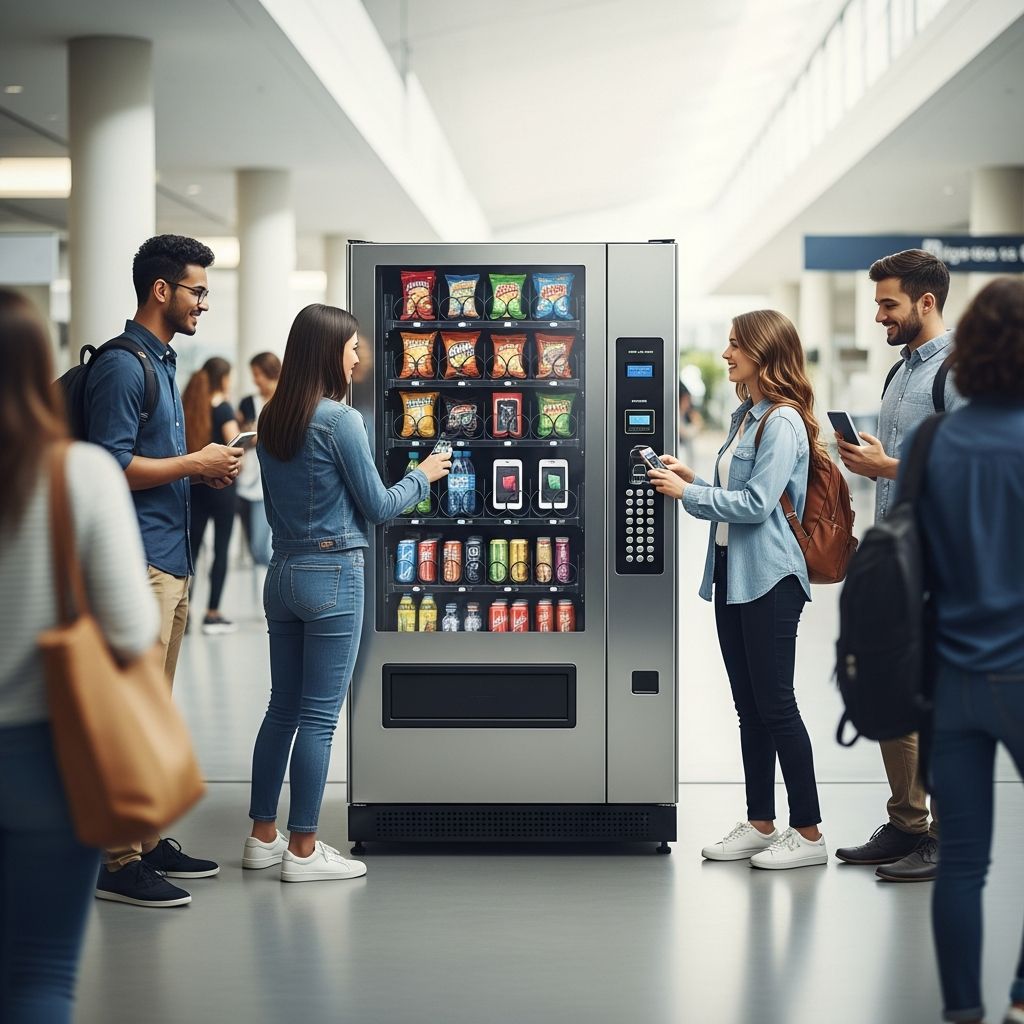
Entering the vending machine industry offers entrepreneurs a pathway to generate passive income with relatively low barriers to entry. This business model leverages automated sales through strategically placed machines stocked with popular products, allowing revenue to flow with minimal daily oversight once established. Ideal for those seeking scalable side hustles or full-time operations, vending thrives on high-traffic spots and efficient management.
Understanding the Vending Opportunity
The appeal of vending machines lies in their simplicity and profitability potential. Machines operate 24/7, serving snacks, beverages, or niche items to captive audiences in offices, schools, gyms, and transit hubs. Startup costs range from $3,000 to $10,000 per new machine, dropping under $3,000 for used ones, making it accessible for beginners. Experienced operators report average monthly revenues of $300-$600 per machine in prime locations, with profit margins up to 50% after costs.
Key advantages include flexibility in scaling—you can begin with one unit and expand—and the ability to test markets without full-time commitment. Challenges involve location competition and maintenance, but smart planning mitigates these. In 2026, trends toward healthy options and cashless payments boost opportunities.
Developing Your Business Blueprint
Success begins with a detailed plan outlining your niche, target markets, and financial projections. Identify buyer personas: office workers crave quick snacks, gym-goers prefer protein bars, and students favor affordable drinks. Research local demand to avoid oversaturated areas.
Create a business plan covering:
- Market Analysis: Assess competition and high-traffic zones like factories, apartments, or hospitals.
- Financial Forecast: Estimate costs (machines, inventory, commissions) against projected sales.
- Operations Overview: Detail restocking schedules and maintenance routines.
- Growth Strategy: Plan for adding machines based on performance data.
Use free templates from official small business resources to structure this document, ensuring it’s bank-ready for potential financing.
Choosing Profitable Machine Types and Products
Select machines based on location demographics. Combo units dispensing snacks and drinks maximize sales in one footprint. Specialty options like fresh food or healthy vending cater to wellness trends.
| Machine Type | Ideal Locations | Avg. Cost (New) | Monthly Revenue Potential |
|---|---|---|---|
| Snack/Drink Combo | Offices, Schools | $4,000-$6,000 | $400-$800 |
| Healthy Options | Gyms, Hospitals | $5,000-$7,000 | $500-$1,000 |
| Bulk Candy | Malls, Laundromats | $2,000-$4,000 | $200-$500 |
Source reliable suppliers for durable, feature-rich models with card readers for cashless transactions, increasingly vital as digital payments dominate. For products, prioritize high-margin items: buy wholesale at low costs and price for 2-3x markup. Tailor stock—energy drinks for late-night spots, granola for fitness centers—and track sales to optimize.
Securing Prime Locations
Location dictates 80% of success; aim for 50-100 daily foot traffic minimum. Approach property owners with data-driven proposals highlighting mutual benefits like employee perks or added convenience.
Negotiation tips:
- Offer 5-25% commission on gross sales, starting low to prove value.
- Emphasize no-cost installation and reliable service.
- Secure 1-3 year contracts with renewal options.
Key contract elements include parties involved, duration, product types, compensation, maintenance duties, damage liability, exclusivity, and termination clauses for poor performance. Consult a lawyer to review agreements.
Legal and Financial Foundations
Form an LLC to shield personal assets from liabilities, separating business and personal finances from day one. Obtain necessary permits: general business license, sales tax permit, and location-specific approvals. Contact local authorities for vending regulations.
Track all expenses meticulously—inventory, mileage, repairs—for tax deductions. Use accounting software for sales tax reporting and quarterly filings. Budget for insurance covering theft, vandalism, and liability. Startup financing options include personal savings, small business loans, or equipment leasing.
Acquiring and Installing Equipment
Options include buying new, used, or acquiring an existing route. Purchasing established operations provides proven locations and sales history; vet seller motives and verify financials. For new ventures, source from reputable vendors offering warranties.
Installation requires planning: arrange delivery, ensure electrical access, and secure against tampering. Stock fully on launch day, monitoring first-week sales to refine inventory.
Daily Operations and Maintenance
Efficient routes are profitable ones. Schedule restocks 1-3 times weekly based on sales velocity, collecting cash and cleaning machines. Implement telemetry for remote inventory tracking to minimize visits.
Build systems:
- Weekly audits for stock levels and machine health.
- Customer feedback loops via signage or apps.
- Backup suppliers to avoid shortages.
Outsource repairs if scaling beyond personal capacity.
Financial Projections and Profit Maximization
Expect 30-50% gross margins after wholesale costs and commissions. A single machine might net $200-$400 monthly; 10 machines scale to full-time income.
Strategies to boost profits:
- Dynamic Pricing: Adjust based on demand.
- Upsell Features: Add healthy or premium items.
- Tech Integration: Cashless systems reduce theft and increase sales by 20-30%.
Scaling to Multiple Machines
Reinvest profits into expansion. Analyze top performers to replicate success, targeting similar venues. Hire route drivers as volume grows, automating with software for scheduling. Aim for 20-50 machines for enterprise-level operations.
Common Pitfalls and Solutions
Avoid overspending on unproven locations by piloting small. Combat theft with secure machines and cameras. Stay compliant to prevent fines. Regularly update products to trends like plant-based snacks.
Frequently Asked Questions
How much capital do I need to start?
Typically $3,000-$10,000 for one machine, including stock and initial setup.
What are the best locations for vending machines?
High-traffic areas like offices, gyms, schools, and apartments with 50+ daily visitors.
Do I need a business license?
Yes, plus sales tax permits; check local regulations.
How often should I restock?
1-3 times per week, based on sales data.
Can vending be passive income?
Yes, after setup, with 4-10 hours weekly per machine for established routes.
Ready to Launch
With disciplined execution, your vending business can evolve from a single machine to a thriving network. Focus on locations, efficiency, and adaptation for long-term success.
References
- Guide to Vending Machine Businesses — Opens.co. 2025. https://www.opens.co/articles/guide-to-vending-machine-businesses
- How to Start a Vending Machine Business: Your 7-Step Guide for 2026 — Growth Grid AI. 2025. https://growth-grid.ai/blog/how-to-start-a-vending-machine-business-your-7-step-guide-for-2026/
- How to Start a Vending Machine Business — NerdWallet. 2025-12-15. https://www.nerdwallet.com/business/learn/how-to-start-a-vending-machine-business
Similar Articles








Read full bio of Sneha Tete


