
Ghost Kitchen: 9 Steps To Launch Your Empire In 2025
Unlock the secrets to building a profitable delivery-only food business with low overhead and high scalability.
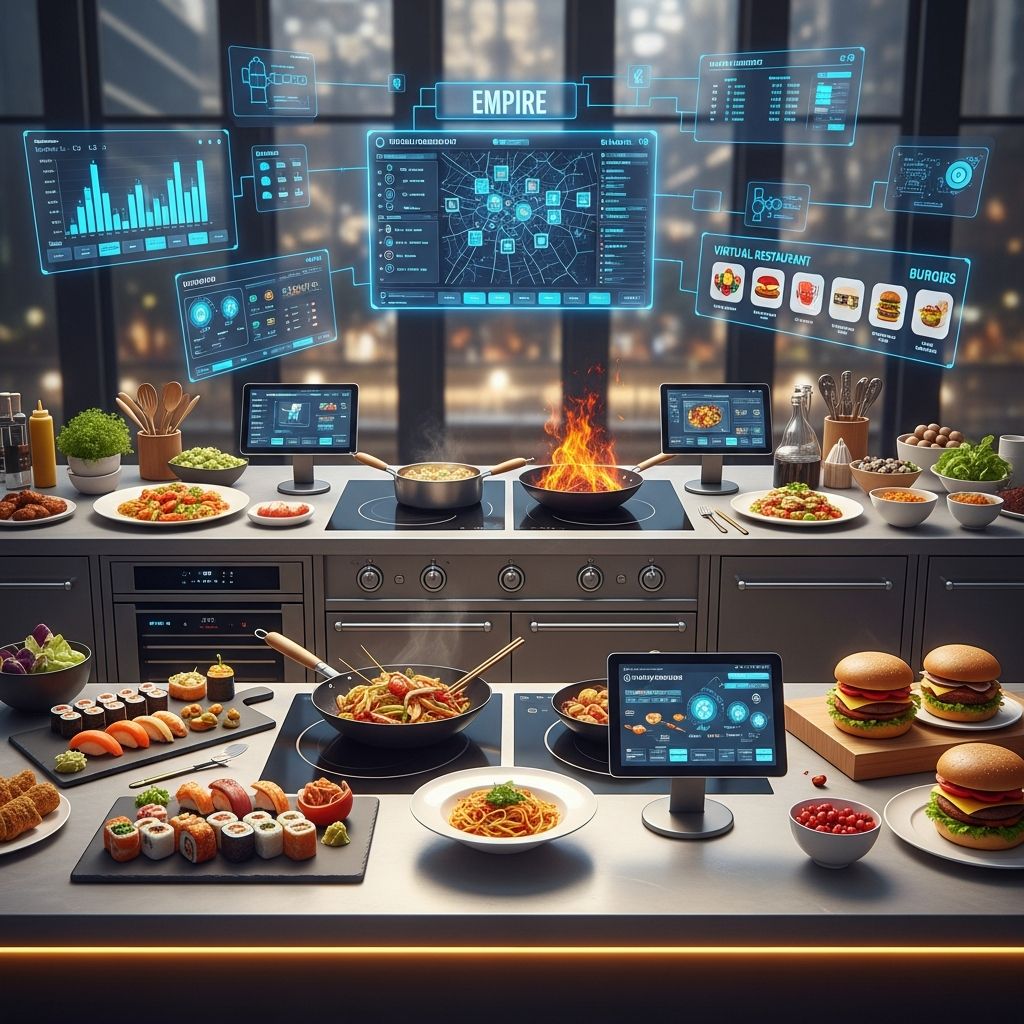
Ghost kitchens, also known as virtual or cloud kitchens, represent a transformative model in the food industry, focusing exclusively on delivery and takeout without dine-in spaces. This approach slashes overhead costs like rent for customer-facing areas and allows entrepreneurs to test concepts rapidly in high-demand urban markets.
Understanding the Ghost Kitchen Advantage
Traditional restaurants grapple with high failure rates, with about 30% closing within the first year due to steep operational expenses.Ghost kitchens mitigate these risks by emphasizing efficiency, shared spaces, and digital ordering systems, enabling launches in as little as six weeks with minimal capital.
- Lower startup costs: No need for dining rooms, decor, or front-of-house staff.
- Scalability: Operate multiple brands from one kitchen.
- Flexibility: Pivot menus based on real-time demand data from delivery apps.
The global ghost kitchen market is projected to reach $71.4 billion by 2027, driven by surging online food orders post-pandemic.This model suits aspiring restaurateurs seeking entry without the burdens of brick-and-mortar setups.
Step 1: Conduct Thorough Market Analysis
Success begins with data. Analyze local demand using tools like delivery app insights, Google Trends, and competitor reviews to identify gaps. Are residents craving vegan Thai fusion or late-night gourmet burgers? Underserved niches like healthy comfort food or ethnic specialties often yield high returns.
Key questions to answer:
- What cuisines dominate local delivery platforms?
- Which price points perform best in your target zip codes?
- How do competitors rate on speed, packaging quality, and taste?
Pro tip: Target dense urban areas or college towns where delivery volume is high and average order values exceed $25, optimizing profitability after platform fees.
Step 2: Craft a Robust Business Blueprint
A detailed plan is your foundation, outlining concept, operations, finances, and growth trajectory. Project startup costs ($50,000–$200,000 depending on shared vs. dedicated space), monthly expenses (rent, ingredients, labor), and break-even timelines.
| Cost Category | Estimated Range | Notes |
|---|---|---|
| Kitchen Rent/Setup | $10,000–$50,000 | Shared spaces reduce this significantly |
| Equipment | $20,000–$80,000 | Focus on multi-use appliances |
| Initial Inventory | $5,000–$15,000 | Scale based on menu complexity |
| Marketing & Tech | $5,000–$20,000 | Apps, website, POS systems |
Include revenue forecasts assuming 100–300 daily orders at a 30% food cost margin. Secure funding via personal savings, small business loans, or investors attracted by the model’s quick ROI potential.
Step 3: Design a Winning Menu and Brand
Limit your menu to 5–10 items using overlapping ingredients for efficiency—think burgers where patties serve multiple dishes. Prioritize high-margin, shelf-stable components to minimize waste. Test recipes rigorously for delivery durability: flavors that travel well without sogginess.
Branding is crucial for digital visibility. Create a compelling name, logo, and story that resonates on apps like DoorDash or Uber Eats. Emphasize unique selling points, such as ‘farm-fresh in 30 minutes’ or ‘secret family recipes delivered hot.’ Build social media buzz pre-launch with teaser videos and polls.
Step 4: Secure Prime Kitchen Space
Location trumps aesthetics—choose spots central to your delivery radius (ideally 3–5 miles) to cut times and fees. Options include:
- Dedicated facilities: Full control but higher rent.
- Shared commercial kitchens: Cost-effective for startups.
- Partnerships with existing restaurants: Use off-peak hours.
Ensure the space has high-bandwidth internet, proper ventilation, and zoning for food prep. Proximity to high-order zones boosts efficiency and customer satisfaction.
Step 5: Navigate Legal and Permitting Hurdles
Compliance is non-negotiable. Obtain a business license, Employer Identification Number (EIN), food handler’s permit, health department inspection, and certificate of occupancy. Requirements vary by jurisdiction—check local health codes for delivery-specific rules like packaging standards.
Insurance covers liability, property, and workers’ comp. If alcohol is involved, secure a liquor license. Budget 4–8 weeks for approvals; delays can derail launches.
Step 6: Equip for Peak Efficiency
Invest in durable, versatile gear: commercial ovens, refrigeration, prep stations, and packaging lines. Prioritize energy-efficient models to control utilities. Integrate POS systems compatible with delivery platforms for seamless order flow.
- Essential tech: Inventory trackers, kitchen display systems (KDS), and analytics dashboards.
- Sustainability focus: Eco-friendly packaging appeals to modern consumers.
Step 7: Assemble and Train Your Team
Hire 4–10 staff versed in fast-paced prep: cooks, packers, and a manager. Emphasize speed, hygiene, and consistency. Training covers order prioritization, quality checks, and app protocols. Cross-train for flexibility during peaks.
Competitive wages plus tips retain talent in this labor-intensive model.
Step 8: Integrate Delivery and Tech Stack
Partner with 2–3 platforms (e.g., Grubhub, Postmates) for broad reach, but own your website for lower commissions. Use in-house drivers for premium control or hybrids. Optimize workflows: Auto-accept orders, real-time tracking, and feedback loops.
Step 9: Ignite Marketing and Customer Acquisition
Launch with geo-targeted ads, influencer collabs, and app promotions. Leverage SEO for your site and Google My Business. Post mouthwatering content daily—unboxings, behind-the-scenes. Encourage reviews to climb rankings.
- Loyalty programs: Free sides after 5 orders.
- Email/SMS: Abandoned cart reminders.
Monitor metrics like repeat rate (aim for 40%) and average order value.
Scaling to Multi-Brand Success
Once profitable, add brands sharing the kitchen—e.g., pizza by day, sushi by night. Data-driven expansion into new cities via franchising or pop-ups ensures sustained growth.
Frequently Asked Questions
What are the biggest challenges in running a ghost kitchen?
Common hurdles include delivery delays, high platform fees (20–30%), and maintaining quality over distance. Mitigate with strong partnerships and rigorous testing.
How much does it cost to start a ghost kitchen?
Expect $50,000–$250,000, far less than traditional spots. Shared models keep it under $100,000.
Do I need my own delivery drivers?
Not initially—third-party apps suffice, but in-house fleets improve margins long-term.
Can existing restaurants convert to ghost kitchens?
Yes, using underutilized space boosts revenue without major overhauls.
How do ghost kitchens handle regulations?
Treat them like any food business: full licensing, inspections, and food safety protocols apply.
References
- How to Start a Ghost Kitchen: Essential Tips for Success — CloudKitchens. 2023. https://cloudkitchens.com/blog/tips-on-how-to-start-a-ghost-kitchen/
- How to Open a Ghost Kitchen and Succeed in the Food Industry — Dickey’s Barbecue Pit Franchise. 2024. https://franchise.dickeys.com/blog/how-to-open-a-ghost-kitchen/
- How to Start a Ghost Kitchen: A Practical Guide — The Restaurant Warehouse. 2025-01-15. https://therestaurantwarehouse.com/blogs/restaurant-equipment/how-to-start-ghost-kitchen
- How to start a ghost kitchen in 7 steps — Lightspeed. 2024. https://www.lightspeedhq.com/uk/blog/how-to-start-a-ghost-kitchen/
- How to Start a Ghost Kitchen — Virtual Dining Concepts. 2024. https://joinvdc.com/blog/start-a-ghost-kitchen/
- Ghost Kitchen Essentials: A Practical Guide — GetKnowApp. 2025. https://www.getknowapp.com/blog/ghost-kitchen-essentials/
Similar Articles








Read full bio of medha deb


