
Landlord Pest Control Duties: Guide For Renters & Owners
Understand landlord obligations for pest management in rentals, tenant rights, and steps to resolve infestations effectively.
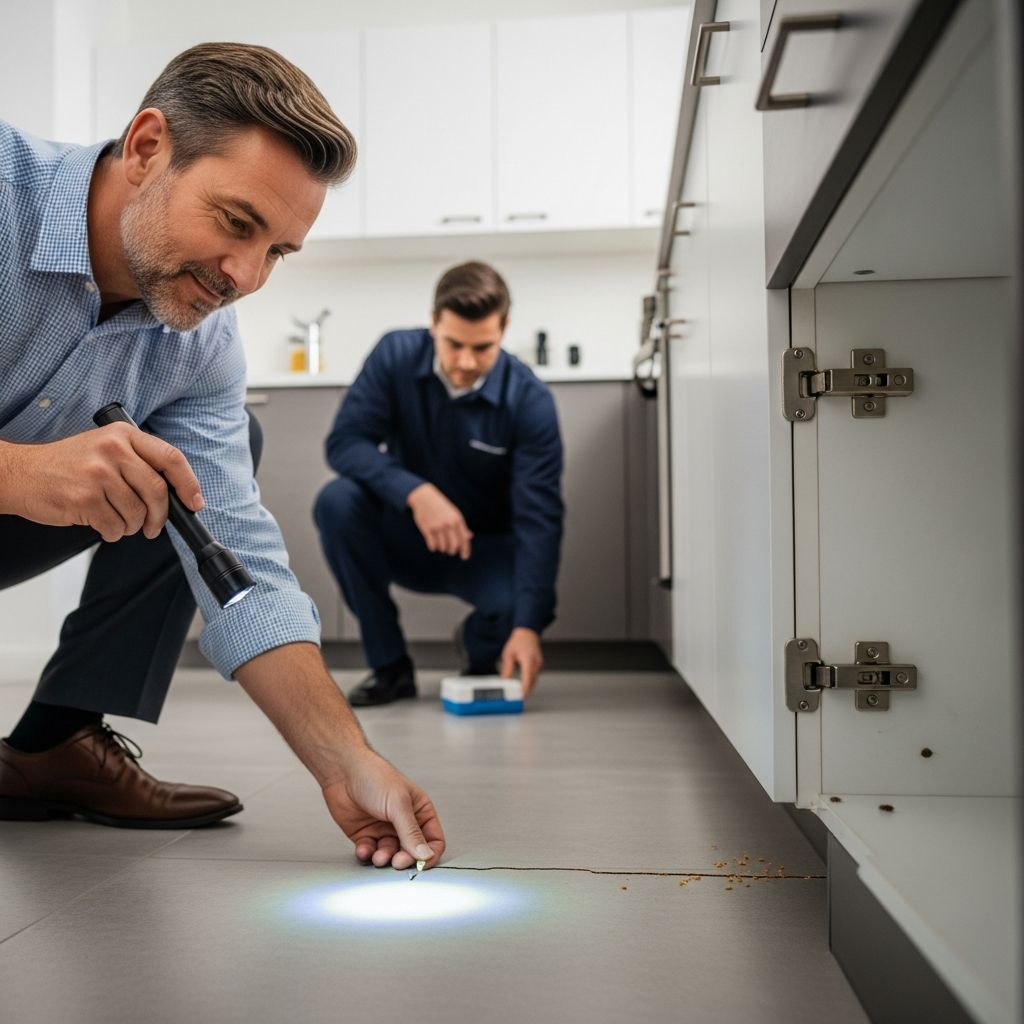
Rental properties must meet basic habitability standards, which include keeping units free from pests that pose health risks or make living conditions unsafe. Landlords hold the primary duty to address infestations promptly, as required by state laws emphasizing clean and safe environments for tenants.
Legal Foundations of Habitability and Pest Management
Habitability warranties form the core of rental laws, mandating landlords to deliver and sustain properties suitable for occupancy. Pests like rodents, cockroaches, bed bugs, and ants violate these standards by spreading diseases, contaminating food, and causing structural damage. In California, Civil Code Sections 1941 and 1942 explicitly require landlords to maintain buildings free of garbage, rubbish, rodents, and other pests, making infestations grounds for uninhabitability claims.
Nationally, most states impose similar obligations through implied warranties or explicit statutes. Landlords must conduct regular inspections and preventative treatments to avoid issues, ensuring properties remain compliant with local health codes. Failure to act can lead to tenant remedies, including rent withholding or legal action.
Primary Responsibilities: Landlords vs. Tenants
Landlords shoulder the bulk of pest control duties, from initial move-in inspections to ongoing extermination services. They must hire licensed professionals for effective, safe treatments and cover costs unless tenant negligence is proven. Tenants, however, must maintain cleanliness, report issues immediately, and avoid actions that attract pests, such as improper trash disposal or pet-related flea outbreaks.
| Party | Key Duties | Exceptions/Limitations |
|---|---|---|
| Landlord | Provide pest-free unit at move-in; respond to reports; hire exterminators; seal entry points; seasonal preventions | Not liable if tenant causes infestation with evidence (e.g., photos of uncleanliness) |
| Tenant | Keep unit clean; store food properly; report pests promptly; allow access for treatments | Responsible for pet-induced pests or gross negligence |
State Variations: Focus on California Requirements
California exemplifies strict landlord accountability. Properties must be fully habitable upon tenant arrival; discovering pests on move-in day allows tenants to refuse occupancy and reclaim deposits. Landlords must notify tenants before treatments and use non-toxic methods that preserve habitability. For bed bugs or rodents, response times align with health codes, often requiring action within days.
Other states vary: New York mandates 21 days for rodents/cockroaches, 30 for bed bugs, and 90 for lesser pests. Always consult local ordinances, as municipal codes may impose faster timelines or additional protocols.
Drafting Effective Lease Clauses for Pest Issues
Clear lease language prevents disputes by outlining responsibilities. Standard provisions include:
- Landlord commitment to pest-free delivery and quarterly treatments.
- Tenant obligation to notify within 48 hours of sighting pests.
- Clauses holding tenants liable for proven negligence, with billing for services.
- Notice requirements for chemical applications, ensuring tenant safety.
- Documentation protocols for inspections and responses.
Landlords can opt for full-service models (covering all pests) or hybrid approaches (preventative visits quarterly, tenant-handled spot issues). Including these reduces litigation risks and clarifies expectations.
Response Timelines and Emergency Protocols
Promptness is critical, as delays exacerbate infestations. Landlords should schedule exterminators within days of notification for urgent cases like rodents, which may require weeks for full eradication and temporary relocations. Non-emergency pests allow slightly longer windows, but ignoring reports breaches habitability.
Tenants facing inaction can:
- Send written notices documenting the issue.
- Withhold rent after proper notice (state-specific).
- Contact local housing authorities or health departments.
- Pursue small claims or repair-and-deduct remedies.
Preventative Strategies for Long-Term Control
Proactive measures outperform reactive fixes. Landlords should:
- Seal cracks, install door sweeps, and maintain landscaping.
- Schedule bi-annual professional inspections.
- Educate tenants on hygiene via lease addendums.
Tenants contribute by using sealed containers, fixing leaks promptly, and vacuuming regularly. Combined efforts minimize recurrences.
Documentation: Protecting All Parties
Records are vital for disputes. Landlords must log tenant reports, inspection dates, treatment invoices, and follow-ups. Photos of pre-infestation conditions prove tenant causation if needed. Tenants should photograph evidence, timestamp communications, and retain copies of notices. This paper trail supports legal claims or defenses.
Tenant Rights When Landlords Fail to Act
If landlords neglect duties, tenants gain leverage. Options include:
- Written Demand: Detail the issue, prior notifications, and requested actions with deadlines.
- Repair and Deduct: Fix minor issues (under state caps) and subtract from rent.
- Rent Withholding: Escrow withheld amounts until resolved, per local laws.
- Government Intervention: File complaints with housing inspectors for citations.
- Court Action: Sue for damages, lease termination, or habitability enforcement.
California tenants benefit from strong Civil Code protections, enabling quick resolutions.
Common Pests and Tailored Responses
Different pests demand specific strategies:
- Bed Bugs: Require heat treatments or targeted chemicals; multiple visits essential.
- Rodents: Trapping, baiting, and entry sealing; may need temporary vacancies.
- Cockroaches/Ants: Baits and sprays; cleanliness key to prevention.
- Fleas: Often tenant-pet related; vacuuming and pet treatments first.
Professional services ensure compliance with EPA guidelines for safe pesticide use.
Frequently Asked Questions
Can tenants refuse landlord pest treatments?
No, tenants must permit reasonable access for pest control, but can object to unsafe methods. Landlords must use habitable-preserving techniques.
What if pests appear on move-in day?
Tenants can decline to occupy, demand fixes before lease start, or recover deposits. Properties must be pest-free at handover.
Who pays for tenant-caused infestations?
Tenants do, if proven via documentation like uncleanliness photos. Otherwise, landlords cover.
How quickly must landlords respond?
Varies by state/pest: days for hazardous (rodents/bed bugs), weeks for others. Prompt action is legally required.
Can leases shift all pest duties to tenants?
Partially, but core habitability can’t be waived. Clauses must align with state law.
Conclusion: Collaborative Approach Wins
Effective pest management hinges on communication, clear contracts, and shared vigilance. Landlords investing in prevention avoid costly battles, while informed tenants secure healthy homes. Consult local laws or attorneys for tailored advice.
References
- Who Is Responsible for Pest Control, Landlords or Tenants? — RentPrep. 2023-05-15. https://rentprep.com/blog/property-maintenance/responsible-pest-control-landlords-tenants/
- Is a Landlord Responsible for Pest Control in California? — Simple Pest Control. 2024-02-10. https://www.simplepest.com/pest-control/is-a-landlord-responsible-for-pest-control-in-california/
- Are Landlords Responsible For Pest Control In California? — AAI Pest Control. 2023-11-20. https://www.aaipest.com/pest-control-blog/are-landlords-responsible-for-pest-control-in-california/
- Is a Landlord Responsible for Pest Control California? — Lloyd Pest Control. 2024-01-05. https://www.lloydpest.com/blog/is-a-landlord-responsible-for-pest-control-california/
Similar Articles








Read full bio of Sneha Tete


