
Landlord Pest Control Duties: State Rules And Tenant Steps
Understand who pays for pest control in rentals: landlord duties, tenant roles, state laws, and dispute resolution strategies.
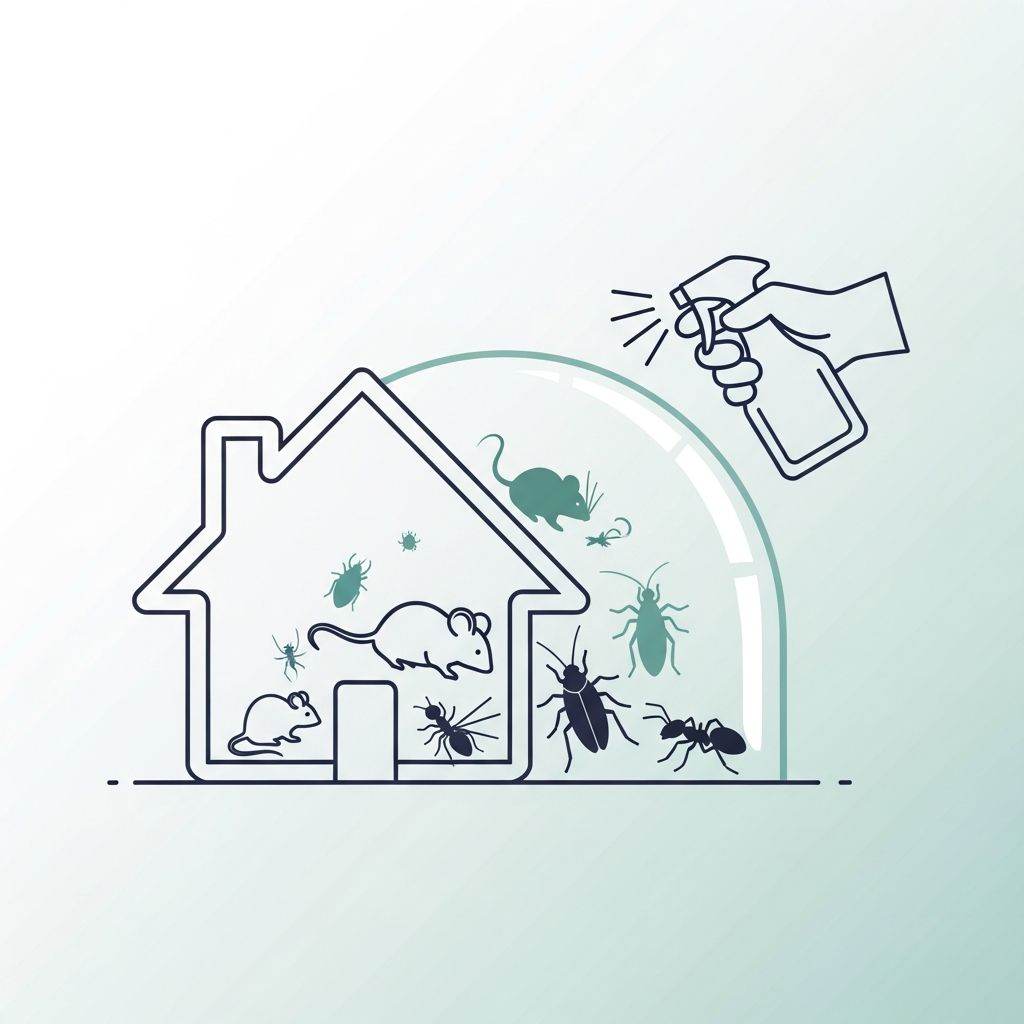
Rental properties must remain livable, and pest infestations directly threaten this standard. Landlords generally bear primary responsibility for eliminating pests under habitability laws, but tenant actions can shift some duties. This article explores these obligations in depth, drawing from legal standards to clarify roles and remedies.
Core Legal Foundations of Habitability
The
implied warranty of habitability
requires landlords to deliver and maintain rentals free from health hazards, including pests. This principle, embedded in most state laws, mandates addressing infestations stemming from property defects like cracks, leaks, or poor construction. For example, rodents entering through unsealed walls fall squarely on the landlord to repair and treat.In multi-unit buildings, landlords must proactively manage common areas to prevent cross-unit spread. Florida Statutes Section 83.51 explicitly requires landlords of apartments to exterminate rats, mice, cockroaches, ants, wood-destroying organisms, and bed bugs, unless agreed otherwise in writing. This does not automatically extend to single-family homes or duplexes, where lease terms govern.
Defining Landlord Obligations
Landlords must ensure units start pest-free at move-in and respond promptly to reports. Key duties include:
- Conducting pre-lease inspections for signs like droppings or damage.
- Hiring licensed professionals for treatments, especially for structural pests like termites.
- Implementing preventive measures, such as sealing entry points and quarterly checks.
- Coordinating in shared spaces like hallways or yards.
Even infestations appearing months post-move-in qualify as landlord issues if linked to building flaws. Failure to act violates habitability, exposing owners to fines or lawsuits.
Tenant Contributions to Pest Prevention
Tenants share upkeep responsibilities to avoid shifting blame. Common expectations involve:
- Maintaining sanitation through proper trash disposal and food storage.
- Reporting sightings immediately via written notice.
- Preparing units for treatments, like clearing surfaces.
- Avoiding habits that attract pests, such as clutter accumulation.
If negligence causes issues—e.g., leaving food out leading to roaches—tenants may cover costs per lease clauses. Clear documentation proves causation, protecting landlords.
State-Specific Variations in Rules
Laws differ by location, influencing responsibility splits. Use this table for key examples:
| State | Landlord Duty | Exceptions/Notes |
|---|---|---|
| Florida | Required for apartments (rats, roaches, etc.) per §83.51 | Exempt for single-family/duplexes unless leased; tenant fault shifts cost |
| New Jersey | Must address all pests, including bed bugs, for habitability | No fault-based exceptions |
| New York | Maintain pest-free units | Tenants liable for hygiene-related issues or delayed reports |
| Ohio | General coverage unless tenant negligence or lease specifies | Common in multi-units |
Always review local codes, as multi-unit mandates often apply universally.
Lease Agreements as Clarity Tools
Well-drafted leases prevent disputes by specifying:
- Who funds extermination (landlord default for habitability issues).
- Tenant sanitation rules.
- Access protocols for inspections/treatments (e.g., 24-48 hour notice).
Include clauses for tenant-caused costs and cooperation requirements. This aligns with
pest control for landlords
best practices.Landlord Access and Treatment Rights
Landlords retain rights to enforce solutions:
- Enter units with reasonable notice for inspections or services.
- Mandate professional interventions.
- Require tenant vacating during heavy treatments.
- Perform routine preventives without full consent if leased allows.
Florida requires 7 days’ notice for certain temporary relocations. These balance efficacy with privacy.
Steps for Tenants Facing Infestations
- Document thoroughly: Photos, videos, logs of sightings and communications.
- Notify landlord in writing: Detail issue, request action, set deadlines.
- Review lease: Confirm clauses; seek amendments if vague.
- Escalate if ignored: Contact housing authorities or file court claims.
Protections exist against retaliation for valid complaints. Health risks like allergies or disease from pests justify urgency.
Proactive Strategies for Property Owners
Avoid liabilities through prevention:
- Seasonal treatments in pest-prone areas like Florida.
- Regular structural audits.
- Screen tenants for pest history.
- Educate on hygiene via addendums.
Swift responses build trust and minimize damage.
Common Pest Challenges and Solutions
Rodents (mice/rats): Landlords seal entries and bait; tenants report promptly.
Roaches: Structural fixes primary; tenant cleanliness secondary.
Termites/Bed Bugs: Professional mandatory; full-unit coordination.
Outdoor pests depend on lease but often landlord-handled in complexes.
Frequently Asked Questions
Can landlords refuse pest treatment entry?
No. Landlords must provide notice but cannot be denied reasonable access for habitability fixes.
Who pays if pests appear after move-in?
Landlord if structural; tenant if negligence proven.
Are single-family rentals exempt in Florida?
Yes, unless lease specifies; apartments are not.
What if tenants delay reporting?
Responsibility may shift to them, per lease or law.
Can tenants withhold rent for pests?
Possibly via ‘repair and deduct’ in some states; check local rules first.
References
- Are Landlords Responsible for Pest Control? Guide to Laws, Liability — LeaseRunner. 2023-10-15. https://www.leaserunner.com/blog/are-landlord-responsible-for-pest-control
- Are Landlords Responsible For Pest Control In Florida — Hoffer Pest Control. 2025-02-01. https://www.hofferpest.com/blog/2025/february/are-landlords-responsible-for-pest-control-in-fl/
- Who Is Responsible for Pest Control in your Florida Rental Property? — RPM Premier FL. 2024-05-20. https://www.rpmpremierfl.com/who-is-responsible-for-pest-control-in-your-florida-rental-property
- How to Handle Pests In Your Rental Property? A Florida Landlord’s Guide — Tampa Property Management. 2024-08-12. https://tampapropertymanagement.net/how-to-handle-pests-in-your-rental-property-a-florida-landlords-guide/
- Florida Statutes Section 83.51 — Florida Legislature (.gov). 2025-07-01. https://www.leg.state.fl.us/Statutes/index.cfm?App_mode=Display_Statute&Search_String&URL=0000-0099/0083/Sections/0083.51.html
Similar Articles








Read full bio of medha deb


