
Landlord Legal Obligations in Rental Property Management
Understanding what landlords must maintain and repair to meet habitability standards.
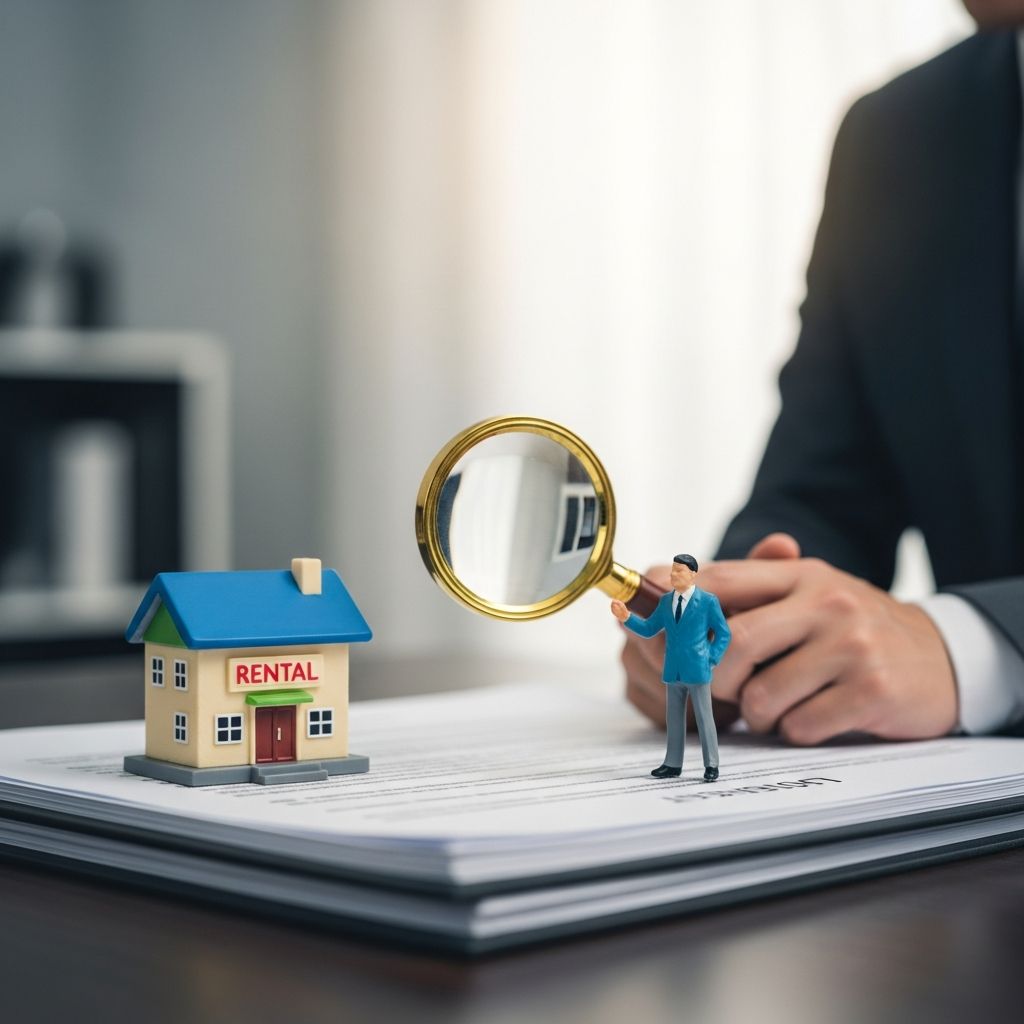
Understanding Core Landlord Duties in Rental Properties
Property ownership carries significant legal and practical responsibilities, particularly when renting to tenants. Landlords operate under a framework of legal obligations designed to ensure safe, healthy, and functional living spaces. These duties stem from multiple sources: state and local building codes, lease agreements, common law principles, and the foundational concept known as the “implied warranty of habitability.” This warranty exists in virtually every state and mandates that rental properties maintain minimum standards regardless of what a lease agreement states. Understanding these obligations is critical for landlords to avoid legal disputes, maintain property value, and foster positive tenant relationships.
The Foundation: Implied Warranty of Habitability
The implied warranty of habitability represents a legal baseline that supersedes individual lease provisions. This principle requires that rental properties provide safe, sanitary, and functional living conditions. Landlords cannot waive, disclaim, or avoid these responsibilities through lease language or tenant agreements; courts consistently invalidate such attempts. The warranty encompasses running water, functional electricity, adequate heating systems, structural soundness, and freedom from pest infestations and health hazards. This legal standard protects tenants even when they fail to explicitly negotiate for these conditions, establishing a minimum threshold below which no rental property may fall.
Structural Integrity and Building Components
Maintaining structural soundness forms the backbone of landlord responsibility. This obligation extends to the foundation, walls, roof, and overall architectural stability of the building. Landlords must conduct regular inspections to identify potential problems before they escalate into serious damage. When structural issues arise, whether from age, weather, settling, or other causes, landlords bear the financial and legal burden of repairs. If tenants report structural concerns such as cracks in walls, sagging ceilings, or compromised foundations, landlords must address these promptly. Importantly, tenants cannot be held financially responsible for structural damage they did not cause, as ownership of the building’s framework remains fundamentally a landlord obligation.
Essential Systems: Heating, Plumbing, and Electrical
Three interconnected systems define modern habitability: heating, plumbing, and electrical infrastructure. Landlords must ensure these systems function properly and comply with all local building codes and housing regulations. Failure to maintain code compliance can result in significant fines and penalties.
Heating Systems
Adequate heating is non-negotiable, especially in regions with cold winters. Landlords must maintain furnaces, boilers, heat pumps, and related distribution systems in working order. Regular maintenance and prompt repairs are essential to prevent tenant discomfort and potential health hazards associated with inadequate heating.
Plumbing Infrastructure
Functional plumbing ensures access to clean water and proper waste removal. Landlords are responsible for maintaining water supply lines, drain systems, fixtures, and all related components. This includes addressing leaks, clogs, frozen pipes, and water pressure issues. Regular inspections help prevent water damage and mold growth, which can create serious health problems.
Electrical Systems
Safe electrical systems protect tenants from shock and fire hazards. Landlords must maintain wiring, circuits, outlets, and the main electrical panel in proper working condition. This includes ensuring adequate grounding, preventing exposed wires, and maintaining code-compliant installations. Electrical problems demand immediate attention due to safety risks.
Safety Systems and Health Standards
Beyond basic utilities, landlords must implement comprehensive safety and health measures. These include installing and maintaining smoke detectors and carbon monoxide detectors as mandated by local law. Landlords must ensure all doors and windows have secure, functioning locks to prevent unauthorized entry. These security measures protect both physical safety and property security.
Health standards encompass pest control and mold prevention. Landlords must address infestations promptly and maintain conditions that prevent pest problems from developing. Mold prevention involves managing moisture, ensuring proper ventilation, and addressing water damage immediately. Many jurisdictions have specific regulations regarding mold remediation that landlords must follow.
Appliance Maintenance and Replacement
When appliances come with the rental property—refrigerators, dishwashers, stoves, washing machines, water heaters—landlords typically bear responsibility for their repair and replacement. The extent of this obligation depends on the lease agreement and local law. If an appliance included in the rental fails, the landlord must either repair it or provide a replacement. Some leases exclude certain appliances from landlord responsibility, but this must be explicitly stated and legally defensible. Essential appliances like refrigerators and stoves are more likely to be considered landlord responsibilities than optional items.
Property Inspections and Preventive Maintenance
Proactive property management requires regular inspections. Landlords should establish systematic inspection schedules to identify problems early, before they become expensive or dangerous. These inspections must be conducted with proper notice to tenants, respecting their right to privacy. During inspections, landlords should assess structural conditions, test safety systems, check plumbing and electrical function, look for pest problems, and identify maintenance needs. Documentation of inspection findings creates a record useful for insurance claims and legal protection.
Timeline Requirements for Repairs
Legal obligations include timeliness in addressing repairs. In Texas, for example, landlords must make a diligent effort to repair problems that materially affect the physical health or safety of ordinary tenants. While “diligent effort” provides some flexibility, it does not permit indefinite delays. Tenants must typically provide landlords with reasonable notice—often at least seven days—to make repairs, unless the situation qualifies as an emergency requiring faster response. Emergency repairs might include loss of heating in winter, complete loss of water, or electrical hazards. Landlords who ignore repair requests risk tenant claims for breach of habitability, rent withholding, or constructive eviction.
Distinguishing Landlord from Tenant Responsibilities
Clear delineation between landlord and tenant responsibilities prevents disputes. While landlords maintain structural and system integrity, tenants are responsible for general cleanliness and care. Tenants must perform routine cleaning, keep the property free of clutter and odors, and prevent pest infestations through sanitary practices. Yard work like lawn mowing and leaf raking often falls to tenants, though the lease should specify these expectations. Tenants must also report maintenance problems promptly rather than ignoring issues.
Damage caused by tenants or their guests beyond normal wear and tear becomes the tenant’s financial responsibility. If a tenant damages walls, floors, or fixtures through negligence or misuse, repair costs are properly charged to the tenant. However, wear and tear from normal use—like fading paint or worn carpet—cannot be charged to tenants and remains the landlord’s responsibility when the property is re-rented.
The Role of Lease Agreements
Lease agreements document the specific responsibilities of each party. A well-drafted lease clarifies which maintenance tasks belong to which party and specifies procedures for reporting and handling repairs. However, lease provisions cannot contradict state law or the implied warranty of habitability. If a lease clause conflicts with legal requirements, the law prevails. Some landlords attempt to shift legally required responsibilities to tenants through lease language; such provisions are unenforceable and provide no legal protection.
Compliance with Local Building Codes
Beyond general habitability standards, landlords must comply with specific building codes and housing regulations in their jurisdiction. These codes address everything from electrical safety to structural requirements to minimum room sizes. Compliance ensures tenant safety and protects landlords from liability. Non-compliance can result in code violations, fines, and forced remediation at the landlord’s expense. Landlords should familiarize themselves with local codes or hire property managers and contractors familiar with requirements.
Comparison Table: Key Maintenance Responsibilities
| Maintenance Area | Landlord Responsibility | Tenant Responsibility |
|---|---|---|
| Structural components (roof, walls, foundation) | Full responsibility for repairs and replacement | Report damage; maintain reasonable care |
| Plumbing system | Maintenance, repairs, compliance with codes | Report leaks; use fixtures properly |
| Electrical system | Maintenance, repairs, code compliance | Report hazards; use safely |
| Heating system | Maintenance and repairs | Use as intended; report problems |
| Safety systems (smoke/CO detectors, locks) | Installation and maintenance | Report non-functioning units |
| Included appliances | Repair or replacement | Use properly; report malfunctions |
| Interior cleaning and sanitation | Initial condition; move-out state | Regular cleaning and upkeep |
| Yard and outdoor areas | Structural and safety aspects | Lawn mowing, leaf raking (typically) |
| Pest infestations | Professional treatment and prevention | Maintain sanitary conditions |
| Mold and water damage | Remediation and moisture control | Report moisture problems promptly |
Common Pitfalls and Legal Risks
Landlords who neglect maintenance responsibilities face significant legal exposure. Tenants can pursue remedies including withholding rent, breaking leases without penalty, filing habitability complaints with local authorities, and suing for damages. These actions can exceed the cost of timely repairs. Documentation becomes critical if disputes arise; landlords should maintain records of all maintenance requests, inspections, completed repairs, and communications with tenants.
Best Practices for Landlord Compliance
Successful landlords develop systematic approaches to maintenance obligations. Establishing a documented maintenance program ensures nothing falls through cracks. Responding promptly to tenant repair requests, within legal timeframes, prevents small issues from becoming serious problems. Conducting regular inspections identifies maintenance needs before tenants complain. Hiring licensed contractors for complex systems ensures code compliance and proper workmanship. Maintaining clear communication with tenants about expectations, inspection schedules, and repair processes builds goodwill and reduces conflicts. Many landlords find that property management companies or maintenance services help ensure compliance with legal obligations.
Frequently Asked Questions
Q: Can a landlord refuse to make repairs if the tenant caused minor damage?
A: Yes, tenants are responsible for damage they cause beyond normal wear and tear. However, landlords cannot refuse to maintain structural integrity, systems, and safety features, even if tenants have caused some issues. The distinction is between maintenance of essential systems (landlord responsibility) and repair of tenant-caused damage (tenant responsibility).
Q: What should tenants do if a landlord ignores repair requests?
A: After allowing reasonable time (typically at least seven days for non-emergencies), tenants may contact local housing authorities, file habitability complaints, or pursue rent withholding or lease termination depending on their jurisdiction. Documentation of all repair requests and the landlord’s responses is essential.
Q: Are landlords responsible for cosmetic repairs like paint and carpet replacement?
A: Paint and carpet that fade or wear from normal use are typically landlord responsibilities for move-out condition. However, if damage is excessive or caused by tenant negligence, the tenant may be charged. The threshold between normal wear and tenant-caused damage can be subjective and is often defined by state law.
Q: Can a lease agreement shift structural repair responsibility to the tenant?
A: No. Lease provisions that contradict state law or the implied warranty of habitability are unenforceable. Landlords cannot legally shift fundamental structural maintenance responsibilities to tenants, regardless of what the lease states.
Q: How often should landlords inspect rental properties?
A: While no single standard applies everywhere, regular inspections—typically annually or at lease renewal—are considered best practice. Inspections should be conducted with proper notice to tenants and documented thoroughly. Properties requiring seasonal maintenance may warrant more frequent inspections.
References
- What Home Maintenance Items Are Generally the Responsibility of the Tenant vs. the Landlord — FASDC Rentals. 2024. https://fasdcrentals.com/what-home-maintenance-items-are-generally-the-responsibility-of-the-tenant-vs-the-landlord/
- Repair Responsibilities for Tenants and Landlords — LawDepot. 2024. https://www.lawdepot.com/us/resources/real-estate-articles/repair-responsibilities-for-tenants-and-landlords/
- What Are the Maintenance Responsibilities for Both Tenants and Landlords — Military by Owner. 2024. https://www.militarybyowner.com/resources/what-are-the-maintenance-responsibilities-for-both-tenants-and-landlords/
- Requesting Repairs – Landlord/Tenant Law — Texas State Law Library. 2025. https://guides.sll.texas.gov/landlord-tenant-law/repairs
- Right to Repairs as a Tenant — Texas Law Help. 2024. https://texaslawhelp.org/article/right-to-repairs-as-a-tenant
- Rental Property Maintenance Guide for Texas Landlords — McCourt Real Estate. 2024. https://www.mccourtrealestate.com/rental-property-maintenance
Similar Articles








Read full bio of Sneha Tete


