
Landlord Heating Repair Rights: Tenant Guide To Fast Repairs
Know your legal rights to force landlord heating repairs and stay warm this winter without disputes.
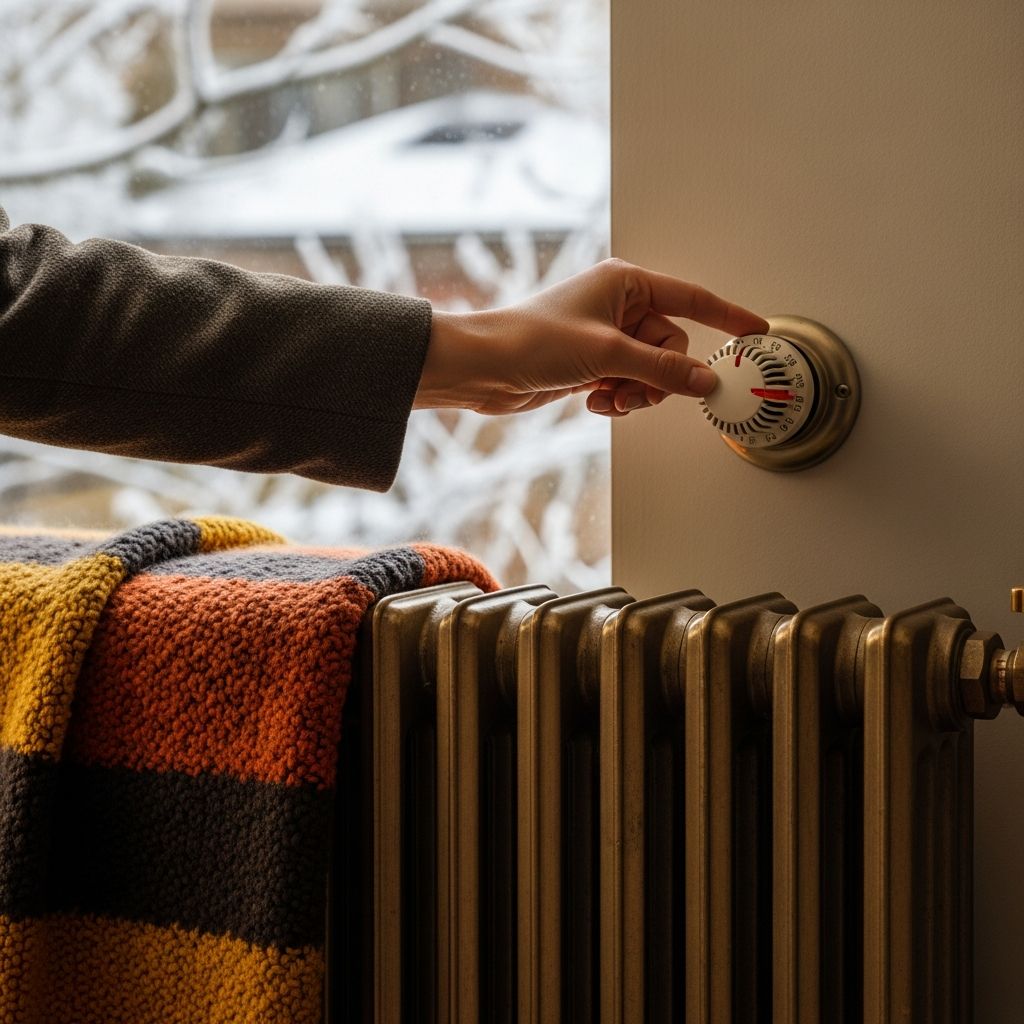
Winter temperatures drop, and a broken heating system in your rental can turn a home into an unlivable space. Understanding your rights as a tenant and the landlord’s legal duties ensures you stay warm and safe. This guide explores responsibilities, actionable steps, and remedies when heating fails.
Essential Habitability Standards for Rental Heating
Rental properties must meet basic habitability requirements, including reliable heating. Landlords are legally obligated to provide and maintain functional heating systems to protect tenant health and safety. Essential systems like furnaces, boilers, and thermostats fall under this duty, as they prevent risks such as hypothermia or frozen pipes.
Local housing codes often mandate minimum indoor temperatures, typically 68°F during waking hours in cold climates. Failure to comply violates implied warranty of habitability laws across most states, making the unit uninhabitable.
Defining Landlord Duties for Heating Systems
Landlords bear primary responsibility for major heating components. This includes professional servicing, repairs, and replacements of furnaces, ductwork, and central systems. Annual inspections ensure efficiency and safety, catching issues like faulty wiring or low refrigerant before breakdowns occur.
- Furnace and Boiler Maintenance: Regular cleaning of vents, ducts, and coils; testing for carbon monoxide leaks.
- System Installation and Upgrades: Ensuring new or replaced units meet current energy and safety codes before tenant occupancy.
- Emergency Fixes: Prompt response to outages, often within 24-48 hours depending on local laws.
Neglecting these can lead to fines, lawsuits, or tenant self-help remedies. Landlords must also comply with inspections from housing authorities.
Tenant Roles in Preventing Heating Problems
While landlords handle big repairs, tenants contribute through daily care. Simple actions extend system life and avoid disputes over misuse.
| Task | Frequency | Why It Matters |
|---|---|---|
| Replace air filters | Quarterly | Prevents clogs, improves airflow, reduces strain on furnace. |
| Change thermostat batteries | As needed | Ensures accurate temperature control. |
| Clear debris around outdoor units | Monthly | Avoids blockages that hinder heat exchange. |
| Report odd noises or smells | Immediately | Catches issues early, preventing major failures. |
| Use responsibly | Daily | Avoids extreme settings that cause wear. |
Lease agreements often specify these tasks. Tenants causing damage, like blocking vents, may pay for resulting repairs.
Step-by-Step Guide to Reporting Heating Failures
When heat stops working, act methodically to document and escalate.
- Verify the Issue: Check filters, thermostat, and pilot lights first. Rule out tenant-error.
- Notify in Writing: Send email or certified letter detailing the problem, desired fix, and timeline (e.g., 7 days). Include photos.
- Follow Up: If no response in 3-5 days, call and resend notice.
- Contact Local Authorities: Housing or health inspectors can mandate repairs if habitability is threatened.
- Escalate Legally: Consult tenant rights organizations or file in small claims court.
Documentation protects against retaliation and supports remedies.
Legal Remedies When Landlords Delay Repairs
If landlords ignore requests, tenants have options grounded in state law.
- Repair and Deduct: Fix via licensed pro and subtract costs from rent (limits apply, e.g., one month’s rent in some states).
- Rent Withholding/Abatement: Reduce rent proportional to uninhabitability until fixed; requires prior notice.
- Breaking the Lease: Vacate without penalty if heat remains off beyond reasonable time.
- Lawsuits: Sue for damages like medical bills from cold exposure.
Texas example: No blanket AC/heat mandate, but repair-and-deduct applies if lease implies provision and officials confirm health risk. Always check state-specific statutes.
Winter-Proofing Your Rental: Proactive Measures
Prevent issues with seasonal prep.
For Tenants: Insulate windows, use space heaters safely (if allowed), maintain 55°F minimum to protect pipes.
For Landlords: Schedule pre-winter tune-ups: lubricate parts, check belts, inspect electricals. Consider maintenance contracts for biannual visits.
Energy-efficient upgrades like smart thermostats benefit both parties, lowering bills and extending system life.
State Variations in Heating Laws
Laws differ by location. Northern states enforce stricter minimum temps; southern ones focus on habitability generally.
- California: 7-day repair window for heat.
- New York: 68°F/62°F minimums.
- Texas: Case-by-case via officials.
Review your state’s attorney general site or tenant handbook for details.
Common Heating Disputes and Resolutions
Disputes arise from unclear leases or neglect. Case: Tenant ignores filters, blames landlord—resolution via maintenance logs. Another: Landlord delays furnace fix—tenant wins abatement. Clear communication and records resolve most.
Frequently Asked Questions
Does my landlord have to provide heat in all states?
Most states require habitable heat via housing codes, but specifics vary. No federal mandate; check local laws.
How quickly must landlords fix no heat?
Typically 24-72 hours for emergencies; 7-30 days otherwise, per state.
Can I use my own heater if landlord won’t fix?
Only if lease allows; otherwise, it risks voiding insurance or fire hazards.
Who pays for heating repairs caused by tenant neglect?
Tenants do, e.g., dirty filters or misuse.
What if landlord retaliates after complaints?
Illegal in most states; document and report to housing authority.
Building a Strong Landlord-Tenant Partnership
Mutual respect fosters compliance. Landlords: Provide HVAC manuals. Tenants: Report proactively. This minimizes costs and ensures comfort.
In summary, knowing duties empowers tenants to demand fixes and landlords to avoid liability. Stay informed, act promptly, and keep warm.
References
- Tenant vs. Landlord Responsibilities for HVAC Maintenance — Bay Management Group. 2023-10-15. https://www.baymgmtgroup.com/blog/tenant-landlord-responsibilities-hvac-maintenance/
- Winter Home Maintenance: Legal Obligations for Landlords and Tenants — Law Kajabi. 2024-11-05. https://law.mykajabi.com/blog/winter-home-maintenance-legal-obligations-for-landlords-and-tenants
- Tenant vs. Landlord Responsibilities for HVAC Maintenance: An Overview — Rent Bottom Line. 2024-08-20. https://www.rentbottomline.com/blog/tenant-vs-landlord-responsibilities-for-hvac-maintenance-an-overview
- Repair Responsibilities for Tenants and Landlords — LawDepot. 2024-01-12. https://www.lawdepot.com/us/resources/real-estate-articles/repair-responsibilities-for-tenants-and-landlords/
- A Guide To Landlord Maintenance Responsibilities In Rentals — Home River Group. 2024-09-30. https://www.homeriver.com/blog/landlord-maintenance-responsibilities
- Tenants’ Rights: Air Conditioning and Heating — Texas State Law Library. 2025-03-10. https://www.sll.texas.gov/faqs/tenants-rights-ac-heating/
Similar Articles








Read full bio of medha deb


