
Kevin McAleenan’s Controversial DHS Legacy
Examining the legacy of the Zero Tolerance policy and its key architect.
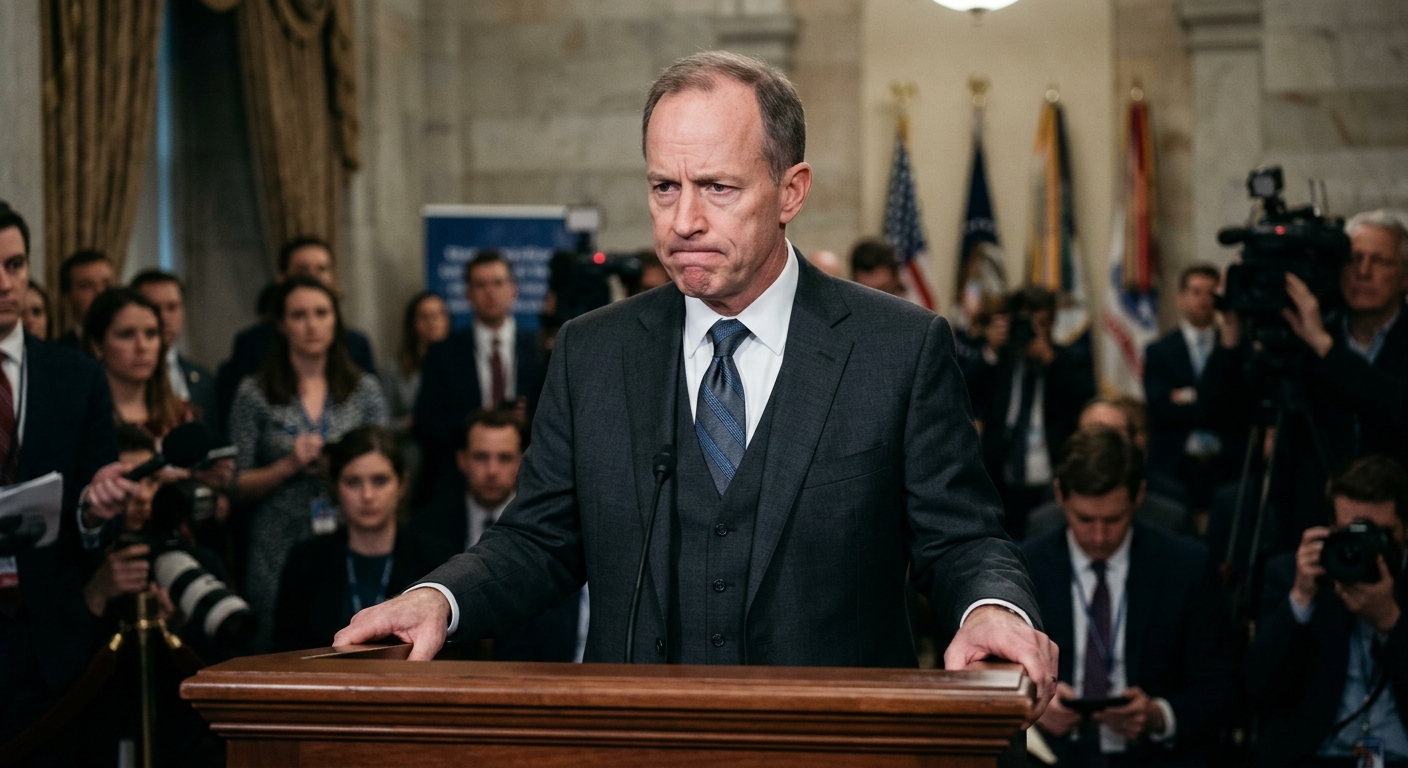
Introduction: A Prominent Yet Polarizing Promotion
In April 2019, the political landscape of the United States experienced a significant administrative shift when the White House announced the departure of Kirstjen Nielsen from her role as the Secretary of Homeland Security. In her stead, the administration elevated Kevin McAleenan—the sitting Commissioner of U.S. Customs and Border Protection (CBP)—to the powerful position of Acting Secretary of the Department of Homeland Security (DHS). While cabinet shake-ups are a standard part of any presidential administration’s lifecycle, this specific appointment became a flashpoint for intense national and international controversy. Human rights organizations, civil liberties advocates, and legal experts expressed immediate and profound outrage over the decision.
The public backlash was rooted deeply in McAleenan’s administrative past. Specifically, advocates pointed to his instrumental role in designing and executing the administration’s hardline immigration enforcement strategies. Chief among these was the widely condemned “zero tolerance” policy, a directive that mandated criminal prosecution for unauthorized border crossings and directly resulted in the systematic separation of thousands of migrant children from their parents. For many observers, elevating an official so closely tied to a major human rights crisis signaled a doubling down on deterrence-based immigration strategies rather than a pivot toward humanitarian solutions.
Tracing McAleenan’s Ascent Within Border Protection
To comprehend the gravity of his promotion to the highest echelons of homeland security, it is necessary to examine Kevin McAleenan’s extensive career within the border security apparatus. Unlike many political appointees who possess little to no operational experience, McAleenan was a career official who had served extensively under both the Obama and Trump administrations. He steadily climbed the bureaucratic ranks, ultimately securing the role of Commissioner of CBP, overseeing the nation’s largest federal law enforcement organization.
During his tenure as Commissioner, the agency was tasked with managing immense logistical challenges at the southern border, facing record numbers of arriving family units and unaccompanied minors seeking asylum. Under his command, CBP shifted significantly toward punitive deterrence strategies. Proponents of his leadership style argued that he was an effective, pragmatic manager simply executing the rigid mandates of the executive branch during a complex migration surge. Conversely, critics highlighted that his leadership cultivated an environment where harsh enforcement consistently superseded basic humanitarian considerations, laying the procedural groundwork for the human rights violations that would soon capture global attention and draw widespread condemnation.
Architecting the Hardline “Zero Tolerance” Policy
The most indelible mark on McAleenan’s public service record is his direct involvement in the architecture of the “zero tolerance” policy. Officially announced in the spring of 2018, the initiative established a strict mandate to refer every adult who crossed the U.S.-Mexico border without authorization for federal criminal prosecution. Because domestic legal frameworks strictly prohibit the incarceration of children in adult federal holding facilities alongside their parents, prosecuting the guardians necessitated the forced removal of their children. The core components of this operational pivot included:
- Mandatory Referrals: Border agents were ordered to abandon discretionary processing and refer all unauthorized adults for immediate criminal prosecution.
- Systematic Separations: Because children could not legally enter the criminal custody system, they were forcibly separated from their parents at processing facilities.
- HHS Custody Transfers: The newly separated minors were bureaucratically reclassified as “unaccompanied” and shifted into the custody of the Department of Health and Human Services (HHS).
McAleenan was not merely a passive bystander executing orders from above. Congressional testimonies and uncovered internal documents later revealed that he was a primary architect of the strategy. In a pivotal April 2018 memorandum, McAleenan and other high-ranking immigration officials formally recommended the prosecution of adults arriving with minors, fully acknowledging that this path would trigger mass family separations. The strategy was explicitly designed as a psychological deterrent—a mechanism to dissuade future asylum seekers from undertaking the perilous journey to the United States by weaponizing the family unit.
Systemic Failures in Interagency Coordination
The implementation of the zero-tolerance policy was catastrophic on an administrative level. An official report by the Government Accountability Office (GAO) demonstrated that the federal government completely lacked the technological infrastructure to track the families they were actively breaking apart. Border Patrol agents were directed to simply delete digital “family unit” identifiers in their databases when processing adults for prosecution. By erasing the crucial digital link between parent and child, the agency manufactured an administrative nightmare. Infants, toddlers, and teenagers were scattered across shelter networks nationwide while their parents were deported or held in separate federal detention centers, often with no established pathway for reunification.
This fallout was exacerbated by severe systemic failures and a shocking lack of interagency communication. While CBP and the Department of Justice spearheaded the prosecutions, the burden of caring for the traumatized, separated children fell entirely onto HHS. According to a comprehensive 2020 review by the HHS Office of Inspector General, key senior officials within HHS were completely blindsided by the policy. Interagency channels that typically coordinate cross-departmental operations were completely bypassed, meaning HHS received no advance warning of the impending influx of highly vulnerable minors.
Consequently, the foster and shelter systems were rapidly overwhelmed. Facilities were entirely unequipped to manage the unique, intense psychological needs of children who had been abruptly taken from their parents. It took numerous federal court orders, relentless litigation from civil rights groups, and the creation of specialized reunification task forces to begin undoing the damage. Years after the policy was officially halted, the U.S. government was still struggling to locate the deported parents of hundreds of separated minors.
Deplorable Conditions in Federal Holding Facilities
Beyond the immense trauma inflicted by family separation, McAleenan’s time leading CBP was deeply marred by the horrific conditions within border processing centers. Facilities designed specifically to hold individuals for a maximum of 72 hours—colloquially referred to as “hieleras” or iceboxes due to their notoriously frigid temperatures—became long-term detention sites. Migrants, including pregnant women and young children, were subjected to profound neglect under his watch.
Unannounced inspections conducted by the DHS Office of Inspector General (OIG) in 2019 exposed egregious violations of fundamental detention standards across the agency. A July 2019 OIG management alert highlighted “dangerous overcrowding” and “prolonged detention” across various facilities in the Rio Grande Valley. Investigators documented severe breaches of protocol, noting:
- Severe Overcrowding: Centers routinely operated at multiple times their intended architectural capacities, forcing people to stand for days.
- Prolonged Detention: Migrants, including young children, were held well beyond the legally mandated 72-hour limit, sometimes languishing in holding cells for weeks.
- Inadequate Hygiene: Detainees lacked basic access to showers, clean clothing, dental hygiene products, and hot meals.
Furthermore, medical care within these processing centers was devastatingly inadequate. The intense overcrowding and lack of operational resources created an environment where infectious diseases spread rapidly, and emergency medical interventions were frequently delayed. Tragically, this period saw the deaths of several migrant children while in the custody of border authorities. Advocates repeatedly argued that these deplorable conditions were not merely unfortunate logistical side-effects of an unpredictable border surge, but rather the foreseeable consequences of a leadership philosophy that prioritized mass apprehension and punitive detention over human life.
Congressional Oversight and the Public Backlash
The promotion of an official so deeply entrenched in these controversies to the role of Acting Secretary of DHS predictably ignited fierce pushback. Civil rights organizations swiftly mobilized, demanding sweeping accountability and operational transparency. They argued forcefully that rewarding the primary architect of the zero-tolerance policy with a cabinet-level promotion sent a dangerous, chilling message about the administration’s total disregard for human rights and international asylum laws.
This outrage was heavily mirrored in the halls of Congress. Lawmakers convened multiple oversight hearings where McAleenan and other senior border officials faced intense, bipartisan scrutiny. Representatives grilled the Acting Secretary over the glaring discrepancies between the agency’s polished public statements—which often falsely claimed that the government possessed centralized databases to easily reunite families—and the chaotic internal reality exposed by whistleblowers and inspectors general. Internal emails uncovered during these exhaustive investigations demonstrated that DHS leadership knew they lacked the necessary linkages to reunite parents and children, yet they stubbornly continued the policy regardless. The intense public and political pressure ultimately forced the administration to officially walk back the separation policy, though the profound structural damage had already been done.
The Enduring Legacy on U.S. Immigration Frameworks
The legacy of Kevin McAleenan’s tenure and the zero-tolerance policy remains one of the darkest chapters in modern U.S. immigration history. The approach fundamentally altered the global perception of the American asylum system, shifting its reputation from a beacon of refuge to a symbol of state-sponsored trauma. The policy inflicted lasting psychological scars on thousands of vulnerable children and parents, a level of trauma that leading medical professionals have equated to torture.
As comprehensive immigration reform continues to be a highly debated topic within American political discourse, the catastrophic administrative and moral failures of the 2018 enforcement strategies serve as a grim case study. It starkly highlights the devastating human cost of prioritizing punitive deterrence over humanitarian obligation, and underscores the vital, ongoing need for robust, independent oversight within the Department of Homeland Security.
Frequently Asked Questions (FAQs)
What was the “zero tolerance” immigration policy?
The zero-tolerance policy was a strict enforcement strategy implemented in 2018 that mandated the criminal prosecution of all adults apprehended crossing the U.S. border unlawfully. Because children cannot be held in criminal detention facilities with their parents, this policy resulted in the systematic and forced separation of thousands of migrant families.
Why was Kevin McAleenan’s appointment controversial?
His elevation to Acting Secretary of DHS drew widespread condemnation because, during his time as the head of Customs and Border Protection (CBP), he was a key architect and advocate of the zero-tolerance policy. Advocates argued that promoting the official responsible for mass family separations rewarded human rights abuses.
How did the government track separated families?
According to multiple watchdog reports from the GAO and the DHS Inspector General, the tracking systems were profoundly inadequate. Agents frequently deleted digital family links to process prosecutions, relying instead on ad-hoc spreadsheets. This lack of an integrated database led to thousands of children being lost in the system without a clear path to reunification.
What were the conditions in CBP facilities during this time?
Unannounced inspections by the DHS Office of Inspector General revealed severe overcrowding, with migrants held for weeks in facilities intended for a maximum 72-hour stay. Detainees lacked access to basic hygiene, showers, and adequate medical care, leading to widespread illness and several tragic deaths of minors in custody.
References
Note: The following primary government reports from 2019 and 2020 remain the uniquely authoritative historical records regarding the implementation and impacts of the zero-tolerance policy.
- OIG-20-06 – DHS Lacked Technology Needed to Successfully Account for Separated Migrant Families — DHS Office of Inspector General. 2019-11-25. https://www.oig.dhs.gov/sites/default/files/assets/2019-11/OIG-20-06-Nov19.pdf
- Communication and Management Challenges Impeded HHS’s Response to the Zero-Tolerance Policy — HHS Office of Inspector General. 2020-03-05. https://oig.hhs.gov/oei/reports/oei-mfl-18-00260.pdf
- Management Alert – DHS Needs to Address Dangerous Overcrowding and Prolonged Detention — DHS Office of Inspector General. 2019-07-02. https://www.oig.dhs.gov/sites/default/files/assets/2019-07/OIG-19-51-Jul19_.pdf
- GAO-20-245, SOUTHWEST BORDER: Actions Needed to Improve DHS Processing of Families — Government Accountability Office (GAO). 2020-02-19. https://www.gao.gov/assets/gao-20-245.pdf
Similar Articles








Read full bio of medha deb


