
Kentucky Alcohol Liability: Dram Shop and Host Rules
Understanding Kentucky's rules on alcohol providers' responsibility for injuries from over-serving or serving minors.
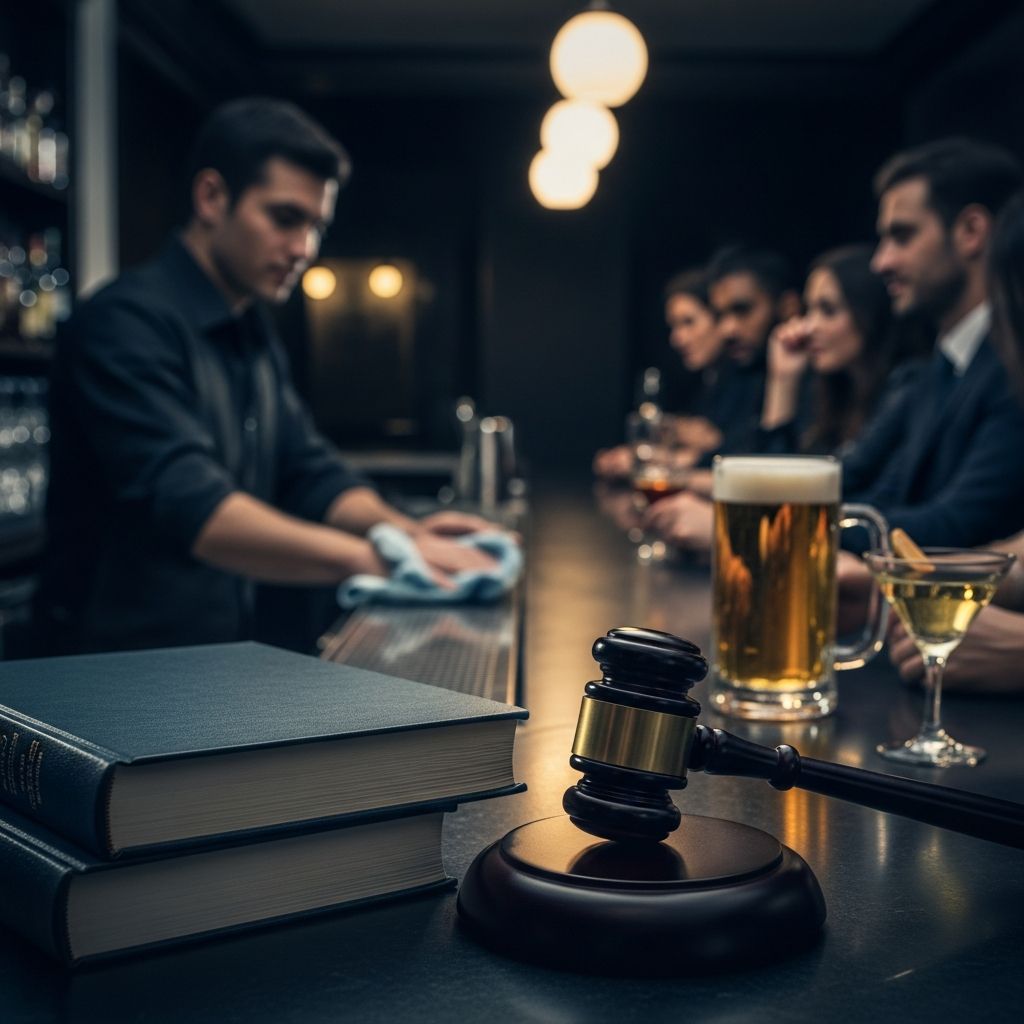
Kentucky’s legal framework for alcohol-related injuries focuses liability on commercial sellers who recklessly serve dangerously impaired individuals or those below drinking age, as outlined in KRS 413.241. This approach balances public safety with protections for responsible businesses, excluding broad social host accountability except in minor-serving cases.
Historical Roots and Purpose of Dram Shop Regulations
The term “dram shop” originates from old English taverns measuring liquor in “drams,” small units roughly 1.5 ounces, evolving into modern laws targeting bars, restaurants, and liquor outlets for overserving. Kentucky’s statute, enacted in 1988, declares that consumption—not serving—causes harm, limiting lawsuits unless servers ignore obvious intoxication. This deters drunk driving and assaults while shielding licensees from routine claims.
These rules promote responsible service training, like checking IDs and monitoring behavior, reducing incidents where patrons leave premises impaired and cause off-site damage, such as car crashes or fights. Nationally, 30+ states have similar provisions, but Kentucky narrows them to clear negligence.
Who Faces Liability Under Kentucky Dram Shop Laws?
Liability targets state-licensed alcohol sellers: bars, nightclubs, restaurants with liquor licenses, convenience stores, liquor retailers, hotels, and event caterers providing drinks. The business entity bears responsibility, imputing employee actions like a bartender’s overserving. Individual staff rarely face personal suits unless gross misconduct occurs.
Unlicensed private parties generally escape dram shop claims, as KRS 413.241 applies only to commercial providers profiting from sales. This distinction protects homeowners hosting gatherings from automatic fault.
| Type of Provider | Subject to Dram Shop? | Examples |
|---|---|---|
| Commercial Licensed Sellers | Yes | Bars, restaurants, liquor stores |
| Private Social Hosts | No (except minors) | Home parties, family events |
| Catering/Event Venues | Yes, if licensed | Wedding halls serving alcohol |
| Convenience Stores | Yes | Beer/wine sales outlets |
Conditions Triggering Legal Responsibility
Under KRS 413.241, a licensee incurs liability only if a reasonable observer would recognize the patron’s intoxication at serving time—for adults 21+. Visible signs include slurred speech, unsteady gait, vomiting, or passing out, as in cases where patrons consume multiple drinks rapidly yet receive more.
- Overserving Adults: Must prove the server knew or should have known of impairment; mere consumption isn’t enough.
- Serving Minors: Stricter—no intoxication proof needed; providing alcohol to under-21s creates misdemeanor basis for civil claims (KRS 530.070).
- Illegal Practices: Serving past closing, without ID checks, or excessive rapid pours strengthens cases.
Courts assess “reasonable person” standards, often using witness accounts, security footage, or receipt tallies showing 5+ drinks in 90 minutes despite clear distress.
Social Hosts: Limited Exposure in Private Settings
Private individuals hosting barbecues or parties face no general dram shop liability, even if guests overindulge and cause accidents elsewhere. Kentucky courts haven’t extended KRS 413.241 to non-commercial hosts, prioritizing consumer—not server—fault.
Exception: Furnishing alcohol to minors (under 21) violates KRS 530.070, potentially supporting negligence suits if the youth injures others, like in drunk driving. The Supreme Court lacks definitive ruling, leaving some uncertainty, but providers risk claims regardless of visible intoxication.
Filing a Claim: Evidence and Deadlines
Success demands proof linking the overserve to injuries: police reports, eyewitness statements, bar tabs, videos, and medical records. Dram shop cases often join drunk driver suits, targeting deep-pocketed businesses for fuller compensation.
Critical Deadline: One-year statute of limitations from injury date—shorter than standard two-year personal injury window—necessitating swift attorney consultation to secure evidence before it vanishes.
Typical Recoverable Compensation
- Economic: Medical expenses, lost income, property repairs.
- Non-Economic: Pain, suffering, emotional distress.
- Punitive: Rare, for egregious recklessness like ignoring a collapsing patron.
Business Protections and Risk Mitigation
Licensees avoid suits by training staff in TABC-like programs: refusing service to wobbling customers, ID scanning, and incident logging. Liquor liability insurance covers potential payouts, essential for hospitality operations.
Post-1988, claims rose as plaintiffs leverage the statute offensively, even in bar fights or assaults, proving the narrow exception. Tourism-heavy areas like bourbon trails heighten stakes, intersecting hospitality with liability.
Real-World Applications and Case Insights
Consider a tavern serving a legal-age patron seven beers in two hours amid stumbling and slurring; if she crashes leaving, victims sue under KRS 413.241, citing ignored cues. Contrast: Routine happy hour service yields no liability, as consumption drives harm.
Minors amplify risks; a store selling to a teen without ID check faces claims if the youth wrecks, bypassing intoxication proof. Social hosts evade unless minor-involved, encouraging home vigilance without lawsuit fear.
Frequently Asked Questions
Can I sue a bar if a drunk driver hits me after leaving there?
Yes, if evidence shows the bar served a visibly intoxicated adult or any minor; prove reasonable awareness of impairment via witnesses or video.
Does Kentucky hold house party hosts liable for guest accidents?
Generally no for adults, but yes if serving minors who cause harm, per negligence from KRS 530.070.
What is the time limit to file a dram shop lawsuit?
One year from the injury date, demanding immediate evidence preservation.
Who pays damages: the bar or the bartender?
The business, as employee actions bind the licensee; personal liability is exceptional.
Is training required to avoid dram shop claims?
Not statutorily, but responsible alcohol service courses minimize risks and bolster defenses.
Navigating Claims: Steps for Victims
1. Seek medical care and report to police.
2. Gather bar evidence: receipts, CCTV requests.
3. Consult a personal injury attorney within months.
4. File within one year, often alongside driver suit.
These steps maximize recoveries, holding negligent servers accountable while respecting Kentucky’s limits.
References
- Kentucky Injury Lawyer | Dram Shop Liability — ESLawKY. Accessed 2026. https://eslawky.com/practices/dram-shop-liability/
- Bourbon and bar fights: an overview of Kentucky’s Dram Shop statute — FMG Law. Accessed 2026. https://www.fmglaw.com/business-litigation/bourbon-and-bar-fights-an-overview-of-kentuckys-dram-shop-statute-in-assault-cases/
- Madisonville Dram Shop Liability Lawyer — WCF Justice. Accessed 2026. https://www.wcfjustice.com/madisonville-dram-shop-liability-lawyer/
- Kentucky Dram Shop Laws and Social Host Liability Rules — Nolo. 2024. https://www.nolo.com/legal-encyclopedia/dram-shop-laws-social-host-liability-alcohol-related-accidents-kentucky.html
- Dram Shop Liability Lawyers in Lexington, KY — Herren Adams. Accessed 2026. https://personalinjurylawyerkentucky.com/dram-shop-liability/
- Dram Shop Laws in Your State — Insureon. Accessed 2026. https://www.insureon.com/small-business-insurance/liquor-liability/dram-shop-laws
- Alcohol Serving: The Intersection of Tourism and Dram Shop — McBrayer Firm. Accessed 2026. https://www.mcbrayerfirm.com/blogs-hospitality-law-blog,alcohol-serving-the-intersection-of-tourism-and-dram-shop
- KRS 413.241 Legislative finding — Kentucky Legislature. Accessed 2026. https://apps.legislature.ky.gov/law/statutes/statute.aspx?id=42540
Similar Articles








Read full bio of Sneha Tete


