
Juneteenth: From History to Meaningful Action
Explore Juneteenth's profound history and practical steps to honor it through education, policy, and community commitment beyond mere observance.
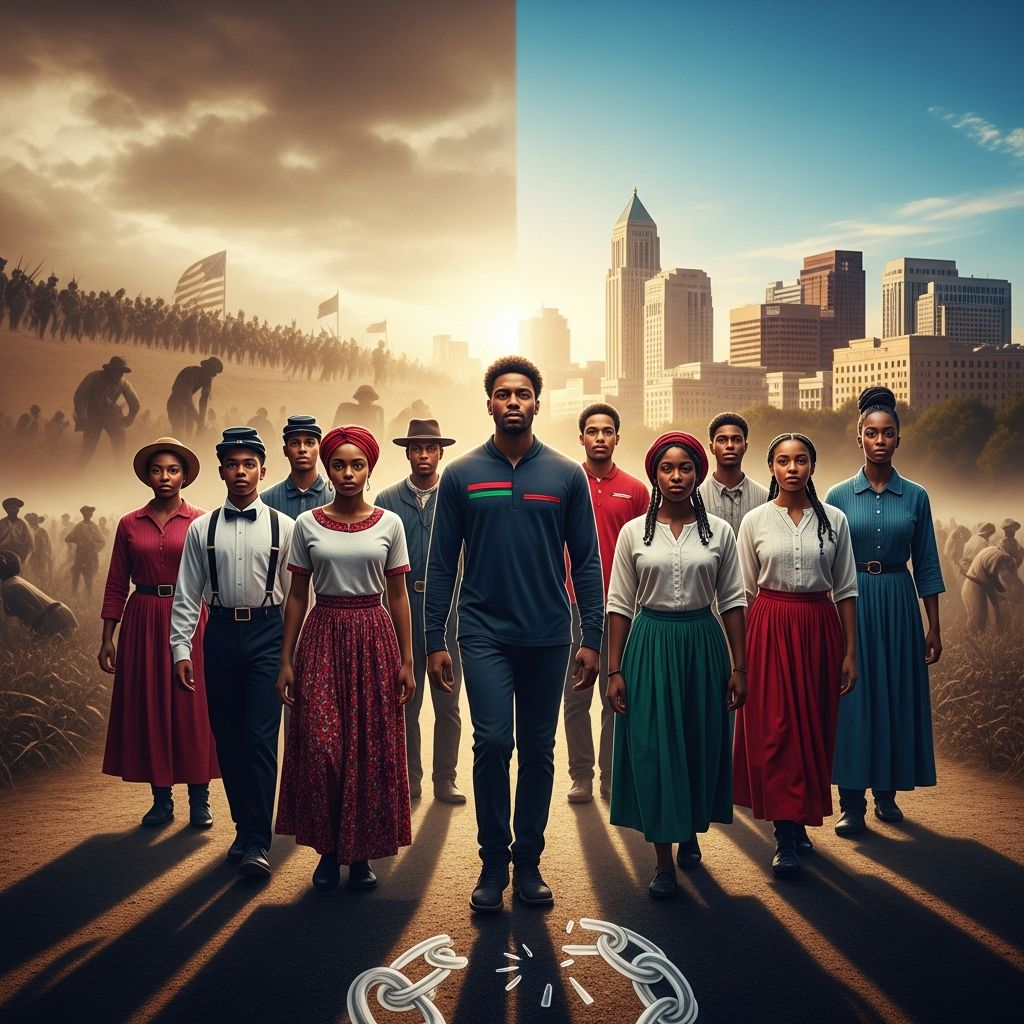
Juneteenth marks a pivotal moment in American history when enslaved people in Texas learned of their freedom on June 19, 1865, over two years after the Emancipation Proclamation. This day, now a federal holiday, calls for more than symbolic recognition—it demands active steps toward dismantling systemic inequities rooted in slavery’s legacy.
The Origins of Freedom’s Delayed Dawn in Texas
The story of Juneteenth begins amid the Civil War’s final throes. President Abraham Lincoln’s Emancipation Proclamation, issued on January 1, 1863, declared freedom for enslaved individuals in Confederate states, but its enforcement depended on Union military advances. In remote Texas, news traveled slowly; slaveholders withheld information, delaying liberation until Union Major General Gordon Granger arrived in Galveston with over 2,000 troops.
Granger’s General Order No. 3 proclaimed: “The people of Texas are informed that, in accordance with a proclamation from the Executive of the United States, all slaves are free.” This absolute equality in rights transformed relationships from ownership to employment, advising freed people to remain and work for wages while discouraging idleness. Over 250,000 enslaved Black people in Texas gained freedom that day, though full national abolition via the 13th Amendment came later on December 6, 1865, freeing remaining enslaved individuals in border states like Delaware and Kentucky.
This delay underscores slavery’s end as a gradual, uneven process, not a singular event. Even after 1865, some Native American tribes held enslaved people until Reconstruction treaties in 1866. Texas courts affirmed emancipation through decisions from 1868 to 1874, solidifying state law.
Evolution into a National Symbol of Liberation
From its Texas roots, Juneteenth celebrations emerged in the 1890s, blending ‘June’ and ‘nineteenth.’ African American communities honored it with gatherings, prayers, and feasts despite Jim Crow oppression. The Reconstruction era (1865-1877) briefly empowered freed people to build schools, businesses, and political influence under Union protection and the 14th and 15th Amendments.
Progress reversed post-1877 when federal troops withdrew, unleashing white supremacist violence: lynchings, massacres like Wilmington (1898), Atlanta (1906), Tulsa (1921), and the 1919 ‘Red Summer.’ ‘Lost Cause’ myths justified segregation and voter suppression, embedding inequality.
Revival came through activists like Opal Lee, culminating in the Juneteenth National Independence Day Act. The Senate passed it unanimously on June 15, 2021; the House followed 415-14 on June 16, making it the 11th federal holiday.
Modern Observance: Traditions and National Embrace
Today, Juneteenth features parades, barbecues, music, and educational events reflecting resilience. The National Park Service commemorates it at sites like Galveston, emphasizing African descent enslaved people’s joy upon learning of freedom. The Smithsonian’s National Museum of African American History and Culture calls it America’s ‘second independence day,’ highlighting post-emancipation family reunions, education, and activism.
- Family Reunions: Symbolizing post-slavery reunifications after separations.
- Educational Programs: Lectures on Black history to counter erasure.
- Cultural Festivals: Music, dance, and food honoring African heritage.
- Reflection Moments: Prayers and libations for ancestors.
As a federal holiday, it prompts closures and paid time off, amplifying its reach.
Beyond Festivities: Embedding Justice in Daily Practice
Juneteenth risks becoming performative if limited to events. True honor requires confronting slavery’s enduring impacts: wealth gaps, criminal justice disparities, and voting barriers. Organizations and individuals must integrate anti-racism into operations.
Workplace Strategies for Authentic Commitment
Law firms and businesses can lead by auditing policies for equity. Implement bias training, diverse hiring, and mentorship for underrepresented talent. Track promotion rates by demographics to address disparities transparently.
| Initiative | Description | Expected Impact |
|---|---|---|
| Diversity Audits | Annual reviews of hiring, pay, and advancement data | Identifies and corrects inequities |
| Bias-Reduction Training | Ongoing workshops on implicit bias and microaggressions | Fosters inclusive culture |
| Equity Goals | Public commitments to representation targets | Drives accountability |
| Community Partnerships | Collaborations with Black-led nonprofits | Supports local justice efforts |
Measure success via metrics like retention rates and employee surveys, ensuring sustained change.
Policy Reforms to Advance Equity
Advocate for laws expanding voting access, ending cash bail, and funding reparative programs. Support measures addressing criminal justice biases, where Black Americans face disproportionate incarceration. Engage in lobbying and voter mobilization year-round.
Educational Imperatives: Illuminating the Full Narrative
Schools and firms must teach unvarnished history. Develop curricula on slavery’s economics, Reconstruction’s promise and betrayal, and ongoing disparities. Host panels with historians and activists for nuanced dialogue.
- Incorporate primary sources like General Order No. 3.
- Explore massacres and ‘Red Summer’ violence.
- Discuss modern implications like the 13th Amendment’s crime exception.
Partner with institutions like the Gilder Lehrman Institute for resources.
Community Leadership: Grassroots Momentum
Local actions amplify impact: volunteer with justice organizations, mentor youth, and fund scholarships. Churches and civic groups can host forums on policy, turning reflection into reform.
Personal Accountability: Steps for Everyday Allies
Individuals start with self-education via books like The 1619 Project or podcasts on Black history. Challenge biases in conversations, support Black-owned businesses, and vote progressively. Track personal growth through journals or accountability groups.
Frequently Asked Questions (FAQs)
What exactly happened on June 19, 1865?
Major General Gordon Granger announced emancipation in Galveston, Texas, freeing over 250,000 enslaved people via General Order No. 3, enforcing the Emancipation Proclamation.
Why did freedom come later to Texas?
Texas’s isolation and slaveholder suppression of news delayed enforcement until Union troops arrived, despite the 1863 Proclamation.
When did Juneteenth become a federal holiday?
Congress passed the Juneteenth National Independence Day Act in June 2021, signed by President Biden.
How can workplaces honor Juneteenth meaningfully?
Through equity audits, training, diverse hiring, and community investments, not just events.
What is Reconstruction’s legacy?
It enabled Black progress in education and politics, reversed by violence and Jim Crow after 1877.
Measuring Progress: Indicators of Real Change
Success shows in closing racial wealth gaps, equal justice outcomes, and representative leadership. Annual reports and benchmarks ensure commitments endure beyond June 19.
Juneteenth invites America to its promise of equality. By weaving its lessons into policies, education, and actions, we build a just future honoring 1865’s promise.
References
- Juneteenth — Wikipedia. 2024-01-15. https://en.wikipedia.org/wiki/Juneteenth
- Juneteenth — Gilder Lehrman Institute of American History. 2024-06-19. https://www.gilderlehrman.org/historical-holidays/juneteenth
- Juneteenth celebration invites Americans to tell the truth — Civil and Human Rights. 2024-06-19. https://www.civilandhumanrights.org/juneteenth-invites-us-to-tell-the-truth/
- The Long History of Our New Federal Holiday: Juneteenth — U.S. Capitol Historical Society. 2024-06-19. https://capitolhistory.org/capitol-history-blog/the-long-history-of-our-new-federal-holiday-juneteenth/
- The Historical Legacy of Juneteenth — National Museum of African American History and Culture. 2024-06-19. https://nmaahc.si.edu/explore/stories/historical-legacy-juneteenth
- Juneteenth: Its History, Celebration, and Significance — Emerson Today. 2025-06-18. https://today.emerson.edu/2025/06/18/juneteenth-its-history-celebration-and-significance/
- Juneteenth National Independence Day — National Park Service (.gov). 2025-06-19. https://www.nps.gov/subjects/npscelebrates/juneteenth.htm
Similar Articles








Read full bio of Sneha Tete


