
Judge or Jury: Best Choice for Injury Claims
Discover strategic advantages of bench vs. jury trials in personal injury cases to maximize your compensation and case success.
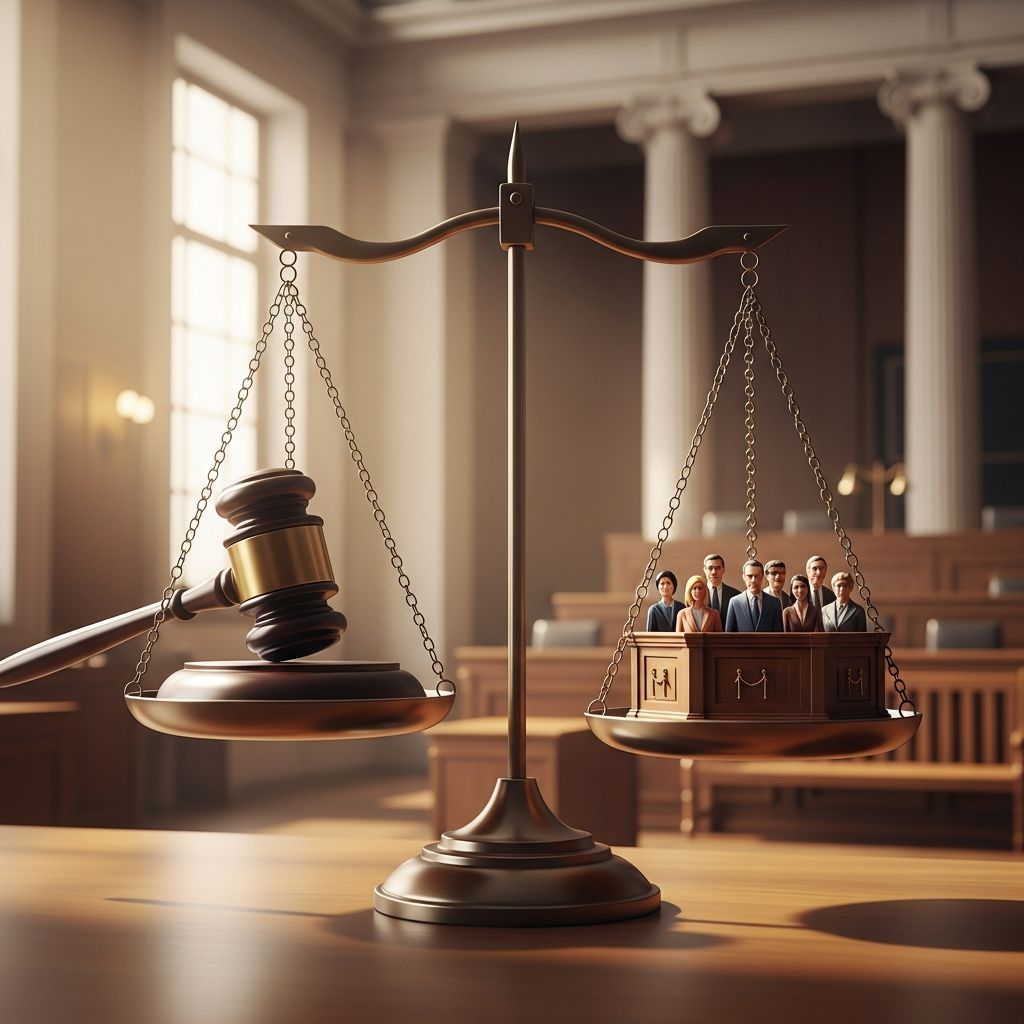
In personal injury litigation, plaintiffs face a critical decision: request a jury of peers or let a single judge decide the outcome. This choice can significantly influence the verdict, award amount, and overall case trajectory. Bench trials, where a judge rules alone, contrast with jury trials, where laypeople deliberate facts. Understanding these formats empowers injured parties to align strategy with case strengths.
Understanding Trial Formats in Civil Injury Cases
Civil personal injury disputes, such as those from car accidents, slips, or medical errors, typically allow plaintiffs to demand a jury trial under the Seventh Amendment for federal cases or state equivalents. However, parties can waive this right for a bench trial by stipulation or court order. In a jury trial, citizens assess facts and liability, while the judge handles law and procedure. Bench trials consolidate both roles with the judge, streamlining proceedings but centralizing power.
Jury trials demand unanimous or majority verdicts depending on jurisdiction, fostering diverse viewpoints. Bench trials yield immediate rulings post-evidence, bypassing deliberation delays. These structural differences shape suitability for various injury claims.
Advantages of Jury Trials for Injury Plaintiffs
Juries often favor plaintiffs in personal injury matters due to inherent empathy. Laypeople connect emotionally with stories of suffering, lost wages, and family hardship, potentially yielding higher damages awards. Unlike judges steeped in legal precedent, jurors prioritize human impact over technicalities.
- Empathy Factor: Jurors sympathize with visible injuries, amplifying pain-and-suffering compensation.
- Holding Power Accountable: Juries scrutinize corporations or insurers more critically than familiar judges.
- Collective Wisdom: Multiple perspectives reduce individual bias risks.
Statistics from the Bureau of Justice Statistics indicate juries award median compensatory damages 20-30% higher in tort cases than judges, particularly for noneconomic harms.
Drawbacks of Jury Trials and Mitigation Strategies
Despite empathy advantages, juries introduce unpredictability. Untrained in law, they may misinterpret evidence, succumb to biases, or demand excessive proof. Selection (voir dire) consumes time, allowing defense challenges to sympathetic jurors.
| Potential Jury Issue | Impact on Plaintiff | Mitigation Tactic |
|---|---|---|
| Confusion on Complex Evidence | Lower awards or defense verdict | Simplify presentations with visuals |
| Prejudice Against High Damages | Capped or zero noneconomic awards | Humanize plaintiff story early |
| One Holdout Juror | Hung jury, mistrial risk | Target peremptory challenges wisely |
Effective counsel employs ‘KISS’ principles—keeping arguments simple—to counter these risks.
Benefits of Opting for a Bench Trial
Bench trials excel in technical or document-heavy cases, like products liability or professional negligence, where judges’ expertise shines. Absent juries, proceedings accelerate: no selection, fewer objections, swift rulings. Costs drop 30-50% due to brevity, per American Bar Association data.
- Expertise in Law: Judges navigate statutes, precedents, and admissibility flawlessly.
- Speed: Resolutions in days versus weeks.
- Predictability: Research local judge’s plaintiff-friendly history.
For cases with sympathetic defendants or weak emotional hooks, bench trials minimize jury sympathy swings.
When Bench Trials Fall Short for Injury Victims
Judges, desensitized by caseloads, undervalue emotional damages. Single-decisionmaker risk amplifies bias—personal views dominate without group debate. In high-stakes claims exceeding insurance policy limits, juries’ outlier awards pressure settlements.
Notably, judges know all case details, including excluded evidence, potentially prejudicing rulings despite ethical vows.
Strategic Factors Influencing Your Trial Choice
Case Complexity and Evidence Type
Technical disputes suit benches; vivid injury narratives thrive before juries. Medical malpractice with expert battles favors judges’ acumen.
Judge Profile and Local Tendencies
Research assigned judges via court records. Plaintiff-bar favorites warrant bench requests; conservative jurists prompt jury demands.
Defendant Profile
Corporate foes intimidate juries less than beloved judges. Sympathetic individuals benefit from bench impartiality.
Trial Timeline and Costs
Urgent resolutions or budget constraints favor benches. Prolonged jury prep suits deep-pocketed parties.
Potential Award Size
Modest claims risk judicial conservatism; transformative verdicts demand jury passion.
Real-World Scenarios: Choosing the Right Path
Scenario 1: Auto Accident with Clear Liability
Strong dashcam evidence and catastrophic injuries scream jury—emotional testimony maximizes payout.
Scenario 2: Slip-and-Fall on Commercial Property
Disputed maintenance records and expert disputes suit bench efficiency.
Scenario 3: Nursing Home Neglect
Heart-wrenching elder abuse stories sway juries toward punitive damages.
Procedural Steps to Elect Your Trial Type
- File Demand: Plaintiffs note jury demand in complaint; defendants respond timely.
- Waiver: Mutual agreement shifts to bench pre-trial.
- Court Order: Judges compel bench for complexity or consensus absence.
- Preparation Shift: Tailor openings, witnesses, exhibits accordingly.
Role of Experienced Counsel in Trial Selection
Seasoned attorneys assess venue stats, mock juries, and judge dockets to recommend optimally. They craft narratives suiting the forum—legalistic for benches, relatable for juries. Early consultation prevents waiver pitfalls.
Frequently Asked Questions
Can I switch from jury to bench trial mid-case?
Possible via stipulation, but courts discourage late changes to avoid delays. Consult counsel promptly.
Do judges award less in personal injury cases?
Often yes for noneconomic damages, prioritizing precedents over sympathy.
How long do bench trials last versus jury trials?
Bench: 1-3 days; Jury: 3-10+ days including selection and deliberation.
Is a bench trial cheaper?
Typically, due to brevity and no juror fees.
What if the jury deadlocks?
Mistrial; retry or bench conversion possible.
Final Strategic Insights
Align trial type with case narrative: emotional pleas to juries, logic to judges. Venue matters—urban pools lean plaintiff-friendly; rural, conservative. Mock trials validate choices. Ultimately, waiver decisions hinge on risk tolerance, resources, and goals.
References
- Trial by Judge or Jury: A Look at the Pros and Cons — Versus Texas. 2022-01-01. https://versustexas.com/blog/trial-by-judge-or-jury/
- Bench Trials in Personal Injury Lawsuits: When and Why They Happen — Brandon J. Broderick. 2023-05-15. https://www.brandonjbroderick.com/bench-trials-personal-injury-lawsuits-when-and-why-they-happen
- Judge Vs. Jury Trials in Personal Injury Accident Cases — Resmini & Davis, LLC. 2024-02-20. https://www.resminilawoffices.com/blog/judge-vs-jury-trials-personal-injury-accident-cases/
- Civil Bench Trial Outcomes in State Courts — Bureau of Justice Statistics, U.S. Department of Justice. 2021-06-01. https://bjs.ojp.gov/content/pub/pdf/cbtosc21.pdf
- Federal Civil Trials and Verdicts — Administrative Office of the U.S. Courts. 2023-12-31. https://www.uscourts.gov/statistics-reports/federal-civil-trials-and-verdicts
- Tort Trial Trends — National Center for State Courts. 2022-09-15. https://www.ncsc.org/__data/assets/pdf_file/0020/12345/Tort-Trial-Trends.pdf
Similar Articles








Read full bio of Sneha Tete


