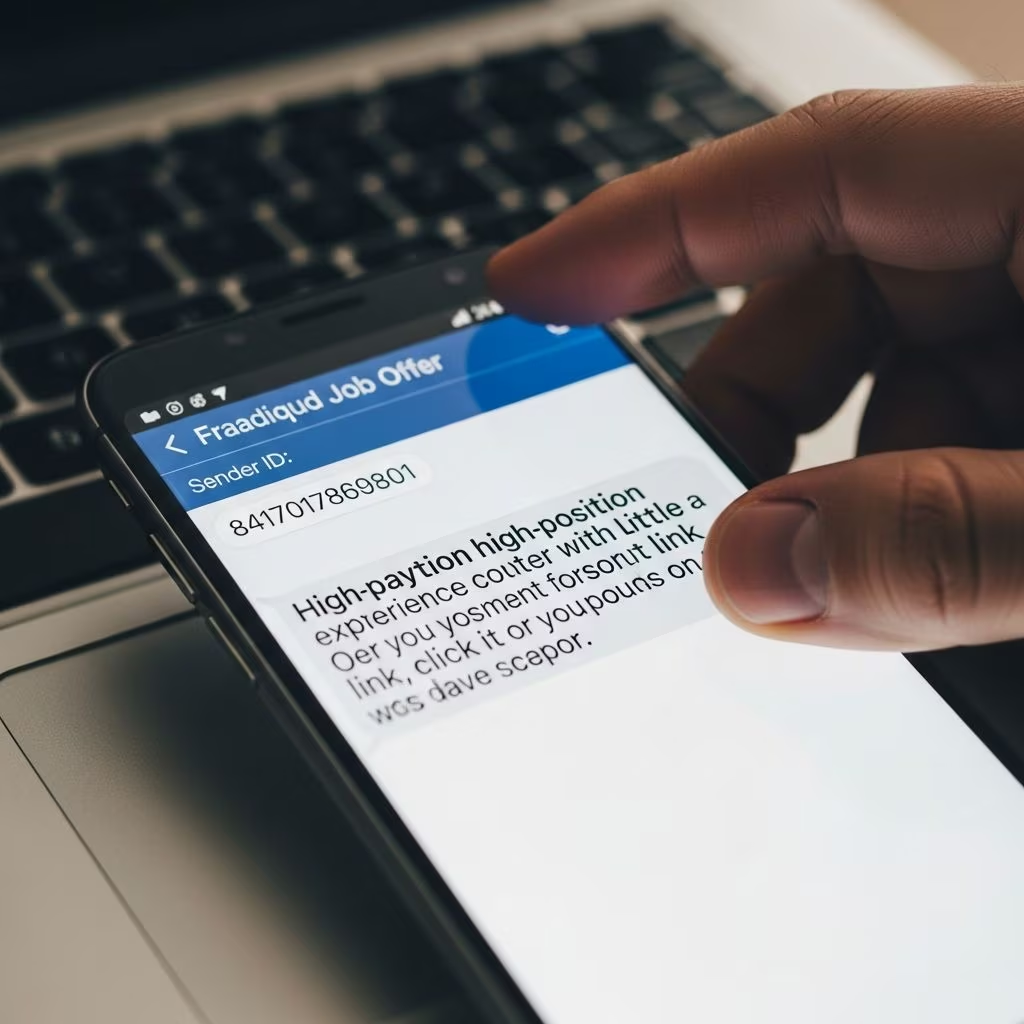
Getting a text message promising flexible work and fast pay can feel like a stroke of luck, especially if you are actively looking for a job or extra income. But when that offer appears out of nowhere, asks you to click a link, or demands personal or financial information, it is far more likely to be a scam than a genuine opportunity. Text-based job scams are a growing tactic used to steal money, passwords, and identities.
This guide explains how these scams operate, the warning signs to watch for, and what you can do to protect yourself and your job search.
Why Scammers Love Text Message Job Offers
Scammers use text messages because they are fast, cheap, and feel personal. Many people are more likely to read and respond to a text than an email, which makes text messages an effective tool for fraud.
- High response rate: People tend to open texts quickly and may respond before thinking through the risks.
- Sense of urgency: Phrases like “limited openings” or “urgent hire” push people to act fast.
- Impersonation is easy: It takes little effort to pretend to be a recruiter at a well-known company or agency.
- Direct path to your phone and accounts: A single tap on a malicious link can lead to malware or phishing pages that steal logins or financial data.
Law enforcement and consumer protection agencies report that scammers regularly pose as employers and recruiters, often using text, email, or messaging apps to make fake offers.
How a Fake Job Text Scam Usually Unfolds
Not every scam looks exactly the same, but most follow a similar pattern.
1. The Unsolicited Job Text Arrives
You receive a message you did not expect, promoting a job you never applied for.
- The sender claims to be a recruiter, hiring manager, or HR professional for a company.
- The company name may be real, but you have no record of applying there.
- The job might be described in vague but attractive terms, such as “remote assistant,” “brand ambassador,” or “package processor.”
2. The Offer Sounds Better Than Normal Jobs
Scammers design offers to sound irresistible.
- Unusually high pay for simple tasks or very few hours.
- Promises of “no experience needed” and “start immediately.”
- Claims that you were “selected” based on a resume you do not remember sharing.
3. You Are Pushed to Move Off the Text Thread
The scammer encourages you to switch to another platform quickly.
- They ask you to message them on WhatsApp, Telegram, or another app.
- They may invite you to a “text-only interview” or “chat interview.”
- They avoid voice or video calls that could reveal their true identity.
4. The Scammer Asks for Information or Money
Once they have your attention, the scammer moves toward their goal: data or payment.
- Requests for your Social Security number, date of birth, or bank account details “for payroll” before you have been officially hired.
- Demands for fees for training, equipment, background checks, or onboarding.
- Links to forms or websites where you are asked to log in using email, bank, or government credentials (phishing pages).
5. Possible Outcomes if You Engage
If you respond or follow their instructions, several things can happen:
- Your personal information can be used to open fraudulent accounts or commit identity theft.
- Money you send for “equipment” or “processing” disappears, with no job ever materializing.
- Malicious links can infect your device or steal stored passwords and authentication codes.
Red Flags That a Job Text Is a Scam
Genuine employers rarely hire directly from random texts. The more of these signs you see, the more likely the message is fraudulent.
| Warning Sign | Why It Is Risky |
|---|---|
| Unsolicited text from a “recruiter” | Legitimate employers usually contact you after you apply or post your resume on a reputable site. |
| Immediate job offer with no interview | Real hiring processes involve interviews, assessments, or at least basic screening. |
| Vague role but high or fast pay | Fake ads often overpromise pay while providing few details about the actual work. |
| Pressure to respond or decide quickly | Scammers create urgency to limit your time to research or think clearly. |
| Requests for sensitive personal data upfront | Legitimate companies do not ask for full SSN or bank details until an official hiring process is complete. |
| Demands for payment of any kind | Real employers pay you; they do not charge you for applications, training, or equipment. |
| Links to unfamiliar sites or forms | These can lead to phishing pages or malware. |
How to Safely Respond When You Get a Job Text
When in doubt, slow down. A few minutes of caution can prevent long-term harm.
1. Avoid Clicking Links or Downloading Files
Do not tap on links or download attachments included in unsolicited job texts. Malicious links are one of the most common ways scammers steal logins or install harmful software.
2. Verify the Employer Independently
If the message appears to reference a real company, confirm the details on your own:
- Use a search engine to find the company’s official website and contact information.
- Call or email using phone numbers and addresses listed on that official site, not information from the text.
- Search online for the company name plus words like “job scam” or “fraud complaint” to see if others have reported similar messages.
3. Check the Communication Channel and Email Address
Look closely at how the supposed recruiter is contacting you.
- Professional recruiters normally use company-branded email addresses, not free personal email accounts.
- Be skeptical of employers who insist on doing the entire process by text or messaging app and refuse to schedule a call or video meeting.
4. Trust Your Instincts
If something feels off—the pay, the speed of the offer, or the tone of the conversation—step back. Job seekers who learn to spot unrealistic promises and high-pressure tactics are better able to avoid scams.
Safer Ways to Look for Real Job Opportunities
One of the best defenses against job-text scams is to take control of where and how you search for work.
Use Reputable Job Boards and Official Sources
Government and well-known employment platforms typically have screening and reporting tools to reduce fraud, though no site is perfect.
- Explore your state’s or country’s official job bank or workforce site, which often lists verified openings.
- Use large, established job boards, and read their safety tips about fake postings.
- When possible, apply directly through the employer’s official careers page.
Research Every Employer and Offer
Before sharing personal information or accepting any job, do background checks of your own.
- Look up the company’s full name, address, and phone number.
- Review news articles, regulatory filings, or professional profiles that reference the organization.
- Search for reviews or feedback from previous employees or applicants on reputable sites.
Protect Your Personal and Financial Information
Set clear boundaries about what you will share and when.
- Do not provide your Social Security number, full date of birth, or banking details until late in a confirmed hiring process, and only through secure channels.
- Be skeptical of requests to send payment via wire transfer, gift cards, or cryptocurrency; these are almost always linked to fraud.
- Use unique passwords and enable multi-factor authentication on email, job platforms, and banking apps.
If You Already Responded to a Fake Job Text
If you shared information or money with someone you now suspect was a scammer, acting quickly can reduce harm.
1. If You Gave Financial Information or Sent Money
- Contact your bank or card issuer immediately to explain what happened and ask about stopping or reversing transactions.
- Monitor your accounts closely for unauthorized charges or withdrawals.
- Update online banking passwords and enable alerts for account activity.
2. If You Shared Sensitive Personal Details
- Review your credit reports periodically to check for accounts you did not open.
- Consider placing a fraud alert or credit freeze if your Social Security number or similar identifiers were exposed; many consumer protection agencies provide guidance on this.
- Watch for suspicious emails, calls, or texts that reference information you shared and could be used in additional phishing attempts.
3. Report the Scam
Reporting suspicious job texts helps authorities track patterns and warn others.
- Forward unwanted job texts to the spam-reporting short code specified by your mobile provider (such as 7726 in some jurisdictions).
- Use any “report junk” or “report spam” feature built into your phone’s messaging app to block future messages and send data to your carrier.
- File a complaint with a national consumer protection agency or fraud reporting portal in your country so that enforcement teams can investigate broader scam operations.
Practical Checklist: Is This Job Text Safe?
Use this quick checklist whenever a new job offer appears by text message:
- Did you apply for this specific job or share your resume with this company?
- Is the pay realistic for the role and industry?
- Can you independently verify the employer using trusted sources?
- Have you been asked for money or very sensitive information before any formal offer?
- Has the recruiter agreed to speak on the phone or video using a company email or number?
- Have you taken time to research before responding, instead of acting under pressure?
If several answers raise concerns, it is safer to ignore the message, block the number, and focus your energy on opportunities you can verify.
Frequently Asked Questions About Job Text Scams
Q: Can a legitimate employer ever contact me first by text?
A: It is possible, especially if you previously applied through a job board that shares your phone number with recruiters. However, real employers will usually reference a specific application or conversation, use professional contact details, and will not rush you into sharing sensitive information or paying fees.
Q: What if the text includes the name of a major, well-known company?
A: Scammers often impersonate recognizable brands to appear legitimate. Always go to the company’s official website, find their careers or contact page, and verify directly whether the outreach is real.
Q: Is it safe to send my resume to someone who texts me about a job?
A: Do not send your resume until you have confirmed who you are dealing with and that the job is real. Even resumes can contain enough data—such as name, address, and work history—to be misused in phishing or identity theft schemes if they fall into the wrong hands.
Q: Are work-from-home job offers more likely to be scams?
A: Many legitimate remote jobs exist, but scammers exploit the popularity of work-from-home arrangements by advertising unrealistic pay or very simple tasks with high earnings. The same rules apply: research the company, confirm the hiring process, and never pay for the chance to work.
Q: What should I tell friends or family who keep getting these messages?
A: Encourage them not to click links or reply, to block the numbers, and to report suspicious messages through their phone’s spam-reporting option and to relevant consumer protection agencies. Sharing specific red flags—like requests for money or personal data before hiring—can help others recognize scams more quickly.
References
- That random text offering you a job? It’s probably a scam. — Federal Trade Commission. 2024-11-20. https://consumer.ftc.gov/consumer-alerts/2024/11/random-text-offering-you-job-its-probably-scam
- How To Identify Fake Job Postings: 10 Warning Signs. — Indeed Editorial Team. 2024-05-21. https://www.indeed.com/career-advice/finding-a-job/how-to-know-if-a-job-is-a-scam
- Job Scams on the Rise: How to Spot and Avoid Fraud in Your Job Search. — Aerotek. 2023-04-17. https://www.aerotek.com/en/insights/impact-of-job-scams-on-job-searches
- How to Spot Job Scams: 10 Warning Signs to Look for in Interviews. — Procore Technologies. 2023-06-08. https://careers.procore.com/blogs/life-at-procore-blog/how-to-spot-job-scams-warning-signs-in-interviews
- How to Spot a Job Scam. — Social Security Administration, Ticket to Work Program. 2025-06-03. https://choosework.ssa.gov/blog/2025-06-03-how-to-spot-a-job-scam.html