
Is Making Moonshine Legal? A Modern Legal Guide
Understanding the real legal status of home distilling and moonshine production in the U.S. today.
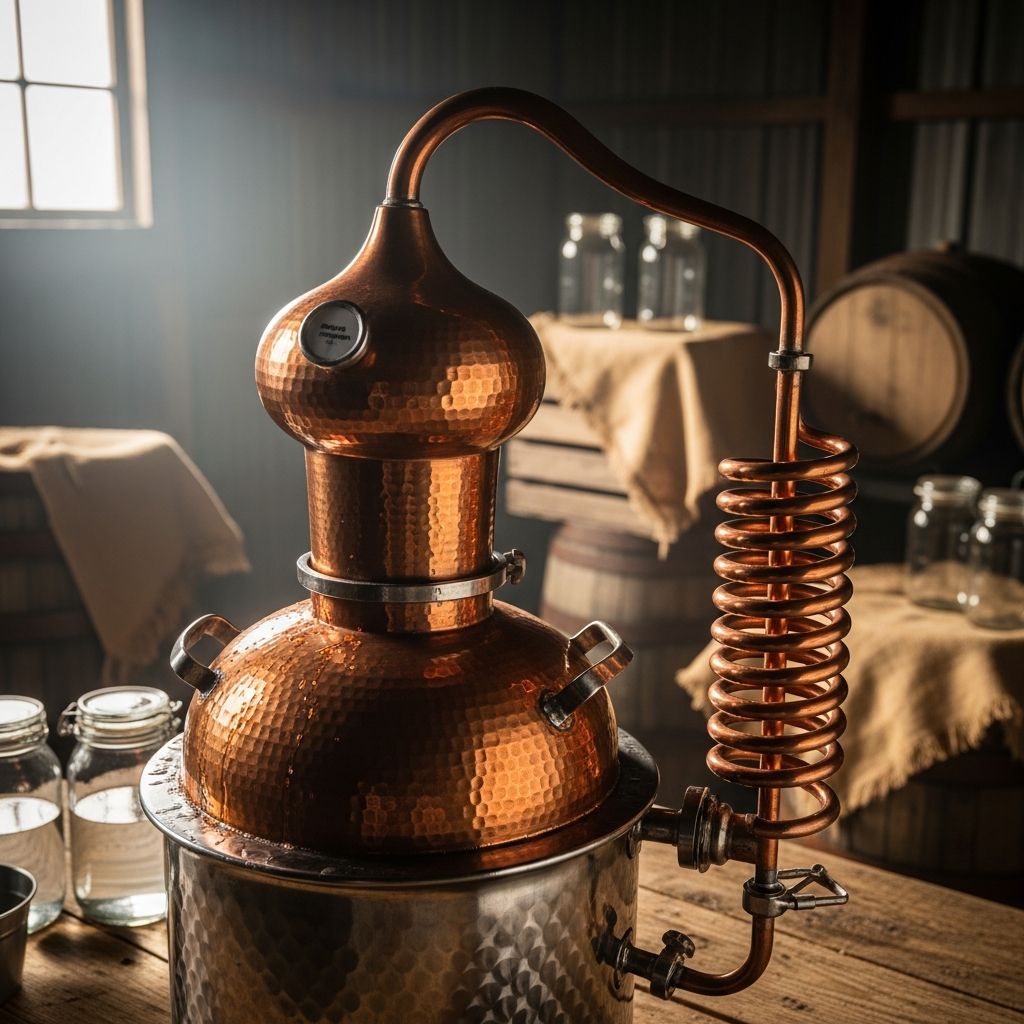
Understanding the Legal Status of Moonshine Today
For many, moonshine conjures images of backwoods stills, hidden in the hills, producing clear, potent spirits outside the reach of the law. While that image is rooted in history, the modern legal reality is more complex. The question isn’t just whether moonshine is illegal, but whether the act of making it—especially at home—is permitted under current federal and state regulations. The answer, for most people in most places, is that producing moonshine without proper authorization is indeed illegal, and doing so can lead to serious legal consequences.
The Core Legal Issue: Distillation vs. Possession
One of the most common misconceptions is that owning a still is illegal. In fact, under U.S. federal law, it is perfectly legal to own a still of any size, as long as it is not being used to produce distilled spirits without a permit. The still itself is not the problem; it’s what you do with it that matters.
Federal law distinguishes between:
- Ownership of distillation equipment (legal)
- Use of that equipment to produce distilled spirits (heavily regulated and generally illegal without a permit)
This means you can legally buy, sell, and possess a still for purposes like distilling water, essential oils, or fuel alcohol, as long as you’re not using it to make drinkable spirits without authorization.
Federal Law: The TTB and the Ban on Home Distilling
The primary federal agency overseeing distilled spirits in the United States is the Alcohol and Tobacco Tax and Trade Bureau (TTB), part of the Department of the Treasury. Under the Internal Revenue Code, specifically 26 U.S.C. § 5042(a)(2) and § 5053(e), it is illegal for individuals to produce distilled spirits at home without a proper permit.
Key points under federal law include:
- Producing distilled spirits for personal consumption, even if not for sale, is prohibited without a federal permit.
- Distilled spirits are defined as any alcoholic beverage with an alcohol content above a certain threshold, typically around 16–20% ABV, depending on the product.
- Failure to comply can result in criminal penalties, including fines and imprisonment, as well as seizure of equipment and product.
The TTB’s position is clear: home distillation of spirits is not allowed under current federal law, regardless of intent or quantity.
What About a Permit? Can You Legally Distill at Home?
It is possible to legally distill spirits in the U.S., but not in the way most people imagine. To produce distilled spirits legally, an individual or business must obtain a federal permit from the TTB, typically a Distilled Spirits Plant (DSP) permit. This is not a simple or inexpensive process.
Requirements for a DSP permit include:
- Registering the distillation facility with the TTB
- Complying with strict production, labeling, and recordkeeping standards
- Paying federal excise taxes on all spirits produced
- Meeting local zoning, fire, and safety regulations
These requirements are designed for commercial operations, not hobbyists. There is no federal “home distiller” permit that allows individuals to legally produce spirits for personal use in their garage or basement. The only legal way for most people to obtain distilled spirits is to buy them from licensed producers or retailers.
State and Local Laws: A Patchwork of Rules
While federal law sets the baseline, state and local laws can add additional restrictions—or, in rare cases, limited exceptions. The legal landscape varies significantly from state to state, and sometimes even from county to county.
Some states have laws that:
- Explicitly prohibit home distillation of any kind
- Allow distillation only with a state-issued permit
- Permit limited production for personal use under specific conditions
For example:
- In Alaska, individuals may produce distilled spirits for personal use on their own property, but commercial sale still requires a license.
- In Missouri, state law allows the production of up to 200 gallons of spirits per year for personal consumption, but this does not override federal law, which still prohibits unpermitted distillation.
- In many other states, any home distillation of spirits is treated as a criminal offense, regardless of quantity or intent.
Because of this patchwork, it’s essential to check both federal and state regulations before attempting any distillation activity.
Recent Developments: Is the Federal Ban Changing?
In 2024, a federal district court in Texas issued a ruling in Hobby Distillers Association v. Alcohol and Tobacco Tax and Trade Bureau that has sparked debate about the future of home distilling. The court found that the federal ban on home distillation, as currently written, may exceed Congress’s constitutional authority under the taxing power and issued a permanent injunction against enforcement of those rules in that case.
However, this ruling is not yet the final word. The federal government has the right to appeal, and until a higher court upholds or clarifies the decision, the existing federal ban remains in effect for most practical purposes. As of now, the TTB continues to enforce the prohibition on unpermitted home distillation, and individuals should not assume that home distilling is legal based on this single ruling.
Why Is Home Distilling Illegal? The Rationale Behind the Law
The prohibition on home distillation is not primarily about morality or public safety in the way that Prohibition-era laws were. Instead, it is rooted in three main concerns:
1. Tax Revenue
Distilled spirits are subject to federal excise taxes, which are a significant source of government revenue. Allowing widespread home production without oversight would make it extremely difficult to collect these taxes, leading to substantial losses for the federal and state governments.
2. Consumer Safety
Improper distillation can produce dangerous byproducts, such as methanol, which can cause blindness or death if consumed in sufficient quantities. Commercial distilleries are required to follow strict safety and quality standards to minimize these risks. Unregulated home operations may lack the knowledge, equipment, or controls to ensure a safe product.
3. Regulatory Control
The government maintains a licensing and permitting system to track who is producing spirits, where, and in what quantities. This system helps prevent illegal operations, counterfeiting, and the diversion of alcohol into unregulated markets. Removing this control would make enforcement much more difficult.
Common Misconceptions About Moonshine Legality
Several myths persist about moonshine and home distillation. It’s important to separate fact from fiction:
- Myth: If you don’t sell it, it’s legal. Reality: Federal law prohibits production for personal use as well as for sale.
- Myth: Owning a still is illegal. Reality: It’s legal to own a still as long as it’s not used to produce spirits without a permit.
- Myth: Some states allow home distilling, so it’s fine. Reality: State laws cannot override federal law; even in states with more permissive rules, federal prohibitions still apply.
- Myth: Moonshine is just like homebrewing beer or making wine. Reality: Home production of beer and wine is allowed under federal law (with limits), but home distillation of spirits is not.
Legal Alternatives to Home Distilling
For those interested in producing alcoholic beverages at home, there are legal options that do not involve distillation:
- Homebrewing beer: Federal law allows individuals to produce up to 100 gallons of beer per year for personal or family use (200 gallons for households with two or more adults), as long as it is not sold.
- Home winemaking: Similar allowances exist for wine, with a limit of 200 gallons per year for a household of two or more adults.
- Distilling for non-alcoholic purposes: Stills can be used legally to produce distilled water, essential oils, or fuel alcohol, provided the operator complies with any applicable regulations.
These activities are widely accepted and pose minimal legal risk when conducted within the limits set by federal and state law.
What Happens If You Get Caught Making Moonshine?
Engaging in unpermitted distillation can lead to serious consequences, including:
- Criminal charges for illegal production of distilled spirits
- Fines that can run into thousands of dollars
- Imprisonment, especially for large-scale or repeat offenses
- Seizure of stills, equipment, and any alcohol produced
- Additional penalties under state or local law
Law enforcement agencies, including the TTB and state alcohol control boards, actively investigate and prosecute illegal distillation operations. Even small, personal-scale operations are not immune to enforcement.
Practical Advice for Those Interested in Distillation
If you’re considering distillation, here are some practical steps to stay on the right side of the law:
- Research federal, state, and local laws before purchasing or using a still.
- Use stills only for legal purposes, such as water or essential oil distillation, unless you have obtained the proper federal and state permits.
- Consider pursuing a commercial distillery license if you want to produce spirits legally, but be prepared for the significant regulatory and financial commitments involved.
- Consult with an attorney or compliance expert familiar with alcohol regulations if you have specific questions about your situation.
Frequently Asked Questions
Is it illegal to own a moonshine still?
No, it is not illegal under federal law to own a still. However, it becomes illegal if you use it to produce distilled spirits without the required federal permit.
Can I legally make moonshine for personal use?
Under current federal law, no. Producing distilled spirits at home for personal consumption is prohibited without a federal distilled spirits permit, which is not available for typical home use.
Are there any states where home distilling is legal?
A few states, such as Alaska and Missouri, have laws that appear to allow limited home distillation for personal use. However, these state laws do not override federal prohibitions, so unpermitted distillation remains a federal offense.
What’s the difference between homebrewing and home distilling?
Homebrewing beer and making wine are legal under federal law for personal use, within certain quantity limits. Home distilling spirits, on the other hand, is not allowed without a federal permit, regardless of whether the product is for personal use or sale.
Has the 2024 Texas court ruling made home distilling legal?
Not yet. While a federal judge in Texas ruled that the federal ban on home distilling may be unconstitutional in a specific case, that decision is subject to appeal and has not changed the general enforcement posture of the TTB. Until higher courts provide a definitive ruling, the federal ban remains in effect for most people.
Conclusion: Know the Law Before You Distill
Moonshine may have a romantic, rebellious image, but the legal reality is that making it at home is generally illegal in the United States. Federal law strictly prohibits the unpermitted production of distilled spirits, and state laws often reinforce or add to those restrictions. While there are legal ways to produce alcoholic beverages at home—such as brewing beer or making wine—distillation is a different matter entirely.
Before investing in equipment or starting any distillation project, it’s crucial to understand the full scope of federal, state, and local regulations. Ignorance of the law is not a defense, and the consequences of illegal distillation can be severe. For most people, the safest and most practical path is to enjoy legally produced spirits or to stick to permitted forms of home fermentation.
References
- Home Distilling — Alcohol and Tobacco Tax and Trade Bureau (TTB). Accessed 2024. https://www.ttb.gov/distilled-spirits/penalties-for-illegal-distilling
- 26 U.S. Code § 5042 – Distilled spirits plants — United States Code. https://www.law.cornell.edu/uscode/text/26/5042
- 26 U.S. Code § 5053 – Registration of stills — United States Code. https://www.law.cornell.edu/uscode/text/26/5053
- Home Production of Wine and Beer — Internal Revenue Service (IRS). https://www.irs.gov/businesses/small-businesses-self-employed/home-production-of-wine-and-beer
- Hobby Distillers Association v. Alcohol and Tobacco Tax and Trade Bureau — U.S. District Court for the Northern District of Texas. 2024. https://www.ttb.gov/distilled-spirits/penalties-for-illegal-distilling
Similar Articles








Read full bio of Sneha Tete


