
Can You Legally Live In A Garage? 6-Step Conversion Guide
Thinking about turning a garage into living space? Understand permits, safety rules, and zoning laws before moving in.
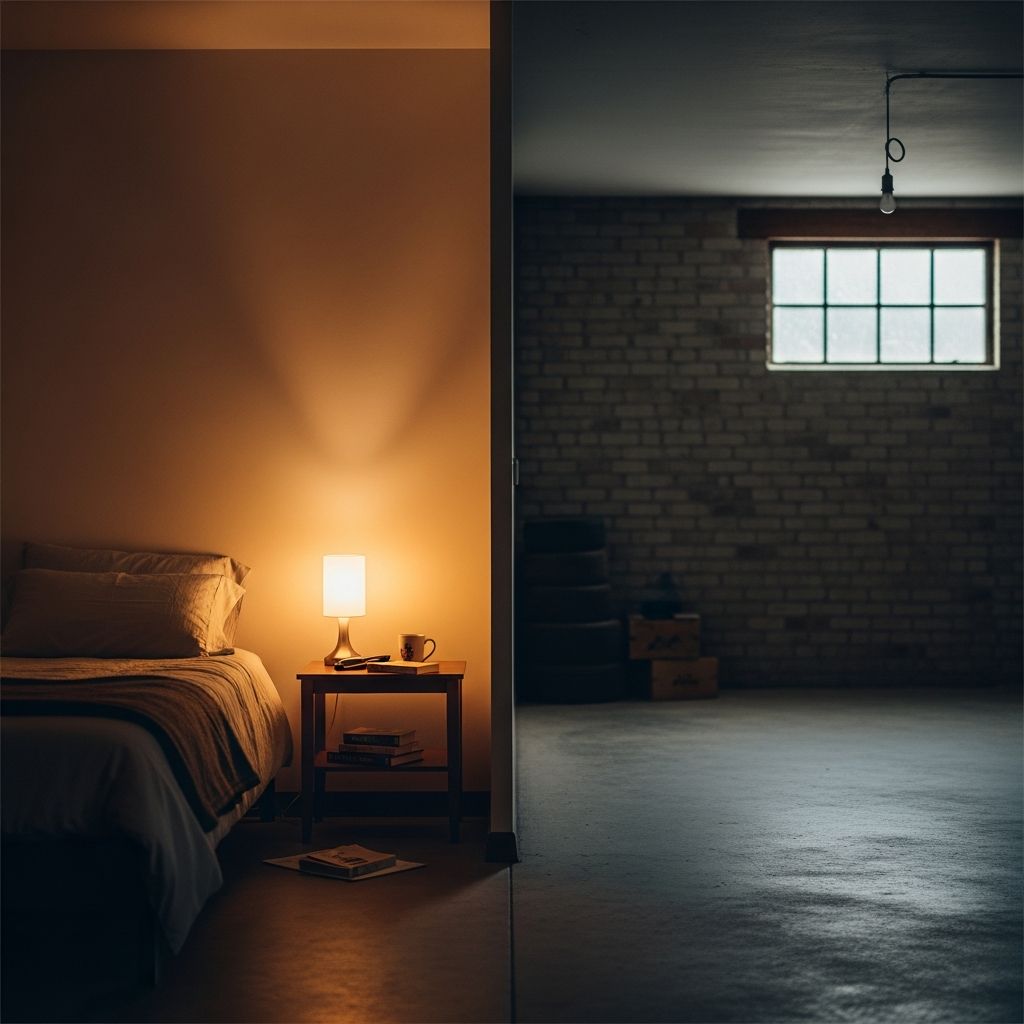
Using a garage as a place to sleep or as a small apartment might look like an easy fix for high housing costs, but in many places it is not legal without major changes and formal approval from local authorities. Most residential garages are treated as non-habitable space under building and housing codes, meaning you generally cannot lawfully use them as bedrooms or independent homes unless they are fully converted and permitted.
This guide explains what makes a garage a legal living space, how local rules work, and what risks you face if you move into or rent out an unpermitted garage.
Why Garages Are Usually Not Legal Living Spaces
Housing and building rules distinguish between habitable and non-habitable spaces. Garages almost always fall into the non-habitable category when they are built, which means they are designed for storage and parking, not for living or sleeping.
Local governments adopt building codes such as the International Residential Code or state-specific versions like the California Residential Code, which set minimum safety standards for dwelling units, including light, ventilation, exits, and structural protections.
- Habitable space: rooms for living, sleeping, eating, or cooking that meet minimum health and safety standards.
- Non-habitable space: garages, storage rooms, mechanical rooms, and similar areas not intended for regular occupancy or sleeping.
Because garages are not built to meet the same safety rules as bedrooms or apartments, simply placing a mattress in a garage does not make it legal housing. In some jurisdictions, even allowing a guest to sleep overnight in an unconverted garage can trigger code violations and fines.
Key Legal Issues When Using a Garage as Housing
Whether it is legal to live in a garage depends on how several bodies of law interact in your city or county:
- Zoning laws (how your property may be used)
- Building and housing codes (safety and construction standards)
- Permitting requirements (approvals and inspections)
- Fire and health regulations (egress, smoke alarms, carbon monoxide exposure)
- Landlord–tenant rules (if you charge rent)
In many places, city websites explicitly state that you may not live in, sleep in, or rent your garage as a dwelling unit, because it does not meet minimum code requirements.
Turning a Garage Into a Legal Dwelling: The General Path
Although using an ordinary garage as a bedroom or rental is typically illegal, many jurisdictions allow a garage conversion if you go through the proper legal process. In states like California, converted garages are often treated as Accessory Dwelling Units (ADUs), which are small, self-contained homes on the same lot as a primary residence.
Main steps to legalize a garage as living space
- Check local zoning rules to confirm that a living unit or extra bedroom is allowed at your address.
- Hire design professionals (architect, designer, or contractor) to draw plans that meet your local building code.
- Apply for permits before any construction or major changes begin.
- Upgrade the structure for insulation, fire separation, waterproofing, and structural safety.
- Add required utilities such as permanent heating, legal electrical systems, plumbing, and safe exits.
- Pass inspections throughout the work and obtain final approval from your building department.
Once the conversion is fully permitted and inspected, the space may legally be used as a bedroom, studio, or ADU, subject to any additional local limits on rentals or occupancy.
What Makes a Space Technically “Habitable”?
The details vary by location, but building codes use similar checklists for determining whether a room is safe to live or sleep in. Law firms and local agencies summarizing California rules, for example, point to recurring requirements for ceilings, windows, ventilation, temperature control, and basic utilities.
| Requirement Category | Typical Expectations for Habitable Space* |
|---|---|
| Ceiling height | Minimum clear height (often around 7 feet or more, depending on code) |
| Windows and light | Sufficient window area to provide natural light and emergency egress |
| Ventilation | Natural ventilation via windows or mechanical systems meeting code |
| Temperature | Permanent heating and measures to maintain safe indoor temperatures |
| Electrical | Code-compliant wiring, outlets, and lighting controlled by switches |
| Plumbing | Access to a legal bathroom and, for independent units, kitchen and drainage |
| Life safety | Smoke alarms, often carbon monoxide alarms, and safe exits to the outside |
*Always check your local code; this table is a general illustration, not a substitute for formal regulations.
For converted garages used as ADUs, states like California additionally require the space to stop functioning as a vehicle parking area. Once a garage becomes a residential unit, you normally cannot store cars in it anymore.
Zoning: Can a Home on Your Lot Even Be Allowed?
Even if you are willing to upgrade the garage, zoning may block or limit residential use. Zoning rules determine:
- How many dwelling units are allowed on a lot
- Where buildings can sit (setbacks from property lines)
- Height and size limits for structures
- Parking requirements for each dwelling
Recent state-level reforms in some places (including California) have made it easier to add ADUs and convert garages, but property owners still must follow local zoning and apply for any needed variances or waivers.
Typical zoning issues for garages
- Minimum lot size for adding another dwelling
- Requirements to replace lost parking spaces elsewhere on the property
- Limits on short-term rentals or separate leasing of ADUs
- Historic or special overlay districts with extra restrictions
Before spending money on designs, it is wise to ask your planning or zoning office whether a garage conversion or extra bedroom is allowed at your address and under what conditions.
Permits and Inspections: Why Skipping Them Is Risky
Converting a garage to living space almost always requires building permits. In California, for example, state guidance explains that any garage being lived in needs permits and must comply with the California Building and Fire Codes.
Permits typically cover:
- Structural work (walls, foundations, roof modifications)
- Electrical systems (adding outlets, lighting, or new circuits)
- Plumbing (bathrooms, kitchens, floor drains)
- Mechanical systems (heating, ventilation, cooling)
Local building departments use inspections to confirm that the construction is safe and meets current standards. Performing work without required permits can render the conversion illegal, even if the physical work seems professionally done.
Potential outcomes of an unpermitted garage dwelling
- Orders to vacate the space immediately
- Fines for code violations and unpermitted work
- Requirements to remove or redo construction
- Insurance companies refusing to cover fire or injury claims related to the illegal unit
- Complications when selling or refinancing the property
Health, Fire, and Safety Concerns
The legal rules around garages are driven by safety. Standard garages often expose occupants to hazards that are unacceptable for living spaces. Legal guidance summarizing building standards for garage conversions highlights concerns like inadequate fire separation, improper wiring, lack of exits, and exposure to carbon monoxide from gas appliances or vehicles.
Common dangers in makeshift garage housing
- Fire spread: walls and doors between garages and homes may lack the fire resistance required for a dwelling.
- Blocked egress: no proper emergency window or door directly to the outside.
- Carbon monoxide: risk from running vehicles or gas water heaters in or near the space.
- Extreme temperatures: poor insulation and no permanent heating or cooling.
- Moisture and mold: concrete slabs and exterior walls without proper moisture control.
- Overloaded circuits: makeshift electrical connections using extension cords or non-code wiring.
Because these risks can be life-threatening, many local governments firmly prohibit living in unconverted garages and enforce those rules even when housing is expensive or hard to find.
If You Are Already Living in a Garage
People sometimes move into garages because they lack other options. If you are already living in a garage, it is important to understand both your potential risks and, if you are a renter, your possible rights under landlord–tenant law.
- Tenants in illegal units may still have protections, such as notice requirements before eviction or rights to return deposits, depending on local law.
- Health and safety agencies can sometimes intervene if conditions are dangerous, but intervention may also result in orders to vacate the space.
- Legal aid organizations in many cities offer free advice to tenants in substandard or unpermitted housing.
Owners who discover that a garage is being used as housing without permits may need to either initiate a lawful conversion or require the space to be vacated and returned to non-habitable use. Consulting with a local attorney familiar with housing and code enforcement can clarify options.
Owner Checklist Before Converting a Garage
If you are considering turning a garage into a bedroom, office, or small apartment, use this checklist as a starting point for conversations with your local planning and building departments:
- Confirm that zoning allows an extra bedroom or dwelling unit on your lot.
- Ask whether a garage conversion counts as an Accessory Dwelling Unit (ADU) or another category.
- Determine if you must replace lost parking spaces elsewhere.
- Find out which permits are required (building, electrical, plumbing, mechanical).
- Budget for code upgrades: insulation, windows, exits, heating, and fire separation.
- Plan for inspections at key stages of the work.
- Keep copies of all approvals for insurance and future resale.
Frequently Asked Questions (FAQs)
Q: Is it ever legal to live in a garage?
A: It can be legal only if the garage has been properly converted into a habitable space and has passed all required inspections and permits. In many jurisdictions, this means the structure must meet the same building and fire standards as any other dwelling and is often classified as an ADU or additional room.
Q: Can I let a friend stay in my garage for just a few nights?
A: In some areas, even temporary sleeping in an unconverted garage can violate housing codes, because the space is not recognized as habitable. Local guidance and legal commentary in states like California warn that owners may be fined simply for allowing overnight stays in non-compliant garages.
Q: Do I need a permit if I only add a bathroom or small kitchenette to the garage?
A: Yes. Adding plumbing, electrical circuits, or any significant construction usually requires building permits. Official guidance on garage and ADU projects explains that unpermitted changes can make the structure illegal and trigger penalties, even if the work appears minor.
Q: Are garage conversions easier now in places with housing shortages?
A: Many regions facing housing shortages, such as California, have passed laws that make it easier to create ADUs and convert garages. However, the units still must comply with building codes, zoning rules, and permit requirements; the reforms generally streamline approval but do not waive safety standards.
Q: Does converting a garage affect my insurance or property taxes?
A: It often does. Insurers may require proof of permits and inspections before covering a converted space as a dwelling, and some may deny claims arising from illegal conversions. Property tax assessments can also change when living area is added. These issues are usually handled by private insurers and local tax assessors, not by building departments.
References
- Is It Legal to Live in a Garage in California? — Ivory Home Builders Inc. 2024-05-01. https://www.ivoryhomebuildersinc.com/is-it-legal-to-live-in-a-garage-in-california/
- Is it Legal to Live in a Garage in California? — A+ Construction & Remodeling. 2023-08-10. https://aplusconstructionremodeling.com/blog/is-it-legal-to-live-in-a-garage-in-california/
- When are garages legal to use as housing in California? — Goodkin APC. 2022-01-15. https://www.goodkinlaw.com/blog/2022/01/when-are-garages-legal-to-use-as-housing-in-california/
- Garage Permits in California: The Complete Guide — Golden State Buildings. 2023-06-20. https://goldenstatebuildings.com/articles/garage-permits-in-california-the-complete-guide/
- Garage Conversions in California: Easier Now — Stimmel, Stimmel & Smith, P.C. 2021-09-30. https://www.stimmel-law.com/en/articles/garage-conversions-california-easier-now
- Can I live in my garage? — City of Rancho Palos Verdes, CA. 2020-04-01. https://rpvca.gov/FAQ.aspx?QID=264
Similar Articles








Read full bio of Sneha Tete


