
Can You Keep A Groundhog As A Pet? Laws, Risks, Alternatives
Understand the complex web of wildlife, pet, and zoning laws before you ever consider turning a wild groundhog into a household companion.
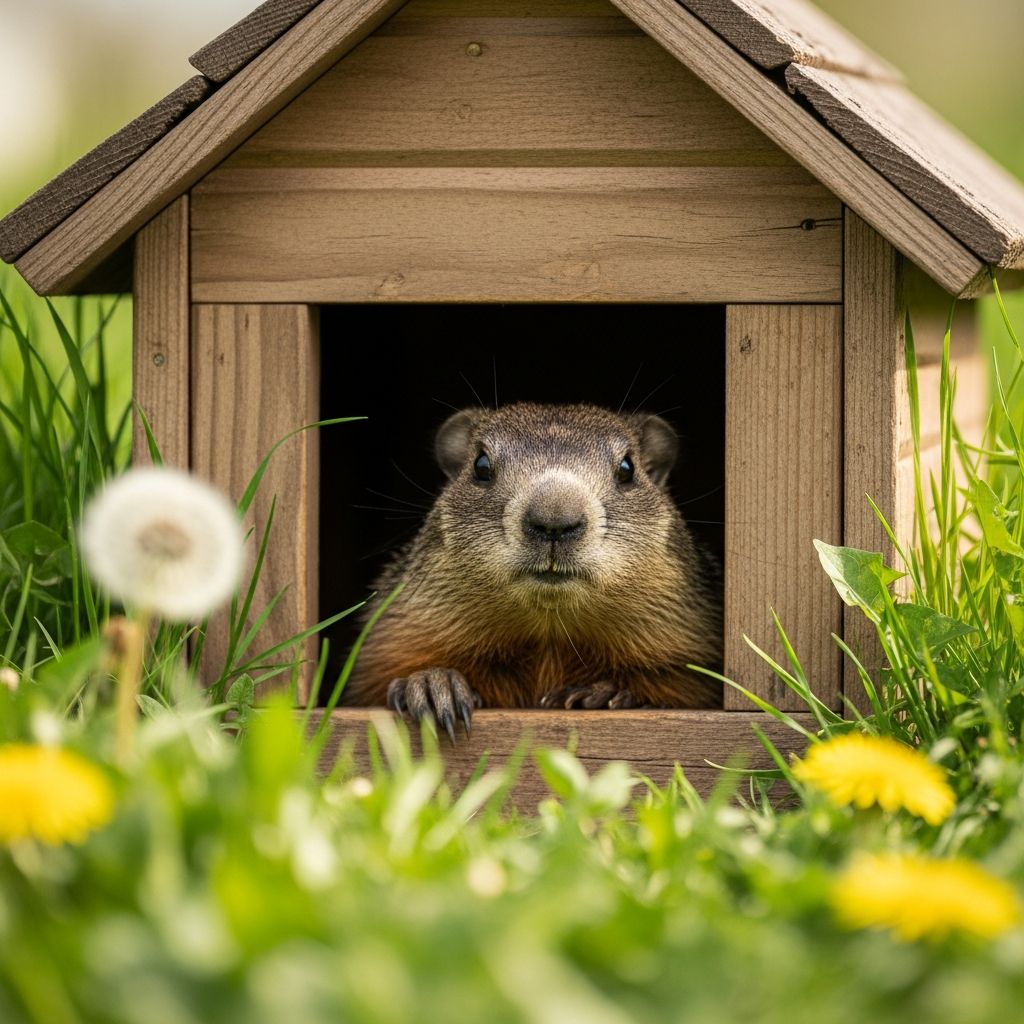
Groundhogs, also known as woodchucks or whistle-pigs, are familiar backyard visitors across much of North America. Their curious faces and lumbering walk can make them seem like potential pets, but the legal and practical reality of keeping a groundhog at home is far more complicated than it looks.
This article explains how wildlife laws, local regulations, and animal welfare rules affect whether you may legally keep a groundhog as a pet in the United States. It also covers important ethical and safety issues that arise when people try to turn wild animals into household companions.
Groundhog Basics: What Kind of Animal Are We Talking About?
Before looking at the law, it helps to understand how groundhogs fit into the broader category of wildlife.
- Species: Groundhogs (Marmota monax) are a type of large ground squirrel commonly called woodchucks.
- Range: They are native to much of the eastern and central United States and parts of Canada.
- Ecological role: Their burrowing affects soil structure and vegetation and can sometimes damage crops, gardens, and building foundations.
- Legal classification: In many states they are treated as game, furbearers, or simply as wild mammals subject to wildlife codes rather than pet laws.
These classifications matter because wildlife codes typically regulate when humans can capture, keep, or kill wild animals. A species that is defined as game or furbearer is rarely treated as a typical household pet under state law.
How U.S. Law Generally Treats Wild Animals as Pets
There is no single national rule that says whether a groundhog can be kept as a pet. Instead, three main layers of law usually apply:
- State wildlife law (how a state treats wild mammals such as groundhogs)
- Local ordinances (city or county rules about exotic or farm-type animals)
- Federal law (import, disease, and species-protection rules, which usually play a background role with common native species)
Many states draw a sharp legal line between domestic animals (such as dogs and cats) and wildlife. When an animal is categorized as wildlife, residents typically need a permit or specific statutory authorization to possess it alive, if possession is allowed at all.
State Wildlife Rules: Why a Groundhog Is Rarely a Legal Pet
Although details differ by jurisdiction, several common themes appear in state wildlife regulations that make groundhogs difficult or impossible to keep as pets.
1. Classified as Game or Furbearer
In a number of states, groundhogs are treated as game mammals or furbearers that may be hunted or trapped under specific conditions, but not casually kept in the home.
- For example, Missouri treats the groundhog as a game mammal and furbearer with defined hunting and trapping seasons.
- Regulations focus on when they may be taken, what methods (firearms, traps, etc.) are allowed, and how pelts can be possessed or sold.
These codes typically say little or nothing about keeping a groundhog as a pet, because the legal framework assumes they remain part of the wild population.
2. Permits and Prohibitions on Possessing Live Wildlife
Many states prohibit ordinary citizens from keeping native wild mammals unless they hold a specialized license, such as a wildlife rehabilitator permit, scientific collection permit, or exhibitor license.
Common state restrictions include:
- Bans on possessing live wild mammals without a permit, even if they were found orphaned or injured.
- Rules that allow capturing groundhogs only to remove damage-causing animals, not to keep them as companions.
- Limitations stating that animals taken under damage-control or hunting provisions must be killed or released, not domesticated.
Because groundhogs are rarely listed in state law as allowable pets, they usually fall into a default category of wildlife that cannot be kept without specific authorization.
3. States That Remove Protection but Still Treat Groundhogs as Wildlife
In some places, lawmakers have gone in the opposite direction, making groundhogs less protected while still not converting them into legal pets. Delaware, for instance, explicitly states that the woodchuck or groundhog is not considered protected wildlife under state law.
That change allows more flexibility in controlling groundhogs, but it does not automatically transform them into domestic animals. Other statutes and local rules about wild or non-traditional animals can still limit possession.
Local Ordinances: Exotic, Nuisance, and Farm-Type Animal Restrictions
Even if state wildlife law is silent or ambiguous, city or county codes can still effectively block you from keeping a groundhog.
Typical local provisions that may apply include:
- Pet number limits (caps on how many animals of certain types may be kept on a property)
- Zoning restrictions that distinguish between residential pets and animals considered livestock, wildlife, or “small farm animals”
- Bans on keeping wild or exotic animals within city limits for public health or safety reasons
- Nuisance provisions targeting animals that dig, damage property, or create sanitation problems
For example, some cities define household pets narrowly (often listing only dogs, cats, and sometimes small caged animals) and treat any other mammal as livestock or restricted wildlife. In such jurisdictions, keeping a groundhog in a backyard enclosure can expose the owner to citations or forced removal of the animal.
Why Authorities Discourage Turning Groundhogs Into Pets
Lawmakers and wildlife agencies generally discourage keeping groundhogs as pets for several overlapping reasons.
1. Public Health Concerns
Wild mammals can carry diseases that transmit to humans and domestic animals, such as rabies and various parasites. The U.S. Centers for Disease Control and Prevention (CDC) warns that wild rodents and other mammals can be reservoirs for zoonotic diseases and that handling them carries health risks for owners and the broader community.
When an uncommon species like a groundhog bites someone, it may be difficult or impossible to verify its vaccination or disease status. That can lead to animal euthanasia and post-exposure treatment for the person who was bitten.
2. Property Damage and Safety Risks
Groundhogs are powerful diggers, using their front claws and strong limbs to build extensive burrow systems. Wildlife agencies note that their tunneling can undermine foundations, sidewalks, driveways, and other structures.
Even in a yard or enclosure, a groundhog may:
- Dig under fences or sheds, causing structural instability
- Chew wood, wiring, or irrigation lines
- Escape into neighboring properties, creating conflicts with neighbors
While groundhogs are not typically aggressive, a cornered or frightened animal can scratch or bite, especially if socialized poorly or handled frequently.
3. Welfare Issues for the Animal
Keeping a wild animal as a pet raises questions about whether its natural behaviors and needs can be met in a home environment. Groundhogs are adapted to:
- Dig complex burrows with multiple chambers and entrances
- Range across open areas to forage for vegetation
- Undergo seasonal cycles, including periods of hibernation in colder regions
Academic and extension publications on wildlife management emphasize that attempts to confine groundhogs often result in chronic stress, behavioral problems, or poor health, particularly when keepers lack specialized expertise.
Comparing Groundhogs to Typical Household Pets
The table below highlights how groundhogs differ from common domestic pets from a legal and practical perspective.
| Feature | Dog / Cat | Groundhog |
|---|---|---|
| Legal status | Domestic animal, widely recognized as a pet in state and local law | Wildlife (often game or furbearer), rarely listed as a permitted pet |
| Licensing | Simple local pet license in many jurisdictions | May require wildlife, exhibitor, or rehabilitation permit, if allowed at all |
| Veterinary care | Standard vaccines and treatments widely available | Specialized exotic care; limited vaccine guidance and experience |
| Behavior | Domesticated for companionship over thousands of years | Wild; strong digging and escape behaviors; not bred for companionship |
| Housing needs | Indoor living compatible with standard homes | Requires secure outdoor space that accommodates burrowing and seasonal cycles |
Legal Possession vs. Ethical Choices
In some limited scenarios, it might be technically possible to lawfully possess a groundhog, particularly if you hold a qualifying permit or license. But even when it is legally allowed, owning one as a pet can still be ethically problematic.
Key considerations include:
- Captive breeding vs. wild-caught: Removing animals from the wild can disrupt local populations and is often illegal without a permit.
- Long-term care: Groundhogs can live several years; providing appropriate habitat and veterinary care for that entire span is demanding.
- Release problems: A habituated or hand-raised groundhog may struggle to survive if released and can create human–wildlife conflicts.
Many wildlife professionals recommend that people who enjoy groundhogs do so from a distance, using deterrence and landscaping choices to reduce conflicts rather than attempting to domesticate them.
Practical Steps if You Are Considering a Groundhog
If you are seriously thinking about keeping a groundhog, you should assume that it is not allowed until you confirm otherwise with proper authorities. At minimum, take these steps:
- Contact your state wildlife agency and ask specifically about groundhog possession, permits, and any rehabilitation or exhibitor requirements.
- Review your city and county animal control and zoning ordinances for restrictions on wild or non-traditional pets.
- Speak with a licensed wildlife rehabilitator or veterinarian experienced with wild mammals about husbandry, disease risk, and welfare needs.
- Document any written approvals or permits you receive; verbal assurances are not a defense if enforcement action occurs.
In many cases, those conversations will point you toward safer and more realistic alternatives, such as adopting domesticated small mammals or volunteering with a wildlife rehabilitation center.
Safer Alternatives to Owning a Groundhog
If you are drawn to groundhogs because of their appearance or behavior, consider other ways to enjoy or support them without keeping one in your home.
- Wildlife-friendly landscaping: Plant native vegetation and create buffer zones between your garden and wildlife areas so you can observe groundhogs without conflict.
- Non-lethal deterrence: Use fencing, plant choices, and habitat modification to protect high-value plants and structures while allowing wildlife to exist nearby.
- Educational programs: Visit nature centers, wildlife refuges, or museums that display groundhog burrows or offer talks on their ecology.
- Adopting domestic pets: Choose species that are legally recognized as pets and that veterinarians and shelters are equipped to support.
Frequently Asked Questions (FAQs)
Q: Is it ever clearly legal to keep a groundhog as a pet?
A: In most states, there is no category that treats groundhogs as ordinary pets, and they are instead managed as wildlife such as game or furbearers. In very limited situations, certain permits (for rehabilitation or exhibition) may authorize temporary or specialized possession, but that is very different from a general right to own one as a companion animal.
Q: If a groundhog damages my property, can I trap and keep it?
A: Wildlife codes commonly allow landowners to trap or kill damage-causing groundhogs under strict conditions, but those provisions are designed for control and removal, not for converting the animal into a pet. In many jurisdictions, an animal captured for damage control must be released in an approved location or humanely euthanized rather than kept.
Q: Are there health risks if I handle a wild groundhog?
A: Yes. Wild mammals may carry diseases and parasites that can infect humans and pets, and the CDC cautions that contact with wild animals can transmit zoonotic diseases. A bite from a wild groundhog may require medical evaluation, and authorities may require testing of the animal for rabies.
Q: Can a veterinarian vaccinate and treat a pet groundhog?
A: Some exotic-animal veterinarians may agree to see a groundhog, but vaccines and medications are often not labeled specifically for such species. In addition, a veterinarian cannot override wildlife or local laws; they may refuse care or report illegal possession if the animal is being kept contrary to applicable regulations.
Q: What should I do if I find an orphaned baby groundhog?
A: The safest and usually most lawful option is to contact your state wildlife agency or a licensed wildlife rehabilitator rather than trying to raise the animal yourself. Self-rehabilitation is illegal in many states for native wildlife, and young groundhogs need specialized diets, housing, and eventual release planning.
References
- Missouri Groundhogs — Missouri Department of Conservation. 2019-01-01. https://mdc.mo.gov/sites/default/files/2020-04/MissouriGroundhogs2019.pdf
- Groundhog: Regulations — Missouri Department of Conservation. 2025-05-12. https://mdc.mo.gov/hunting-trapping/species/groundhog/groundhog-regulations
- § 797. Woodchuck or groundhog not protected wildlife — State of Delaware. 1996-09-01. https://www.animallaw.info/statute/de-woodchuck-%C2%A7-797-woodchuck-or-groundhog-not-protected-wildlife
- Animal Laws and Regulations — City of St. Louis Department of Health. 2019-06-01. https://www.stlouis-mo.gov/government/departments/health/animal-care-control/animal-laws.cfm
- Pet Regulations in Missouri — Don’t Let It Loose / Association of Fish & Wildlife Agencies. 2021-08-01. https://www.dontletitloose.com/pet-regulations/missouri/
- Managing Woodchuck Problems in Missouri — University of Missouri Extension. 2017-03-01. https://extension.missouri.edu/publications/g9452
Similar Articles








Read full bio of medha deb


