
The Intersecting Crises: Racism and Gender-Based Violence
Understanding why gender-based violence cannot be defeated without also dismantling systemic racism and economic inequality.
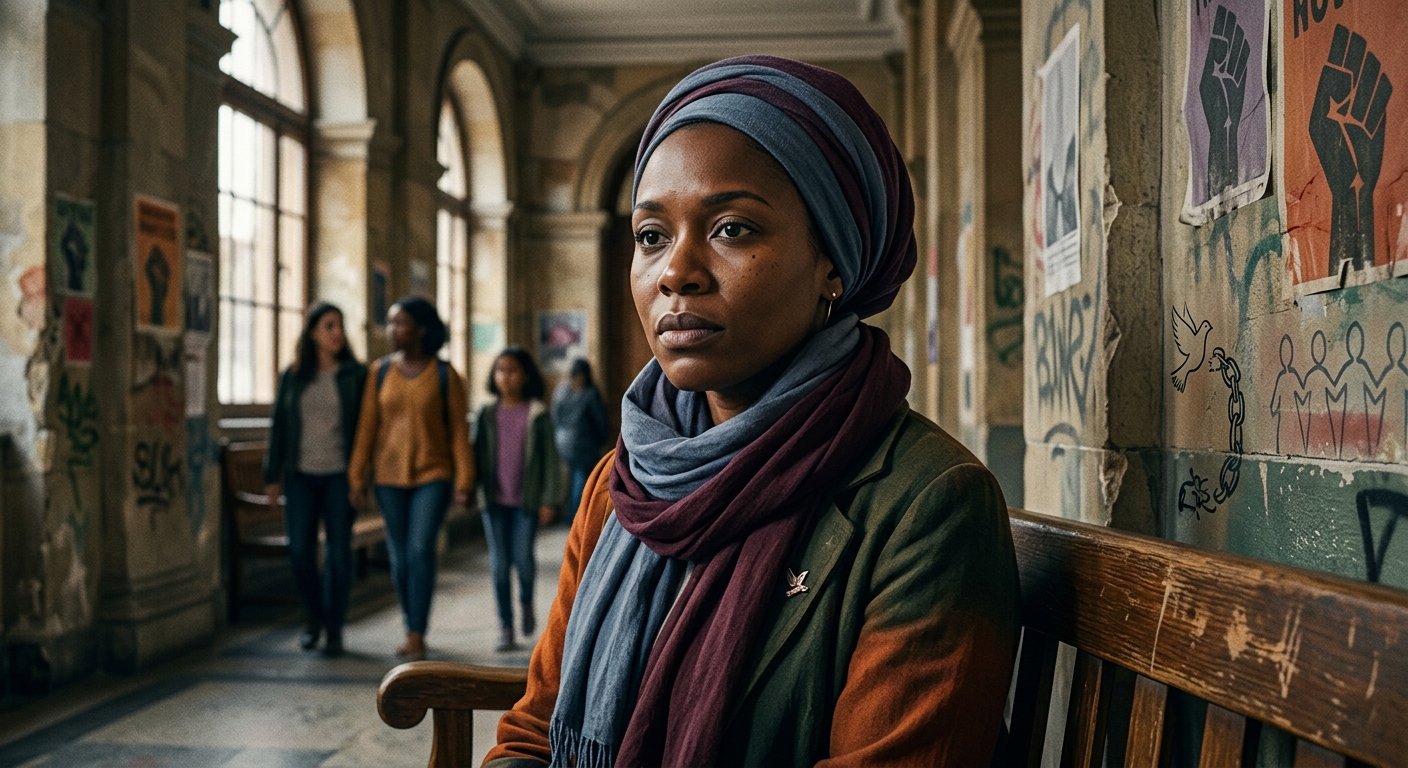
Gender-based violence is frequently analyzed and addressed through a singular lens of sex or gender identity. However, for millions of individuals across the globeparticularly women of color, Indigenous populations, and marginalized gender identitiesthis framework is dangerously incomplete. Violence is rarely experienced in a vacuum. Instead, it is intricately woven into the fabric of systemic racism, xenophobia, and economic disenfranchisement. When we attempt to decouple racialized violence from gender-based violence, we fundamentally misunderstand the lived realities of those most vulnerable to systemic harm.
The intersection of these twin crises means that a person’s race often dictates not only their likelihood of experiencing violence but also the resources available to them in the aftermath. An intersectional approach recognizes that racism and sexism compound, creating unique and elevated risks. The United Nations Entity for Gender Equality and the Empowerment of Women (UN Women) has repeatedly emphasized that failing to account for intersecting identitiess such as race, migration status, and economic classresults in policies that leave the most marginalized survivors behind. To genuinely protect communities and foster holistic healing, society must acknowledge that racial justice and gender justice are not parallel movements; they are inextricably linked.
The Historical and Systemic Roots of Intersectional Violence
The profound links between racial and gender-based violence are not modern phenomena; they are deeply entrenched in centuries of colonial and institutional history. From the era of chattel slavery to the forced assimilation of Indigenous populations, the bodies of women of color have historically been commodified, hyper-sexualized, and stripped of legal protections. In many early legal systems, violence against women of color was not legally recognized as a crime, nor was it socially condemned. Instead, it was an institutionalized mechanism of control.
This historical devaluation laid the groundwork for modern systemic apathy. Even as legal frameworks evolved to criminalize domestic abuse and sexual assault, these systems were predominantly designed by and for affluent communities. Consequently, the mechanisms intended to protect survivors such as law enforcement, the judicial system, and emergency housingoften operate with implicit biases that criminalize or dismiss survivors of color. For instance, historical policies that stripped tribal nations of the jurisdiction to prosecute non-Native perpetrators on tribal lands created legal loopholes that allowed widespread gender-based violence against Indigenous women to go unpunished for decades. Recognizing this history is essential because it explains why institutions today still struggle to provide equitable protection and justice.
How Marginalization Amplifies Vulnerability
Violence thrives in environments where individuals lack the economic and social power to escape. Marginalization creates structural vulnerabilities that abusers exploit. Socioeconomic disparities, housing instability, and discriminatory law enforcement practices drastically amplify the risks of gender-based violence for communities of color.
Consider the role of housing insecurity. According to research from the Urban Institute, women of color disproportionately face eviction and homelessness, making it exponentially more difficult to leave abusive environments. The lack of safe, affordable housing options traps survivors in a cycle of abuse. When federal funds for victim services declines such as recent drops in Crime Victims Fund (CVF) allocationsthe safety nets that low-income survivors rely on evaporate entirely.
Furthermore, interactions with the criminal justice system are fraught with peril for many survivors of color. In many jurisdictions, calling emergency services can lead to unintended, devastating consequences. Nuisance ordinances might result in a survivor being evicted simply for calling the police too many times. For undocumented immigrants, the threat of deportation is frequently weaponized by abusers to maintain control and enforce silence. The fear that seeking help will result in family separation, incarceration, or deportation deters countless individuals from accessing the services designed to save their lives. This demonstrates how systemic marginalization actively enables gender-based violence.
The Fallacy of the “One-Dimensional” Hate Crime
When violence against women of color captures public attention, media outlets, law enforcement, and the legal system often rush to categorize the motive into a single, easily digestible box. Was it a racist hate crime, or was it a misogynistic act of gender-based violence? This compulsion to separate race and gender into distinct categories represents a profound fallacy.
Perpetrators who target marginalized women often act on biases where race and gender are completely fused. For example, when an attacker targets Asian American women based on a fetishized, hyper-sexualized stereotype, the violence is inherently both racist and sexist. Dismissing the racial component because the attacker claimed a “sex addiction,” or ignoring the gendered reality by labeling it solely as xenophobia, erases the specific nature of the harm inflicted upon the victims.
This one-dimensional legal framework creates monumental hurdles for survivors seeking justice. Hate crime legislation and civil rights protections often require plaintiffs to prove they were targeted specifically because of one protected characteristic. When the violence is intersectional, the legal system’s rigid categories fail to encapsulate the crime’s true nature, often resulting in lesser charges or dropped cases.
Real-World Impacts on Communities of Color
The theoretical concept of intersectional violence translates into devastating real-world statistics and ongoing tragedies for various communities of color. The intersections of racial and gender-based violence manifest differently across distinct populations, yet all are rooted in systemic inequality.
- The Missing and Murdered Indigenous People (MMIP) Crisis: The Bureau of Indian Affairs highlights that more than half of Native American women have been sexually assaulted in their lifetimes, and murder is a leading cause of death for Indigenous women. Jurisdictional complexities, a lack of dedicated federal resources, and historical erasure contribute to thousands of unsolved cases, leaving families devastated and perpetrators unpunished.
- Systemic Neglect of Black Women: Black women sit at the precarious intersection of high rates of intimate partner violence and disproportionate state violence. Furthermore, systemic biases in the healthcare system lead to alarming rates of maternal mortality, which the World Health Organization recognizes as another facet of institutionalized gender and racial inequity. When Black women report abuse, they are frequently met with skepticism or are themselves criminalized by responding officers.
- The Weaponization of Immigration Status: For immigrant women, particularly those from Latin American communities, language barriers and xenophobia create impenetrable walls to safety. Abusers frequently use the threat of involving Immigration and Customs Enforcement (ICE) as a tool for coercion. Even when survivors seek medical care, fears of tracking and deportation can deter them from receiving necessary interventions.
- Fetishization of Asian American Women: The hyper-sexualization of Asian women in Western media has long fueled a dangerous environment where racism is expressed through sexual violence and exploitation. The intersection of xenophobia and misogyny creates a specific brand of targeted violence that is frequently minimized by authorities as mere “deviance” rather than a coordinated hate crime.
Rethinking Policy: From Criminalization to Community Care
Addressing the links between racialized and gender-based violence requires a radical departure from traditional policy frameworks. For decades, the primary response to domestic and sexual violence has been an increased reliance on law enforcement and the carceral system. However, for communities of color that already experience disproportionate policing and police violence, increasing law enforcement presence does not equate to increased safety.
True justice for intersectional survivors requires moving toward community-based care, economic empowerment, and culturally specific services. The World Health Organization (WHO) advocates for health-sector responses to gender-based violence that acknowledge intersecting factors like race, ethnicity, and socioeconomic status, ensuring that care is accessible and non-discriminatory.
Policies must focus on the root causes of vulnerability. This means providing robust funding for affordable housing, expanding tenant protections, and ensuring that survivors have access to legal counsel in eviction courts. Furthermore, government funding should prioritize grassroots organizations that are led by and serve women of color, as these entities possess the cultural competency required to build trust and offer effective healing strategies. When we center the needs of the most marginalized survivors, we build a safety net that protects everyone.
Key Policy Interventions for Intersectional Justice
The shift from siloed, punitive systems to holistic, intersectional care requires concrete structural changes. The table below outlines how traditional approaches to gender-based violence compare to intersectional interventions.
| Area of Intervention | Traditional / Carceral Approach | Intersectional / Community Approach |
|---|---|---|
| Emergency Response | Mandatory arrest policies; reliance solely on armed police officers to respond to domestic disputes. | Deployment of trained social workers, crisis intervention teams, and community mediators. |
| Housing & Shelter | Standardized shelters with rigid entry rules; lack of long-term housing solutions. | Culturally specific safe houses; direct financial assistance and robust eviction protections for survivors. |
| Legal Protections | Focus on severe criminal sentencing and individualized hate crime enhancements. | Decriminalizing survival behaviors; ensuring immigration safe harbors (e.g., U-Visas) are easily accessible. |
| Funding Structures | Grants allocated predominantly to large, mainstream organizations with broad, generic programs. | Direct funding to grassroots, BIPOC-led organizations that understand specific community nuances and languages. |
Frequently Asked Questions (FAQs)
What does intersectionality mean in the context of violence?
Intersectionality is a framework that explains how a person’s various social and political identitiess such as gender, race, class, and sexual orientationcombine to create unique modes of discrimination and privilege. In the context of violence, it means that a Black woman, for example, experiences abuse differently than a white woman or a Black man, as she faces the compounded effects of both racism and sexism simultaneously.
Why are traditional law enforcement responses sometimes harmful to survivors of color?
Traditional policing often carries implicit biases. Survivors of color may fear that calling the police will result in their own arrest, the arrest or deportation of a family member, or escalating violence. In communities that have historically been over-policed and under-protected, involving law enforcement can introduce additional trauma rather than providing a path to safety.
How can communities better support individuals facing racialized and gender-based violence?
Support must be holistic and community-driven. This includes funding organizations led by people of color, providing resources that address economic instability (like rent assistance and childcare), and advocating for policies that decouple emergency assistance from immigration enforcement. Emphasizing trauma-informed care over punitive measures creates safer environments for survivors to seek help.
Conclusion: Forging a Path Toward Holistic Healing
The links between racialized and gender-based violence are undeniable, etched into history, and perpetuated by modern systemic inequalities. As long as policy frameworks treat racism and sexism as isolated issues, the most vulnerable members of society will continue to slip through the cracks of a fractured system. Dismantling this violence requires more than superficial reforms; it demands an intersectional approach that addresses the economic, legal, and social foundations of marginalization. By shifting focus from carceral punishment to community empowerment, affordable housing, and culturally competent care, we can begin to forge a society where safety is an absolute right, not a privilege determined by race or gender. The fight for gender justice is incomplete without racial justice, and it is only by uniting these fronts that true healing can begin.
References
- The value of intersectionality in understanding violence against women and girls UN Women. 2021. https://www.unwomen.org/
- Missing and Murdered Indigenous People Crisis U.S. Department of the Interior / Bureau of Indian Affairs. 2024. https://www.bia.gov/
- Gender and health World Health Organization (WHO). 2021-05-24. https://www.who.int/
- Striving toward Justice: Diverse Domestic Violence Survivors’ and Practitioners’ Perceptions of Justice Urban Institute. 2023-05-15. https://www.urban.org/
Similar Articles








Read full bio of Sneha Tete




