
Understanding Institutional Care Safety and Resident Protection
Comprehensive guide to recognizing, preventing, and addressing harm in long-term care facilities.
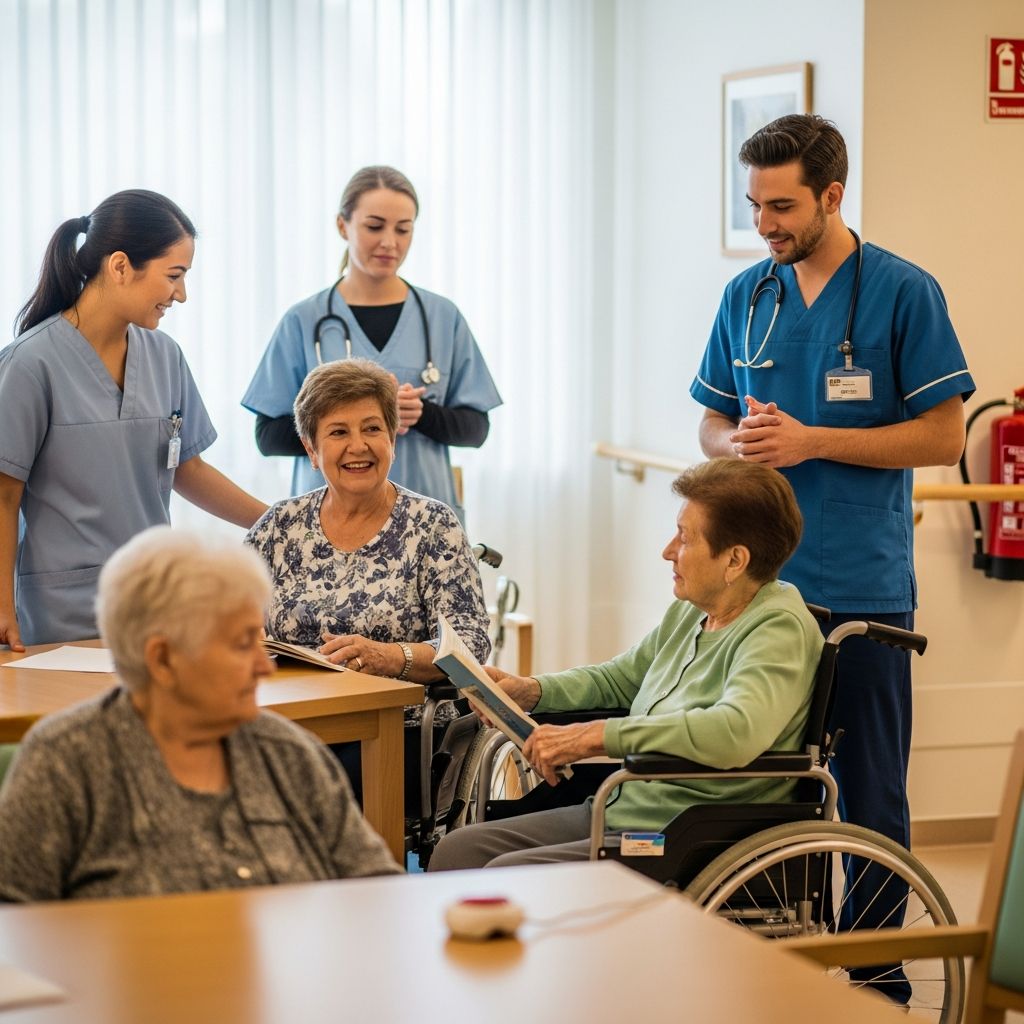
The Scope of Institutional Care Harm
Long-term care facilities serve millions of vulnerable individuals who depend on staff members for daily support and medical care. However, institutional settings can sometimes become environments where residents experience harm—whether through deliberate actions or negligent practices. Understanding the scope and nature of this problem is essential for families, residents, and advocates seeking to protect vulnerable populations.
Research indicates that approximately 1 in 10 nursing home residents experience some form of harm during their stay, though experts believe the actual prevalence is considerably higher due to significant underreporting. When expanded globally, the World Health Organization estimates that institutional care harm affects around 15.7 percent of residents in long-term care settings. During periods of increased isolation, such as pandemic-related lockdowns, reported incidents increased dramatically, suggesting that reduced oversight and family contact create conditions conducive to institutional failures.
Categorizing Different Forms of Institutional Harm
Institutional harm encompasses multiple distinct categories, each with different causes, impacts, and manifestations. Understanding these distinctions helps families recognize problematic situations and take appropriate action.
Emotional and Psychological Harm
Emotional mistreatment represents the most frequently reported category of institutional harm. This form of abuse occurs when facility staff or other residents intentionally inflict psychological distress through various means. Research involving facility staff revealed that 81 percent reported witnessing emotional mistreatment of residents by colleagues. Additionally, 40 percent of surveyed staff members admitted to committing at least one incident of emotional harm during a 12-month period.
Emotional harm manifests in multiple ways. Staff members may engage in verbal aggression, including yelling, swearing, or insulting language directed at residents. Studies found that 70 percent of facility staff observed coworkers yelling at residents, while 50 percent witnessed insulting behavior. Beyond verbal aggression, emotional harm includes intentional social isolation, threatening language, intimidation, and exclusion from community activities. When emotional harm becomes systemic within a facility, residents often respond with behavioral changes, withdrawal, increased anxiety, or loss of appetite.
Physical Harm and Bodily Injury
Physical harm involves direct bodily contact intended to cause pain or injury. Approximately 24.3 percent of residents reported experiencing at least one incident of physical harm during their institutional stay. Physical harm includes hitting, punching, kicking, inappropriate use of restraints, grabbing with excessive force, and other actions causing visible injury such as bruises, fractures, or internal injuries.
The causes of physical harm vary. Some incidents result from staff frustration, burnout, or inadequate training in proper handling techniques. Other incidents stem from resident-to-resident conflicts, particularly when facilities fail to provide appropriate supervision or segregation of aggressive residents. Falls represent another concern in institutional settings, with residents experiencing an average of 1.5 falls per year, many of which could be prevented through proper environmental safety measures and adequate supervision.
Financial Exploitation
Financial abuse occurs when staff members, residents, or outside individuals illegally or improperly gain access to a resident’s money, property, or financial resources. Elders in institutional settings report experiencing financial exploitation at elevated rates compared to other abuse forms. Financial harm may involve unauthorized use of resident bank accounts, theft of personal possessions, coercion into signing financial documents, or manipulation regarding wills and inheritances.
Financial exploitation often goes undetected because many residents have cognitive impairments affecting their ability to track finances or recognize unauthorized transactions. Additionally, residents may feel shame about victimization or fear retaliation if they report concerns to family members or authorities.
Neglect and Failure to Provide Care
Neglect represents one of the most prevalent institutional failures, affecting up to 20 percent of residents. Neglect occurs when facility staff fail to provide essential care, including adequate nutrition, hydration, medication, hygiene, medical treatment, or supervision. Unlike intentional abuse, neglect often results from systemic failures—inadequate staffing levels, insufficient training, poor management, or resource constraints.
Neglect manifests through various scenarios: residents not receiving prescribed medications on schedule, lack of bathing or personal hygiene assistance despite incontinence, insufficient monitoring for pressure ulcers or infections, failure to respond to residents’ call buttons, and inadequate supervision leading to falls or resident-to-resident conflicts. Neglectful facilities often demonstrate patterns of preventable medical complications, dehydration, malnutrition, and deterioration in residents’ physical and cognitive functioning.
Sexual Abuse and Inappropriate Contact
Sexual abuse in institutional settings, while less frequently reported than other forms, represents a serious violation requiring immediate intervention. Sexual harm includes forcing residents into sexual acts, inappropriate touching, exposing residents to sexual material, or any non-consensual sexual contact. Though accounting for 1-2 percent of reported institutional abuse, actual incidence may be underreported due to residents’ difficulty communicating, cognitive impairment, or shame.
Residents with dementia or significant cognitive impairment face particular vulnerability because they cannot consent to sexual contact and may not remember or report incidents. Facilities have legal obligations to protect residents from sexual harm by other residents and staff, including appropriate supervision and separation when necessary.
Recognizing Warning Indicators of Institutional Problems
Families and outside observers can identify potential institutional harm through careful observation and attention to behavioral, physical, and environmental changes.
Physical and Medical Warning Signs
- Unexplained injuries, bruises, fractures, or marks in various stages of healing
- Poor hygiene, unsanitary conditions, or signs of inadequate personal care
- Malnutrition or dehydration evidenced by significant weight loss or dry skin
- Untreated medical conditions, infected wounds, or delayed wound care
- Inappropriate or excessive medication use, or complaints about medication timing
- Signs of pressure ulcers or bedsores indicating prolonged immobility without repositioning
Behavioral and Emotional Changes
Family members should monitor for sudden behavioral shifts that may indicate institutional problems. Residents may demonstrate increased fearfulness, particularly around specific staff members. Withdrawal from previously enjoyed activities, sudden changes in eating or sleeping patterns, increased agitation or anxiety, and expressions of fear about returning from medical appointments or therapies warrant investigation. Some residents develop avoidance behaviors, such as reluctance to be alone with particular caregivers or resistance to bathing or personal care activities previously accepted without protest.
Facility-Level Indicators
- Restricted family visiting hours or barriers to family access without reasonable justification
- Unusually high staff turnover or consistent staffing shortages affecting care quality
- Lack of trained, familiar caregivers leading to inconsistent care approaches
- Poor facility sanitation, maintenance, or safety conditions
- Staff unwillingness to answer questions about residents’ daily activities or medical status
- Defensive responses from management when concerns are raised
- History of regulatory violations or documented complaints
Interpersonal and Communication Red Flags
Observe interactions between residents and staff members. Residents showing visible discomfort or fear around specific staff members may indicate abusive relationships. Staff members who consistently answer questions on behalf of residents, discourage residents from speaking freely, or isolate residents from family and outside contact raise serious concerns. Unusual interactions—such as staff members spending excessive private time with specific residents, inappropriate familiarity, or boundary violations—warrant careful monitoring.
Understanding Liability and Legal Responsibilities
Institutional care facilities have comprehensive legal obligations to protect residents from harm. These responsibilities extend beyond direct staff actions to include adequate supervision, proper hiring and training, environmental safety, and failure to prevent foreseeable harm.
Facilities must maintain appropriate staff-to-resident ratios, ensure staff receive training in proper care techniques and resident rights, conduct background checks on employees, and implement policies preventing abuse and neglect. Management bears responsibility for investigating complaints, removing problematic staff members, and reporting institutional failures to regulatory authorities. When facilities breach these obligations through negligent hiring, inadequate supervision, failure to train, or failure to report incidents to authorities, they may face civil liability and regulatory penalties.
Regulatory agencies maintain authority to inspect facilities, review complaint investigations, and impose sanctions ranging from fines to facility closure. However, regulatory oversight often proves insufficient, particularly when facilities underreport incidents or when oversight bodies lack adequate resources for frequent inspections.
Steps for Addressing and Reporting Institutional Concerns
When institutional harm is suspected, multiple intervention pathways exist to protect residents and ensure accountability.
Initial Documentation and Communication
Families should meticulously document concerning observations, including dates, times, specific incidents, involved staff members, and any physical evidence. Photographs of injuries, documentation of behavioral changes, and records of medical developments support later investigations. Initial conversations with facility staff or management should occur in writing (email), creating a record of concerns communicated and facility responses received.
Regulatory Reporting Channels
State regulatory agencies oversee institutional care facilities and investigate complaints. Families can file formal complaints with state health departments or long-term care ombudsman programs, which serve as independent advocates for institutional residents. These agencies possess authority to conduct unannounced inspections, interview residents and staff, and compel documentation review.
Law Enforcement and Adult Protective Services
Suspected crimes, including physical assault or sexual abuse, should be reported to law enforcement. Adult Protective Services (APS) agencies investigate abuse and neglect of vulnerable adults, including institutional residents. These agencies can initiate interventions, remove residents from unsafe situations, and refer cases for criminal prosecution.
Legal Action and Civil Remedies
Residents and families may pursue civil lawsuits against facilities for negligence, intentional harm, or violation of resident rights. These actions seek monetary damages compensating for medical expenses, pain and suffering, and losses resulting from institutional failures. Legal consultation helps families understand available remedies and liability theories applicable to their situation.
Prevention Strategies and Protective Measures
While regulatory agencies bear primary responsibility for facility oversight, families and residents can implement protective measures reducing harm risk.
Frequent Visitation and Oversight
Regular, unannounced visits allow families to observe facility conditions and staff interactions directly. Visiting at various times of day reveals different staffing patterns and care approaches. Open communication with residents about daily experiences, relationships with staff, and any concerning incidents provides early warning signs requiring investigation.
Advocacy and Support Networks
Connecting with other resident families, facility advocacy groups, and ombudsman programs strengthens collective ability to identify problems and demand accountability. Many facilities change problematic practices when confronted with organized family concerns and potential regulatory attention.
Healthcare Provider Coordination
Residents’ outside physicians and healthcare providers should remain informed about facility conditions and any concerning observations. These providers possess authority to recommend facility transfers, report concerns to regulatory agencies, and serve as objective observers documenting institutional failures through medical records.
Frequently Asked Questions
Q: How common is institutional harm in care facilities?
A: Approximately 1 in 10 nursing home residents experiences some form of abuse or neglect, though experts believe actual rates are significantly higher due to underreporting. The World Health Organization estimates global prevalence at 15.7 percent, with rates increasing during periods of isolation and reduced family oversight.
Q: Which type of institutional harm is most frequently reported?
A: Emotional and psychological abuse represents the most common form of institutional harm, with 81 percent of facility staff reporting witnessing emotional mistreatment by colleagues. This includes verbal aggression, isolation, intimidation, and exclusion from activities.
Q: What percentage of incidents are actually reported to authorities?
A: Only approximately 1 in 24 institutional harm cases are reported to authorities, representing severe underreporting. Underreporting results from residents’ fear of retaliation, cognitive impairment limiting communication ability, shame about victimization, and facility efforts to conceal incidents from regulatory oversight.
Q: What should families do if they suspect institutional harm?
A: Families should document observations carefully, communicate concerns in writing to facility management, report suspicions to state regulatory agencies and ombudsman programs, contact Adult Protective Services if safety is immediately threatened, and consider legal consultation to understand available remedies and accountability options.
Q: Can facilities be held legally responsible for harm?
A: Yes, facilities bear legal responsibility for negligent hiring, inadequate training and supervision, failure to report incidents, and failure to protect residents from foreseeable harm. Civil lawsuits can seek damages for medical expenses, pain and suffering, and losses resulting from institutional failures. Regulatory agencies can impose fines, sanctions, and facility closure for serious violations.
Q: What role do staffing levels play in institutional harm?
A: Inadequate staffing and high turnover contribute significantly to institutional failures, neglect, and abuse. When facilities operate with insufficient staff, employees experience burnout and stress, reducing patience and care quality. Staff shortages also limit supervision capacity, increasing vulnerability to resident-to-resident harm and neglect of medical needs.
References
- Elder Abuse: A Comprehensive Overview and Physician-Associated Implications — National Center for Biotechnology Information (NCBI)/PubMed Central. 2021. https://pmc.ncbi.nlm.nih.gov/articles/PMC8110289/
- Nursing Home Abuse by the Numbers: Why Is Abuse on the Rise? — For The People Law Firm. 2025. https://www.forthepeople.com/blog/nursing-home-abuse-numbers-why-abuse-rise/
- Nursing Home Abuse Statistics: Statistics on Elder Abuse in 2026 — Nursing Home Abuse Center. 2026. https://www.nursinghomeabusecenter.com/nursing-home-abuse/statistics/
- How Common is Nursing Home Abuse? — National Center on Elder Abuse (NCEA). https://nursinghomesabuse.org/faqs/how-common-is-nursing-home-abuse/
- [UPDATED 2025] Nursing Home Abuse Statistics — Bannister Brownstein Ganz & Arroyo, LLP. 2025. https://www.bbga.com/practice-areas/nursing-home-abuse/u-s-nursing-home-abuse-statistics/
- Abuse of older people — World Health Organization (WHO). https://www.who.int/news-room/fact-sheets/detail/abuse-of-older-people
- About Abuse of Older Persons — Centers for Disease Control and Prevention (CDC). https://www.cdc.gov/elder-abuse/about/index.html
Similar Articles








Read full bio of Sneha Tete


