
Inmate Sleep Rights: Legal Protections in Prisons
Exploring constitutional rights to adequate sleep for incarcerated individuals and key court rulings on prison conditions.
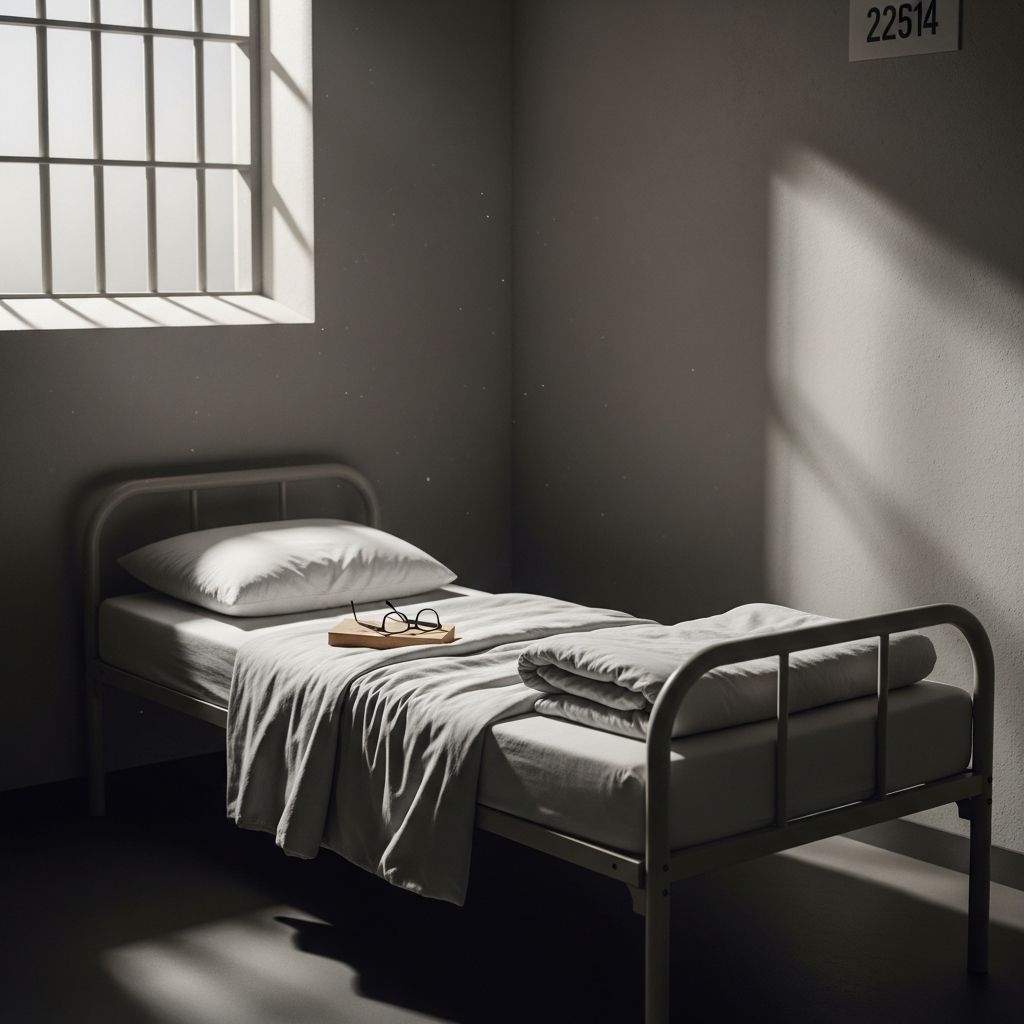
Incarcarated individuals in the United States are protected by the Eighth Amendment, which prohibits cruel and unusual punishment. This includes safeguards against conditions that severely restrict sleep, such as inadequate bedding or disruptive schedules. Courts have increasingly scrutinized these issues, recognizing sleep as essential for physical and mental health.
Constitutional Framework for Prison Sleep Conditions
The Eighth Amendment applies to convicted prisoners, requiring that conditions of confinement do not amount to punishment beyond sentencing. For pretrial detainees, the Fourteenth Amendment’s Due Process Clause provides similar protections against punitive conditions. Sleep deprivation can violate these standards if it poses a substantial risk of serious harm.
Key legal test from Farmer v. Brennan (1994) demands that officials act with deliberate indifference to known risks. Prisons must provide basic human needs, including a safe place to sleep, but operational necessities like security checks may justify some disruptions if not excessive.
Landmark Rulings on Restricted Sleep Schedules
Federal appeals courts have addressed cases where prison routines severely limit sleep. In one notable Fifth Circuit decision, a Texas inmate at the Estelle Unit challenged a schedule allowing only about 3.5 hours of fragmented sleep nightly, with bedtime at 10:30 p.m. and breakfast at 2 a.m. The court ruled that proving a substantial risk of harm suffices, without needing direct causation of health issues, reversing a lower court’s dismissal.
This ruling emphasizes that penological goals do not override constitutional protections. The case was remanded for further proceedings, highlighting evolving judicial scrutiny of sleep-disrupted environments.
Sleeping on Floors: A Clear Constitutional Violation
Forcing inmates to sleep on cell floors, especially when beds are available, frequently triggers Eighth Amendment claims. Courts view this as self-evidently cruel, particularly in overcrowded facilities leading to health risks like infections from mold or filth.
In a 2007 Ninth Circuit-related ruling, a district judge declared floor-sleeping customs unconstitutional, noting testimony of inmates developing staph infections under bunks. Similarly, the First Circuit held that prolonged floor mattresses for pretrial detainees violate due process, distinguishing from temporary overcrowding measures.
| Case | Court | Ruling Summary | Key Factor |
|---|---|---|---|
| Garrett v. Texas | 5th Circuit | Remanded sleep restriction claim | 3.5 hours/night sufficient risk |
| Detainee Floor Sleep | 1st Circuit | Floor mattresses violate due process | Prolonged overcrowding |
| Pregerson Ruling | US District | Floor sleeping cruel punishment | Health risks self-evident |
Health Consequences of Sleep Deprivation in Incarceration
Chronic sleep loss in prisons exacerbates mental health disorders, weakens immune systems, and increases violence risks. Studies link it to heightened aggression, cognitive decline, and suicide rates. Prisons with early wake-ups for counts or meals disrupt REM cycles, compounding stress from confinement.
Experts argue that 7-9 hours of uninterrupted sleep is vital, yet many facilities fall short due to staffing shortages or outdated designs. Inmate testimony often reveals hallucinations, chronic fatigue, and deteriorated physical health from such conditions.
Overcrowding and Its Direct Link to Sleep Issues
Prison overcrowding remains a primary driver of sleep problems. When cells designed for one hold multiple occupants, some must use floors. Courts have ruled that while short-term double-bunking may be tolerable, extended floor sleeping crosses into unconstitutional territory.
- Cell space minimums: 60 square feet per inmate recommended in some rulings.
- Duration matters: Brief periods may not violate rights; months do.
- Alternatives required: Officials must use available beds or transfer inmates.
In Georgia, sovereign immunity complicates suits, but organizations like the Southern Center for Human Rights assist with federal claims against inhumane conditions.
Prison Officials’ Duties and Deliberate Indifference
Staff must respond to known risks. Ignoring complaints about floor sleeping or disruptive lights/noise can evidence deliberate indifference. Protective measures include segregation, medical evaluations, or policy changes.
Farmer standard requires subjective awareness: Officials cannot claim ignorance if conditions are obvious. Successful claims often hinge on documented grievances ignored over time.
Filing Claims: Steps for Inmates Seeking Redress
Inmates should exhaust administrative remedies via prison grievance systems before federal court. Section 1983 lawsuits allege constitutional violations. Pro bono groups and jailhouse lawyers provide guidance.
- Document incidents with dates, witnesses, injuries.
- Submit formal complaints internally.
- Seek medical records linking harm to conditions.
- Contact advocacy organizations for legal aid.
State Variations in Sleep Standards
Federal floors apply nationwide, but states set higher bars via consent decrees or statutes. California and Texas face frequent litigation over sleep issues. Some facilities implement lights-out policies post-rulings.
ACLU reports highlight systemic failures, pushing reforms like reduced night checks or better staffing.
Broader Reforms and Future Outlook
Addressing sleep requires investment in infrastructure and training. Pilot programs with adjusted schedules show reduced incidents. Courts increasingly cite medical consensus on sleep’s role in rehabilitation.
Legislative pushes for minimum sleep hours gain traction, potentially standardizing protections.
Frequently Asked Questions
Do inmates have a constitutional right to a bed?
Yes, courts have ruled that denying a bed in favor of floor sleeping constitutes cruel and unusual punishment, especially long-term.
Is 4 hours of sleep per night legal in prison?
No, if it creates substantial risk of harm; the Fifth Circuit allowed claims for 3.5 hours without continuous rest.
What if overcrowding causes floor sleeping?
Temporary measures may be okay, but prolonged denial violates due process for detainees and Eighth Amendment for prisoners.
Can inmates sue for sleep deprivation?
Yes, via 1983 claims after exhausting grievances, proving deliberate indifference.
How much sleep do inmates legally need?
No fixed hours, but conditions must not pose serious harm; 7+ hours ideal per health standards.
References
- 5th Circuit rules for prisoner allowed to sleep no more than 3.5 hours a night — ABA Journal. 2023-03-25. https://www.abajournal.com/news/article/5th-circuit-rules-for-prisoner-allowed-to-sleep-no-more-than-3-1-2-hours-a-night
- Sleeping on Floor Violates Due Process Rights of Detainee — Prison Legal News. 2007-05-15. https://www.prisonlegalnews.org/news/2007/may/15/sleeping-on-floor-violates-due-process-rights-of-detainee/
- Can they make the inmates sleep on the floors when there are beds available? — Avvo Legal Answers. N/A. https://www.avvo.com/legal-answers/can-they-make-the-inmates-sleep-on-the-floors-when-232588.html
- The Dangerous Problem of Sleep Deprivation Behind Bars — The Marshall Project. 2024-12-12. https://www.themarshallproject.org/2024/12/12/sleep-don-t-come-the-dangerous-problem-of-sleep-deprivation-behind-bars
- Your Rights While Incarcerated — Golden Law. N/A. https://www.debgoldenlaw.com/faqs/your-rights-while-incarcerated.cfm
- Your Rights in Prison — Jailhouse Lawyers Handbook. N/A. https://www.jailhouselaw.org/your-rights-prison
Similar Articles








Read full bio of medha deb




