
Infectious Diseases and the Carceral Public Health Crisis
Addressing the intersection of public health and the criminal justice system.
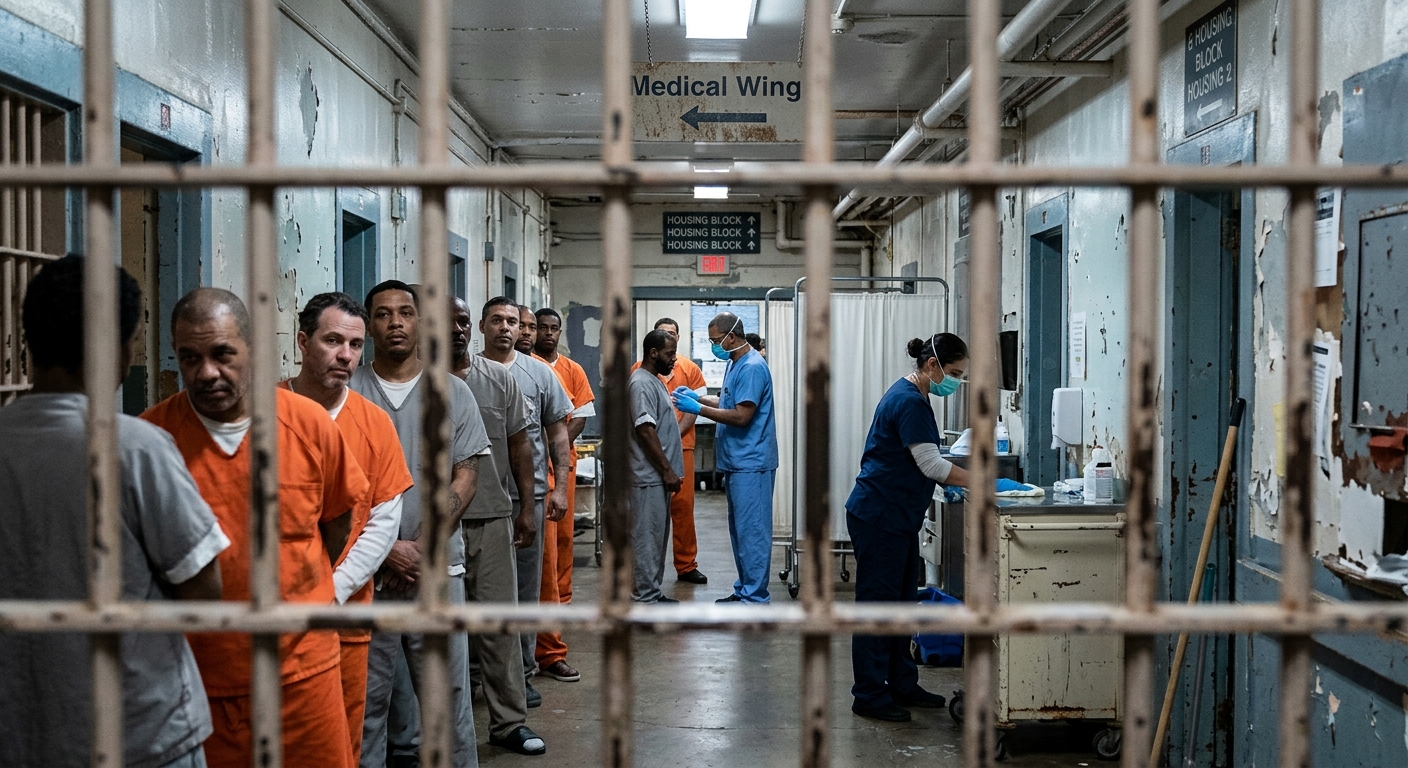
While the global dialogue surrounding infectious diseases frequently centers on community spread, travel restrictions, and vaccine distribution, one critical demographic is consistently relegated to the periphery: the millions of individuals currently living behind bars. The enduring shadow of severe acute respiratory syndrome and other virulent pathogens continues to plague jails and prisons, exposing a catastrophic intersection of criminal justice and public health. For incarcerated individuals, a sentence should not equate to a deprivation of basic human health standards. Yet, the persistent outbreaks of highly transmissible viruses in correctional facilities underscore a systemic failure to protect society’s most vulnerable wards.
The devastation wrought by outbreaks within carceral settings is not a new phenomenon, but recent global health emergencies have magnified these preexisting infrastructural fractures. As society moves forward, a profound moral and medical reckoning is required. Protecting the health of those in custody is not merely a matter of constitutional compliance; it is a foundational pillar of comprehensive public health strategy. The ongoing struggle to safeguard the incarcerated population against lethal diseases highlights the urgent need for structural reform, transparency, and a reevaluation of how society administers justice in the face of biological threats.
The Architecture of Vulnerability: Why Prisons Are Epicenters for Disease
Correctional facilities are fundamentally designed for security and containment, not for infection prevention or medical isolation. The physical architecture of the American prison system is practically engineered to accelerate the spread of airborne and contact-transmitted pathogens. Incarcerated individuals are often housed in densely packed dormitory-style settings or multi-occupancy cells where social distancing is a physical impossibility.
When an infectious agent breaches the perimeter of a prison, it encounters an environment primed for exponential transmission. Aging infrastructure exacerbates the crisis. Many state and federal facilities operate in buildings constructed decades, if not centuries, ago. These structures frequently feature poor ventilation, lacking modern HVAC systems capable of filtering out microscopic particulates. Instead, stale air recirculates through closed environments, ensuring that a single cough or sneeze can compromise dozens of individuals sharing the same airspace.
Furthermore, basic hygiene—a primary defense against viral transmission—is severely compromised. Incarcerated individuals often lack unrestricted access to warm water, high-quality soap, alcohol-based hand sanitizers (which are routinely banned as contraband), and clean laundry. Shared amenities, including communal showers, dining halls, and recreational areas, serve as high-traffic vectors for disease. When the physical environment strips individuals of their autonomy to practice basic sanitation and distance themselves from sick peers, an outbreak transforms from a remote possibility into an inevitability.
The Devastating Health Inequities Behind Bars
Compounding the architectural dangers of prisons is the stark reality of the populations residing within them. The incarcerated population disproportionately suffers from a high prevalence of preexisting medical conditions. Decades of harsh sentencing laws have resulted in an aging prison demographic. Elderly inmates, who already face weakened immune systems, are exceptionally susceptible to severe complications from infectious diseases.
Moreover, rates of chronic illnesses—such as asthma, hypertension, diabetes, and cardiovascular disease—are significantly elevated among the incarcerated compared to the general public. These comorbidities act as fatal catalysts when combined with aggressive viruses. Despite the pressing need for comprehensive medical intervention, healthcare within the carceral system is notoriously underfunded and overburdened.
The process of accessing medical care while incarcerated is fraught with bureaucratic friction. Inmates must often submit written “sick call” requests and pay copayments—a significant financial barrier for individuals earning pennies per hour. Consequently, individuals frequently delay seeking help until their symptoms become unbearable. By the time a symptomatic inmate is evaluated by understaffed medical personnel, they have likely exposed countless others. The triage system in many facilities prioritizes acute trauma over chronic or viral disease management, leaving infectious outbreaks to simmer undetected until they boil over into full-scale medical emergencies.
Key Risk Factors and Public Health Interventions
| Systemic Risk Factor | Impact on Incarcerated Populations | Targeted Public Health Intervention |
|---|---|---|
| Facility Overcrowding | Prevents physical distancing; accelerates the transmission of respiratory and contact-based pathogens. | Strategic decarceration and population density reduction protocols. |
| Aging Infrastructure | Inadequate airflow and poor ventilation trap viral particles within densely populated housing units. | Retrofitting HVAC systems; installing high-efficiency particulate air (HEPA) filtration. |
| Delayed Medical Access | Bureaucratic hurdles and copays deter early symptom reporting, leading to undetected viral spread. | Elimination of medical copays; implementation of routine mass screening and rapid testing protocols. |
| High Comorbidity Rates | Increased susceptibility to severe illness, hospitalization, and mortality from otherwise manageable viruses. | Prioritized vaccination schedules and enhanced chronic disease management programs. |
Bridging the Gap: Why Carceral Health is Public Health
A pervasive and dangerous myth surrounding the criminal justice system is the idea that prisons are closed ecosystems, entirely sealed off from the outside world. In reality, the walls of jails and prisons are highly porous. The notion that an infectious disease can be contained behind bars completely ignores the daily epidemiological exchange between correctional facilities and their surrounding communities.
Daily, thousands cross facility thresholds. Officers, medical professionals, administrative staff, and delivery personnel commute between their local neighborhoods and the prison environment. If a highly transmissible pathogen is raging through a cell block, it is practically guaranteed to hitch a ride back into the broader community via the facility staff.
This dynamic is even more pronounced in local county jails, which are characterized by rapid population churn. Individuals are constantly arrested, processed, held for brief periods, and released back into their communities. If a jail fails to implement rigorous testing, quarantine protocols, and treatment programs, it effectively acts as a biological incubator, amplifying the disease and dispersing it back into vulnerable neighborhoods. Consequently, community health outcomes are inextricably linked to the conditions inside local correctional facilities. Public health officials and policymakers must recognize that controlling outbreaks in the general population requires an aggressive, parallel commitment to eradicating those same outbreaks behind bars.
Human Rights and the Legal Imperative for Adequate Care
Failing to protect incarcerated populations from infectious diseases is a profound crisis of human rights and constitutional law. In the United States, the Eighth Amendment of the Constitution prohibits the infliction of “cruel and unusual punishments.” The Supreme Court has long established that the government has a fundamental obligation to provide medical care for those it incarcerates.
When officials exhibit “deliberate indifference” to a substantial risk of serious harm, they violate this mandate. Forcing individuals to reside in overcrowded, unventilated spaces during an outbreak, without providing adequate protective equipment or medical treatment, falls squarely within this legal framework. Yet, litigating these violations during an active public health emergency is incredibly difficult.
Advocacy groups and civil rights organizations have filed numerous lawsuits to compel facilities to improve conditions, provide basic hygiene supplies, and release medically vulnerable individuals. These legal challenges highlight a glaring disconnect between statutory rights and the grim reality of life on the inside. Internationally, human rights bodies such as the World Health Organization (WHO) and the United Nations have unequivocally stated that prisoners are entitled to the same standard of health care that is available in the community. Ensuring that these standards are met requires continuous legal scrutiny and an uncompromising commitment to human dignity.
Strategic Solutions for a Safer, Healthier Future
To dismantle the architecture of vulnerability that defines modern prisons, a multifaceted approach combining public health expertise with sweeping criminal justice reform is required. The survival of incarcerated individuals depends on proactive, evidence-based policy shifts.
- Substantial Decarceration: The most immediate and effective method for preventing disease transmission in enclosed spaces is reducing the population density. Authorities must utilize compassionate release, clemency, and parole mechanisms to safely release elderly individuals, those with severe underlying health conditions, and individuals nearing the end of their sentences.
- Elimination of Medical Copays: Imposing financial penalties on inmates seeking medical evaluation is antithetical to infection control. All medical copayments must be permanently abolished to encourage prompt reporting of symptoms and ensure early intervention.
- Mass Testing and Vaccination: Facilities must abandon symptom-based reactive testing in favor of universal, proactive screening. Furthermore, incarcerated populations and correctional staff must be prioritized in the distribution of vaccines for seasonal and novel pathogens, recognizing the hyper-vulnerability of these environments.
- Independent Public Health Oversight: Prison healthcare systems frequently operate under the jurisdiction of security personnel, creating a conflict of interest between operational control and medical necessity. Transitioning the oversight of prison medical systems to independent state or federal public health departments is essential to guarantee that medical decisions supersede punitive protocols.
- Infrastructure Modernization: Long-term capital investments must be made to upgrade ventilation systems, increase the number of single-occupancy medical isolation units, and ensure that every facility is equipped with adequate hygiene and sanitation infrastructure.
Conclusion: A Moral and Medical Mandate
The persistence of infectious disease fatalities within the carceral system is a tragic testament to institutional neglect. As we navigate an era of evolving biological threats, the status quo of prison healthcare is dangerously obsolete. True justice cannot coexist with a system that implicitly sentences individuals to severe illness or death through medical deprivation and environmental hazards.
Protecting incarcerated people from preventable diseases is both a constitutional obligation and a fundamental public health necessity. Society is judged by how it treats its most vulnerable members. It is imperative that lawmakers, public health officials, and community advocates continue to fight for the lives of those behind bars, demanding transparency, accountability, and systemic reform. Only by breaking down the artificial barriers between community health and carceral health can we secure a safer, more equitable future for everyone.
Frequently Asked Questions (FAQ)
Why are incarcerated populations considered hyper-vulnerable to infectious diseases?
Incarcerated individuals live in highly concentrated, congregate settings that inhibit social distancing. Combined with poor ventilation, limited access to hygiene products, and a disproportionately high rate of pre-existing chronic illnesses, these facilities create an ideal environment for rapid viral transmission and severe health complications.
How does disease transmission in prisons affect the general public?
Prisons and jails are deeply interconnected with their surrounding communities. Correctional officers, medical staff, and other facility workers transition between the prison and the public daily. Additionally, individuals are regularly released after completing sentences or posting bail. If an outbreak is uncontrolled inside a facility, it will inevitably spread to the outside community.
What legal rights do incarcerated people have regarding medical care?
Under the Eighth Amendment of the U.S. Constitution, the government is legally mandated to provide adequate medical care to incarcerated individuals. Failure to protect inmates from a known, substantial risk of serious harm—such as a deadly virus—can constitute “deliberate indifference” and cruel and unusual punishment.
What role does decarceration play in public health?
Decarceration safely reduces the prison population to alleviate dangerous overcrowding. By releasing medically vulnerable individuals, facilities create the physical space needed for social distancing and medical isolation, directly curbing viral spread.
References
- Impact of COVID-19 on State and Federal Prisons, March 2020–February 2021 — Bureau of Justice Statistics, U.S. Department of Justice. 2022-08-25. https://bjs.ojp.gov/library/publications/impact-covid-19-state-and-federal-prisons-march-2020-february-2021
- Ensuring prevention and control of COVID-19 in prisons and other places of detention — World Health Organization (WHO). 2026-05-06. https://www.who.int/europe/publications/i/item/WHO-EURO-2021-1406-41156-59424
- CDC Correctional Health Guidance and Resources — Centers for Disease Control and Prevention. 2024-07-03. https://www.cdc.gov/correctional-health/index.html
- Carceral Health is Public Health — Emerging Infectious Diseases Journal, Centers for Disease Control and Prevention. 2024-01-01. https://wwwnc.cdc.gov/eid/article/30/13/23-1496_article
Similar Articles








Read full bio of Sneha Tete


