
Illinois Neighbor Property Conflicts Guide
Essential legal insights for resolving trees, fences, boundaries, and farming disputes with neighbors in Illinois.
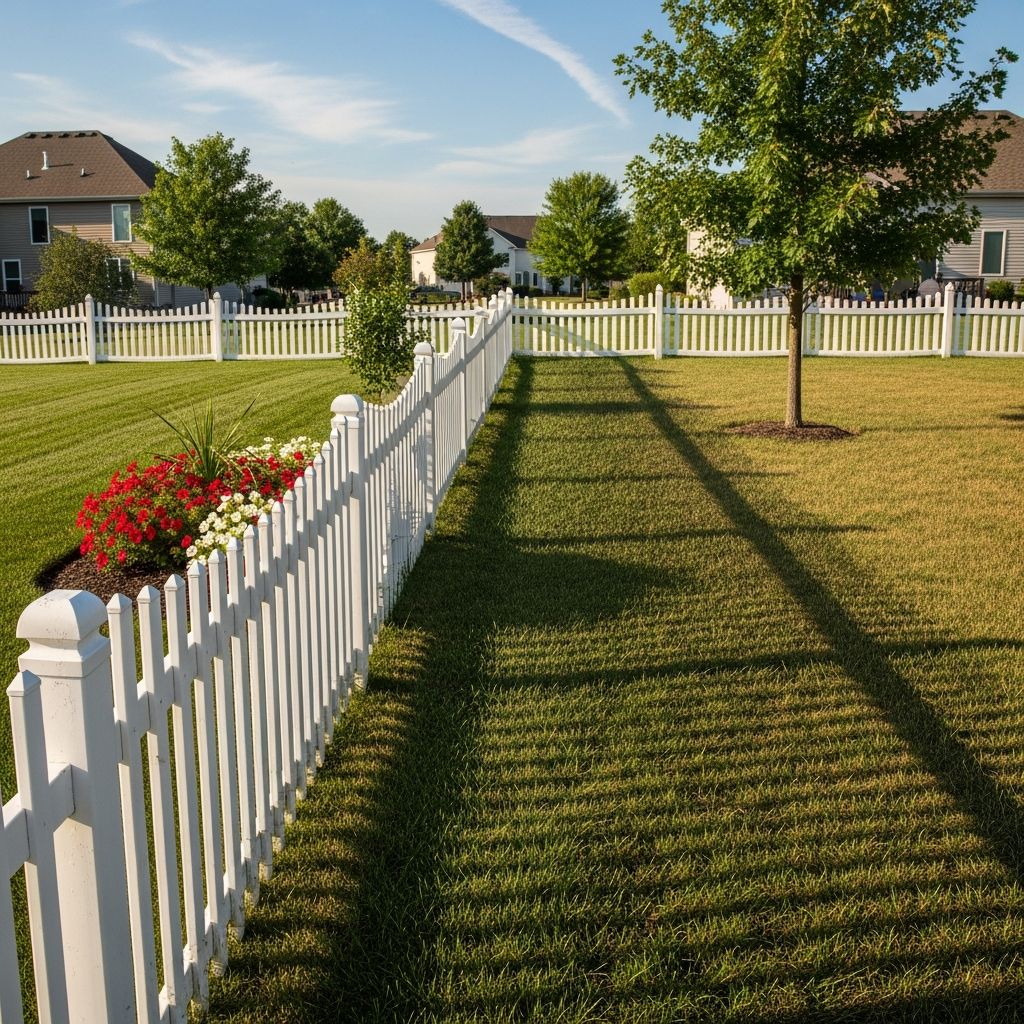
Property ownership in Illinois comes with responsibilities and rights, especially when living near others. Disputes over shared boundaries, vegetation, structures, and land use can strain relationships and lead to legal action. This guide explores key Illinois statutes and practical steps for handling these conflicts, drawing from state laws on fences, trees, farming protections, and more. Understanding these rules helps prevent escalation and promotes peaceful resolutions.
Defining Property Boundaries in Illinois
Clear property lines form the foundation of neighbor relations. Misunderstandings often arise from outdated surveys or assumptions about where one lot ends and another begins. Illinois property owners can reference deeds, plat maps, and professional surveys to establish accurate boundaries. A licensed surveyor uses legal descriptions from county records to mark lines precisely, revealing encroachments like misplaced sheds or driveways.
Local zoning ordinances in cities like Chicago or suburban counties may impose additional rules on lot divisions. For instance, front yard setbacks and side yard clearances affect how close structures can sit to lines. If a neighbor’s improvement crosses the line without permission, it constitutes trespass, potentially requiring removal or compensation.
- Steps to verify boundaries: Review your deed at the county recorder’s office.
- Hire a surveyor for official measurements.
- Check for recorded easements granting usage rights across lines.
- Consult municipal codes for zoning restrictions.
Handling Fence Disputes Legally
Fences serve as physical markers but frequently spark arguments over construction, maintenance, and costs. Illinois regulates boundary fences under 765 Ill. Comp. Stat. § 130/3 and § 130/4, requiring adjoining owners to share expenses for fences dividing improved lands used for farming or pasturage. “Improved land” includes enclosed fields or lots under cultivation.
Urban areas often defer to local codes. For example, many municipalities limit fence heights to 6 feet in rear yards and 4 feet in front yards, with materials like chain-link or wood subject to aesthetic reviews. Homeowners associations (HOAs) may enforce stricter covenants on style and placement.
| Issue | Illinois Rule | Resolution Options |
|---|---|---|
| Shared Cost | Equal division for boundary fences | Partition fence agreement or court order |
| Height Limits | Local ordinance (e.g., 6 ft max rear) | HOA approval or variance permit |
| Encroachment | Trespass if over line | Survey and demand letter |
| Damage Repair | Proportional to benefit | Mediation or small claims court |
Before building, notify neighbors and obtain permits. Self-help remedies like trimming encroaching fences are limited; avoid unilateral actions to prevent counterclaims.
Tree Encroachment and Damage Rules
Trees straddling property lines create unique challenges. Illinois follows the “Hawaii Rule,” where overhanging branches or roots are nuisances if they cause actual harm, like blocking sunlight or damaging structures. Property owners may trim encroaching parts up to the boundary line without entering the neighbor’s land, provided no permanent injury occurs to the tree.
Intentional damage triggers harsh penalties under 740 Ill. Comp. Stat. § 185/1-7, allowing triple actual damages. Actual damages cover replacement costs or diminution in value. For example, if a neighbor poisons a tree, the owner sues for three times the appraisal loss plus attorney fees.
Falling debris liability hinges on negligence. Healthy trees pose no strict liability; dead or hazardous ones require reasonable abatement. Document conditions with photos and expert arborist reports before disputes intensify.
- Encroaching branches: Trim at your line.
- Damaged trees: Sue for replacement value.
- Intentional harm: Pursue treble damages.
- Debris claims: Prove foreseeability.
Agricultural Protections: Right to Farm
Illinois strongly safeguards farming operations from nuisance suits. The Right to Farm Act (740 Ill. Comp. Stat. § 70/1-70/5) immunizes established agricultural activities from complaints over noise, odors, dust, or pesticides, provided the farm predates nearby non-farm development by one year or was approved under local zoning.
“Generally accepted agricultural practices” include crop spraying, livestock rearing, and machinery operation. Urban sprawl into rural areas prompted these laws to preserve food production. Neighbors cannot enjoin farms based on changed conditions they created by moving nearby.
Exceptions apply if operations violate environmental laws or constitute public nuisances. Farmers must use best management practices to qualify for immunity.
Adverse Possession and Easement Claims
Long-term use can alter ownership. Adverse possession in Illinois requires 20 years of continuous, hostile, open, notorious, and exclusive possession. Examples include mowing a strip of neighbor’s lawn or maintaining a driveway over it. Courts strictly construe these claims, demanding clear proof via affidavits and surveys.
Easements grant non-owners usage rights, like shared driveways or utility paths. Prescriptive easements form similarly after 20 years. Review title insurance policies, as they often cover boundary litigation.
Resolving Disputes Without Court
Courts prefer amicable solutions. Start with direct communication, presenting survey evidence calmly. Mediation through community programs or private services resolves 70-80% of cases cost-effectively.
HOAs handle covenant violations internally. Local governments mediate code breaches via complaint forms. Police intervene only for criminal acts like vandalism.
- Document everything: Photos, letters, surveys.
- Send certified demand letters.
- Engage mediators or arbitrators.
- File in small claims for disputes under $10,000.
- Escalate to circuit court for injunctions or title quieting.
When to Involve Government or Eminent Domain
Government takings via eminent domain require public use and just compensation. Challenges focus on necessity or valuation, with juries determining fair market value.
Trespass notifications protect against unauthorized entry. Post “No Trespassing” signs and notify verbally or in writing.
Frequently Asked Questions
Can I remove my neighbor’s fence on my property?
No, notify them first and survey. Unilateral removal risks counter-suit for damage.
Who pays for tree removal if roots damage my foundation?
The tree owner if negligent; otherwise, self-trim roots or sue for proven harm.
How long for adverse possession in Illinois?
20 years of open, continuous use.
Does right to farm protect new operations?
No, must predate complaining neighbor’s use.
What if a neighbor builds without permits?
Report to local building department for stop-work order.
Preventing Future Conflicts
Proactive measures save time and money. Annual boundary walks, shared maintenance agreements, and title insurance renewals foster harmony. Educate via county extension services on tree care and fencing.
In summary, Illinois law balances individual rights with neighborly duties. Early surveys and dialogue avert most issues. For complex cases, consult attorneys specializing in real property.
References
- Illinois Laws on Property Disputes Between Neighbors — Nolo. 2023. https://www.nolo.com/legal-encyclopedia/illinois-laws-neighbor-property-disputes-65228.html
- Property Disputes Between Neighbors in Illinois — Casement Group. 2024. https://casement.net/property-disputes-between-neighbors-in-illinois/
- How To Legally Handle Neighbor Disputes in Illinois — NN Legal. 2025-01-10. https://www.nnlegal.com/dupage-county-attorney/how-to-legally-handle-neighbor-disputes-in-illinois
- Navigating Property Line Disputes in Illinois — B. Mayberry Law. 2024-06-15. https://bmayberrylaw.com/navigating-property-line-disputes-in-illinois/
- Neighbor Dispute FAQ — City of Moline, IL (Official). 2023. http://www.moline.il.us/FAQ.aspx?QID=122
Similar Articles








Read full bio of Sneha Tete


