
Illinois Judgment Liens: 2025 Guide For Creditors And Debtors
Master the essentials of judgment liens in Illinois: from creation and enforcement to renewal and exemptions for creditors and debtors.
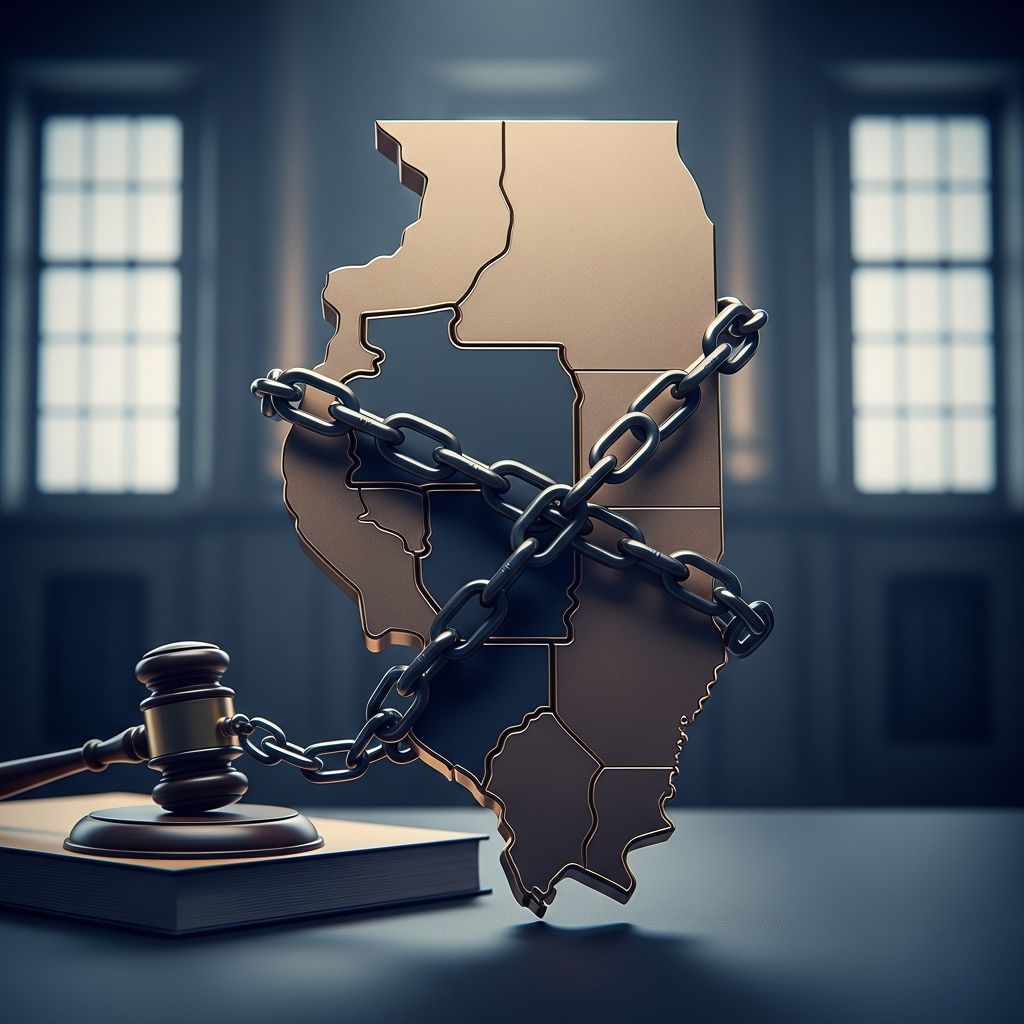
Judgment liens serve as a powerful mechanism in Illinois for creditors seeking to recover court-awarded debts by attaching claims to debtors’ real property. These liens do not transfer ownership but prevent debtors from freely selling or refinancing affected properties until the debt is resolved, providing leverage for payment. This guide explores the formation, enforcement, duration, renewal processes, exemptions, and strategic considerations under Illinois statutes like 735 ILCS 5/12-101.
Understanding the Fundamentals of Judgment Liens
A judgment lien arises after a court issues a money judgment in favor of a creditor against a debtor. Unlike the judgment itself, which is merely a declaration of debt, the lien actively secures that debt against specific assets. In Illinois, liens apply exclusively to real estate—land, homes, and attached structures—not personal items like vehicles or furniture.
Creditors must proactively record the judgment to create the lien. This involves filing a certified transcript, memorandum, or abstract with the county recorder’s office where the property is located. Failure to record means no lien attaches, even if the judgment exists. For instance, an Illinois state or federal court judgment requires recording in the relevant county, while foreign judgments demand compliance with the Uniform Enforcement of Foreign Judgments Act (735 ILCS 5/12-650).
- Key Benefit for Creditors: The lien follows the property, binding future owners if transferred during its term.
- Impact on Debtors: Clouds title, complicating sales or loans until cleared.
Step-by-Step Process to Establish a Lien
Securing a judgment lien demands precise procedural adherence to maintain validity and priority.
- Obtain the Judgment: Secure a final money judgment from an Illinois court or properly domesticated foreign judgment.
- Prepare Documentation: Request a transcript, certified copy, or memorandum from the court clerk, detailing parties, amount, and date.
- Record in County: File with the recorder in every county holding debtor’s real property. Include an affidavit for foreign judgments with addresses.
- Notify Debtor: While not always mandatory, serving notice enhances enforcement leverage.
- Monitor and Enforce: Cite the lien in collection actions or wait for debtor-initiated property transactions.
Each filing perfects the lien from the recording date, establishing priority over subsequent claims. Table below outlines required documents by judgment origin:
| Judgment Type | Required Filing | Office |
|---|---|---|
| Illinois State/Federal | Transcript or Memorandum | County Recorder |
| Foreign State | Certified Copy + Affidavit | County Clerk then Recorder |
Duration and Renewal Rules
Illinois judgment liens endure for seven years from recording or last revival, irrespective of the underlying judgment’s 20-year enforceability. Post-seven years, the lien expires unless revived, risking priority loss to newer recordings.
Revival occurs via court petition within 20 years of judgment entry, but does not auto-extend liens—re-recording is essential after each revival. Property levied within the initial seven years gains one extra year for sale enforcement (735 ILCS 5/12-108).
- Revival Timeline: Petition anytime before 20 years; final chance in year 20.
- Lien Revival Risk: Late revival subordinates to intervening liens based on revival order date.
Interest accrues on unpaid balances at statutory rates, bolstering creditor recovery during the lien’s life.
Enforcing Liens: From Attachment to Payment
Once attached, creditors pursue collection via foreclosure-like sales or voluntary settlements. The sheriff can levy and auction liened property, with proceeds satisfying the debt.
Debtors cannot evade by transferring title; liens bind successors. Common enforcement paths:
- Forced Sale: Court-ordered auction if equity exceeds exemptions.
- Pressure Tactic: Await sale/refinance, where buyer/ lender pays lien to clear title.
- Negotiation: Debtor settles to remove cloud on property.
Personal property liens differ; Illinois restricts judgment liens to realty, but sheriffs can seize non-exempt items separately.
Property Exemptions and Debtor Protections
Illinois offers safeguards, notably the homestead exemption shielding up to $15,000 equity ($30,000 for couples) in primary residences from forced sales. Creditors cannot execute if equity falls below this threshold.
| Exemption Type | Amount | Applies To |
|---|---|---|
| Homestead | $15,000 individual / $30,000 joint | Primary Residence |
| Personal Property | Varies (e.g., $4,000 wildcard) | Non-Realty Assets |
Other protections include limits on wage garnishment and bankruptcy discharges, though liens survive Chapter 7 if not avoided. Debtors should consult counsel to challenge improper liens or assert exemptions.
Strategic Advice for Creditors
Proactive monitoring prevents expiration pitfalls. Title searches reveal debtor assets pre-filing. Multiple county filings cover scattered holdings. For large debts, combine liens with garnishment or turnover motions—court orders directing asset surrender without liens.
Foreign judgments require meticulous UEFJA compliance to avoid invalidation. Attorneys streamline processes, preserving priority and maximizing recovery.
Debtor Strategies to Mitigate Liens
Debtors can negotiate payoffs, file bankruptcy to strip junior liens, or petition revival denials if untimely. Homestead claims halt non-exempt sales. Paying via installment plans often lifts liens promptly.
Verify recording accuracy; defects invalidate liens. Post-sale, surplus equity returns to debtor after creditor satisfaction.
Frequently Asked Questions
What properties can judgment liens affect in Illinois?
Only real estate like homes and land; personal property requires separate sheriff seizure.
How long does a judgment lien last?
Seven years from recording, renewable within the judgment’s 20-year life.
Can I renew a lien multiple times?
Yes, tied to judgment revivals, but each requires re-recording to maintain.
Does homestead protect against all liens?
It shields equity up to statutory limits in primary homes from forced sales.
What if the debtor sells the property?
The lien must be paid from proceeds to clear title for the buyer.
Recent Developments and Best Practices
As of 2025, Illinois maintains stable lien statutes, but electronic recording expansions via county systems accelerate filings. Creditors should track legislative updates via official sources. For complex cases, professional legal aid ensures compliance amid evolving foreclosure rules[10].
This framework empowers informed action, balancing creditor recovery with debtor rights under Illinois law.
References
- Putting Judgment Liens on Property in Illinois — Nolo. Accessed 2026. https://www.nolo.com/legal-encyclopedia/judgment-liens-illinois-46831.html
- Creating and Reviving Judgment Liens in Illinois — Attorneys’ Title Guaranty Fund. 1999-10-01. https://www.atgf.com/tools-publications/pubs/october-1999-underwriters-bulletinarticlescreating-and-reviving-judgment-liens
- Understanding Illinois Judgment Liens on Real Estate — Illinois Attorney. 2025-10-10. https://illinoisattorney.com/resources/blog/understanding-illinois-judgment-liens-on-real-estate/
- Using Judgement Liens to Collect On Judgments — Walinski Law. Accessed 2026. https://www.walinskilaw.com/chicago-collections-lawyer/using-judgement-liens-to-collect-on-judgments
- Illinois Legal Aid Online: Money and Property Debtors Can Protect — Illinois Legal Aid. Accessed 2026. https://www.illinoislegalaid.org/legal-information/money-and-property-debtors-can-protect-collection-agent
Similar Articles








Read full bio of Sneha Tete


