
Illinois DUI Laws: What You Need To Know
Comprehensive guide to Illinois DUI penalties, defenses, and recent law changes for drivers facing charges.
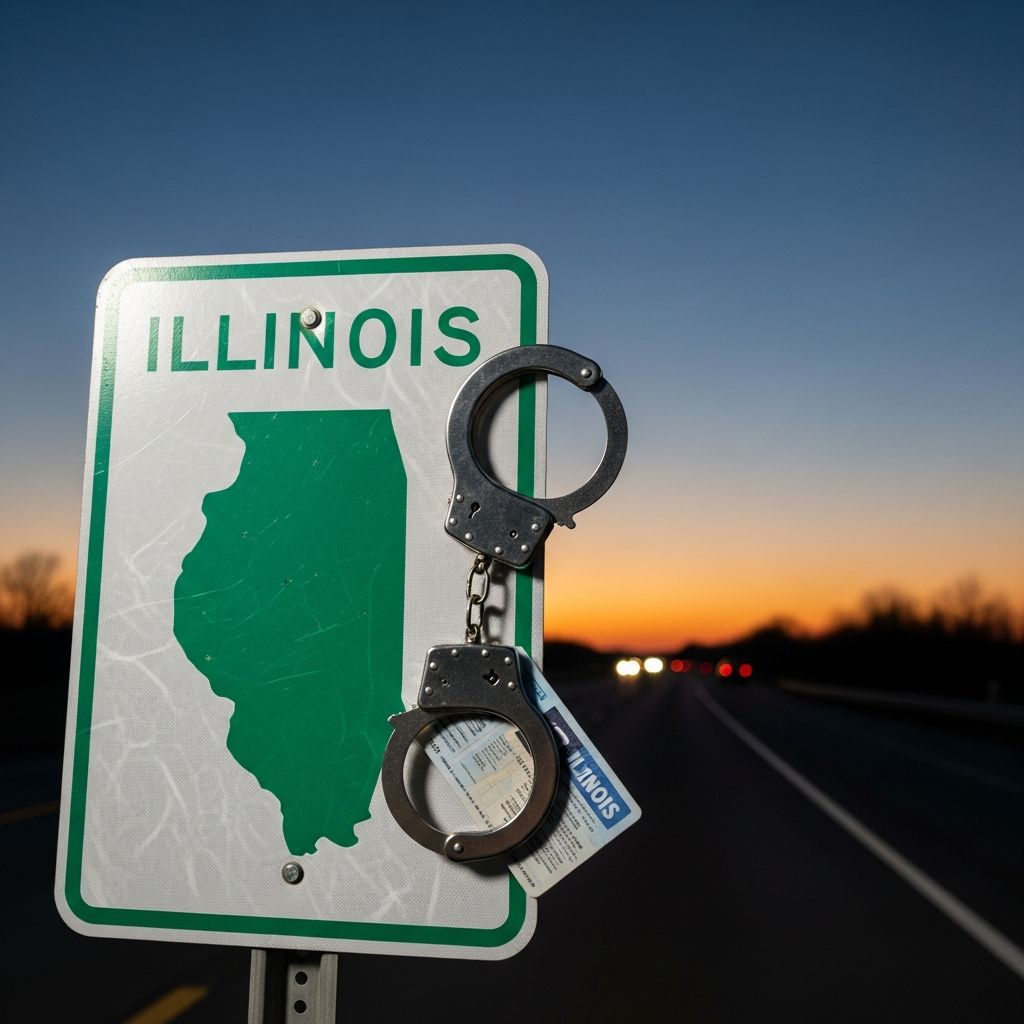
Driving under the influence (DUI) remains one of the most strictly enforced traffic violations in Illinois, with penalties escalating based on prior offenses and aggravating factors. This guide breaks down the legal framework, consequences, and strategies for those facing charges.
Legal Standards for DUI in Illinois
Illinois law prohibits operating a motor vehicle while impaired by alcohol or drugs. For drivers aged 21 and older, the blood alcohol concentration (BAC) threshold is 0.08%. Those under 21 face a zero-tolerance policy, where any detectable alcohol triggers penalties. Impairment can also stem from illegal drugs, prescription medications, or even over-the-counter substances affecting judgment or coordination.
Prosecutors must prove beyond a reasonable doubt that the driver was impaired to a degree rendering them incapable of safe driving. Evidence often includes field sobriety tests, breathalyzer results, and officer observations.
Consequences of a First-Time DUI Conviction
A initial DUI charge is typically classified as a Class A misdemeanor. Potential penalties include:
- Up to 1 year in county jail
- Fines up to $2,500, plus court assessments
- License suspension for at least 6 months
- Mandatory alcohol education or treatment programs
- Vehicle impoundment for up to 30 days
Beyond immediate sanctions, a conviction hikes insurance premiums dramatically and creates a permanent criminal record, impacting employment and housing opportunities.
Escalating Penalties for Multiple Offenses
Repeat DUIs trigger harsher measures, reflecting the state’s view of recidivism as a public safety threat. A second offense, still often a misdemeanor, may involve:
- Minimum 5 days in jail or 240 hours of community service
- Fines from $1,250 to $2,500
- License revocation for 2 years, with possible restricted driving
By the third conviction, charges elevate to a Class 2 felony. This carries 3-7 years imprisonment, fines up to $25,000, and a minimum 10-year license revocation, severely limiting mobility and employment. Prosecutors emphasize patterns of behavior, making defenses more challenging.
Ignition Interlock Devices: A Key Deterrent
Illinois mandates breathalyzer-equipped ignition interlocks for many convicted drivers. These devices prevent engine startup if alcohol is detected on the driver’s breath. Recent legislative pushes, like House Bill 1377, extend requirements to all DUI offenders, including those using rental vehicles. Offenders must also carry licenses noting the interlock obligation. Advocates, including Mothers Against Drunk Driving, credit these tools with reducing recidivism, as seen in states like New Mexico.
| Offense Level | Interlock Requirement | Duration |
|---|---|---|
| First DUI | Monitored Remedial Device (MRD) | 6 months |
| Second DUI | Restricted Driving Permit (RDP) with interlock | 1-2 years |
| Third+ DUI | Full BAIID installation | 5+ years |
Aggravating Circumstances and Enhanced Penalties
Certain factors amplify charges: accidents causing injury elevate to aggravated DUI (Class 4 felony), while fatalities result in vehicular homicide. Driving with a child passenger under 16 adds child endangerment charges. Commercial drivers face BAC limits of 0.04%, with swift license loss.
Defensive Approaches to DUI Charges
Skilled defense begins with scrutinizing the traffic stop. Officers require reasonable suspicion for stops; absent probable cause, evidence may be suppressed. Common challenges include:
- Improper field sobriety test administration
- Breathalyzer calibration errors or chain-of-custody issues
- Body camera or dashcam footage discrepancies
- Rising BAC defense (alcohol absorption post-stop)
For repeats, negotiating reductions to reckless driving hinges on mitigating elements like low BAC or clean prior records. Though tougher, experienced attorneys have secured plea deals even in felony cases.
Recent and Upcoming Law Reforms
Illinois continues refining DUI statutes. The Clean Slate Act, signed by Gov. Pritzker, excludes DUI from automatic expungement eligibility, preserving records for serious offenses. Looking to 2026, while Illinois-specific bills evolve, neighboring states’ extensions—like Washington’s 15-year look-back for felonies—signal trends toward longer accountability windows. Ignition interlock expansions aim to close loopholes, ensuring all driven vehicles comply.
License Reinstatement Process
Regaining driving privileges demands completing all court mandates, paying fees, and installing interlocks. First offenders apply for a Monitoring Device Driving Permit (MDDP) after 30 days. Felony cases involve informal hearings with the Secretary of State, often requiring proof of sobriety and financial responsibility filings.
| Step | Requirements | Timeline |
|---|---|---|
| File for RDP/MDDP | SR-22 insurance, interlock | 30-90 days post-suspension |
| Complete treatment | Varies by risk level | |
| Pay fees | $500+ reinstatement, hearings | Upon approval |
Long-Term Impacts on Life and Career
A DUI conviction reverberates: employers screen for criminal histories, especially in safety-sensitive roles. Immigration status may suffer for non-citizens, and professional licenses (e.g., CDL) face revocation. Insurance surcharges persist for 3-5 years, compounding financial strain.
Frequently Asked Questions
What is the BAC limit for DUI in Illinois?
For adults 21+, it’s 0.08%. Under-21 drivers face zero tolerance.
Can I get a restricted license after a DUI?
Yes, via MDDP or RDP with interlock compliance after initial suspension periods.
Is a third DUI always a felony?
Yes, classified as Class 2 felony with prison and long revocation.
Do rental cars need interlocks for DUI offenders?
Under proposed laws like HB 1377, yes, for any vehicle operated.
Can prior DUIs be expunged in Illinois?
No, serious convictions like DUI are ineligible under Clean Slate Act.
Seeking Professional Guidance
Facing DUI charges demands immediate legal counsel. Attorneys assess cases holistically, from evidence challenges to negotiation tactics, potentially averting lifelong repercussions. Free consultations are standard; act swiftly to preserve options.
References
- Tough New Illinois DUI Bill Could Become Law This Summer — Collins Law. 2016. https://www.collinslaw.com/tough-new-illinois-dui-bill-could-become-law-this-summer/
- Penalties for Repeat DUIs in Illinois — Illinois Defense Attorney. 2026 (accessed). https://www.illinois-defenseattorney.com/lake-county-criminal-attorney/penalties-for-repeat-duis-in-illinois
- New DUI Laws Taking Effect in 2026: What You Need to Know — Centralia Law. 2026. https://centralialaw.com/new-dui-laws-taking-effect-in-2026-what-you-need-to-know/
- Most FAQ About DUIs in Illinois — Hanken Law. 2026 (accessed). https://www.hankenlaw.com/blog/illinois-dui-laws-faq/
- Gov. Pritzker Signs Bipartisan Clean Slate Act — Gov. Pritzker Newsroom. 2026 (accessed). https://gov-pritzker-newsroom.prezly.com/gov-pritzker-signs-bipartisan-clean-slate-act
- DUI basics in Illinois — Illinois Legal Aid Online. 2026 (accessed). https://www.illinoislegalaid.org/legal-information/dui-basics-illinois
Similar Articles








Read full bio of medha deb




